

Explore the Ghats
Interactive Ghat Map
90 ghats stretch along the sacred Ganges — each with its own story, rituals, and atmosphere. Navigate the complete ghat map, find the best spots for photography, aarti, and meditation.


Click on the map to explore. Zoom in to see individual ghats along the Ganges riverfront.
The 84 Ghats of Varanasi — A Living Heritage
Varanasi's ghats form a continuous riverfront stairway stretching over 6.8 kilometers along the western bank of the Ganges. The tradition of 84 ghats (some sources say 90) dates back over 2,500 years, making them one of the longest continuously inhabited urban riverfronts in the world. Each ghat is more than just steps leading to water — they are living temples, cremation grounds, bathing platforms, and community gathering spaces that pulse with the rhythms of daily life in the oldest continuously inhabited city on Earth.
The word "ghat" derives from Sanskrit meaning "stairs to a body of water." These stone steps — some over 300 meters wide — connect the elevated city streets to the sacred Ganges below. The ghats were built and maintained by various dynasties, including the Marathas, Mughals, and Rajput rulers, each adding their architectural style. Today, the ghats remain the spiritual heart of Varanasi, where pilgrims take their morning dip, priests perform rituals, and tourists witness the spectacular Ganga Aarti ceremony every evening.
Walking the ghats from south to north reveals an extraordinary cross-section of Indian spirituality, architecture, and daily life. From the backpacker-friendly Assi Ghat to the solemn Manikarnika cremation ground, each ghat has a distinct personality. The morning hours (5-7 AM) bring pilgrims performing sunrise prayers. Midday sees priests performing sacred ceremonies. Evening transforms the ghats into a theater of light, sound, and devotion as thousands gather for the aarti.

Ghat Categories — Know Before You Go
Holy & Sacred
Ghats with deep religious significance for pilgrims and devotees
Cremation
Active cremation ghats — observe from a respectful distance
Bathing & Rituals
Popular for morning holy dips and religious ceremonies
Photography
Most photogenic ghats for capturing Varanasi moments
Top 20 Must-Visit Ghats
Detailed guide to the most significant ghats in Varanasi — what to see, when to visit, and photography tips for each.
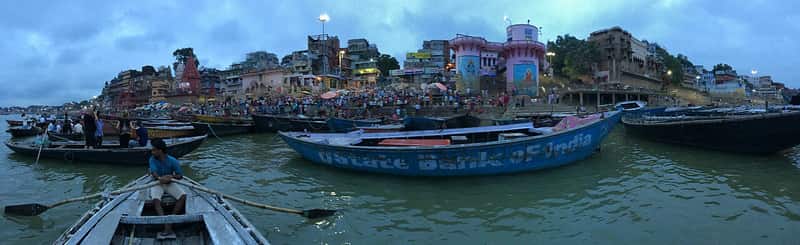
Dashashwamedh Ghat
Main aarti ghat — hosting the spectacular Ganga Aarti every evening at 7 PM
⏰ Best Time
Evening 6-8 PM
👁️ What to See
Ganga Aarti, flower offerings, priest rituals
📸 Photo Tip
Capture the aarti from boat or elevated steps
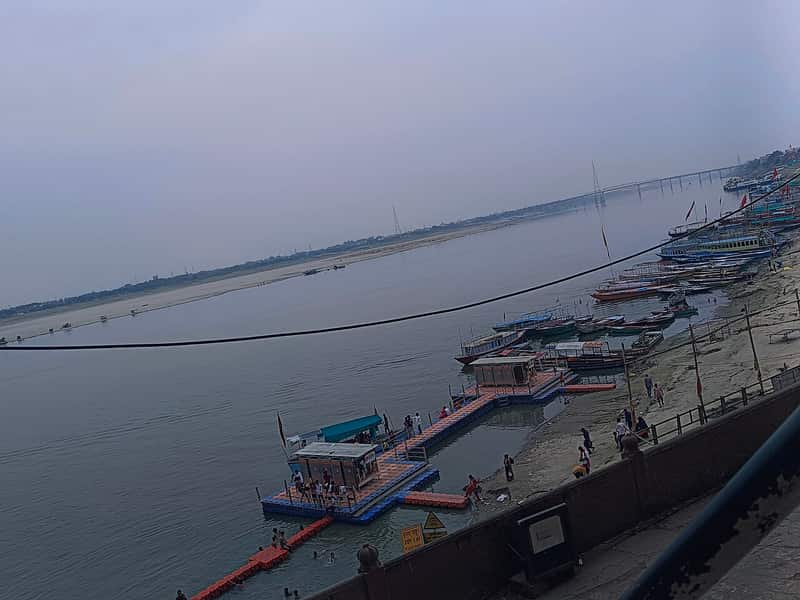
Assi Ghat
Southernmost ghat where Assi River meets Ganges
⏰ Best Time
Sunrise 5-7 AM
👁️ What to See
Morning yoga groups, puja ceremonies, sadhus
📸 Photo Tip
Golden hour shots of morning rituals
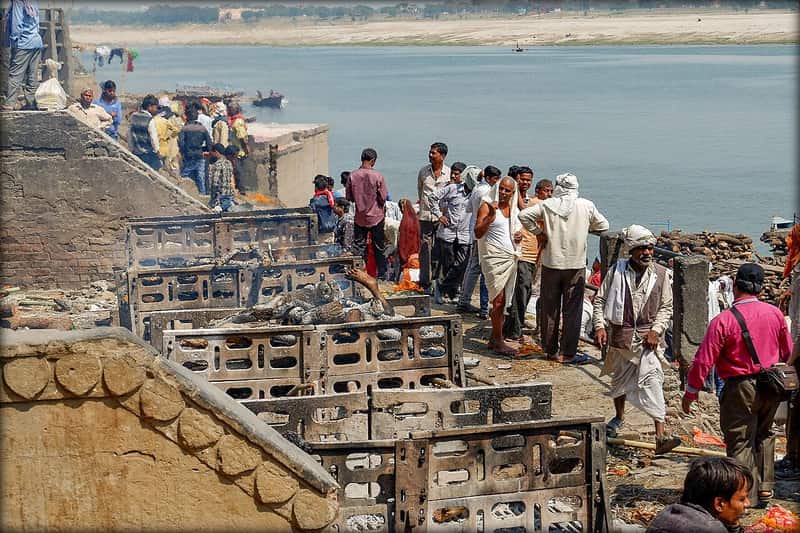
Manikarnika Ghat
Most sacred cremation ground — believed to grant moksha
⏰ Best Time
Dawn 5-6 AM
👁️ What to See
Cremation ceremonies, ancient wells, eternal flame
📸 Photo Tip
Do NOT photograph cremations — capture architecture
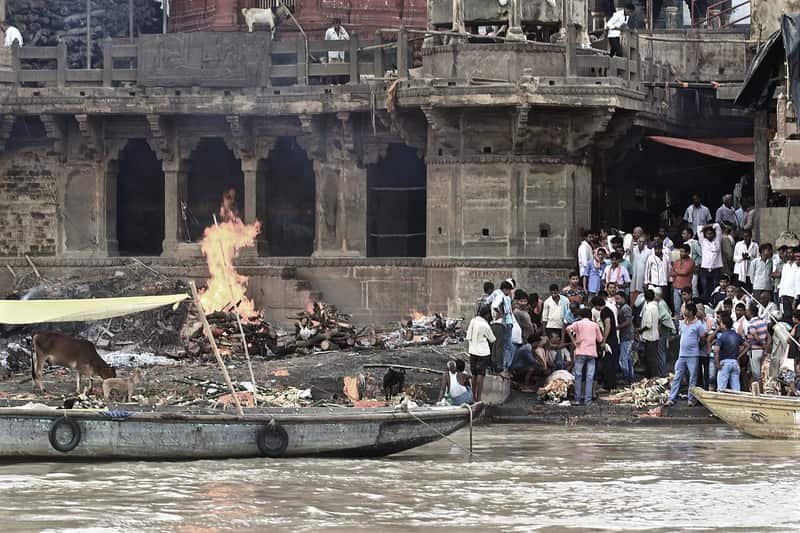
Harishchandra Ghat
Second cremation ghat named after righteous King Harishchandra
⏰ Best Time
Early morning
👁️ What to See
Traditional cremation pyres, ancient steps
📸 Photo Tip
Wide-angle architecture shots from distance
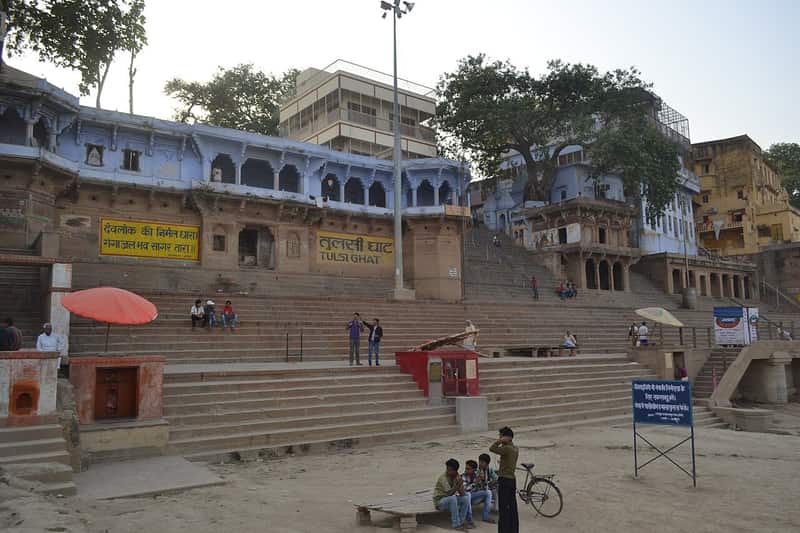
Tulsi Ghat
Connected to Tulsidas who wrote Ramcharitmanas here
⏰ Best Time
Morning 7-9 AM
👁️ What to See
Tulsi library, manuscript displays, quiet atmosphere
📸 Photo Tip
Intimate courtyard and manuscript shots
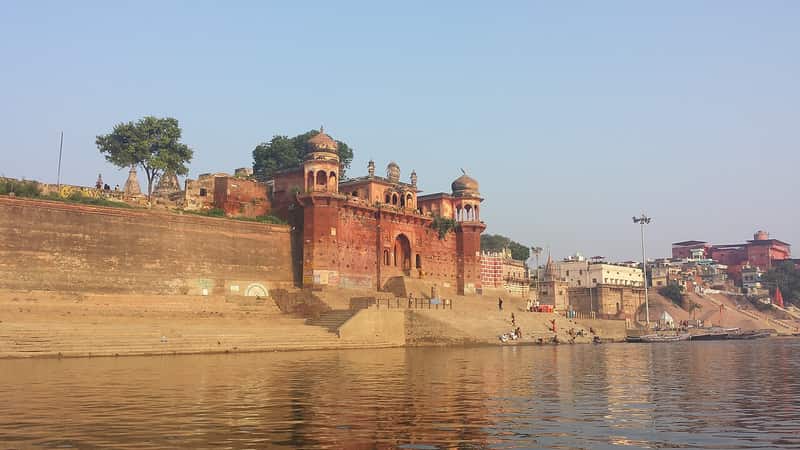
Shivala Ghat
Ancient ghat with a beautiful Shiva temple and swimming pool
⏰ Best Time
Morning 6-8 AM
👁️ What to See
Shiva temple, palace architecture, pool area
📸 Photo Tip
Reflection shots of temple in the pool
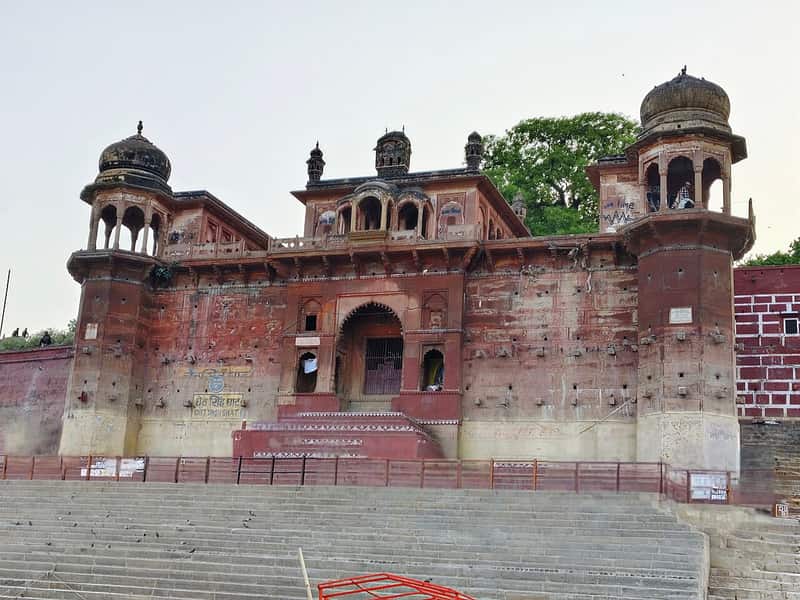
Chet Singh Ghat
Fort-like ghat built by Maharaja Chet Singh with dramatic steps
⏰ Best Time
Sunset 5-6 PM
👁️ What to See
Fort architecture, panoramic river views
📸 Photo Tip
Silhouette shots against sunset sky
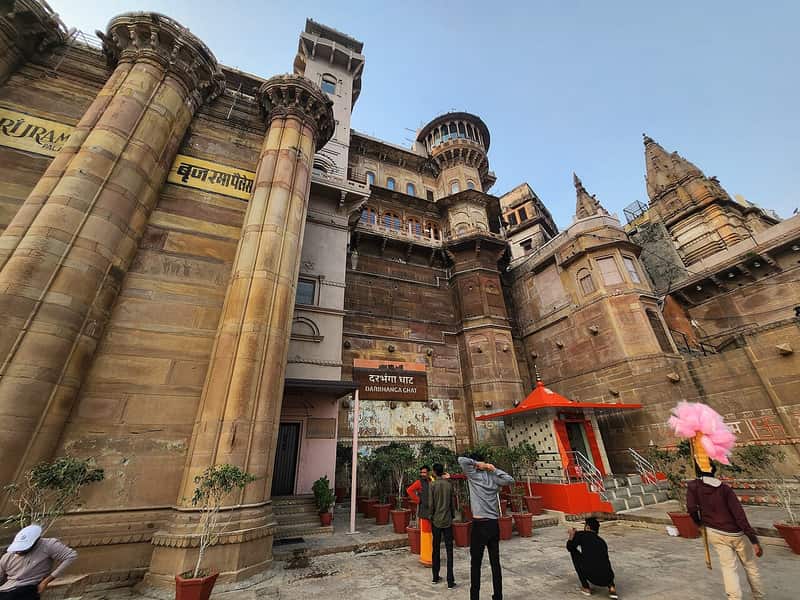
Darbhanga Ghat
Elegant ghat with Rajput-style palace and sculptures
⏰ Best Time
Afternoon 3-5 PM
👁️ What to See
Ornate palace facade, stone carvings, boat dock
📸 Photo Tip
Detail shots of carved pillars and balconies
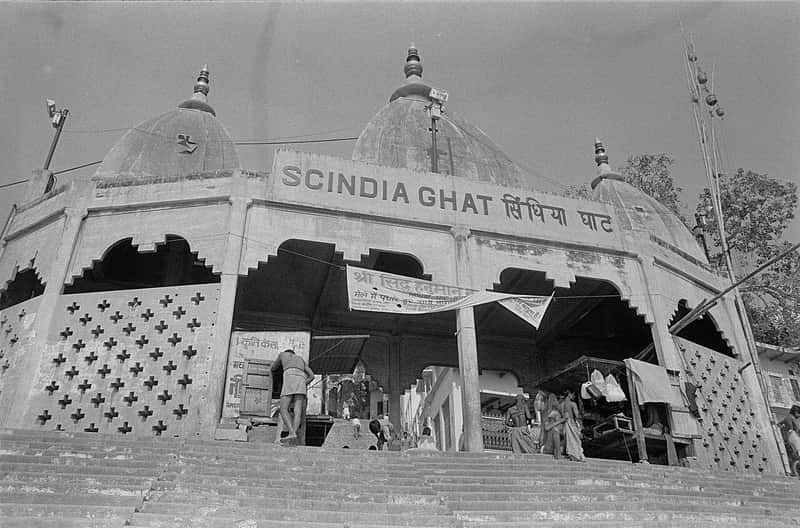
Scindia Ghat
Famous for its leaning temple that partially submerged in the river
⏰ Best Time
Morning 7-9 AM
👁️ What to See
Leaning temple, beautiful pavilion, adjacent Jain temple
📸 Photo Tip
Capture the lean of the submerged temple
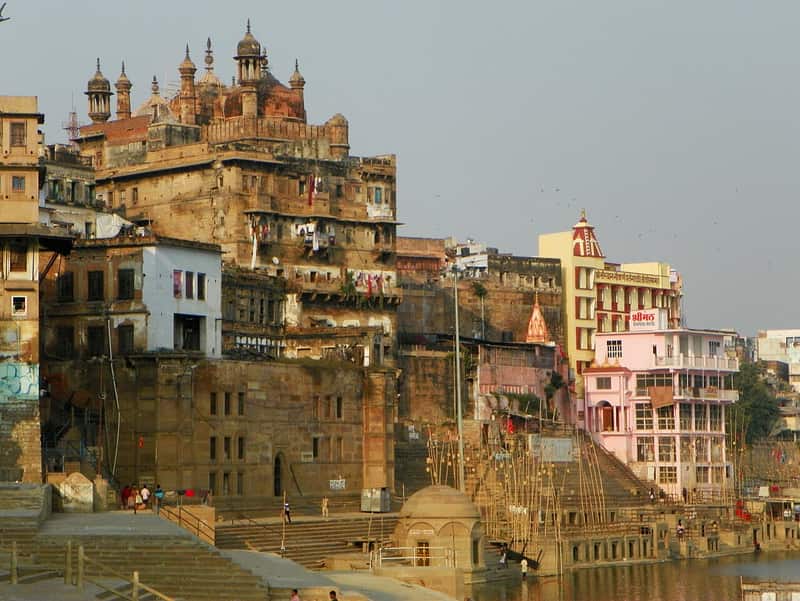
Panchganga Ghat
Confluence of five rivers — one of the most sacred bathing spots
⏰ Best Time
Morning 6-8 AM
👁️ What to See
Massive stepped architecture, priest ceremonies
📸 Photo Tip
Wide steps with pilgrims in morning light
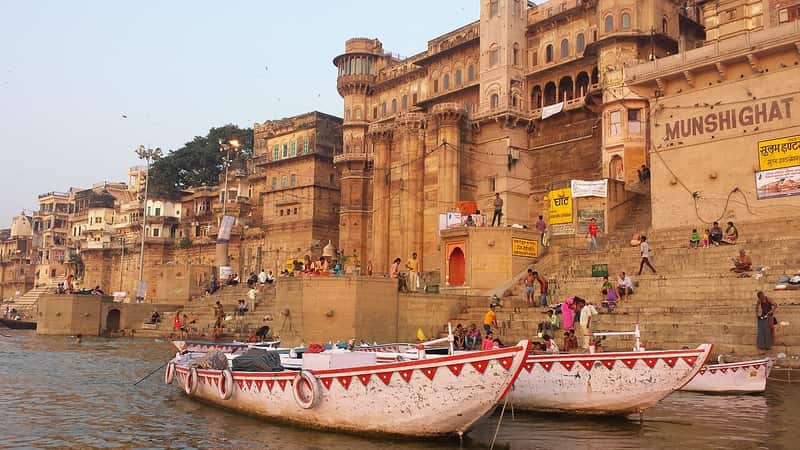
Munshi Ghat
Known for the Munshi Palace and calm atmosphere
⏰ Best Time
Late afternoon
👁️ What to See
Palace architecture, less crowded steps
📸 Photo Tip
Quiet river-level shots
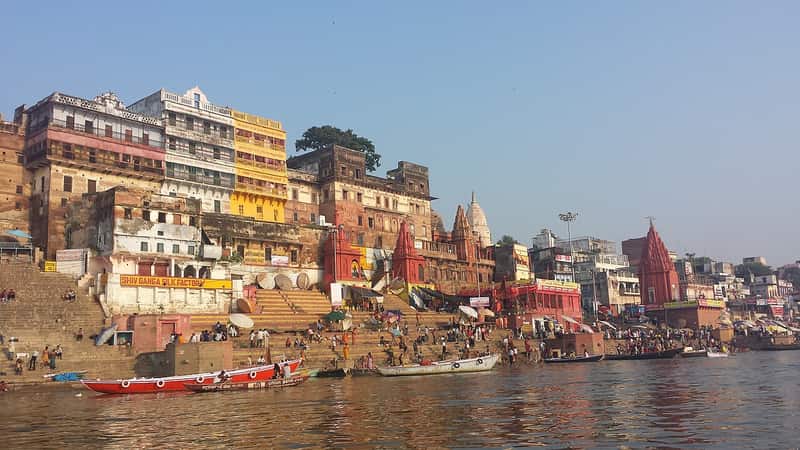
Ahilyabai Ghat
Built by Ahilyabai Holkar, one of the most elegant ghats
⏰ Best Time
Sunrise 6-7 AM
👁️ What to See
Clean marble architecture, peaceful ambiance
📸 Photo Tip
Elegant symmetry in morning light
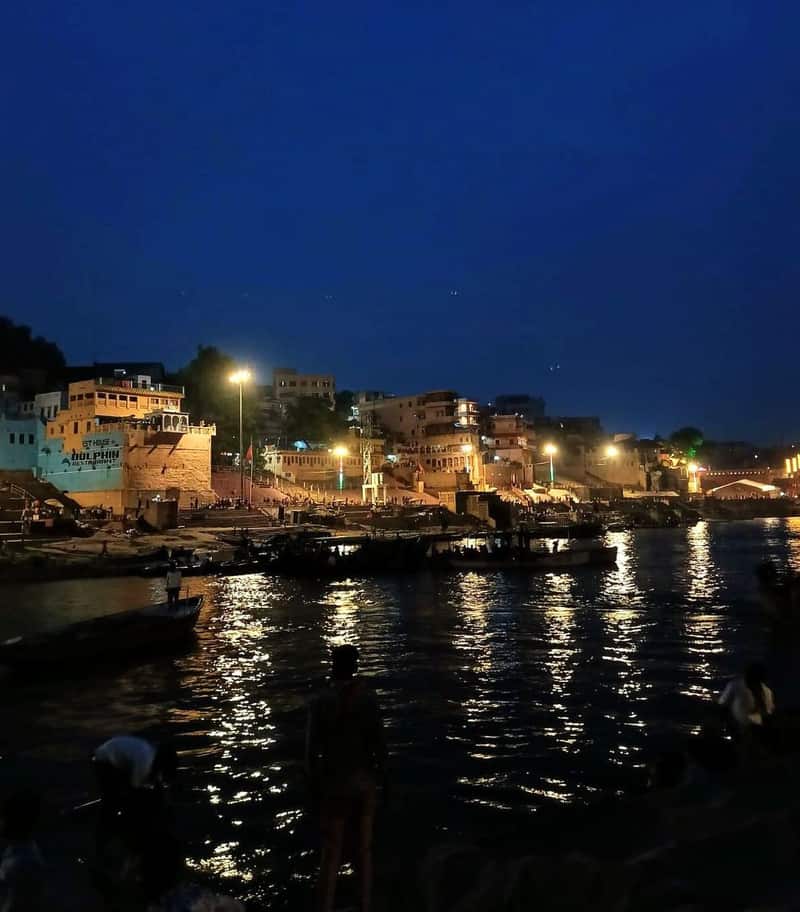
Namo Ghat
Newest and most accessible ghat designed for all abilities
⏰ Best Time
Any time
👁️ What to See
Modern design, accessibility features, solar panels
📸 Photo Tip
Contemporary architecture contrast
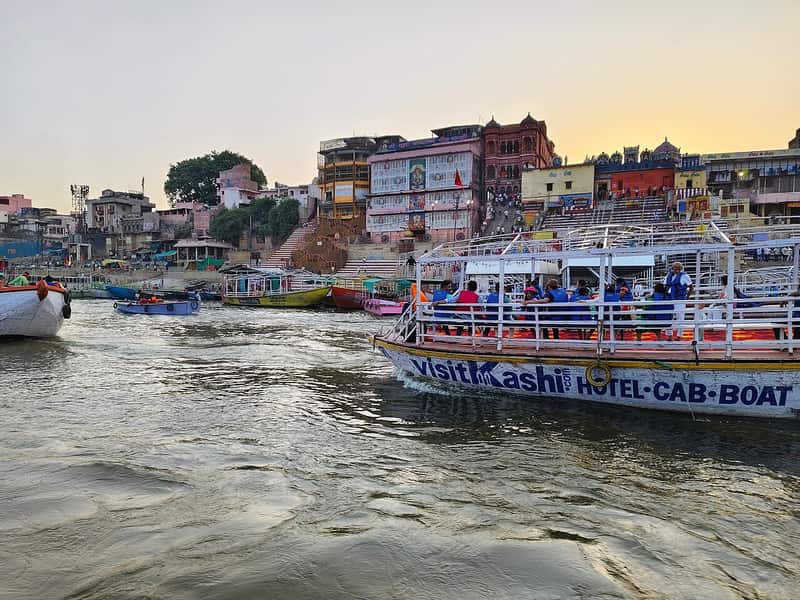
Kedar Ghat
Dedicated to Lord Kedar with stunning red temple
⏰ Best Time
Morning 6-8 AM
👁️ What to See
Red temple, pipal tree, bathing pilgrims
📸 Photo Tip
Red temple against blue Ganges
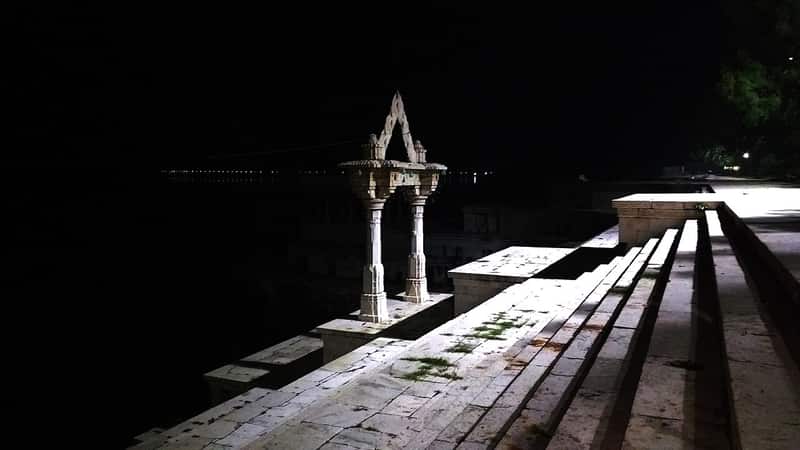
Chauki Ghat
Quiet ghat ideal for meditation and reflection
⏰ Best Time
Sunrise 5-6 AM
👁️ What to See
Early morning meditators, river breeze
📸 Photo Tip
Contemplative mood shots
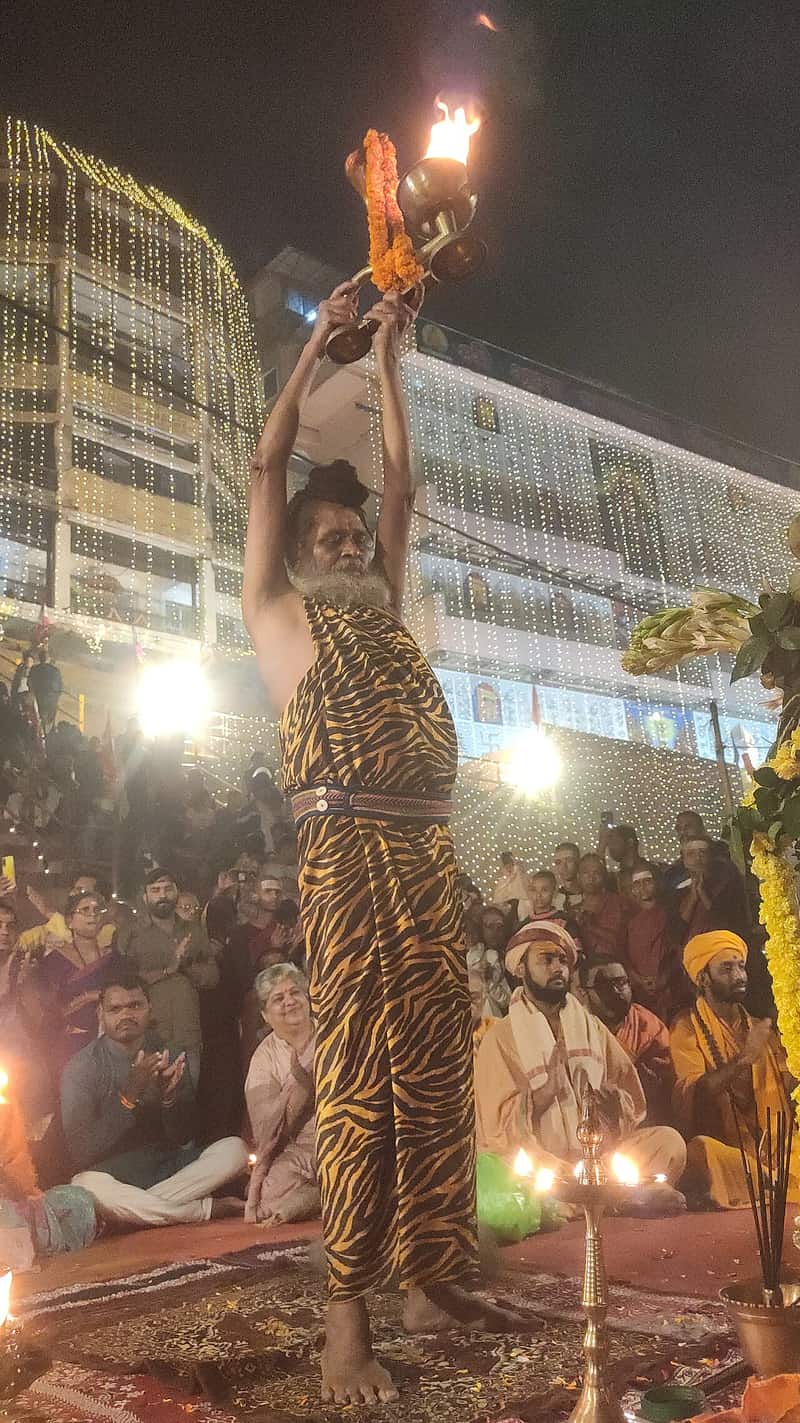
Lali Ghat
Traditional ghat with regular flower markets nearby
⏰ Best Time
Morning 7-9 AM
👁️ What to See
Flower vendors, local life, boat embarkation
📸 Photo Tip
Colorful flower arrangements
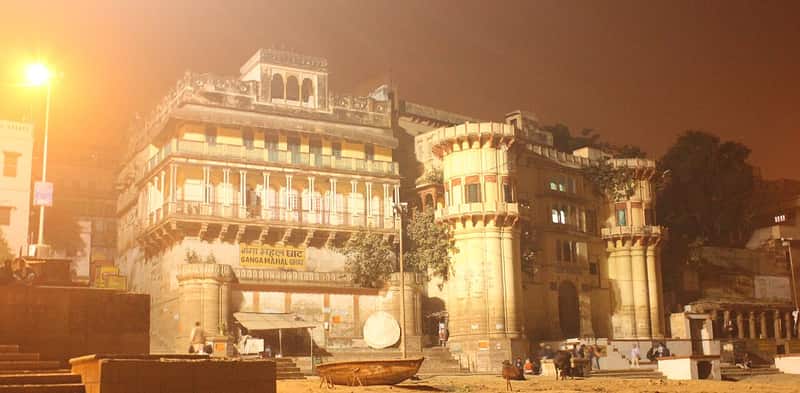
Gangamahal Ghat
Historic ghat with remnants of a royal palace
⏰ Best Time
Afternoon 3-5 PM
👁️ What to See
Palace ruins, old architecture, less tourist traffic
📸 Photo Tip
Weathered beauty and decay
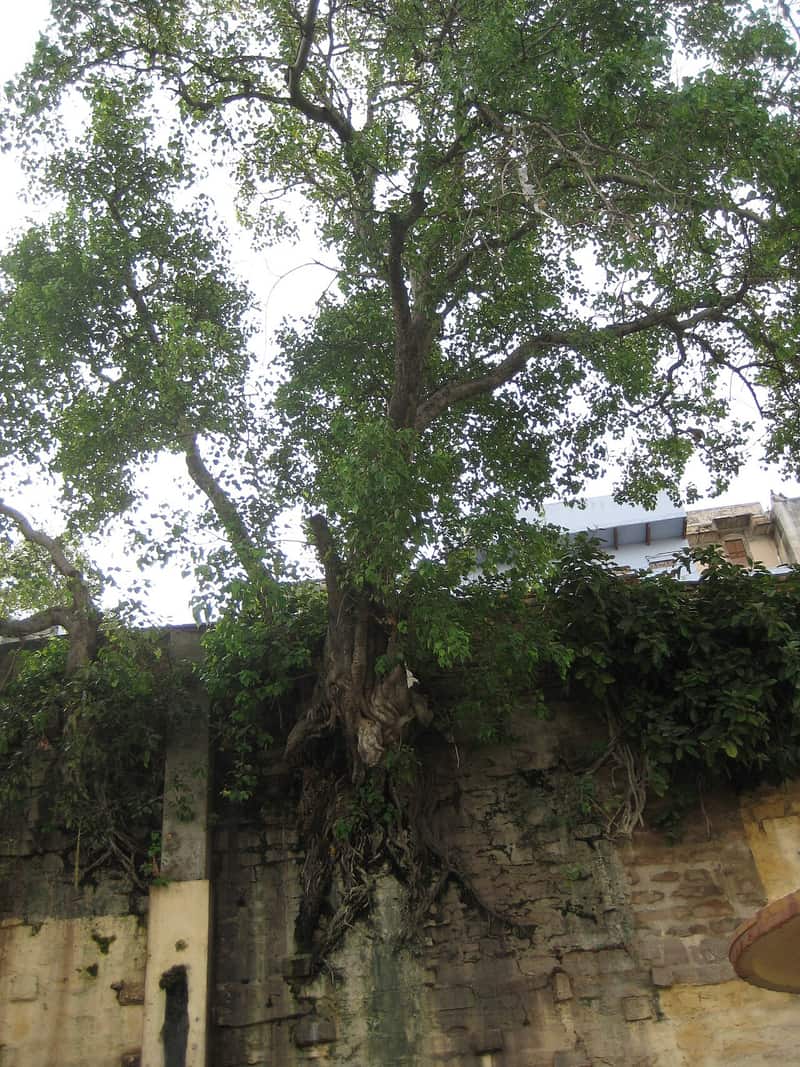
Bachraj Ghat
Quiet ghat with a large Shiva lingam
⏰ Best Time
Evening 5-6 PM
👁️ What to See
Shiva lingam, peaceful atmosphere, fewer tourists
📸 Photo Tip
Serene twilight compositions
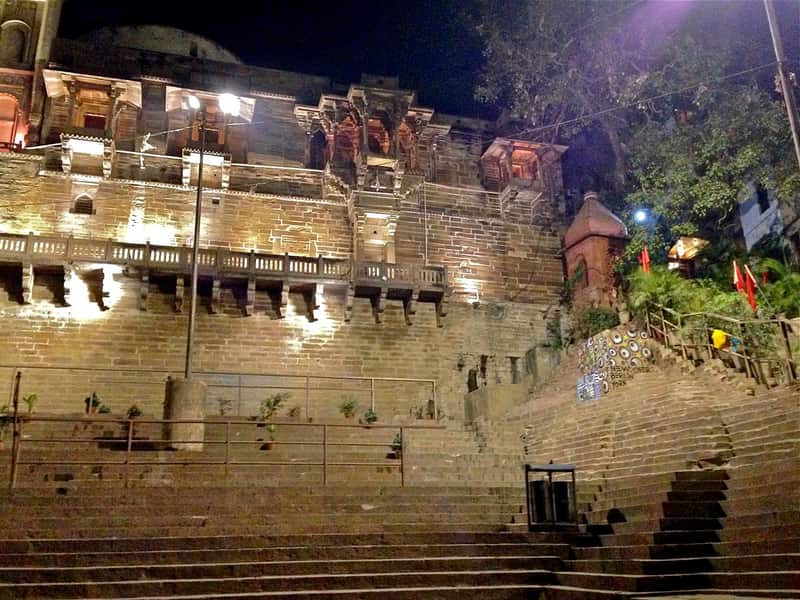
Man Mandir Ghat
Built by Man Singh, beautiful Rajput architecture and telescope observatory
⏰ Best Time
Morning 8-10 AM
👁️ What to See
Rajput palace, stone carvings, astrological observatory
📸 Photo Tip
Palace facade details
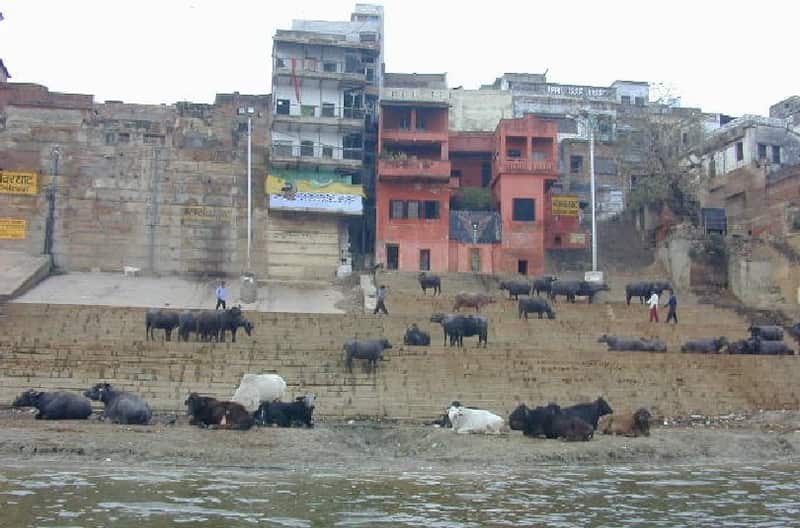
Narad Ghat
Named after sage Narad, known for Vedic chanting sessions
⏰ Best Time
Early morning
👁️ What to See
Vedic chanting, priest gatherings, morning rituals
📸 Photo Tip
Spiritual moment captures


Ghat Walk Route — South to North
The complete ghat walk covers 6 km from Assi Ghat to Raj Ghat. Here are the key segments with timings and highlights.
Assi to Tulsi
Morning yoga, Assi River mouth, Hanuman temple
Tulsi to Dashashwamedh
Most photogenic stretch, multiple temples, boat rides
Dashashwamedh to Manikarnika
Cremation grounds, ancient lanes, flower sellers
Manikarnika to Raj Ghat
Quiet stretch, local life, university campus nearby
Which Ghat for What Purpose?
🌅
Best for Sunrise
Assi Ghat (open sky view), Ahilyabai Ghat (clean marble), Kedar Ghat (red temple backdrop)
🙏
Best for Aarti
Dashashwamedh (main ceremony), Munshi Ghat (less crowded), Assi Ghat (alternative aarti)
📸
Best for Photography
Scindia (leaning temple), Darbhanga (ornate palace), Chet Singh (dramatic steps)
🧘
Best for Meditation
Chauki Ghat (quiet), Tulsi Ghat (scholarly), Bachraj Ghat (peaceful with Shiva lingam)
⛪
Best for Rituals
Panchganga (five rivers), Dashashwamedh (priest ceremonies), Kedar Ghat (puja rituals)
🚣
Best Boat Ride Stops
Board at Dashashwamedh or Assi. See Manikarnika from distance. Return at sunset for aarti view.
Boat Ride Perspective — See All Ghats from the River
The most comprehensive way to experience Varanasi's ghats is from the water. A boat ride along the Ganges provides an unobstructed panoramic view of the entire riverfront — from the colorful facades and carved temples to the daily rituals performed on the steps below. Early morning boat rides (5:30-7 AM) offer the best light and the magical sight of thousands of pilgrims performing their morning prayers.
Boat ride options: Shared boats (₹80-150 per person off-peak, ₹200-400 peak, 1-1.5 hrs) cover major ghats. Private rowboats (₹600-1,200, 1 hour) offer full route control. Motorboat shared (₹200-400/person) for faster coverage. Sunrise and sunset rides are most popular. Book through NaviX app for fixed prices or negotiate at Dashashwamedh Ghat — always fix TOTAL price before boarding.
What you'll see: The ghats reveal their true grandeur from the river. Each ghat's unique architecture, color palette, and activity becomes visible in a single sweeping view. You'll see morning bathers, priests performing abhishek (ritual pouring), flower sellers, boatmen, and the constant flow of pilgrims descending the steps — all framed against the backdrop of ancient temples and crumbling palaces.
Seasonal Ghat Conditions
Oct - Mar (Best)
Perfect weather for ghat walks. Cool mornings ideal for sunrise photography. Evenings pleasant for aarti. Peak tourist season — book boat rides early.
Apr - Jun (Hot)
Extreme heat (40-45°C). Ghats quiet midday. Visit only early morning or evening. Carry water. Stone steps can be scorching hot.
Jul - Sep (Monsoon)
Lower ghats flood and become inaccessible. Upper steps remain usable. Dramatic cloud formations for photography. Fewer tourists, peaceful atmosphere.
Ghat Safety Tips
Wear comfortable non-slip shoes — ghat steps are often wet and slippery
Start ghat walks early morning (5-7 AM) to avoid crowds and heat
Carry minimal valuables — markets near ghats can be crowded
Respect cremation ghats — maintain distance, never photograph ceremonies
Hire a licensed boat ride for a different perspective of all ghats
Carry a water bottle and stay hydrated — few shops on longer stretches
Ghat Etiquette — Respectful Visiting
Do
- • Remove shoes before stepping on ghats
- • Ask permission before photographing people
- • Dress modestly — cover shoulders and knees
- • Greet priests with "Namah Shivaya"
- • Carry a small bag for shoes and belongings
- • Visit early morning for the best atmosphere
Don't
- • Don't photograph cremation at Manikarnika
- • Don't touch or disturb people praying
- • Don't litter — use dustbins on the ghats
- • Don't accept unsolicited "puja" offers from strangers
- • Don't sit on the edge of ghats at night (slippery)
- • Don't splash water on others without permission
Ghat Positions — North to South
  RIVER GANGES  ~~~~~~~~~~~~~~~~~~~~~~~~~~~~~~~~~~~~~~~~~~~~~~~~
                    ↑ North
  ════════════════════════════════════════════════════════════
  Raj Ghat ................. ☐
  Assi Ghat ................ ☐  ← Southernmost (backpacker hub)
  Namo Ghat ................ ☐  ← Most accessible
  Manikarnika .............. ☐  ← Sacred cremation ground
  Harishchandra ............ ☐  ← Second cremation ghat
  Dashashwamedh ............ ☐  ← MAIN (evening aarti)
  Munshi Ghat .............. ☐
  Darbhanga ................. ☐
  Scindia ................... ☐  ← Leaning temple
  Panchganga ............... ☐  ← Five rivers confluence
  Chet Singh ............... ☐
  Tulsi ..................... ☐  ← Tulsidas connection
  Shivala ................... ☐
  Kedar ..................... ☐
  Man Mandir ............... ☐  ← Rajput palace
  ════════════════════════════════════════════════════════════
  ROAD SIDE  ▓▓▓▓▓▓▓▓▓▓▓▓▓▓▓▓▓▓▓▓▓▓▓▓▓▓▓▓▓▓▓▓▓▓▓▓▓▓▓▓▓▓▓
Simplified layout showing relative positions of major ghats from north (Raj Ghat) to south (Assi Ghat).
Major Ghats
Dashashwamedh Ghat
Main ghat for evening aarti. Most popular and crowded.
📍 View Details →
Assi Ghat
Southernmost ghat. Popular with backpackers. Morning yoga.
📍 View Details →
Manikarnika Ghat
Main cremation ghat. Most sacred. 24/7 burning.
📍 View Details →
Harishchandra Ghat
Second cremation ghat. Named after mythical king.
📍 View Details →
Panchganga Ghat
Where five rivers meet. Beautiful stepped architecture.
📍 View Details →
Scindia Ghat
Photogenic ghat with leaning temple.
📍 View Details →
Tulsi Ghat
Named after Tulsidas. Connected to Ramcharitmanas.
📍 View Details →
Namo Ghat
Newest ghat. Modern. Accessible for disabled.
📍 View Details →
All 91 Ghats
Assi Ghat
major
Ganga Mahal Ghat (I)
major
Rewa Ghat
historic
Tulsi Ghat
historic
Bhadaini Ghat
minor
Janaki Ghat
minor
Mata Anandamayee Ghat
historic
Vaccharaja Ghat
minor
Jain Ghat
minor
Nishadraj Ghat
minor
Prabhu Ghat
minor
Panchkota Ghat
historic
Chet Singh Ghat
historic
Niranjani Ghat
minor
Mahanirvani Ghat
minor
Shivala Ghat
historic
Gularia Ghat
minor
Dandi Ghat
minor
Hanuman Ghat
historic
Prachin Hanuman Ghat
minor
Karnataka Ghat
historic
Harishchandra Ghat
cremation
Lali Ghat
minor
Vijayanagaram Ghat
historic
Kedar Ghat
major
Chowki Ghat
minor
Kshemeshwar Ghat
minor
Mansarovar Ghat
minor
Narad Ghat
minor
Raja Ghat
historic
Khori Ghat
minor
Pandey Ghat
minor
Sarveshwar Ghat
minor
Digpatia Ghat
historic
Chausatti Ghat
historic
Rana Mahal Ghat
historic
Darbhanga Ghat
major
Munshi Ghat
historic
Ahilyabai Ghat
historic
Shitala Ghat
minor
Dashashwamedh Ghat
major
Prayag Ghat
minor
Rajendra Prasad Ghat
major
Man Mandir Ghat
historic
Tripura Bhairavi Ghat
minor
Mir Ghat
minor
Yajneshwar Ghat
minor
Nepali Ghat
minor
Lalita Ghat
major
Bauli Ghat
minor
Jalasen Ghat
minor
Kshiriki Ghat
minor
Manikarnika Ghat
cremation
Bajirao Ghat
historic
Scindia Ghat
historic
Sankata Ghat
minor
Ganga Mahal Ghat (II)
minor
Bhonsale Ghat
historic
Naya Ghat
minor
Ganesh Ghat
minor
Mehta Ghat
minor
Rama Ghat
minor
Jatara Ghat
minor
Raja Gwalior Ghat
historic
Mangala Gauri Ghat
historic
Venimadhav Ghat
historic
Panchganga Ghat
historic
Durga Ghat
minor
Brahma Ghat
minor
Bundi Parakota Ghat
minor
Adi Shitla Ghat
minor
Lal Ghat
minor
Hanumanagarh Ghat
minor
Gai Ghat
minor
Badri Narayan Ghat
minor
Trilochan Ghat
historic
Gola Ghat
minor
Nand Ghat
minor
Sakka Ghat
minor
Telianala Ghat
minor
Naya (Phuta) Ghat
minor
Prahlad Ghat
minor
Raja (Bhaisasur) Ghat
major
Adi Keshava Ghat
historic
Sant Ravidas Ghat
historic
Nishad Ghat
minor
Bhainsasur Ghat
cremation
Rani Ghat
minor
Shri Panch Agni Akhara Ghat
minor
Tathagat (Buddha) Ghat
historic
Namo Ghat
modern
Frequently Asked Questions
How many ghats are there in Varanasi?
Which is the most famous ghat?
Can I walk along all ghats?
Which ghats should I not miss?
Are all ghats accessible?
What is the best time for a ghat walk?
How long does a boat ride take to see all ghats?

Navigate All 90 Ghats Like a Local
Interactive maps, boat ride tips, and insider guides in the NaviX app.
Download the App