

Telianala Ghat
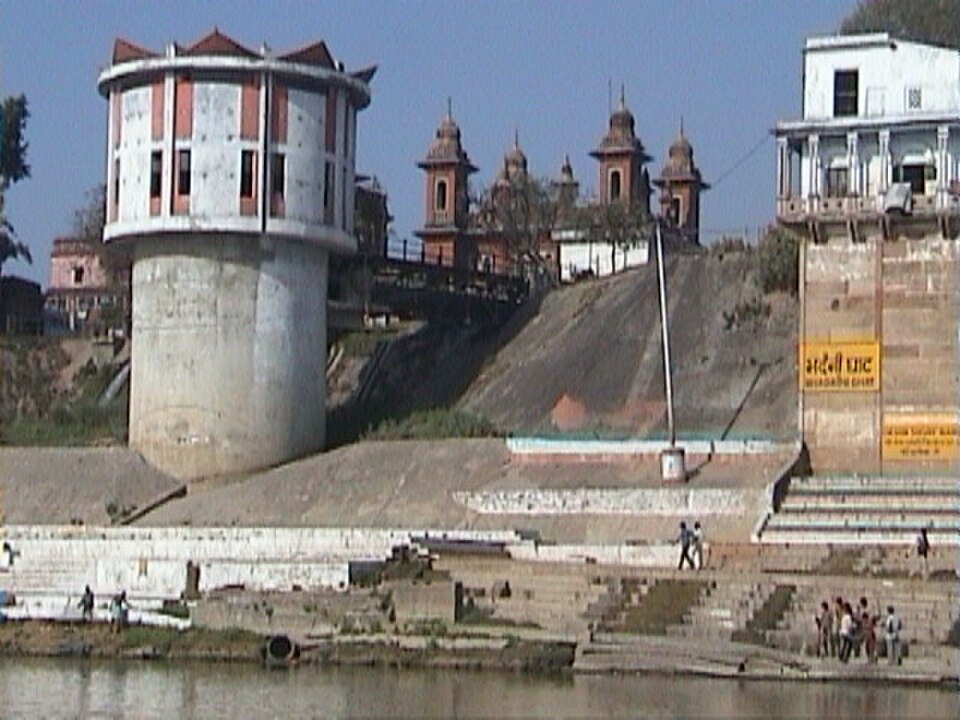
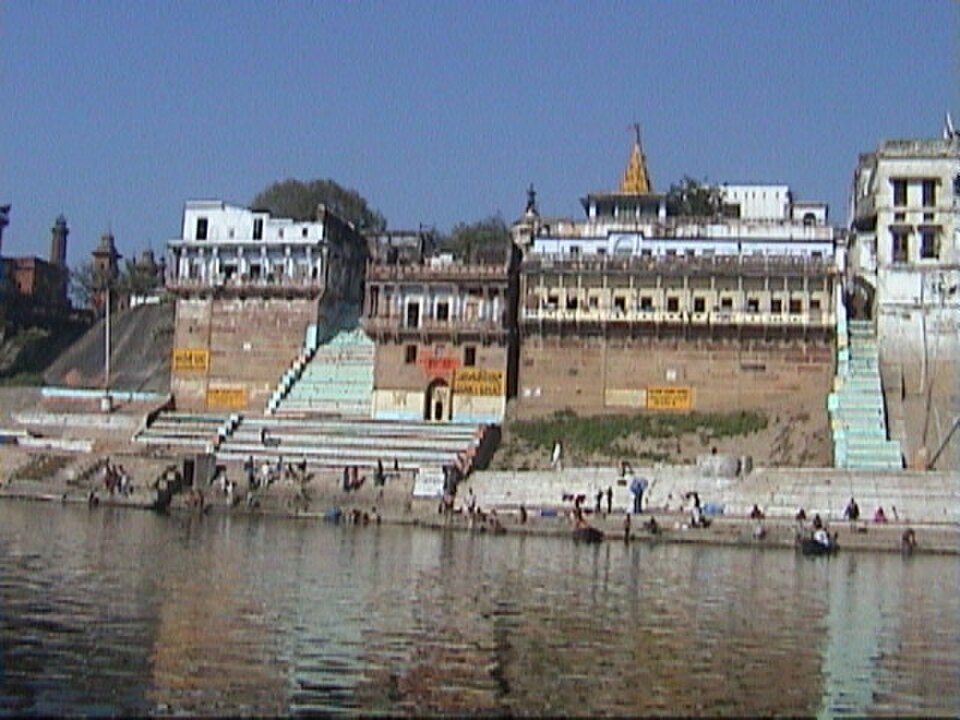
Neighbourhood GhatTelianala Ghat is a small ordinary ghat.


Type
Neighbourhood Ghat
Boat Fare
1x base fare
Best Time
6-9 AM
History
This ghat is near Telianala. In olden times, the oil (tel) lanes were here, which gave the area its name.
Highlights
- Memory of the old oil lanes
- Local ghat of northern Kashi
- Peaceful bathing site
Festivals & Events
How pricing works in the NaviX app
No haggling at the ghat — everything is fixed in the app first
- 1
Fixed price before you board
The fare is shown in the app upfront — no bargaining at the ghat
- 2
Sharing or private — your choice
Share with fellow travelers or take the whole boat for your group
- 3
Pay only after the ride
UPI, card or cash — with an instant receipt
🕉️
Aarti details not available for this ghat yet
Complete Guide
Telianala Ghat — The Complete Guide
History, mythology, rites and practical details — everything in depth.
On this page
- 1.Telianala Ghat: An Introduction
- 2.The Name: Teli and Nala
- 3.A History Written in Water
- 4.The Cleansing and Renewal
- 5.Morning Bathing at the Ghat
- 6.The Everyday Life of the Ghat
- 7.The River and Its Moods
- 8.The Lanes and Mohalla Behind
- 9.Nand Ghat and the Neighbouring Ghats
- 10.Everyday Devotion
- 11.Conduct and Etiquette
- 12.Practical Information
📅 Updated: 21 Aug 2026 · Author: NaviX Field Team (field research 2024-26) · 12 sections · 12 photos
Telianala Ghat: An Introduction
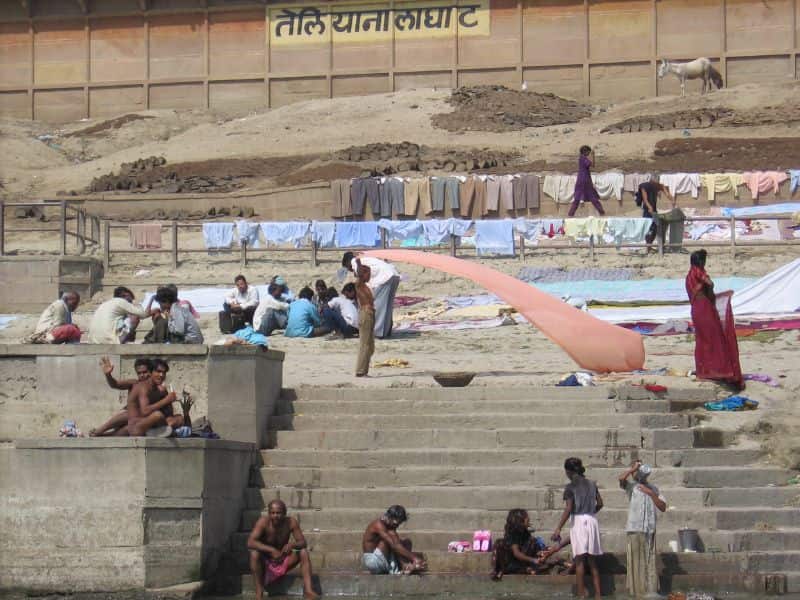
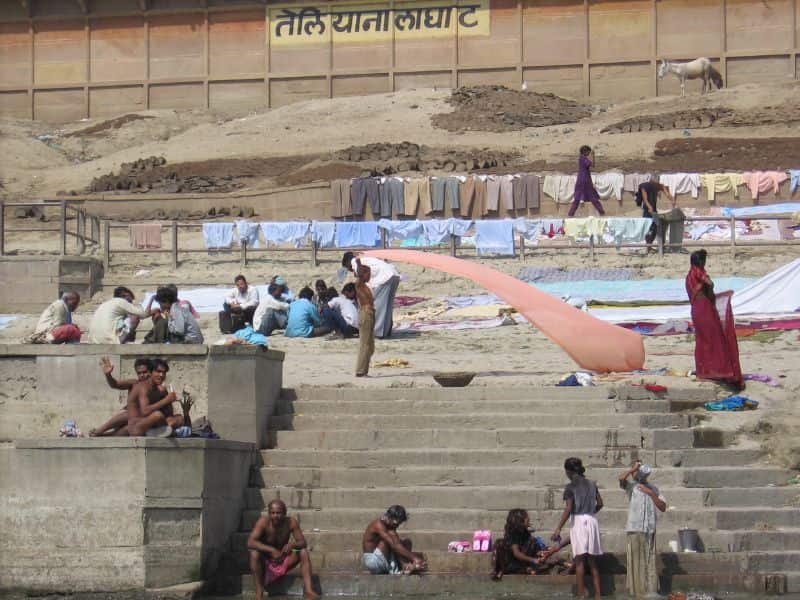
Telianala Ghat is one of the smaller and quieter bathing places on the northern riverfront of Varanasi. It sits in a long chain of modest ghats that run north of the crowded city centre, between Nand Ghat and the stretch that leads toward Panchganga. No grand palace towers over it, no famous temple draws crowds to its steps. Instead, the ghat offers something rarer in this ancient city: a patch of riverfront where life moves at the pace of the water itself, unhurried and unscripted. Its name, which translates roughly as the drain of the oil pressers, is a reminder that this was once a working waterfront, shaped by trades rather than by kings. Bathers come and go through the morning, boatmen mend their ropes, women beat clothes on the washing stones, and the river slides past brown and broad and utterly indifferent to the small dramas on its bank.
For centuries a drain carried the waste of oil presses into the river at this point, and the name stuck even after the presses disappeared. In living memory the ghat was a place people hurried past rather than lingered upon, its steps blackened and its water shunned. Then came the cleansing. Local families, shopkeepers, workers and volunteers joined hands to cover the drain, rebuild the steps and restore the waterline. Today the ghat welcomes bathers, boatmen, laundresses and children, and the river at its feet runs clear enough for everyday use. It is a small story of renewal, repeated quietly across the northern ghats, and it gives this unremarkable landing a remarkable dignity: the dignity of a place that was dirty and is clean again, that was lost and has been found by the people who live beside it.
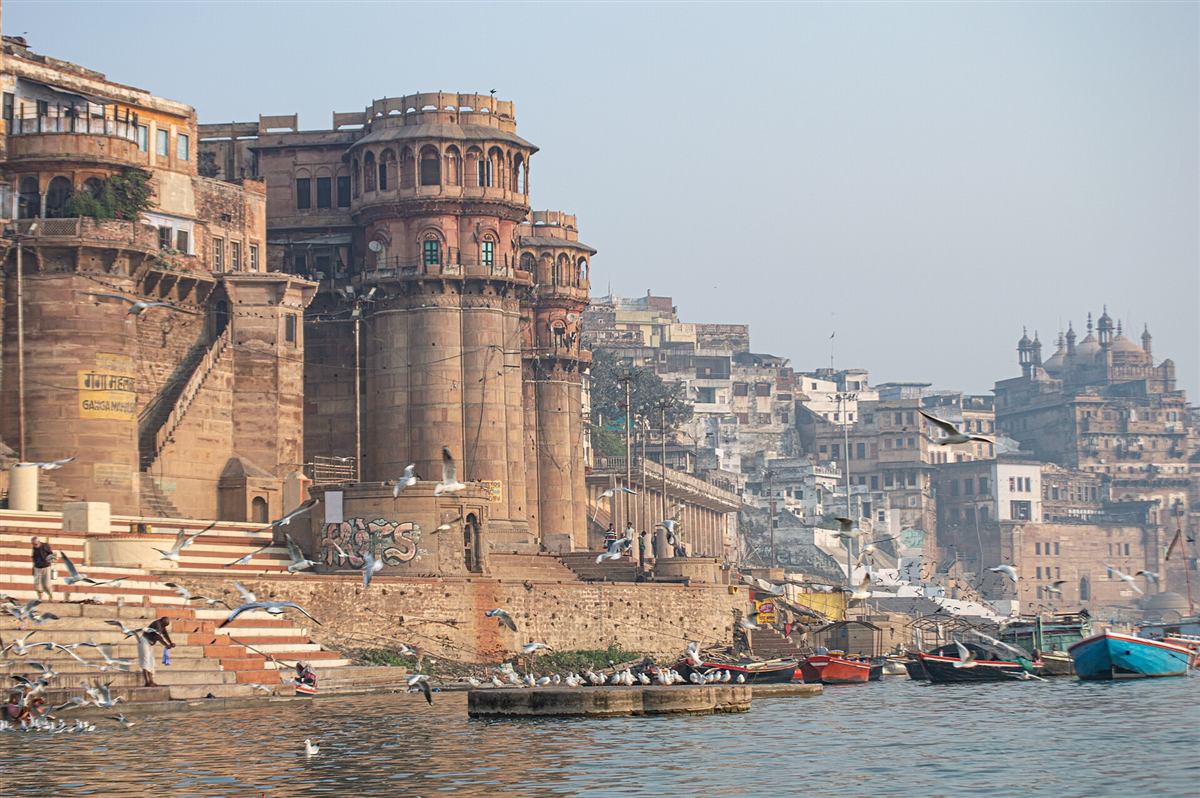
Visitors who take the trouble to walk this far north are rewarded with a different Varanasi from the one in the guidebooks. The ghat has no light-and-sound show, no rows of souvenir stalls, no touts. What it has is honest texture: weathered stone, mooring ropes, coracles drying in the sun, the slap of wet clothes on washing stones, and the unhurried murmur of men and women at their morning rituals. For the traveller who wants to understand how the city actually lives beside its holy river, Telianala Ghat is a quiet classroom. This guide offers its story, its habits and its practical details, in the hope that those who come will leave the ghat exactly as they found it: clean, calm and full of life.
The Name: Teli and Nala
Every ghat in Varanasi carries a name that is a small history in itself, and Telianala is no exception. The word teli refers to the oil pressers, the men who for centuries pressed oil from mustard and sesame seeds using the heavy wooden ghani. The word nala means a drain or watercourse. Put the two together and you have a place name that says exactly what once stood here: the drain of the oil pressers. It is a working name, plain-spoken and practical, utterly different from the royal and mythical names that adorn the great ghats further south. Where other ghats commemorate kings, gods and dynasties, Telianala commemorates a trade, and therein lies its particular honesty.
In the old economy of the city, oil presses were everywhere. Mustard oil was not only cooking fat but also lamp fuel, hair oil and medicine, and pressing it was a household craft carried out in courtyards and shops throughout the mohallas. The waste of the trade, the crushed seed cakes and the greasy washings, had to go somewhere, and in the crowded lanes the drain was the simplest answer. Over time the sediment of oil, ash and household refuse built up at the river's edge, staining the water and the steps with a dark film. The ghat thus took its character from its sewage before it ever took it from its shrines, and the name records that awkward beginning faithfully.
Place names of this kind are stubborn. Even after the presses closed, even after the drain was cleaned and covered, the old name remained, fixed on maps and in the memory of the city. Similar names appear across India, wherever oil pressers settled, and they remind us that ordinary trade shaped these towns as much as temples and kings did. To say the name Telianala today is to speak a line of social history: an industry, a drain, a stain on the river, and finally a cleansing that gave the name a new, quieter meaning. The name no longer describes a nuisance; it describes a triumph of persistence, of people who refused to let their river remain a sewer.
A History Written in Water
The history of Telianala Ghat is essentially the history of its drain. For much of the nineteenth and twentieth centuries this stretch of the riverfront was an unlovely place. An open masonry drain, fed by the lanes behind, carried oil wastes, household water and filth directly into the Ganga. The greasy outflow left a slick on the water, and the steps below the outfall were perpetually black and slippery. Pilgrims who could bathe at Panchganga or Dashashwamedh had little reason to stop here, and the ghat became a place of boatsheds, rubbish and neglect rather than worship. The river that received the city's refuse still flowed, still moved, but at this point it was used more as a sewer than as a shrine.
The old gazetteers and travellers' accounts of the colonial period describe the northern ghats as rough and broken, their steps tumbling into the river, and Telianala was among the worst of them. Yet the city could not ignore the damage being done to its holy river. From the late twentieth century onward, municipal authorities, religious trusts and citizen groups began to treat the drain as a problem to be solved rather than a fact to be accepted. Piped sewers slowly replaced open channels, and the outfall was moved and enclosed. It was slow, unglamorous work, the sort that never appears in guidebooks, but it changed the ghat more than any monument could have done.
The real turning point came with the great cleanliness campaigns of recent decades, which swept through Varanasi with a new urgency. Volunteers and students cleaned the ghat, carted away decades of accumulated silt and refuse, and rebuilt the washed-out steps. What had been a drain mouth became a bathing place again, and bathers returned to water that no longer carried the signs of the oil presses. The history of the ghat is thus written in water: first a stain, then a clearing, and now a calm. It is a history that can be read in a single look at the clean stones and the clear water, and it belongs not to kings but to the people of the mohalla.
The Cleansing and Renewal
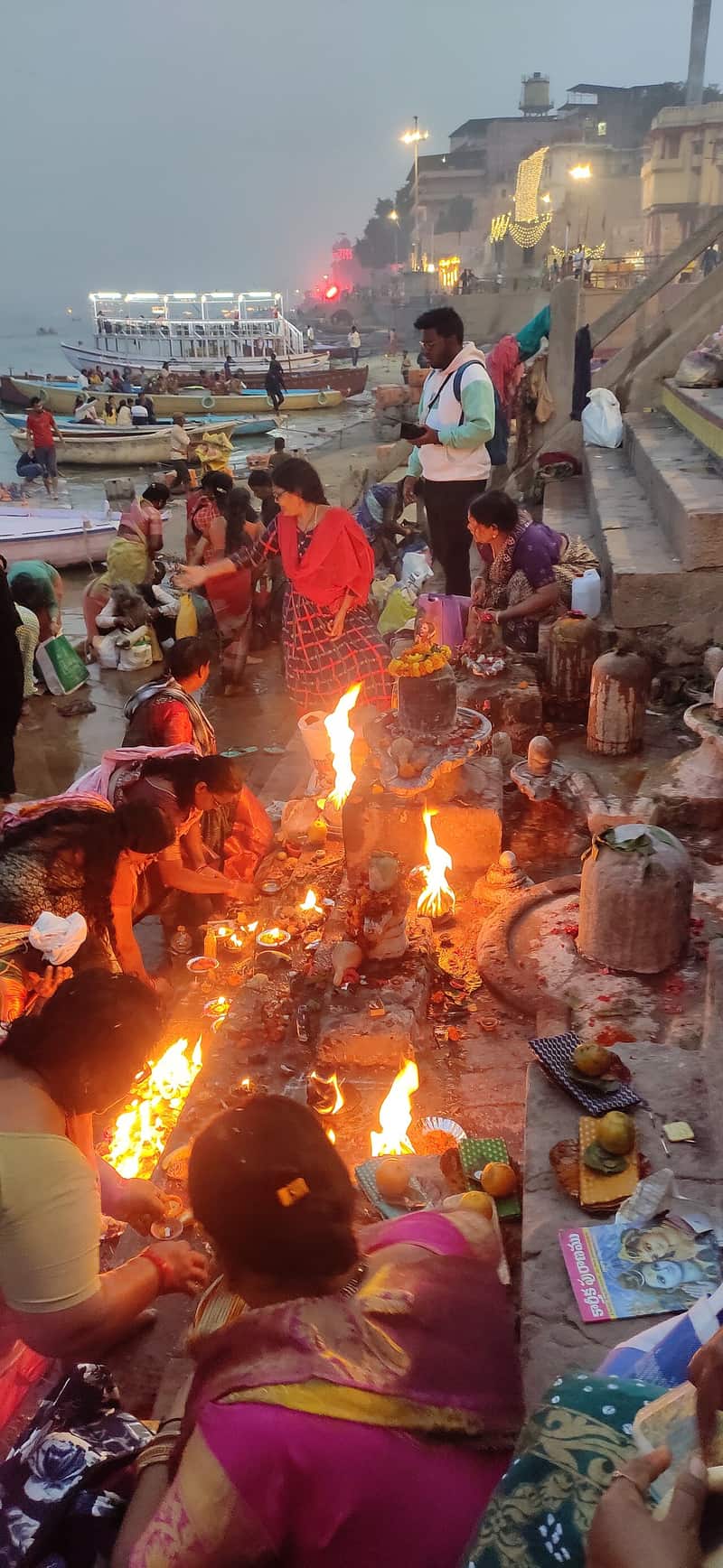
The renewal of Telianala Ghat is a story of patient community effort rather than grand government projects. At the centre of it stand the families who live in the lanes behind the ghat. Generation after generation, they saw the river as both a neighbour and a victim, and they began to act as the river's guardians. Local ghat committees organised cleaning days, bought brushes and baskets, and swept the steps before the first bather arrived. Shopkeepers who sold puja supplies contributed money for repairs, and the oil that once blackened the stones began to be seen as history rather than habit. It was an act of collective self-respect, performed with the same regularity as the morning bath.
Students and volunteers added their weight to the effort. College groups from the city and beyond came on weekends to scrub the waterline, remove plastic and plant saplings along the edges. The great national campaigns for a clean Ganga, with their loud promises and heavy machinery, found a quieter counterpart here in hand-scrubbed stone and hauled-away rubbish. The municipal drain at the heart of the old problem was covered and routed to a sewage system, and the riverfront was graded into proper steps. None of this made headlines, and none of it needed to: the ghat's people were not waiting for permission to love their own river.
The results are visible in small things. The water at the ghat is clear enough that bathers scoop it for their morning offerings. Children play on steps that once would have cut their feet. The old men who sit on the wall at evening remember the stench of the drain and marvel at what has changed. Renewal, in this telling, is not a one-time event but a daily choice, renewed each morning with a broom, a bucket and a willing hand. Telianala Ghat is living proof that a place can be restored by the very people who once looked away from it, and that the holiest river in India is kept holy, in the end, not by governments but by the ordinary hands that bathe in it.
Morning Bathing at the Ghat
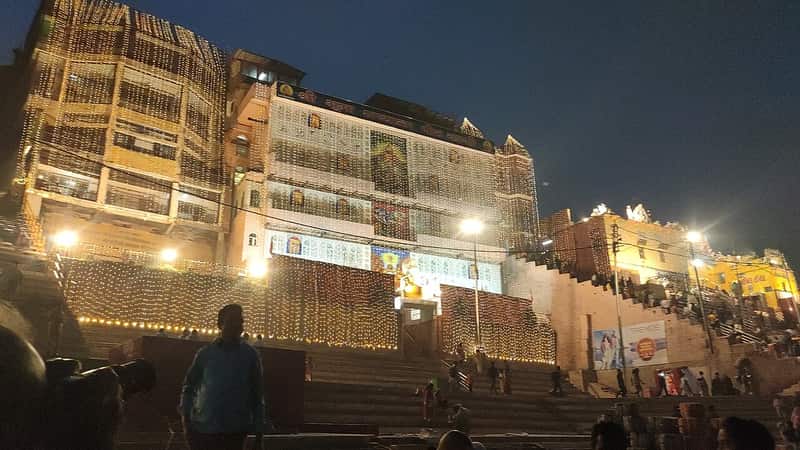
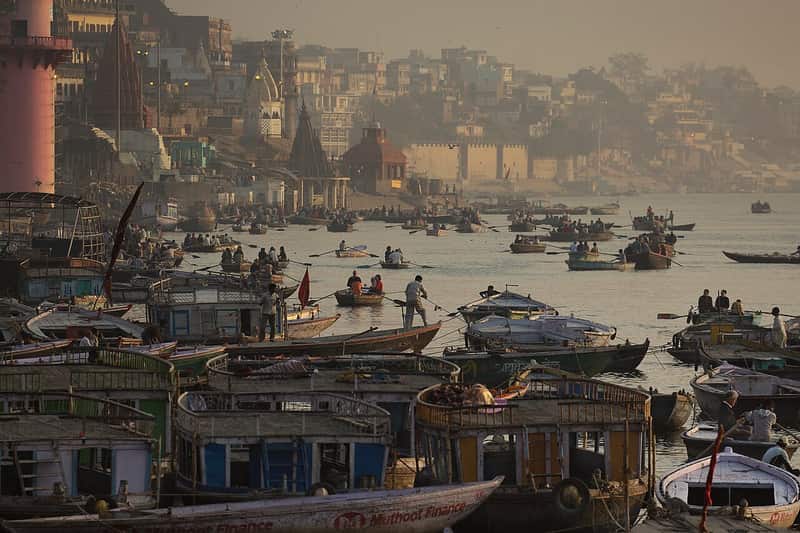
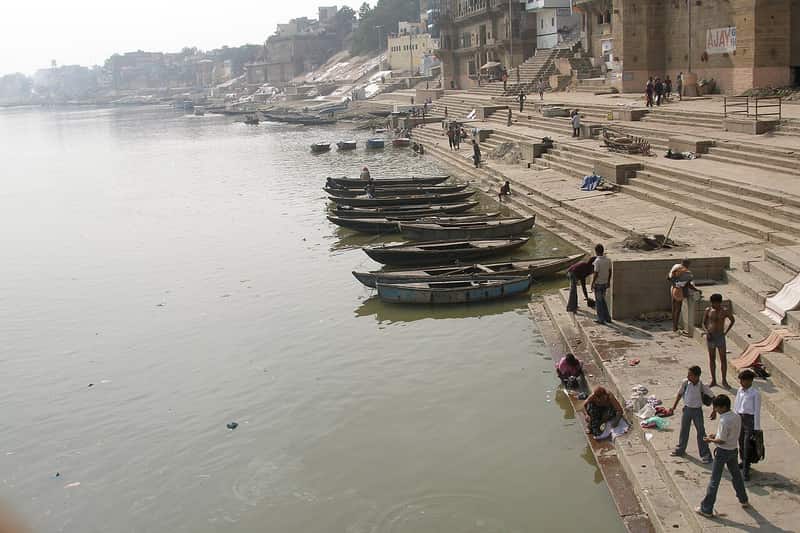
Dawn at Telianala Ghat comes quietly. The sky above the eastern bank turns from grey to rose, and long before the sun clears the far trees, the first bathers are already in the water. They come down the steps in ones and twos, men in cotton dhotis, women in saris, each carrying a small brass pot and maybe a garland of marigolds. The water is cold and brown and moving, and the bathers enter it with the murmur of a prayer, ducking once, twice, three times, letting the river wash away the night. It is not a spectacle performed for anyone; it is the oldest daily habit of the city, repeated at this ghat as it has been for generations.
There is no great ceremony here, no chanting crowds, no priests calling out instructions. The worship is private and unshowy. A man faces the rising sun, scoops water in his cupped hands and offers it upward with the sacred names. A woman floats a marigold on the current and watches it carry her intention downstream. Some bathers stay long, standing chest-deep and motionless; others rinse and climb out shivering, rubbing their arms as their teeth chatter. In between there is talk, laughter and the splash of children who treat the river as a playground. The morning bath at this ghat is a conversation between the person and the river, conducted in full view of everyone and overheard by no one.
By the time the sun climbs over the rooftops of the eastern bank, the ghat settles into its daytime mood. Wet clothes are wrung out and hung over the stone railings, hair is oiled and braided, and the last bathers sit on the steps drying in the strengthening warmth. The river here is not a spectacle to be watched but a partner to be used, and the morning bath is the day's first honest transaction with it. For the visitor standing above on the top step, the scene is a living lesson in how faith, water and routine fold into one another at the edge of the Ganga, and why this city, alone among the cities of the plain, has never learned to live anywhere else but on the river's lap.
The Everyday Life of the Ghat
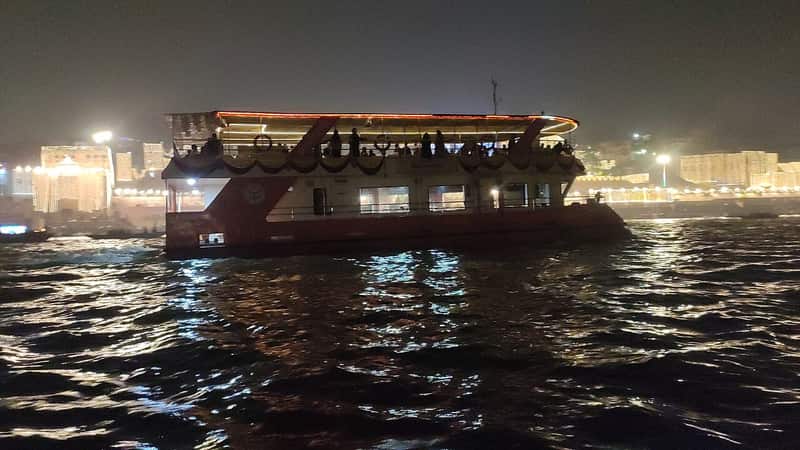
Beyond the bathers, Telianala Ghat hums with the ordinary work of a riverside neighbourhood. Boatmen are the most constant presence. They arrive early to check their moorings, bail out rainwater and oil the hulls of their wooden boats before the first ferryman's call. Some of them pole passengers across to the far bank; others run the short trips that take sightseers down past the great ghats. At midday, with no pilgrims to carry, they stretch out in the shade of a boat and sleep, one arm thrown over their face against the flies. Their work is old, their wages are modest, and their knowledge of the river's moods is exact and unlearned from any book.
The washing stones see almost as much use as the boats. Women from the mohalla kneel at the water's edge, beating clothes against the stone slabs with a rhythm that carries across the ghat, while lengths of bright cotton dry on the railings and the bushes. Near the top of the steps, small trades set up their daily stalls: a barber with his brass basin, a woman selling marigolds and incense, a boy with a basket of green mangoes. Tea comes from a stall on the lane above, poured into small glasses and drunk standing. Nothing here is arranged for visitors, and nothing needs to be: the ghat runs on its own economy of service, small change and goodwill.
Old men claim the same spot on the wall every evening, watching the ferries cross and the light go down, trading the day's news in the unhurried dialect of the neighbourhood. Children run errands, fly kites from the roof and dive from boats into the river with shouts that echo off the old houses. The ghat, in other words, is a living room for the whole mohalla, as much social space as sacred one. Its days have a steady rhythm, and visitors who linger here are offered a rare, unvarnished look at the riverfront as a place of work and rest, not just of prayer. This is the true face of the northern ghats, and it rewards patience more generously than any other sight in the city.
The River and Its Moods
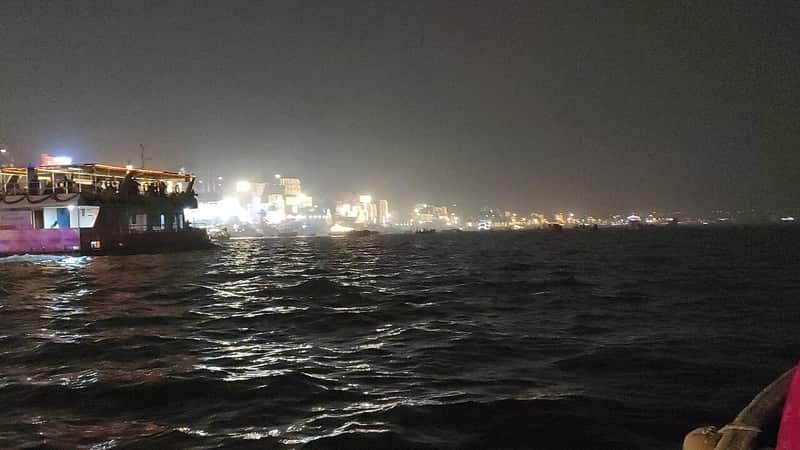
The Ganga at Telianala is broad and slow-moving, a wide brown sheet of water that seems to have all the time in the world. In the dry season, from late autumn to early summer, sandbanks appear in the middle of the stream, and herons stand in the shallows like patient clerks. The ghat steps end then in a long muddy shelf where the water laps far below, and bathers walk out across the sand to find the current. The river that so many poems describe as eternal is here revealed as seasonal, shrinking and swelling with the turning of the year, and the ghat adjusts its whole life to that rhythm of rise and fall.
Monsoon transforms it utterly. The river swells, muddies and rushes northward with a force that makes the boatmen shake their heads. Steps that stood dry in April are lost underwater by August, and the water climbs toward the lower lanes of the mohalla. The ghat committee's people move the shrine lamps higher and higher up the steps, a quiet annual ritual of retreat. It is a time of danger and awe, and locals watch the level with the practised eye of farmers watching the sky. The river that was a partner in the morning becomes a power in the afternoon, and everyone at the ghat treats it accordingly, with respect and a little fear.
Between the two extremes the river keeps a middle mood: green-grey in the winter mornings, golden at sunset, ink-blue under the stars when the last ferry is hauled up. Those who live beside it learn to read it the way others read a face. The line of scum on the stones shows where the flood reached; the ripple patterns show where the current has carved new channels; the birds gathering over the water signal the coming weather. The river at Telianala is no decoration. It is the oldest resident of the ghat, and everything else, steps, people, prayers, has arranged itself around its moods. To sit here through a single day is to watch the city's heart beat in the water.
The Lanes and Mohalla Behind
Behind Telianala Ghat rises the mohalla that carries the same name, a dense warren of lanes where the city's old life continues much as it has for centuries. The houses crowd together, their facades painted in blues and ochres, their upper floors leaning toward each other across the narrow alleyways. Doorways open directly onto the lane, and through them come the sounds of cooking, the churn of a mixer, the chatter of women at the inner courtyard, the cry of a baby. Some houses are old merchant mansions, their carved balconies and faded murals telling of wealth that has since moved on. The lanes are too narrow for cars and just wide enough for a bicycle, a cow and two neighbours arguing amicably.
Every few steps there is a shrine. A small temple of Hanuman painted red, a black stone Shivalinga under a peepal tree, a garlanded photo of a family goddess set into a wall. In the mornings the lanes smell of incense, wet cement and frying food, and the shopkeepers sweep the front of their stalls as they always have. The trades are the city's ordinary ones: grain and spices, brassware, saris, sweets, betel leaf, bicycle repair. Telianala is not a tourist quarter, and that is its charm. No one here is performing the old city for money; they are simply living in it, and the visitor who walks these lanes with open eyes is given the rare gift of an unposed portrait of Banaras.
The mohalla and the ghat exist in one continuous tissue. The families who sweep the steps in the morning live in the lanes above, and the boats that bob at the ghat belong to men who have handed the business down through generations. On festival days, especially the great Ganga festivals, the lanes empty and the whole neighbourhood pours down to the water, and for a few hours the ghat becomes the heart of the mohalla. To walk from the lane into the river light is to move between two rooms of the same house, and the traveller who understands this begins to understand the city itself: a place where worship and washing, commerce and prayer, are not separate worlds but one continuous way of life.

Nand Ghat and the Neighbouring Ghats
Telianala Ghat sits in the middle of a chain of small, workaday ghats on the northern riverfront, and its nearest neighbour is Nand Ghat, just a short walk away along the water's edge. Nand Ghat, named for the cowherd family of Krishna lore, is another modest landing with its own boats, its own washing stones and its own small shrines. The two ghats are so alike that visitors often cannot tell where one ends and the other begins, which is precisely how the old riverfront was built: one step and one landing laid beside another, each serving its own mohalla, each with its own name and its own story.
Walking south from Telianala along the ghat path, the chain thickens and the city's great ceremonial ghats begin to appear. Panchganga, with its five rivers of legend and its skyline of temple towers, lies within easy reach, and beyond it the long, loud march of ghats leads past Manikarnika and Dashashwamedh to the southern reaches of the city. Walking north instead, the ghats become rarer and wilder, the buildings give way to trees and fields, and the path leads toward Rajghat, where the ruins of the oldest city lie under the earth. In both directions the river itself is the true highway, and boats move along it like traffic in a watery street.
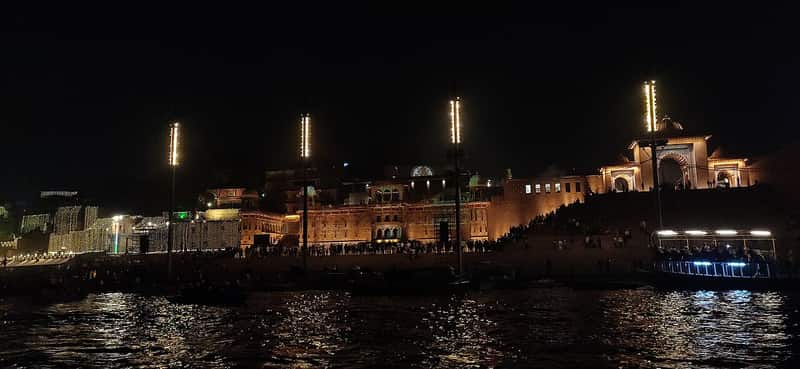
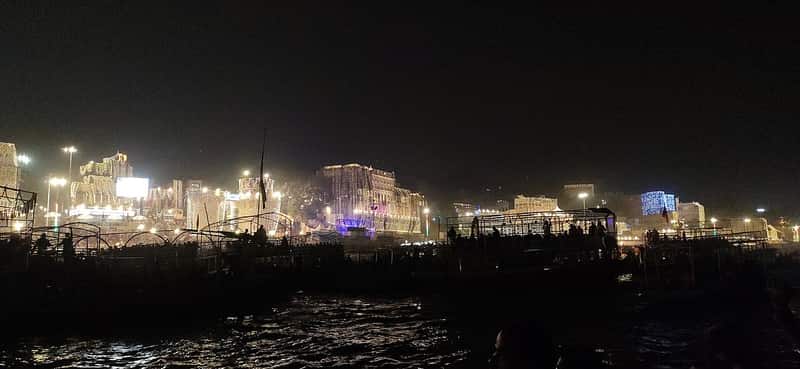
For a visitor, this placement is a gift. Telianala offers the quiet that the southern ghats have lost, and the southern ghats offer the spectacle that Telianala never had. A boat can be hired at Nand Ghat or Telianala itself for a slow drift past Panchganga at sunrise, when the temples and palaces rise out of the mist like an old painting. Return in the evening and the chain of ghats is strung with lights, and the river carries the music of the aarti toward you on the breeze. The small ghat is the perfect base for exploring the whole northern waterfront, and its stillness makes every excursion from it feel like a departure from home.
Everyday Devotion
The devotion practised at Telianala Ghat is the everyday kind, without festival lights or television coverage. At the top of the steps stands a small shrine, garlanded each morning, where bathers touch their foreheads to the stone before entering the water. Men and women who cannot travel to the great temples of the city bring their faith here instead, because the river itself is the greatest temple of all. The Ganga, they will tell you, does not ask who you are. It washes anyone who comes with faith, and in that washing all the ranks and rules of the street are dissolved. This is the deepest theology of the ghat, spoken not in sermons but in the ordinary gesture of a hand raised in greeting to the water.
The rites are old and simple. Water is scooped and offered to the sun with a turn of the wrist and a whispered name. A leaf boat is set on the current, carrying a marigold, a coin, a betel nut and a wish. On the eleventh day of the fortnight, and on the days of the great river festivals, the ghat fills with families performing rituals for the ancestors, while the boatmen and the tea sellers do a brisk trade. Faith here is not theatrical. It is folded into the gestures of daily life, as natural as the bath itself, and it asks nothing of the passer-by except the respect that any act of worship deserves.
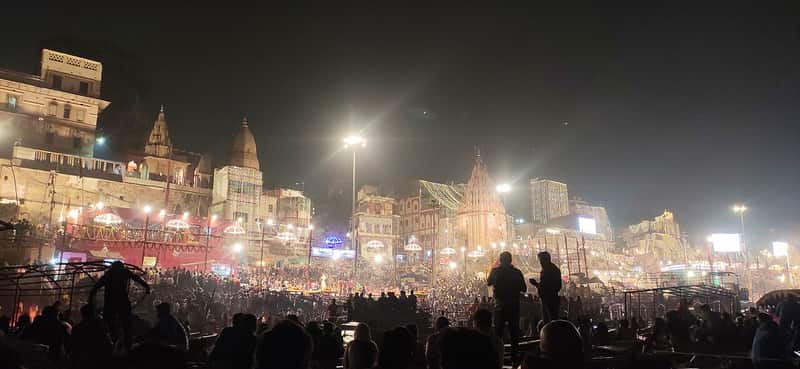
There is also the quieter devotion of gratitude. Old men who have bathed at the same step for sixty years will tell you the river has kept them alive. Mothers bring newborn children for their first touch of the water. The lamps that are floated on small wooden trays after sunset carry prayers for the dead and for the living in equal measure. To stand at Telianala as the evening lamp is lit is to see a whole city's piety distilled to a single flame, drifting south on a current that has carried such lights for thousands of years. In that flame the whole history of the ghat, the drain, the filth, the cleansing, the faith, burns down to its essential meaning.
Conduct and Etiquette
Visiting Telianala Ghat is easy; being a good guest is only slightly harder. The first rule is respect for the bathers. People at their morning ablutions are engaged in acts of worship, and a camera raised in their direction without permission is an intrusion. If you want a photograph, ask first with a smile and a namaste; more often than not, you will be welcomed, but the asking is itself the sign of courtesy. Modest dress is the sensible norm, and for anyone who wishes to bathe, a loose cotton garment is both comfortable and respectful. Bathing here is done without shyness and without display, and the visitor should match that simple, matter-of-fact dignity.
The second rule is care for the place itself. The ghat has been cleansed by years of community effort, and the greatest compliment a visitor can pay is to leave it no dirtier than they found it. Take your plastic bottles and wrappers away with you, or use the bins at the top of the steps. Offerings of flowers are welcome, but plastic-wrapped ones are not; if you buy puja material, choose the leaf-wrapped and the natural. And when you meet the people who sweep the steps, the boatmen and the stallholders, a little Hindi goes a very long way. A few words learned before you come will open doors that money cannot open, because they are the language of respect, not of commerce.
Finally, remember where you are. This is not a monument for viewing but a living riverfront, used every day for birth and death, for laundry and for worship. Do not block the steps where people are bathing, do not intrude on private ceremonies, and do not treat the river as a trash can, however tempting the habit may be at home. Sacred places return the treatment they receive. Bathers, boatmen and shopkeepers alike will remember the visitor who moved through their ghat with humility, and they will open their small world to him or her in return. The ghat has been restored once by the hands of its people; let the visitor not be the one who begins to undo that work.
Practical Information
Reaching Telianala Ghat takes a little effort and a little patience, which is exactly what the ghat rewards. The simplest approach is to walk north from Panchganga Ghat along the riverfront path, a pleasant stroll of about fifteen minutes past a succession of small ghats. From the city centre, an auto-rickshaw can bring you through the narrow lanes to within a few minutes of the ghat; ask the driver to stop near Nand Ghat and walk the last short stretch. Many visitors arrive by boat, hiring a wooden craft at Dashashwamedh for a sunrise trip that lands them directly at the ghat steps. Whichever way you come, the approach itself is part of the pleasure, and the ghat appears gradually rather than all at once.
The best time is early morning, from about six to eight in winter, when the bathing is at its fullest and the light is at its most beautiful. Between October and March the weather is mild and the water low and clear; the monsoon months from June to September should be avoided, as the river floods and the steps vanish beneath the water. Carry nothing you cannot afford to lose, wear shoes you can slip off, and keep a small towel and a change of clothes if you plan to bathe. There is little shade at midday, so the morning is both the most pleasant and the most authentic hour. A winter morning here is the image of the ghat that stays with travellers longest.
Around the ghat you will find the essentials of a simple visit: tea and snacks from the stalls at the top of the steps, a pujari who can prepare offerings, and boatmen who will take you onward to Nand Ghat, Panchganga or beyond. On the far side of the river there is a long sandbank, reachable by coracle, from which the whole chain of ghats can be seen against the skyline. From Telianala, the whole northern riverfront is within walking or boating distance, and the grand ghats of the south are a short ride downriver. Come once, and you will understand why the people of this mohalla call the ghat their own, and why they keep it so carefully clean.
Telianala Ghat — Gallery (12 Photos)
Image Credits
telianala-01.jpg · telianala-02.jpg · telianala-03.jpg · telianala-04.jpg · telianala-05.jpg · telianala-06.jpg · telianala-07.jpg · telianala-08.jpg · telianala-09.jpg · telianala-10.jpg · telianala-11.jpg · telianala-12.jpg — Wikimedia Commons, under free licenses.
Continue exploring
Similar Ghats Nearby
Book This Ghat — Get Notified
Download the app now and book a boat ride to Telianala Ghat