

Bhadaini Ghat
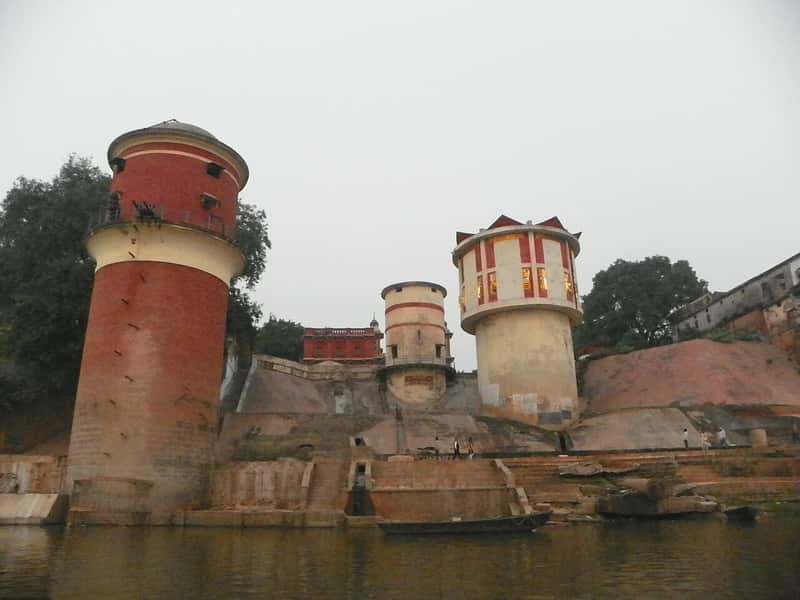
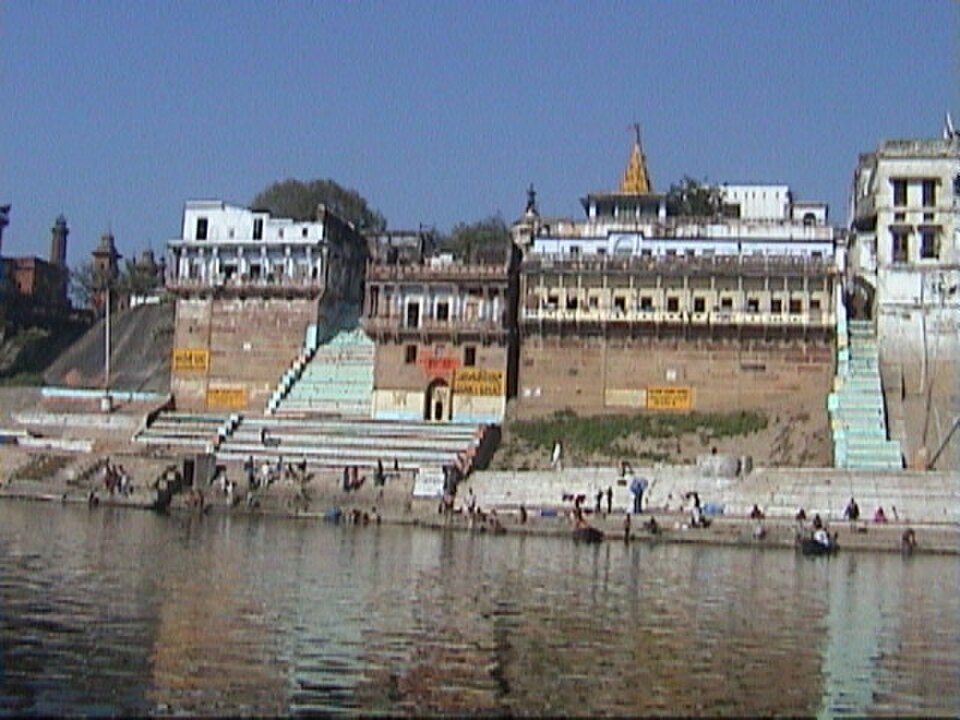
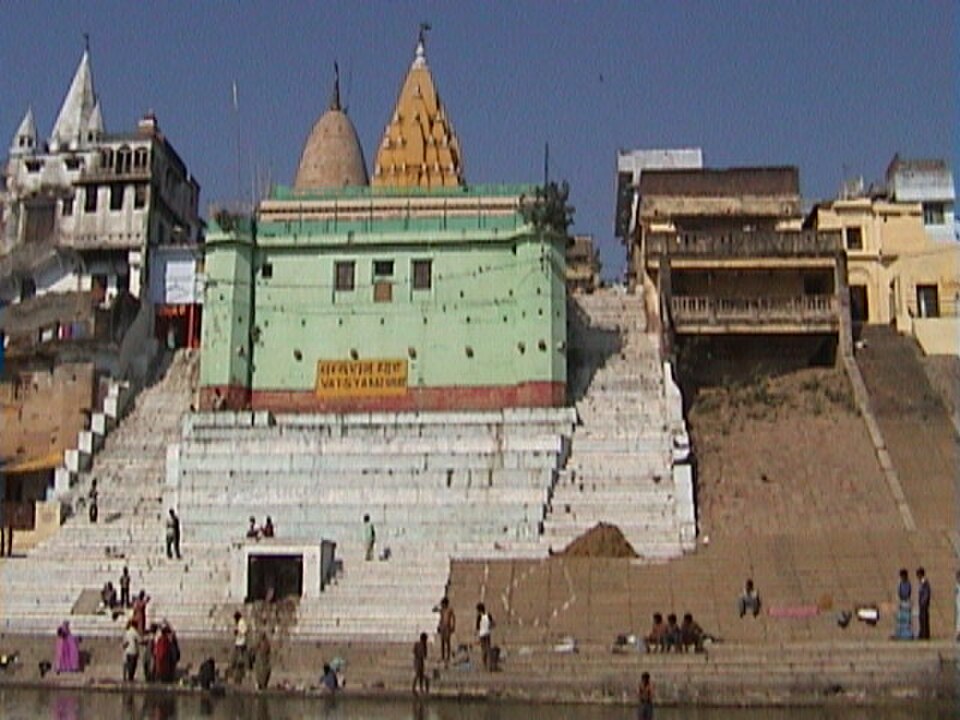
Neighbourhood GhatBhadaini Ghat is a famous ghat named after Goddess Bhadaini. It has a famous Bhadaini temple.


Type
Neighbourhood Ghat
Boat Fare
1x base fare
Best Time
5-9 AM
History
A small and serene ghat popular with local residents. It has kept a tradition of peaceful bathing and offers a calm start to the day.
Highlights
- Crowd-free peaceful mornings
- Favourite bathing spot of locals
- Hidden gem between Assi and Tulsi
Festivals & Events
How pricing works in the NaviX app
No haggling at the ghat — everything is fixed in the app first
- 1
Fixed price before you board
The fare is shown in the app upfront — no bargaining at the ghat
- 2
Sharing or private — your choice
Share with fellow travelers or take the whole boat for your group
- 3
Pay only after the ride
UPI, card or cash — with an instant receipt
🕉️
Aarti details not available for this ghat yet
Complete Guide
Bhadaini Ghat — The Complete Guide
History, mythology, rites and practical details — everything in depth.
On this page
- 1.Bhadaini Ghat — The Quiet Face of the River
- 2.The Name and the Lore — A Sage's Blessing
- 3.The Daily Rhythm — Bathers, Fishermen and Dhobis
- 4.Morning Bath — The First Act of the Day
- 5.Boats and Boatmen — The Wooden Fleet
- 6.The River at Bhadaini — Water, Sand and Seasons
- 7.The Lanes Behind — A Living Mohalla
- 8.Assi Ghat and the Southern Walk
- 9.Golden Evenings — Sunsets over the Ganga
- 10.Festivals on the Southern Bank
- 11.Etiquette on the Ghat — How to Be a Good Guest
- 12.Practical Notes — Reaching Bhadaini Ghat
📅 Updated: 21 Aug 2026 · Author: NaviX Field Team (field research 2024-26) · 12 sections · 12 photos
Bhadaini Ghat — The Quiet Face of the River
Bhadaini Ghat stands on the southern riverfront of Varanasi, a short walk north of the famous Assi Ghat, at the point where the long chain of stone landings begins to gather itself for its great northward sweep. It is a modest, residential ghat — plain stone steps, a handful of trees, a scatter of small temples and houses pressed against the bank. There are no royal palaces here, no soaring spires, no grand processions. Instead there are ordinary people going about an ordinary day beside the holiest river in India: men lowering themselves into the water, women carrying brass pots on their hips, children splashing between the boats, and the endless, patient traffic of the river itself. This is the ghat the guidebooks almost never mention, and that is precisely its gift.
Bhadaini's identity is its simplicity. The crowds, the noise and the pageantry of the northern ghats are absent here; what remains is the plain rhythm of daily life — morning bathers, fishermen mending their nets, dhobis beating laundry against the stones, and long rows of moored boats riding the slow current. The ghat belongs to that long southern stretch of the waterfront, between Assi and the old city, where Kashi's everyday face is still unmasked. Away from the tourist crowds and the touts, this is the place to watch ordinary riverine Varanasi in its true form: no stage, no performance, only the river and the people who have lived beside it, generation after generation, since before memory.
For the traveller who has seen the spectacle of Dashashwamedh, Bhadaini offers an entirely different experience — one of calm, ease and reality. The morning aarti at Assi is within walking distance, a ten-minute stroll south along the bank, and the evenings here are among the pleasantest on the whole riverfront, when the sun goes down over the Ganga in long, unhurried colours. This is the Kashi that does not perform itself for visitors: the river simply flows, the day passes, and life continues in its simplest, deepest form. Bhadaini asks nothing of you but a little time, and it repays that time with the quietest, truest face of the oldest city on earth.
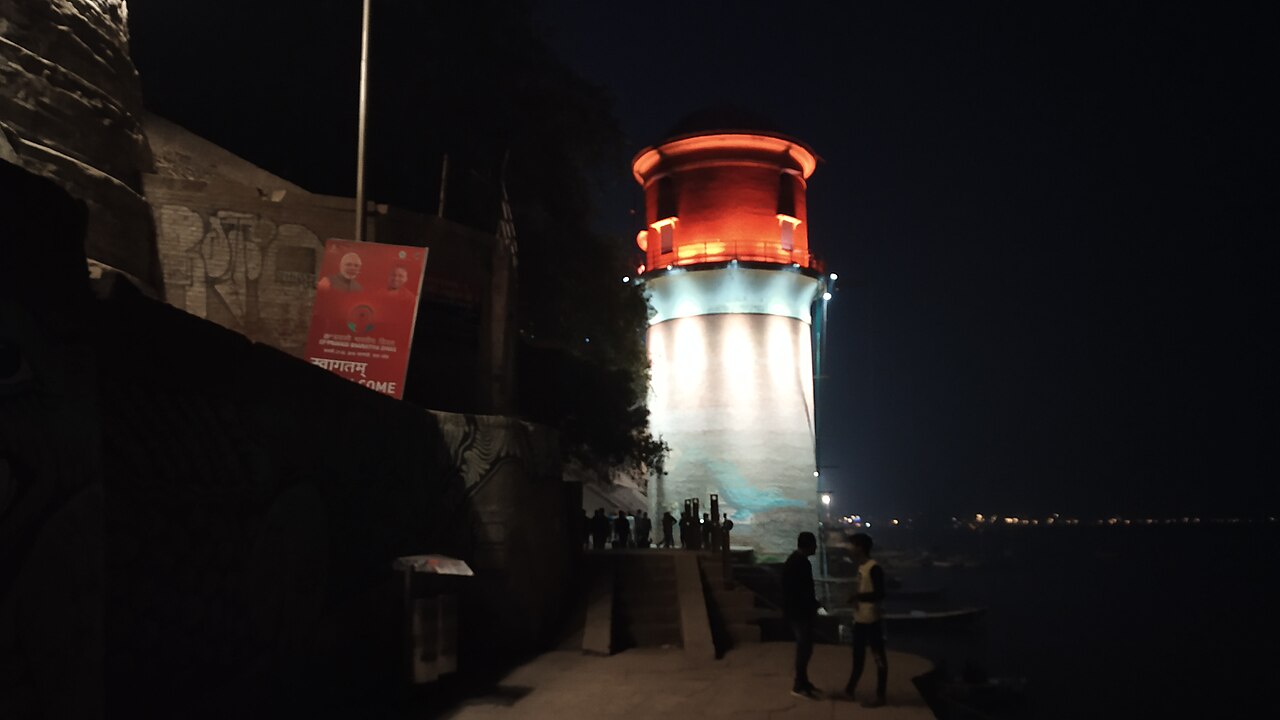
The Name and the Lore — A Sage's Blessing
The name Bhadaini is wrapped in old stories, as names in Kashi almost always are. Tradition links the ghat to a sage of ancient memory — some tellings call him Bhadra, a holy man said to have meditated and bathed at this very spot, drawing pilgrims to the water by his example. Other accounts say the ghat takes its name from Bhadaini, a devoted woman whose faith and charity became a local legend, while still others point to the bhadra tree that once grew thick on the bank. Nothing about these tales can be proved, and nobody feels the need to try; in Kashi a name is simply a story that has been told long enough to become true, and the lore of the sage is carried in the word itself.
What is certain is that the ghat is old, and that its name was fixed long before the modern map was drawn. It appears in the records of the eighteenth and nineteenth centuries as one of the recognised bathing places of the southern bank, repaired and rebuilt again and again as the river wore at the steps. Unlike the grand ghats of the north, endowed by rajas and queens, Bhadaini was maintained by ordinary people — its stones laid and replaced by the very families who bathed there, its shrines whitewashed by the neighbourhood before every festival. The lore and the modesty belong together: a ghat named for a sage, built by no king, kept alive by the daily devotion of the quarter around it.
Walking on Bhadaini today, it is easy to imagine the old story living on. A man sits in meditation at the water's edge; a woman pours a lota of river water over a stone shrine; the old men on the platform talk in the unhurried accents of the city. The ghat asks nothing of the visitor — no ticket, no ceremony, no guide. It offers instead what the sage of the legend is said to have offered: a place beside the holy river where a person can be still, and where the name of God is spoken in ordinary voices, at ordinary hours, with a constancy that neither fame nor fashion has ever been able to disturb.
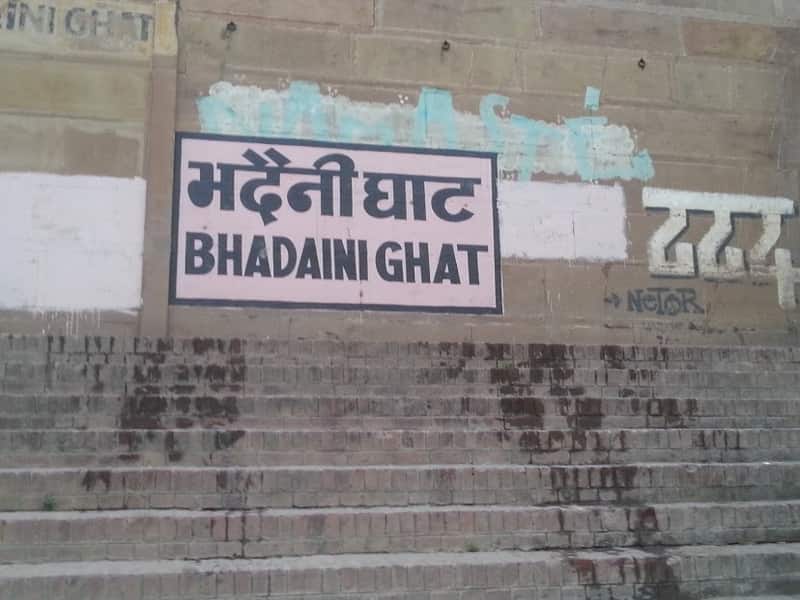
The Daily Rhythm — Bathers, Fishermen and Dhobis
Bhadaini's day begins in darkness, long before the sun clears the far bank. By half past four the first bathers are already at the water, their brass lotas clinking softly as they descend the worn steps. The fishermen are next, unwinding ropes and pushing their small boats out into the black current, their lanterns bobbing like fireflies as they move toward the deeper channel. Then come the dhobis, the washermen of the ghat, arriving with great bundles of cloth balanced on their heads, and the rhythmic work begins that has given the stones their polished, worn look — wet linen slapped again and again against the slabs, white suds running down toward the river.
Through the morning the ghat fills with the ordinary commerce of a river village. Women gather at the waterline to wash pots and fill vessels, their bright saris reflected in the slow current. Children run between the moored boats, chasing the goats that graze on the strip of bank. The chai stall at the top of the steps does a steady trade, and the old men gathered there exchange the news of the mohalla in voices pitched to carry over the splash of the water. Nobody hurries; the river has been here longer than any of them, and it sets the pace. Time at Bhadaini moves the way water moves — steadily, patiently, and without regard for clocks.
At midday the ghat falls quiet, and that quiet is part of its character. The steps are nearly empty; a fisherman mends his net in the shade, a boy sleeps curled in a boat, the dhobis hang their washing on lines strung between the trees. In the late afternoon the ghat wakes again — bathers return from the day's work, schoolchildren come down to play, and the first boats of the evening push out into the golden water. Seen across a whole day, Bhadaini composes a picture of riverine life that has not changed in centuries: the same errands, the same songs, the same unhurried rhythm, and that is exactly what makes it precious.
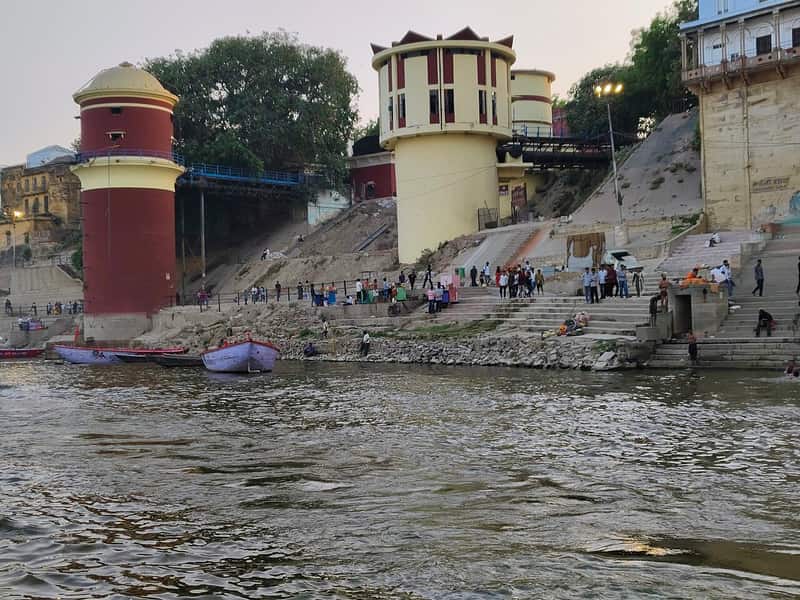
Morning Bath — The First Act of the Day
The bathing at Bhadaini is the first act of the day for the people of the neighbourhood, and it is carried out with a quiet seriousness that has nothing to do with spectacle. Men and women alike slip into the water with the dawn, standing waist-deep in the cool current, cupping the water in their hands and letting it run back, reciting the old mantras in voices just above a whisper. The bathing is not merely a washing of the body; it is the first greeting of the day addressed to the sun, the river and the gods — the oldest ritual of the city, performed here in its plainest and most sincere form, without drums, without crowds, without an audience.
There is a particular art to the morning bath as it is done on this ghat. The bather offers water to the rising sun with cupped palms, raises the first filled lota toward the sky, and marks the forehead with a pinch of sacred ash or sandalwood. Many bring small offerings — marigold flowers, a little vermilion, a coin — which are floated on the water or placed at the small shrines that stand at intervals along the bank. The most devout keep a vow of bathing here through the cold months of winter, when the water is sharp and the steps glisten with frost, and their shivering patience is counted by the neighbourhood as a kind of penance, proof of faith renewed day after day.
For the visitor, joining the morning bath is possible and even welcome, so long as it is done with respect. The water here is shallower and slower than at the grand ghats, and the crowd is small, which makes it an easy place to take a first dip in the Ganga. Women will find the bank modest and orderly, and there is no pressure from guides or touts. To stand in the river at Bhadaini as the sun comes up, with the sound of the mantras and the bells rising around you, is to touch the real devotional life of Kashi — a life that does not perform itself for visitors, but simply goes on, morning after morning, as it has always done.
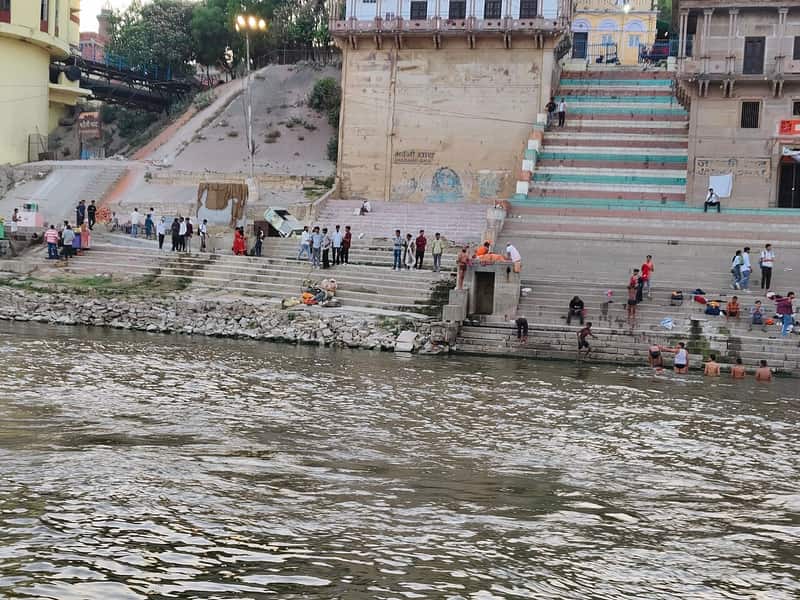
Boats and Boatmen — The Wooden Fleet
The boats of Bhadaini are a fleet in miniature, drawn up along the bank in long, untidy rows. The great painted ferries of the tourist ghats are scarce here; these are working boats — the long, shallow skiffs of the fishermen, the broad cargo boats that carry sand and firewood, and a few of the elegant pointed shikaras that the boatmen of Varanasi build with their own hands, painting eyes on the bows so that the boat may see its way across the water. Between them run the lean country craft of the market gardeners, who bring produce across the river from the villages of the far bank and unload it at the steps before the day grows hot.
The boatmen of Bhadaini know their river the way other men know their own street. They can read the sandbanks beneath the surface, know where the current runs fast after rain, and judge from the colour of the water whether the river is rising or falling. Much of their time is spent in maintenance — caulking the seams with cotton and tar, replacing a worn plank, painting the hull with the brilliant blues and reds that make the fleet cheerful against the grey stone. Boat-building on the southern ghats is a craft passed from father to son, and a well-made shikara can serve a family for twenty years and more, its lines and curves carrying the memory of generations of hands.
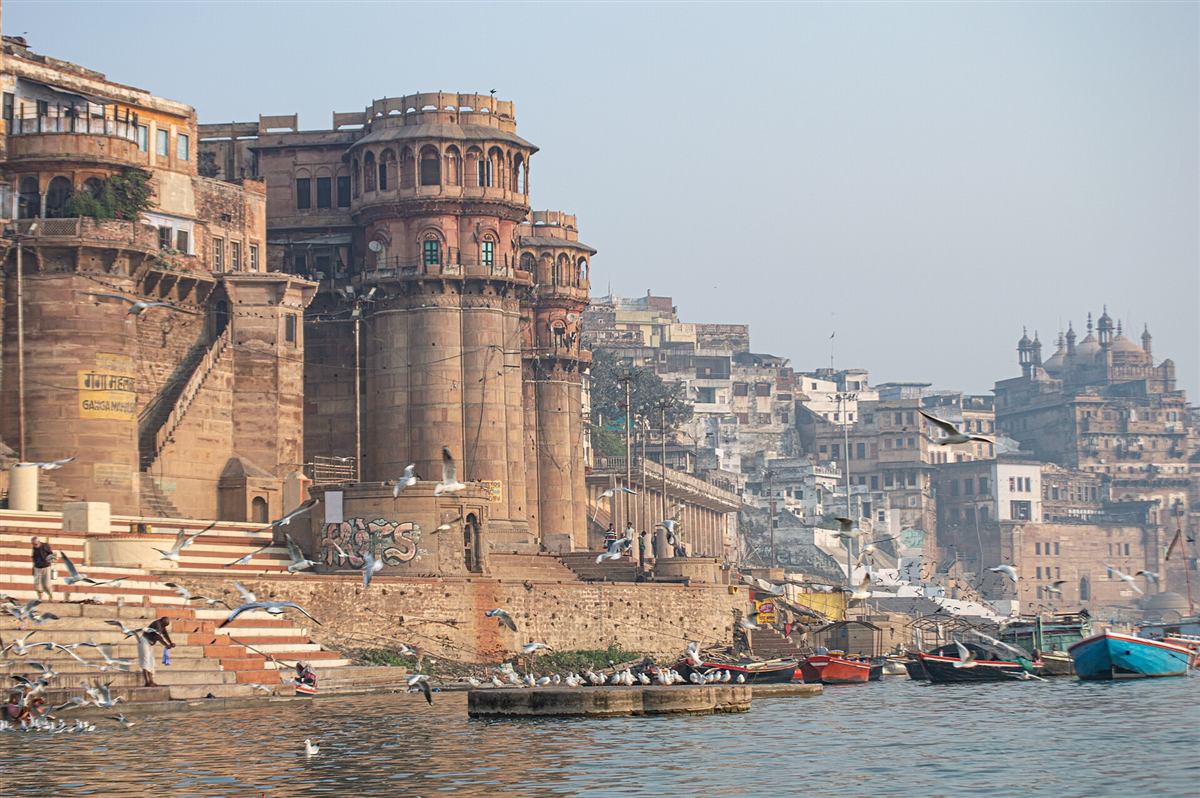
A slow boat ride from Bhadaini is one of the best ways to see the southern riverfront. From the water the ghats reveal their true scale — the long stairways climbing to the rooftops, the temples standing half-submerged at the waterline, the everyday theatre of the bank played out in miniature. The boatmen will take you south to Assi at dawn for the aarti, or north toward the old city when the evening light lies flat and golden on the water. Ask them about the river and they will talk for an hour: the floods they have seen, the sandbars that shift like animals, the years when the water came up to the temple doors.
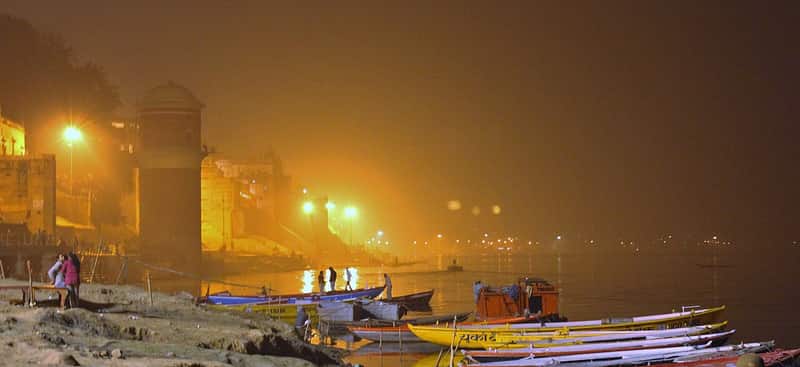
The River at Bhadaini — Water, Sand and Seasons
At Bhadaini the Ganga flows broad and unhurried, and the river itself sets the calendar of the ghat. In the dry months of summer the water withdraws, leaving wide, pale sandbanks stretching far out into the channel. Children fly kites on these sands, cattle graze on the tough grass that springs up, and the fishermen dig for the worms that bait their lines. The river that seemed so wide in winter shrinks to a modest stream, and the far shore — a green wall of trees and village roofs — comes surprisingly close. The whole scale of the riverfront changes with the seasons, and the people of the ghat measure their year by it.
Winter brings a different river. The water turns clear and cold, tinged with the pale green of the Himalayan snows that feed it, and the sunrises burn with a brilliance unknown in the hazy summer months. This is the season of the great winter baths, when devotees come down to the water in the sharp morning air, and the ghat is wreathed in the smoke of the small fires they light on the bank to warm themselves afterwards. The sandbanks are smaller now, the current stronger, and the boats ride higher on the channel. Fishermen speak of this as the finest season of their craft, when the fish run close and the river is at its most beautiful.
In the monsoon the river becomes a god in flood. The water climbs the steps day by day, swallowing the lower platforms, lifting the moored boats until they strain at their ropes, and carrying the offerings of the city downstream on its swollen brown current. The bathers retreat to the upper steps, the fishermen pull their craft higher, and the whole neighbourhood watches the rising line with a mixture of awe and calculation. The floods are feared but never hated, for they are the river's way of renewing itself — and when the waters fall again, as they always do, the sandbanks return whiter and cleaner than before, and the life of the ghat begins once more.
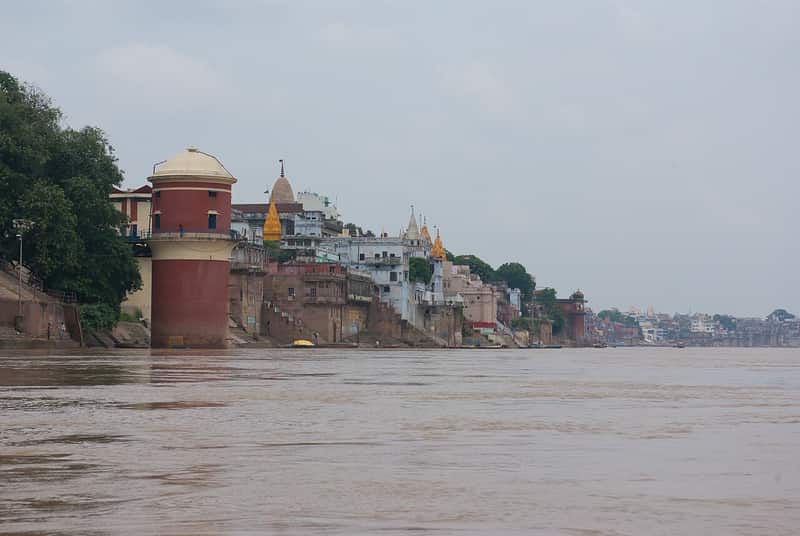
The Lanes Behind — A Living Mohalla
Behind Bhadaini Ghat lies a dense, living mohalla of narrow lanes and tall old houses, the kind of quarter where the city's true texture is preserved. The lanes are too narrow for cars, so the traffic is on foot and bicycle — schoolchildren in pressed uniforms, women shopping for vegetables, porters carrying heavy loads on their heads. The houses are old, many of them two and three storeys high, with carved wooden balconies and doorways painted in the brilliant colours of the region, their lower floors given over to small shops: a tailor, a tea stall, a barber, a paan seller, each one a landmark in the daily geography of the quarter.
Every corner of the mohalla holds a shrine. Some are ancient stone temples, worn smooth by centuries of offerings; others are tiny platforms at the foot of a tree where a few flowers and a lamp mark the presence of the divine. The bells of the neighbourhood sound from early morning to late night, and the cycle of the festivals — Navratri, Kartik Purnima, the spring colours of Holi — moves through the lanes in a steady rhythm that binds the families together. Many of the houses have been in the same family for generations, and a resident can point to the exact window where a grandfather was born, or the courtyard where a wedding was celebrated a hundred years ago.
The people of the mohalla are the ghat's true caretakers. The families who bathe at Bhadaini each morning are the same families who swept the steps after the floods, whitewashed the shrines before the festivals, and carried the old customs from one generation to the next. The visitor who walks these lanes is walking through a living museum — not a museum of glass cases and printed labels, but one of kitchens and courtyards, of women singing as they grind spices, of children learning their first mantras from grandmothers, of a way of life that the river has watched, and sheltered, for centuries without end.
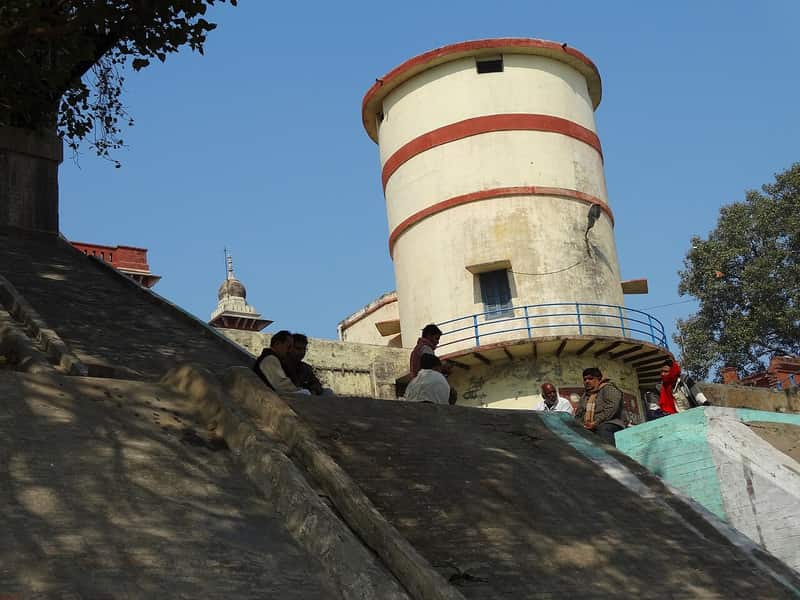
Assi Ghat and the Southern Walk
Bhadaini's great neighbour is Assi Ghat, ten minutes' walk to the south along the riverbank, and the two together frame the most relaxed stretch of the Varanasi waterfront. Assi is the famous one — the meeting place of artists and students, the scene of the morning aarti that draws visitors from across the world. Bhadaini is the quiet one. Between them the walk passes small temples, bathing platforms and open stretches of bank where cows graze and the river lies wide and shining. It is one of the most pleasant promenades in the city, and in the early morning it is almost empty of strangers, when the light is soft and the waterbirds are still busy along the edge.
To the north, the ghats continue in a chain that leads toward the heart of the old city. The first is Rewa Ghat, a few minutes away, named for the Narmada river and crowned by a striking white temple; beyond it lie Tulsi Ghat, sacred to the poet-saint Tulsidas, and then the great stairways of Chet Singh, Shivala and Niranjani, climbing toward Dashashwamedh and the crowded centre of Kashi. A boat from Bhadaini can carry you northward along this whole procession of ghats, or south to the meeting of the Assi and the Ganga, in a voyage of little more than an hour, with the whole history of the southern riverfront passing slowly before you.
The temples within walking distance of Bhadaini are small but beloved. At Assi stands the Assi Sangameshwara temple, guardian of the confluence; behind Bhadaini's own steps rise the shrines of the mohalla, each with its festival and its faithful. Just inland, the lanes lead toward the great southern district of the city, where the campus of Banaras Hindu University spreads its green acres. The visitor who uses Bhadaini as a base can reach the university's Vishwanath temple, the famous Bharat Kala Bhavan museum, and the restaurants and cafés of the Assi lanes all within a short walk, and return to the quiet of the ghat at night.
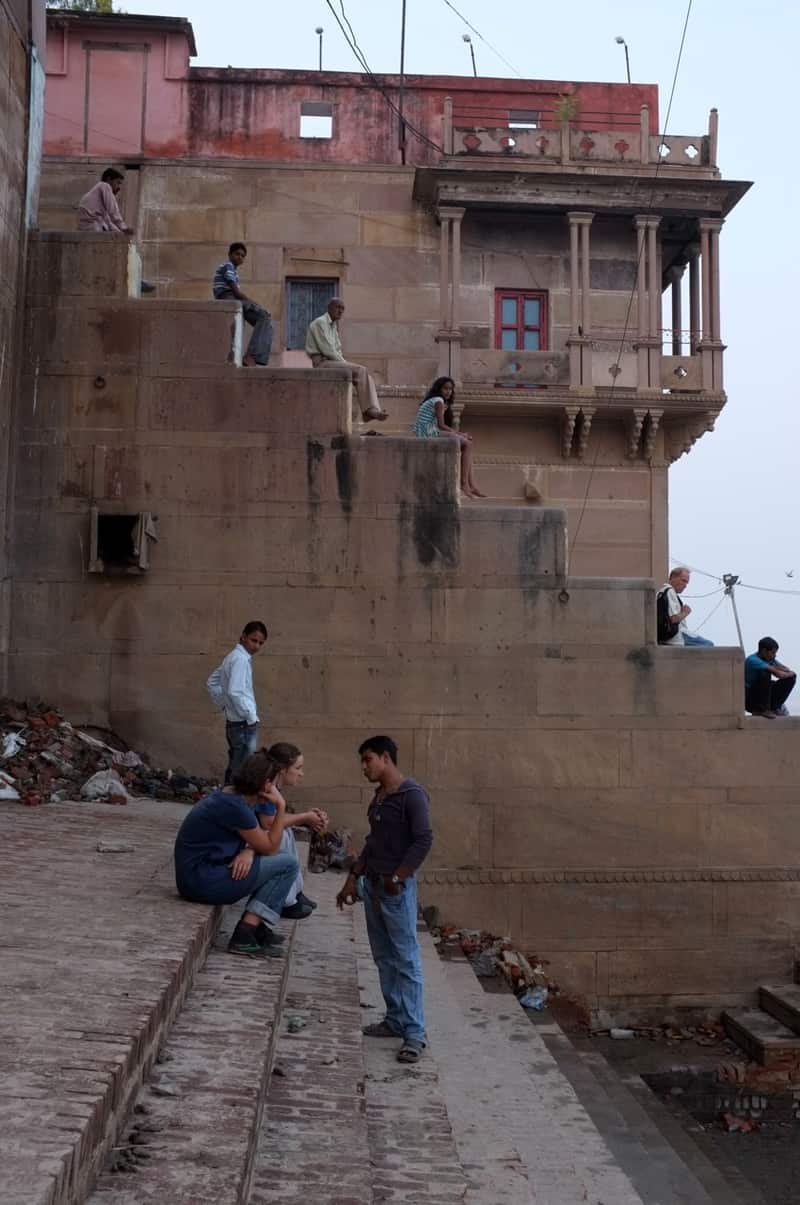
Golden Evenings — Sunsets over the Ganga
The evening is Bhadaini Ghat's finest hour. As the sun sinks behind the city, the light turns the whole river to molten gold, and the far bank becomes a dark, soft silhouette against the reddening sky. The bathers of the morning have gone home; in their place come the idlers and the romantics — couples on the steps, old men watching the light die, a musician practising on the platform, the first lamps being lit in the temples behind the ghat. The water takes on the colours of the sky and holds them, shimmering, until the last glow is gone, and the whole riverfront seems to draw one long, contented breath.
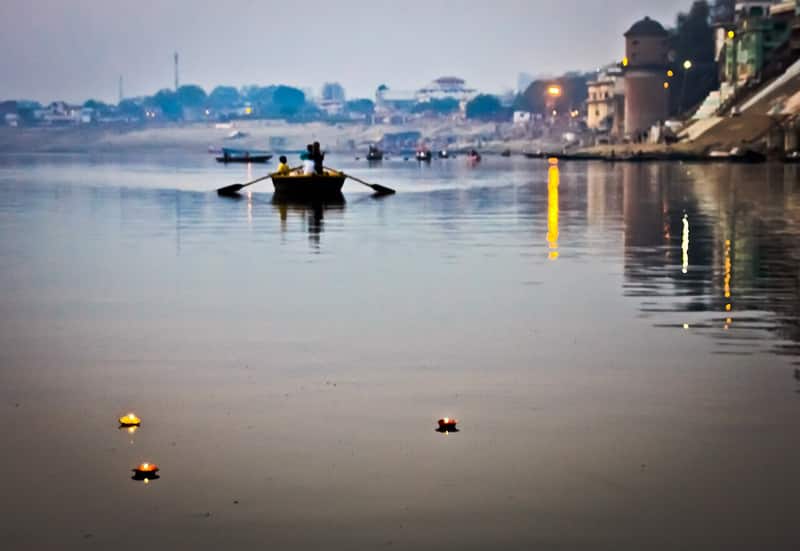
The sunset here is not a performance but a presence. At Dashashwamedh the evening is crowded and theatrical, with drums and conch shells and a hundred lamps; at Bhadaini the same sun sets over the same river with hardly a sound. A boatman may glide past with a lamp on his bow, a woman may send a little diya floating out upon the current with her evening prayer, and the bells of Assi's aarti, a little way off, come across the water softened by distance. It is a sunset to sit with rather than to photograph, and the steps will still be warm when the first stars appear above the far bank.
For many residents, this is the moment the ghat belongs to them most completely. The day's work is done, the river is calm, and the talk on the steps turns to the unhurried subjects of a river town — the water level, the weather, the boats, the news of the mohalla. A visitor who stays for the evening will be drawn into this gentle current, offered chai from the stall, shown the best seat on the steps, warned cheerfully about the monkeys that come down at dusk. To watch the sun go down from Bhadaini is to understand why the people of Varanasi, asked where they would most like to be at evening, answer without hesitation: on the ghat, by the river.
Festivals on the Southern Bank
The festivals of Kashi reach Bhadaini in a softened, neighbourly form. On Kartik Purnima, the great autumn full moon, the whole southern bank is lit by the lamps of Dev Deepawali, and Bhadaini sends its own little fleet of diyas floating out on the water, each one carrying a wish or a prayer. On the full moons of the year families come down to bathe and offer water to the ancestors, and the ghat, which is usually so quiet, fills with the murmur of a thousand small rituals. The great bathing festivals of the year — Makar Sankranti in January, Ganga Dussehra in early summer — all find their local echo here, celebrated with the same faith and a little less ceremony.
The festivals of the mohalla are the truest ones. During Navratri, the nights ring with the songs of the neighbourhood women, who gather at the small Devi temples in the lanes behind the ghat and sing until the lamps burn low. Holi, the festival of colours, turns the ghat itself into a riot of saffron and pink, with the young people of the quarter hurling colour from the boats and the elders watching, laughing, from the steps. And on the anniversaries of the local saints and the birthdays of the gods, the small shrines of the bank are washed, garlanded and dressed in fresh cloth, and the prasad is shared out among everyone who happens to be there.
Because Bhadaini is a residential ghat, its celebrations have the character of a family gathering rather than a public spectacle. There are no grand processions and no tickets; the festivities simply spill out of the houses and down the lanes to the water's edge. For the visitor, the luckiest accident of timing is to be on the ghat during one of these festivals, when the ordinary life of the quarter is lifted for a day into celebration, and the shyness of the neighbourhood falls away. You will be offered sweets, drawn into the circle of singers, handed a diya to set upon the water — a welcome that no guidebook can arrange.
Etiquette on the Ghat — How to Be a Good Guest
Bhadaini is a place of worship and a place of daily life at once, and the courtesy that is owed to both is simple. Dress modestly, as you would in any holy place; shoulders and knees covered are the local standard, and the bathers, who change discreetly in the shelters provided, will appreciate the same discretion. Ask permission before photographing anyone — the bathing and the prayers are private acts of devotion, and a request made with folded hands is almost always granted with a smile. The river itself is sacred to the people here; nothing is thrown into it except offerings, and visitors who keep that rule will be quietly respected.
Small gestures make a great difference on a ghat like this. Leave the steps as you found them, taking your rubbish away with you rather than leaving it for the river to carry. If you are given prasad or chai, accept it with both hands and a word of thanks; to refuse a gift on the ghat is to refuse a blessing. The monkeys that come down at dusk should be treated with respect and distance — do not feed them, and do not let them take your belongings. And the beggars who occasionally approach are part of the old economy of the ghat; if you give, give quietly, and if you do not, decline without ceremony and without offence.
Above all, remember what this ghat is. It is not a stage arranged for visitors, and its people are not performers. The man meditating at the waterline, the woman pouring her lota over the shrine, the family performing the rites for an ancestor — these are the sacred heart of Kashi, and they ask only to be left in peace. The traveller who comes with patience and quiet respect will find Bhadaini generous in return: the conversation on the steps, the story of the floods, the shared chai at sunset, and the feeling, rare in a great city of pilgrimage, of having been, for a little while, simply at home.
Practical Notes — Reaching Bhadaini Ghat
Reaching Bhadaini Ghat is easy, and the journey itself is part of the pleasure. From Assi Ghat, the most convenient landmark of the southern waterfront, it is a ten-minute walk north along the riverbank on a pleasant path that passes the smaller ghats and bathing platforms. By road, the lanes of the Assi area are narrow, but cycle-rickshaws and auto-rickshaws can bring you close, and from the old city the simplest approach is by boat — a ride down the Ganga that delivers you to Bhadaini's own steps, the way pilgrims have always arrived.
The best times to come are the two quiet hours of the day. Early morning, between five and seven, is the hour of the bathing and the fishermen, when the ghat is at its most alive; the late afternoon, from four until dark, brings the long golden shadows and the evening calm. The most comfortable season is winter, from November to February, when the days are clear and the sun is gentle; the summer months are fierce, and the monsoon, from July to September, is best watched from the upper steps as the river rises, a spectacle of power that belongs to the season alone.
Bhadaini makes an excellent base for exploring the southern ghats. To the south lies Assi, with its aarti, its cafés and its guesthouses; to the north, within a few minutes' walk, stands Rewa Ghat with its white temple, and beyond it the long chain of ghats that climbs toward the old city. A full day can be spent walking south to the sangam at dawn, resting at Bhadaini through the heat of the day, and finishing with a boat ride north in the evening light. Simple, quiet, and endlessly companionable, Bhadaini Ghat rewards the visitor who comes without expectations — and gives back more than it promises.
Bhadaini Ghat — Gallery (12 Photos)
Image Credits
bhadaini-01.jpg · bhadaini-02.jpg · bhadaini-03.jpg · bhadaini-04.jpg · bhadaini-05.jpg · bhadaini-06.jpg · bhadaini-07.jpg · bhadaini-08.jpg · bhadaini-09.jpg · bhadaini-10.jpg · bhadaini-11.jpg · bhadaini-12.jpg — Wikimedia Commons, under free licenses.
Continue exploring
Similar Ghats Nearby
Book This Ghat — Get Notified
Download the app now and book a boat ride to Bhadaini Ghat