

Gai Ghat
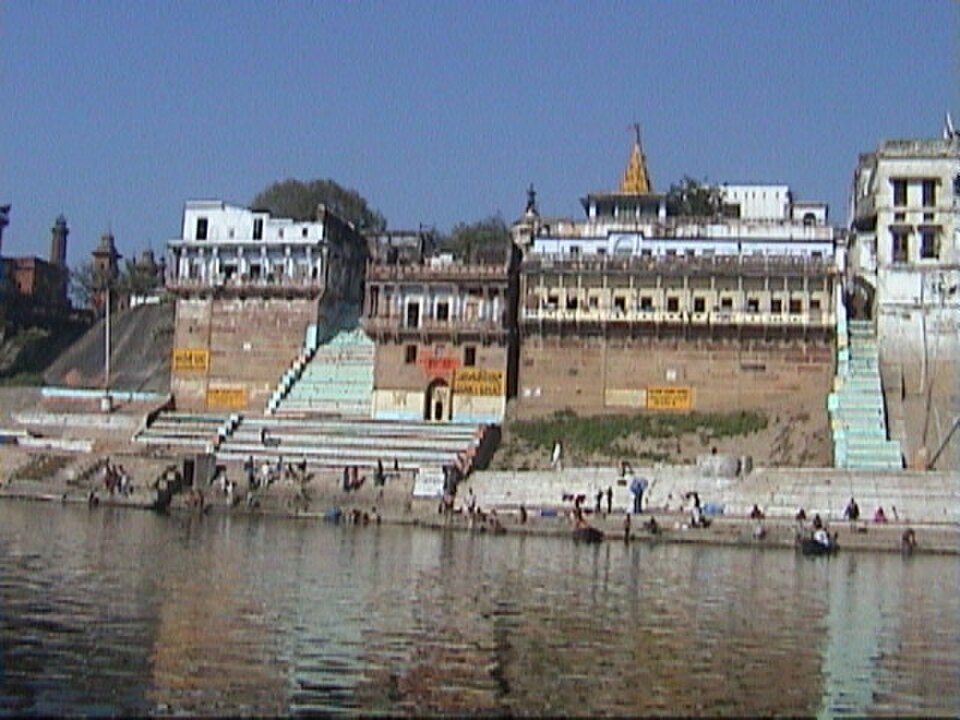
Neighbourhood GhatGai Ghat is a small ghat named after the cow goddess. It has a famous cow goddess temple.


Type
Neighbourhood Ghat
Boat Fare
1x base fare
Best Time
6-10 AM when morning light illuminates the temple.
History
Named after the cow goddess. A famous cow goddess temple is at the ghat center.
Highlights
- Darshan of the big Nandi statue
- Memory of the sacred cow
- Site for Shiva devotees
Festivals & Events
How pricing works in the NaviX app
No haggling at the ghat — everything is fixed in the app first
- 1
Fixed price before you board
The fare is shown in the app upfront — no bargaining at the ghat
- 2
Sharing or private — your choice
Share with fellow travelers or take the whole boat for your group
- 3
Pay only after the ride
UPI, card or cash — with an instant receipt
🕉️
Aarti details not available for this ghat yet
Complete Guide
Gai Ghat — The Complete Guide
History, mythology, rites and practical details — everything in depth.
On this page
- 1.Overview: A Quiet Step on the Riverfront
- 2.The Cow Connection — What the Name Means
- 3.Daily Life: Bathers, Boatmen, and the Working Day
- 4.Bathing: The Morning Scene
- 5.Animals: The Cows and the Pastoral Character
- 6.The River: Water and Its Moods
- 7.Neighbourhood: The Lanes and Mohalla Behind
- 8.Nearby: Lal Ghat and the Chain of Small Ghats
- 9.Atmosphere: Earthy and Homely
- 10.Devotion: Everyday Piety
- 11.Etiquette: Respectful Conduct
- 12.Practical: Reach, Best Time, and Neighbouring Ghats
📅 Updated: 21 Aug 2026 · Author: NaviX Field Team (field research 2024-26) · 12 sections · 12 photos
Overview: A Quiet Step on the Riverfront
Varanasi's riverfront is one of the great open-air stages of the world, a long curve of ghats running along the Ganga for several kilometres. Most visitors know the famous names: Dashashwamedh with its evening aarti, Manikarnika with its eternal fires, Assi with its poets and ashrams. Gai Ghat belongs to the quieter side of this story. It stands on the northern riverfront, away from the processions and the floodlights, a modest flight of stone steps where the old city comes to wash, to pray, and to pass the time of day. It is a minor ghat on every map, and a major one in the affections of the people who live in the lanes behind it. To reach it you walk away from the music and the incense, through neighbourhoods where everyday life proceeds as it has for centuries, until the river opens out before you again — wider, slower, and more patient here.
The character of Gai Ghat is set by its name and by its daily work. The word gai means cow in Hindi, and old residents say that cattle from the surrounding mohallas were brought here for generations to drink and to be bathed. The steps are simple and unadorned; there is no grand temple, no royal pavilion, no painted gateway. Instead there are bathers at dawn, boatmen coiling ropes on the landing, women beating laundry against the stones, and an occasional cow standing knee-deep in the shallows, switching its tail at the flies. The ghat belongs to the everyday river life of the city — the life that continues quietly beside the festivals, the cameras, and the headlines. Here the Ganga is not a backdrop but a working partner, and the ghat is simply the place where land and water shake hands.
For the traveller, Gai Ghat offers something the great ghats cannot: peace without performance. There are no touts, no ticket counters, no rows of photographers. What you find instead is the city at home — an old man doing his exercises on the top step, a mother scrubbing brass pots, children splashing at the waterline, a boatman napping in the shade of his upturned hull. Sit long enough and the rhythm of the place enters you: the slap of wet clothes, the soft bell of a passing cow, the murmur of prayers, the creak of oars. Early morning is best, when the sun comes up over the far bank and turns the water to hammered gold. This is the north of Varanasi, the part of the city that still belongs to itself, and Gai Ghat is one of its gentlest doors.
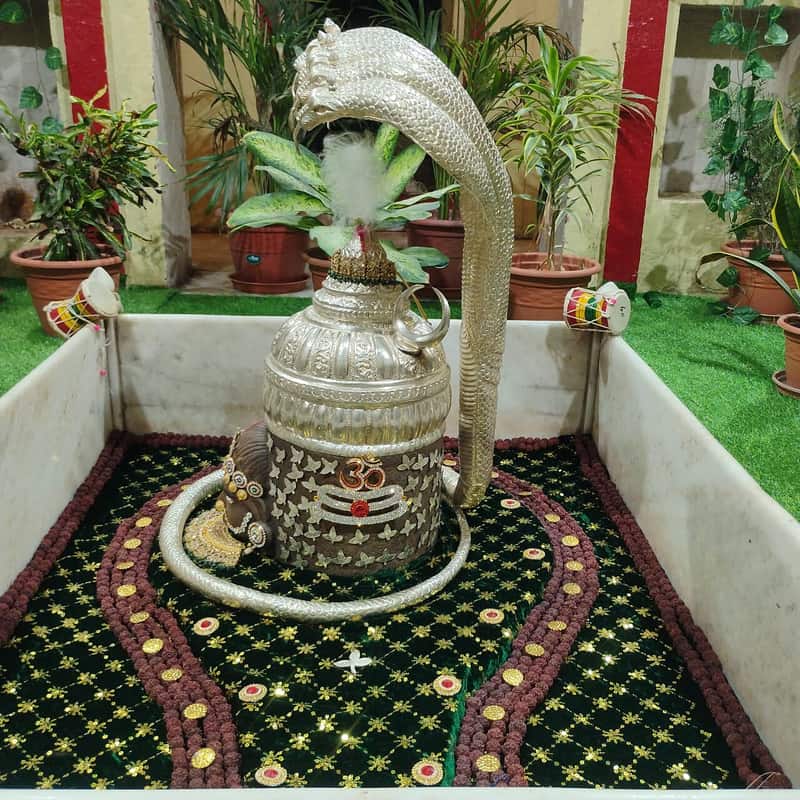
The Cow Connection — What the Name Means
Ghats in Varanasi carry their names like family histories, and Gai Ghat's name is among the most homely of them all. In Hindi, gai means cow, and the oldest memory attached to this landing is simple: this is where the cattle of the neighbourhood were brought down to the water. Here they drank their fill and were washed and cooled after the heat of the lanes, their keepers wading beside them with rope halters and patient voices. It is easy to picture the scene, for it is still enacted every day on the very same steps. A place named for the cow is a place named for gentleness, patience, and service, and those three qualities still describe the ghat better than any guidebook description could. Unlike ghats that take their titles from kings, temples, or merchant families, this one honours a humbler companion of the city's life.
The old people of the mohalla add a second explanation, softer and more charming. They say the curve of the ancient steps, worn smooth by bare feet and hooves, once resembled the hump of a cow seen from the water, and that boatmen steering past in the morning light would call out the name and laugh. Whether the name comes from the animals or from the stones, no one can now say for certain, and in a city this old the two stories have long since melted into one another. What matters is that the name is honest. It claims nothing grand for itself. It simply tells the truth about a small, useful, kindly corner of the riverbank. That unpretentiousness is itself a kind of poetry, and pilgrims and boatmen have repeated the name down the centuries without ever feeling the need to change it.
The cow, of course, is no ordinary animal in this city. In Hindu tradition she is the mother of plenty, the giver of milk, the companion of Shiva's bull Nandi, and the very emblem of non-violence and patience. To water a cow is an act of merit, and to feed one a handful of greens is a small prayer made visible. Gai Ghat therefore gathers in one place two sacred geographies: the holy river and the holy animal. Every morning the sight of a cow drinking at the waterline, with the smoke of the city rising behind her, feels less like a relic of the past than like a promise the city has kept. In naming the ghat for the cow, the people of Varanasi named it for what they cherish most — the humble, the useful, the divine in everyday shape.
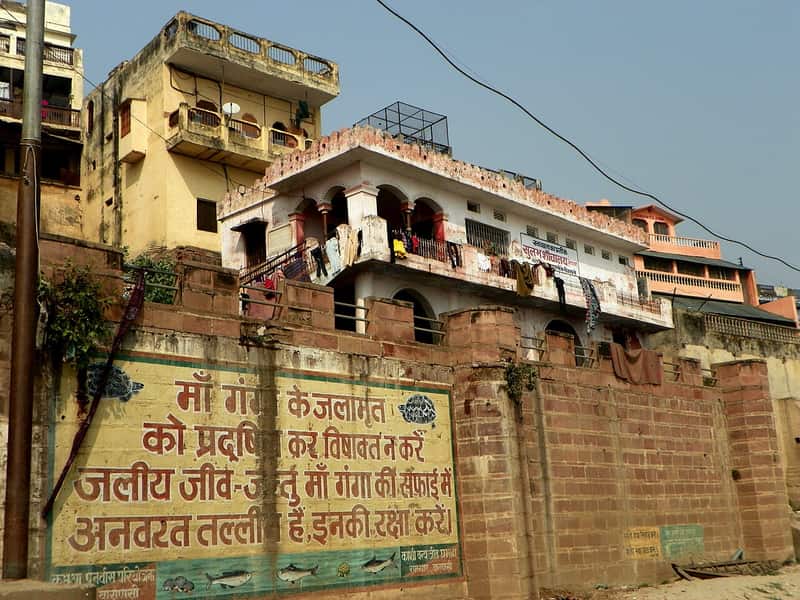
Daily Life: Bathers, Boatmen, and the Working Day
The day at Gai Ghat begins before the sun clears the eastern bank. In the half-dark, bathers pick their way down the worn steps with brass lotas and cloth bags, and the first splashes carry across the water with the shock of cold air. The boatmen are earlier still; their ropes have been untied since the first grey light, and their long wooden boats rock gently at the landing, bumping against one another like sleepers turning over. By the time the smoke of the first cooking fires begins to climb from the roofs behind the ghat, the landing is already alive with the sounds of a working day — wet cloth snapping, oars dipping, voices calling greetings across the water. A chai wallah sets up his stove on the middle step, and the smell of boiling tea and cardamom begins to drift down toward the river.
Boats are the ghat's other family. Between trips, the boatmen of the northern ghats mend their craft with tar and patience, carve new oars from seasoned wood, and hang their nets to dry along the parapet. Their knowledge of the river is deep and unspoken; they read the sandbars the way farmers read clouds, and they can tell from the colour of the water whether the current has shifted overnight. Fishermen set out before dawn and return with baskets of small silver fish, which the women of the lanes bargain over with cheerful ferocity. Nothing about this commerce is romantic in the tourist sense; it is simply how a riverside neighbourhood earns its bread, and there is a quiet dignity in watching it done well. Every rope, every knot, every patch on every hull tells a history of the river's moods, and the boatmen recite those histories in a single shrug.
By mid-morning the ghat has become what it will remain for most of the day: a neighbourhood meeting place with the river for a garden. Laundry is beaten clean on the lower steps; brass pots are scoured with ash and river sand until they flash in the sun; children chase one another through the shallows while their grandmothers keep watch from the shade. Around noon the cattle arrive with their keeper, stepping delicately down the stone stairs, and the whole scene shifts into a slower gear. By late afternoon the light turns amber, the boats return in a straggling line, and the ghat eases toward evening. Nothing here is hurried, because nothing here can be hurried — the river keeps its own time, and the ghat keeps it too.
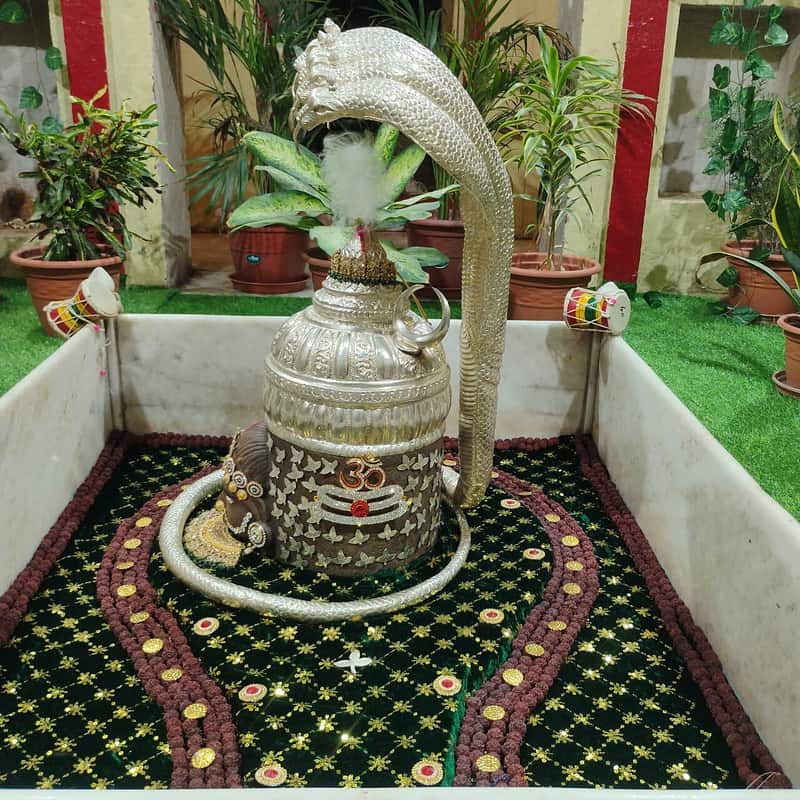
Bathing: The Morning Scene
The morning scene at Gai Ghat is the heart of the place, and it is performed without an audience. Bathers arrive singly or in small groups, wrapped in cloth against the pre-dawn chill, and by first light the water is full of gentle commotion — the gasp of cold immersion, the laughter that follows it, the slap of wet arms on arms. Many smear mustard oil over their bodies before stepping in, working it into the skin with slow, practised strokes, and some perform the first rites of the day on the steps: water cupped and lifted to the rising sun, a verse murmured into the palms, a red tilak pressed on the forehead before the day begins. The river receives them without ceremony; it has been receiving bathers on this spot for so many centuries that the morning itself seems to follow the old choreography.
Each family, it seems, has its own step. Old men settle into the shallows and perform slow exercises, counting their breaths; women rinse saris and spread them to dry on the stones, keeping up a running conversation that rises and falls with the lap of the water; children, taught from the age they can walk, practise the strokes of swimming along the edges while elders call advice. Every now and then a bather cups water in both hands and lets it pour back slowly, an act so old that no one can remember learning it. The sun climbs over the far bank, the fog thins, the bells of the lanes begin, and the bathing goes on, unhurried, as it has for generations. No one watches, and that is the whole point: this is not a performance but a habit, the city brushing its teeth at the world's oldest river.
What makes this simple scene so moving is its ordinariness. Here the Ganga is not a spectacle to be photographed but a presence to be met — cool, muddy, generous, the same water that has carried the prayers of countless generations. The teaching of the river is equality: it receives the merchant and the boatman, the scholar and the cowherd, without preference or price. Watching the bathers of Gai Ghat, you understand that religion here is not an event on the calendar but a habit of the skin and the soul, renewed every morning in the cold of the water and the warmth of the rising sun. To bathe here is to step, for a few minutes, into the oldest rhythm the city knows.
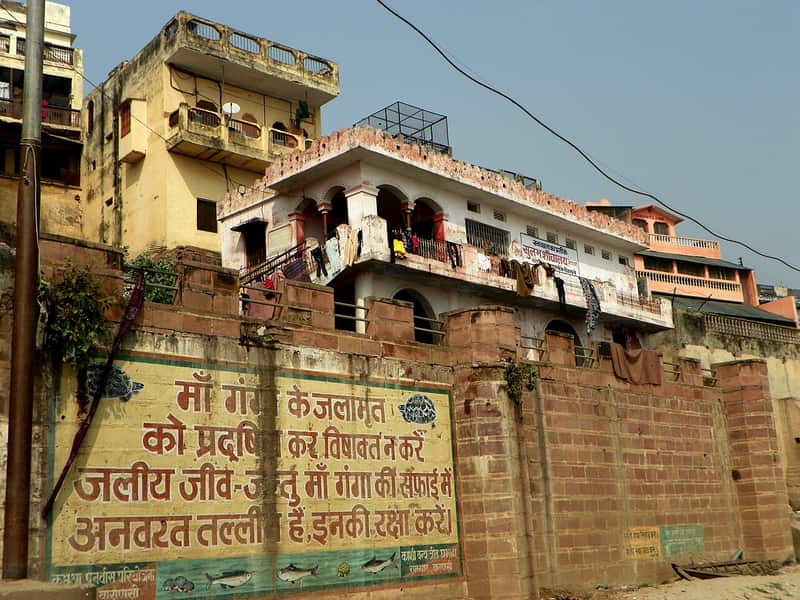
Animals: The Cows and the Pastoral Character
If a single creature could be called the soul of Gai Ghat, it would be the cow. At almost any hour of the day you will find one standing knee-deep in the shallows, eyes half-closed, tail describing slow arcs against the flies, entirely at peace in a way that humans rarely manage. Calves wobble at the water's edge, testing the mud with their muzzles, while their mothers drink long and noisily, the water level visibly falling around their chins. On hot afternoons the cows of the neighbourhood make their way to the ghat on their own, as if keeping an appointment, and lower themselves into the river with the satisfaction of old men settling into a bathhouse. The people of the ghat treat these visits as a matter of course; a ghat without cows, they will tell you, would be like a kitchen without firewood.
The pastoral character of the place runs deeper than the occasional visitor. A cowherd from the lane behind the ghat brings his small herd down twice a day, summer and winter alike, and the animals know the way better than he does; they pause at the top step to consider the water, then descend in single file with surprising delicacy. The people of the neighbourhood feed them — a roti here, a bundle of greens there, a palm of water when the river runs low — and the morning offering of feed to a cow is counted a small, sure piece of merit. Even the dung that is gathered and shaped into pats to dry on the walls is put to use, a reminder that nothing in this economy is wasted, and nothing is ashamed of itself.
This easy coexistence of people and cattle is one of the oldest pictures of Indian life, and at Gai Ghat it has not yet been tidied away. The cow here is not an ornament of myth or a prop for photographs; she is a working member of the household of the street, honoured in practice rather than in theory. Sacredness, in this older way of thinking, is not a separate sphere but the flavour of ordinary life — to water a thirsty animal, to share a meal, to give shade to a stranger is to touch the divine as surely as any ritual. Standing on the steps with a cow breathing patiently at your side, you feel the truth of it in your bones: the holy is not far away. It has simply come down to the river for a drink.
The River: Water and Its Moods
The river at Gai Ghat is broad, slow, and surprisingly quiet. The current runs far out, beyond the shallows where the bathers stand, and on still mornings the surface lies like old brass, broken only by the passage of boats. In winter the fog swallows the far bank completely, so that the ghat seems to hang at the edge of a white void; in summer the water draws back, leaving long mudbanks where the cattle walk and the gulls complain. The river here does not rush and it does not perform; it simply moves, at its own enormous pace, carrying the city's history and its silt towards the sea in a single unhurried gesture. Fishermen read its moods like a familiar face, and the boatmen say that the Ganga of the northern ghats is a different character from the one they know downstream — older, slower, more reflective.
The monsoon changes everything. When the rains come, the river swells until it licks the topmost steps, and the ghat's lower world — the landing, the sandbar, the mud paths — vanishes under chocolate-coloured water that slides past with a muscular, patient force. Boats are hauled up to the level of the first houses, and the cows are kept away from the water's pull. Then, as the floods recede, the river begins its slow retreat, leaving behind clean sand and driftwood and the smell of wet earth. The people of the ghat watch the water level as others watch the clock; the river is their calendar, their news, and their judge. A year at Gai Ghat is not counted in months but in the height of the Ganga, and everyone knows what the river owes them by the time it leaves.
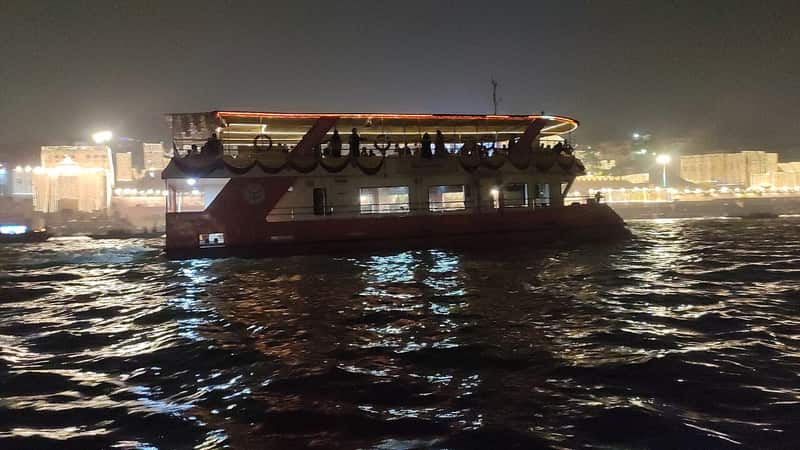
The river's moods are the ghat's moods. At dawn the water turns to hammered gold; by noon it flashes silver and white; at dusk it deepens through rose and violet until the lamps of the boats begin to tremble in it like small, orange stars. When night falls the city behind the ghat scatters its lights across the surface, and the river becomes a mirror of the town it has carried for so long. The people who live here do not talk about the Ganga as a view; she is a presence, a member of the family, the one thing that has never changed and never once stayed the same. That double truth — always the same, never the same — is the river's oldest teaching.
Neighbourhood: The Lanes and Mohalla Behind
Behind Gai Ghat, the city climbs. Narrow lanes — the famous galis of old Varanasi — rise steeply from the waterline, turning left and right with the confident confusion of streets built before geometry had a say. The houses are of brick and lime, four and five storeys tall, their walls leaning together across the lane so that the sky is a thin, bright ribbon overhead. Doorways open directly onto the alley, revealing courtyards where women grind spices and old men read newspapers, and every threshold is worn into a smooth hollow by generations of bare feet. It is a world built for shadow and coolness, for gossip passed window to window, for the slow arithmetic of shared courtyards. To walk these lanes is to feel the age of the city in your skin, as if every step were pressing down on layers of other steps, older ones, going all the way down to the founding stories.
The lanes supply everything the ghat needs and consume everything it offers. A chai stall at the top of the first alley does a brisk trade with the boatmen; a paan shop glows amber under its bulb; a Hanuman shrine occupies a niche in the wall, its stones orange with vermilion and its bell worn thin by fingers. A sweet-maker's oven exhales the smell of ghee and cardamom into the alley at festival time, and a carpenter's workshop spills shavings across the stones. Radios play film songs from open windows; a barber sets his mirror against a pillar and works in the shade; pigeons explode off a rooftop with a clatter of wings whenever a kite passes. The sounds of the lanes and the sounds of the river mingle at the top of the ghat like two old friends talking at once, and neither seems willing to let the other finish.
This is a true mohalla, a neighbourhood with a memory. Families here trace their presence on the same street through many generations; weddings spill out of the lanes onto the ghat itself, processions marching down to the water with drums and marigolds; funerals pass quietly in the other direction, carried along the old road of the north. During the monsoon repairs the whole lane becomes a workshop of ladders and pulleys, and during festivals the ghat becomes the drawing room of the neighbourhood, hung with lights and alive with children. The front porch of this world is Gai Ghat. Sit on its steps long enough, and you will be greeted, sized up, and — once the old women have decided you are harmless — gently folded into the life of the place.
Nearby: Lal Ghat and the Chain of Small Ghats
Gai Ghat is one link in the long chain of small ghats that fills the northern riverfront, and its nearest landmark is Lal Ghat, only a few minutes' walk along the bank. Lal Ghat is a little larger and a little busier, with more boats tied at its landing and more pilgrims resting on its steps, and its name — the red ghat — suggests a history of painted stone and merchant wealth. The two ghats sit so close together that in the confusion of the waterline they appear to be one continuous landing, and the people of both treat the boundary as a matter of opinion. For the visitor, the walk between them is the pleasantest kind of education: every few steps the view of the river opens out, and every few steps the character of the bank shifts.
Beyond Lal Ghat the chain continues northward, ghat after ghat, each with its own name, its own legend, its own favourite son or forgotten patron. Some are so small that they are barely more than a few steps and a shrine; others carry the memory of a raja or a merchant house that has long since faded. Walking north along this quiet succession of landings, you gradually leave the well-known city behind. The crowds thin, the boats grow fewer, and after a while you reach the broad, open reaches near Raj Ghat, where the Varuna river joins the Ganga and the northern edge of the city opens onto fields and water. It is a walk through the deep past of Varanasi, unhurried and largely unvisited. The few travellers who make it this far find themselves rewarded with the most generous views of the river to be had anywhere in the city.
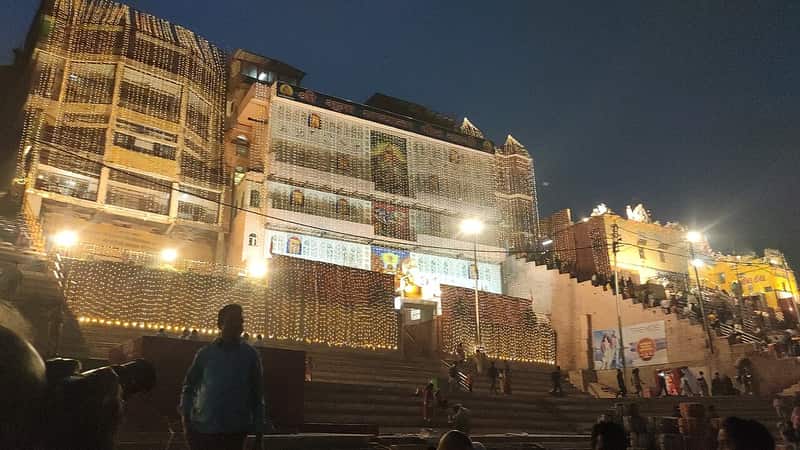
To the south, meanwhile, lie the great ghats of the city — the pyres of Manikarnika, the terrace of Scindia, the carnival of Dashashwamedh — all within easy walking distance along the bank, yet a world away in feeling. This position makes Gai Ghat an excellent base for the classic Varanasi riverside walk: begin here in the quiet, follow the water south, and let the city reveal itself in stages, from the homely to the heroic. Return in the evening, when the northern ghats fall silent again and the last boats come in, and you will understand the geography of Varanasi in a way that no map can teach — as a river of life that flows from the simple to the magnificent and back again.
Atmosphere: Earthy and Homely
The atmosphere of Gai Ghat is earthy and homely, and it begins with the smells. River silt and woodsmoke, mustard oil and marigold, dung drying on a wall and tea boiling with cardamom — the air here is a recipe that has been simmering for centuries. Dust motes float in the morning light that slants across the steps, and the whole place has the comfortable, lived-in look of a house that has never known a museum. Nothing has been arranged for effect; the boats lie where the boatmen left them, the laundry dries where the day's sun finds it, and the cows stand where the cows have always stood. It is this unselfconsciousness, more than any beauty, that visitors remember. The beauty is there, of course, but it arrives sideways, in the way light moves on the water and smoke moves in the air, rather than in any view that has been composed for a camera.
Time at Gai Ghat moves at the pace of the place, which is to say slowly and without apology. An old woman winnows grain on her doorstep, the chaff drifting into the lane in a golden drizzle; a barber works under a tree at the top of the ghat, patient as the hour; a bicycle loaded with milk cans wobbles down the slope, its bell a cheerful warning. Nobody is rushing anywhere, because there is nowhere to rush to and nothing to prove. Conversations are long, silences are longer, and the river makes no demands at all. Visitors accustomed to the tempo of modern travel sometimes find this disorienting at first, then restful, then necessary — the ghat has a way of slowing the heart simply by being itself.
Many visitors leave with the same verdict: it feels like a village that happens to be in a city. There is none of the stage management of the famous ghats — no floodlights, no sound systems, no painted signs, no one selling you anything but tea and conversation. Just stone and water and cattle and people, and over all of it the enormous sky that hangs above the Ganga. In an age when everything ancient is being polished for display, Gai Ghat remains stubbornly, marvellously unpolished. It is not the most beautiful ghat in Varanasi, and it would be the last to claim the title. But it is one of the truest, and truth, on the banks of the holy river, wears the homely face of an everyday kindness.

Devotion: Everyday Piety
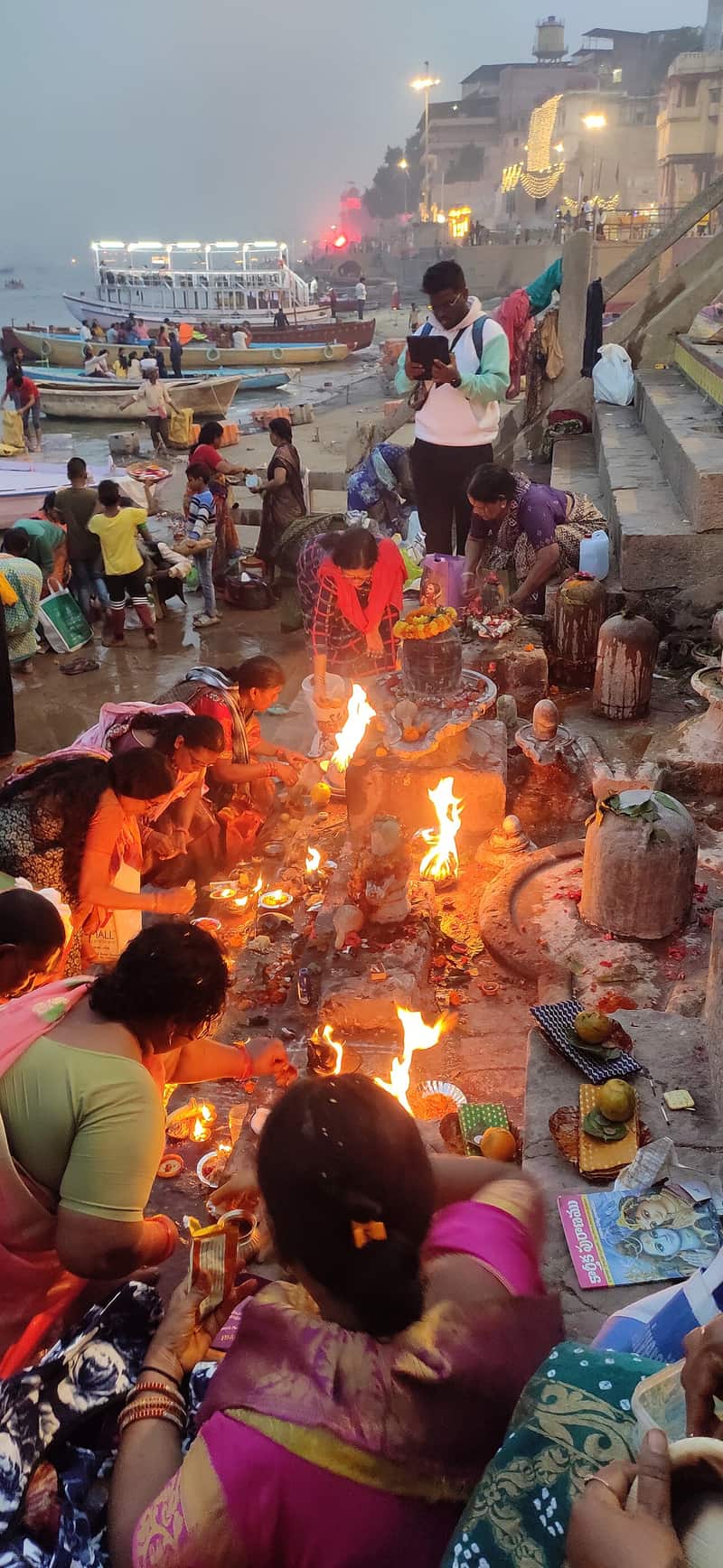
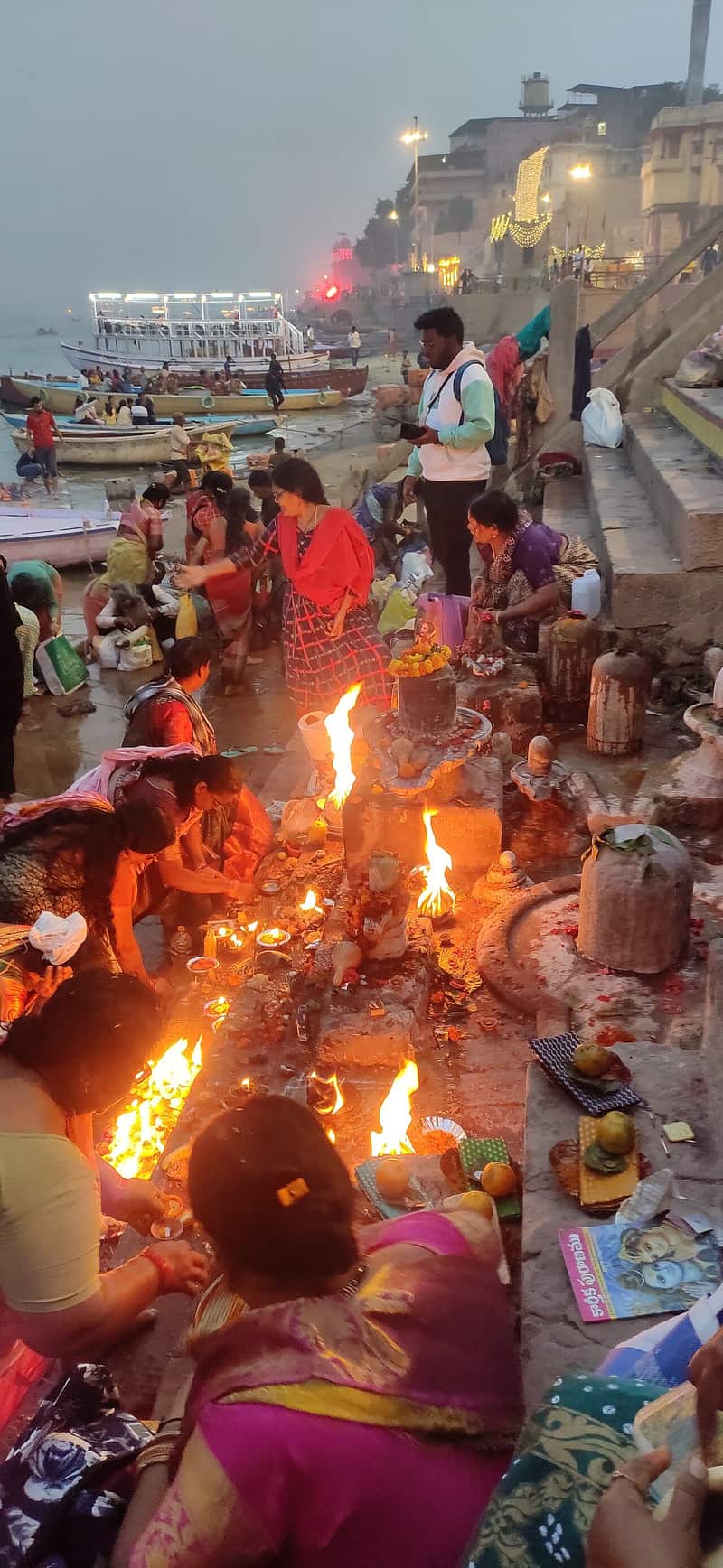
Piety at Gai Ghat is everyday, unhurried, and entirely without theatre. At dawn a woman pours water from a brass lota into the river, palms joined, lips moving through the names of the family's dead — tarpan, the feeding of the ancestors, performed with the same quietness as brushing one's hair. A man marks his forehead with ashes from the morning fire before he even opens his shop. Another lays a garland of marigolds on the small shrine at the back of the ghat and folds his hands for exactly as long as it takes to finish a single prayer. There are no crowds, no microphones, no drums; devotion here is a private conversation conducted in public, and the river is the patient listener at every one of them. What the famous aartis perform for thousands, the people of this ghat do quietly, for themselves, before the sun is well up.
The little shrine behind the landing is the devotional centre of the ghat. A trident stands before a black stone lingam; strings of marigolds, dried and fragrant, are looped over the trident; a small lamp burns in a niche and is never allowed to go out — the first act of the neighbourhood's day is to see the flame fed. As bathers pass on their way to the water they ring the hanging bell, and its note, thin and bright, hangs in the air over the river like a greeting. Children sent on errands ring it as they run; boatmen ring it before they push off. The bell asks nothing and answers everything, and its constant small music is the ghat's own form of prayer. Old women sit by the shrine in the afternoons, their lips moving through counts of beads, and no one thinks it strange that the holiest corner of the ghat is also its most sociable.
Devotion here has a practical, unhurried grammar. Feeding a cow is worship; offering water to the rising sun is worship; saying the name of God while climbing the steps, one syllable per breath, is worship. Offerings are small and sincere — a handful of grain, a coin laid by the trident, a spoonful of oil for the lamp — and they are made without fuss, the way one might water a plant. This is the old piety of the city, older than its great temples, older than its processions: the conviction that the divine is woven into the chores of the day, and that no act of kindness, however small, is outside the circle of the sacred. Gai Ghat practises that conviction quietly, and in practising it, keeps it alive.
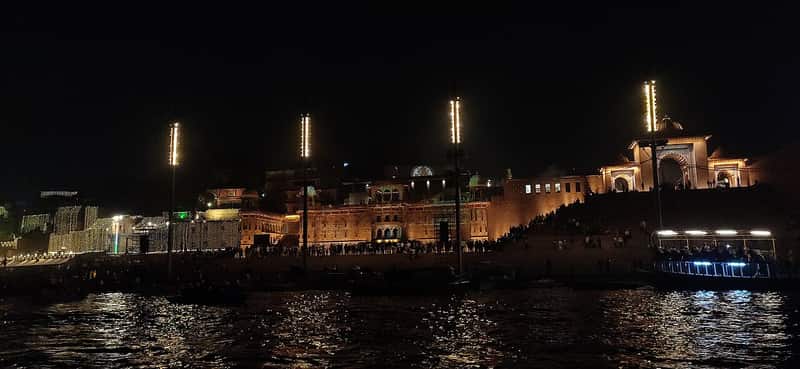
Etiquette: Respectful Conduct
A little care makes a visit to Gai Ghat a pleasure for everyone. Dress modestly, covering shoulders and knees, the way the bathers themselves do, and remove your footwear before entering the shrine at the back of the ghat or before touching the water for any devotional purpose. The ghat is a working place, not a park; the steps are uneven and often wet, so walk slowly and wear shoes with a good grip, especially when the stones are slick with dew or rain. If you are offered tea by a boatman or a stall holder, accept it if you can — it is the neighbourhood's way of testing whether you are friend or customer, and friend is a better thing to be. A smile and a folded namaste will carry you further here than any amount of bargaining skill.
Photography calls for particular delicacy. The ghat may look like a painting, but the people on it are not props: ask before photographing anyone, and respect a no without pressing. Never photograph anyone bathing, and never photograph prayers, offerings, or the shrine while rites are in progress; wait until the moment has passed and the people themselves invite the camera. Likewise, do not touch religious objects — the trident, the lingam, the lamp, the garlands — and do not disturb offerings laid on the steps or at the waterline. If a cow is drinking or resting, give her a wide, easy berth; like most residents of the ghat, she will tolerate a stranger perfectly well as long as she is not cornered.
Finally, remember that the river is sacred and shared. Do not throw litter, plastic, or any waste into the water, and do not use detergents or soap directly in the river if you can help it — the bathers and the cattle drink from the same water you would like to admire. Keep noise modest, especially early in the morning and at dusk, when the ghat is at prayer or at rest. And above all, move gently: sit where the residents sit, greet who greets you, buy a cup of tea, watch without staring. The golden rule of Gai Ghat is the golden rule everywhere, only older: behave as a guest, and you will be treated as family. Do that, and the ghat will show you its best self.

Practical: Reach, Best Time, and Neighbouring Ghats
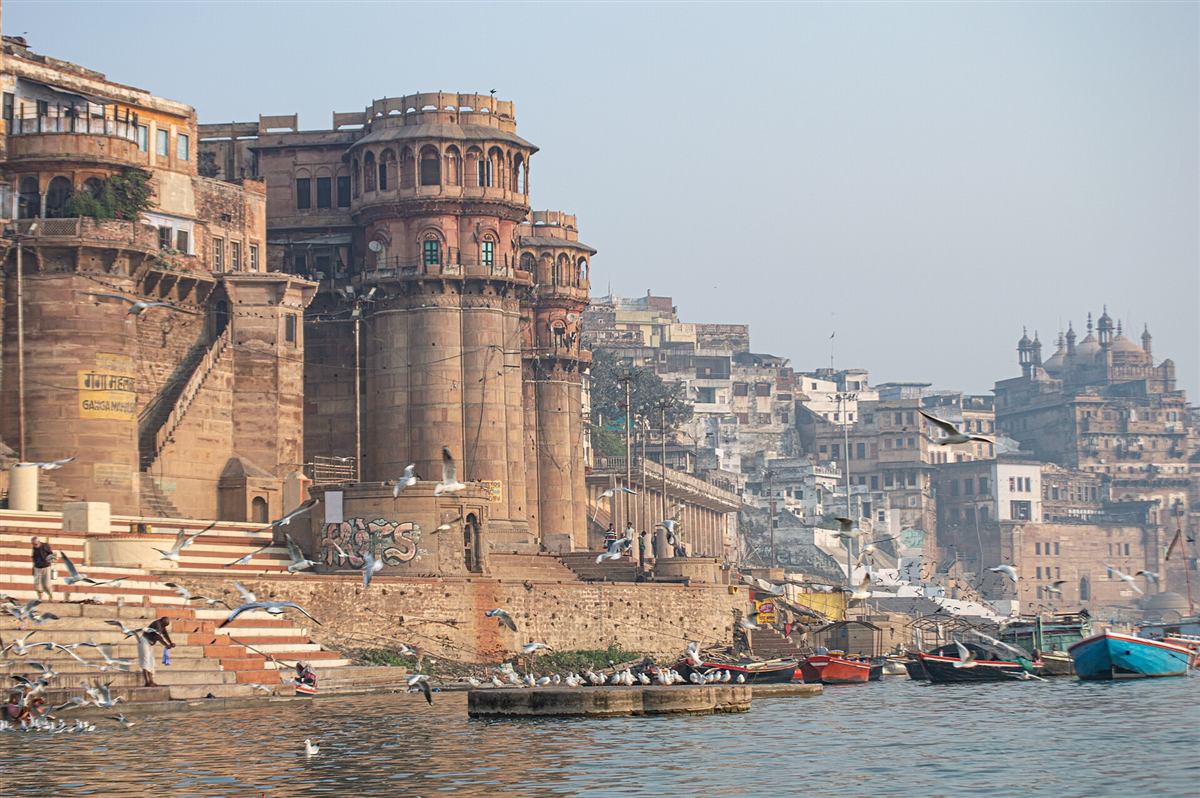
Reaching Gai Ghat is part of the pleasure. The most rewarding approach is on foot along the ghats themselves: from Dashashwamedh, the city's great bathing ghat, the walk north takes about thirty to forty unhurried minutes, passing Manikarnika and Scindia before the crowd thins and the small northern ghats begin. By water is even lovelier — any of the boatmen along the southern ghats will row you north at dawn for a modest fare, and approaching from the river gives you the classic view of the ghat as a staircase climbing out of the Ganga. By land, take an auto-rickshaw or taxi to the old city's northern edge, then walk the last few lanes on foot; the final stretch is too narrow for vehicles, and too charming to miss.
The best time to visit is early morning, between sunrise and nine in the morning, when the bathing, the boats, and the light are all at their best; the morning scene is the soul of the ghat, and the first hour is its quietest and most golden. Late afternoon, from about four until sunset, offers a second fine window, when the amber light and the returning boats give the landing a gently festive air. The most comfortable months are October through March; April to June is intensely hot, and the ghats are best left to the residents. During the monsoon, roughly July to September, the river rises and the lower steps may be submerged, so check the water level before planning a long riverside walk. Carry drinking water, sunscreen, and small change for tea, and remember that the ghat has no facilities — it is old in every sense, and expects visitors to be self-sufficient.
Gai Ghat is best enjoyed as part of a larger riverside day. Combine it with a walk along the northern chain to Lal Ghat and beyond, with a dawn boat trip from the southern ghats, or with an evening stroll back toward the great ghats, when the lamps are being lit and the river turns to black glass. Allow a full morning here if you can; the ghat rewards patience the way it rewards silence. And if the day permits, do what the residents do: take off your shoes, sit on the steps, watch the cows and the boats and the sun on the water, and let the city come to you. That, in the end, is the whole art of visiting Gai Ghat — and the whole reward.
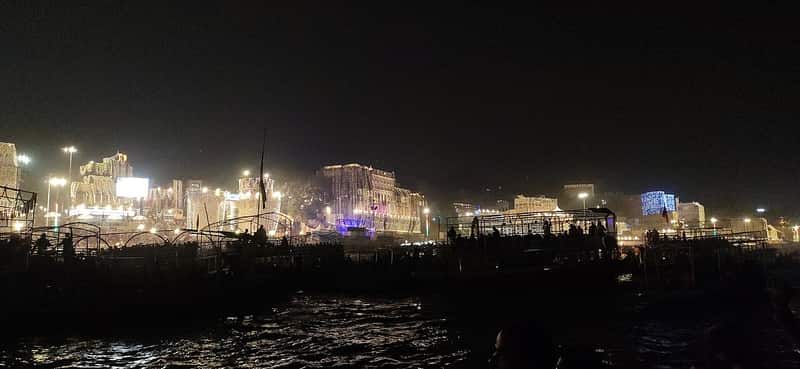
Gai Ghat — Gallery (12 Photos)
Image Credits
gai-01.jpg · gai-02.jpg · gai-03.jpg · gai-04.jpg · gai-05.jpg · gai-06.jpg · gai-07.jpg · gai-08.jpg · gai-09.jpg · gai-10.jpg · gai-11.jpg · gai-12.jpg — Wikimedia Commons, under free licenses.
Continue exploring
Similar Ghats Nearby
Book This Ghat — Get Notified
Download the app now and book a boat ride to Gai Ghat