

Ganga Mahal Ghat (I)
Neighbourhood GhatGanga Mahal Ghat I is a famous historic ghat built by a king in the 18th century.


Type
Neighbourhood Ghat
Boat Fare
1x base fare
Best Time
6-9 AM — peaceful bathing without crowds
History
Built by a King in the 18th century. A famous palace is atop the ghat.
Highlights
- Glimpse of royal palace architecture
- Calm atmosphere away from the crowd
- Ideal for a quiet morning bath
- Short walk from Assi Ghat
Festivals & Events
How pricing works in the NaviX app
No haggling at the ghat — everything is fixed in the app first
- 1
Fixed price before you board
The fare is shown in the app upfront — no bargaining at the ghat
- 2
Sharing or private — your choice
Share with fellow travelers or take the whole boat for your group
- 3
Pay only after the ride
UPI, card or cash — with an instant receipt
🕉️
Aarti details not available for this ghat yet
Complete Guide
Ganga Mahal Ghat (I) — The Complete Guide
History, mythology, rites and practical details — everything in depth.
On this page
- 1.Ganga Mahal Ghat — The Palace of the River
- 2.The Palace of the Kashi Naresh
- 3.A Royal History on the Riverbank
- 4.Facade, Arches and the Grand Staircase
- 5.Bathing and the Rhythm of the Morning
- 6.Boats, Moorings and the Deep Water
- 7.The Light of Sunrise at Ganga Mahal
- 8.The Ghat From the River
- 9.The Quiet Lanes Behind the Palace
- 10.Festivals of the Royal Ghat
- 11.Etiquette for Visitors
- 12.Practical Information and How to Reach
📅 Updated: 21 Aug 2026 · Author: NaviX Field Team (field research 2024-26) · 12 sections · 12 photos
Ganga Mahal Ghat — The Palace of the River
Ganga Mahal Ghat is one of the most imposing sights on the southern stretch of the Varanasi riverfront, a bathing place built not by merchants or temple trusts but by the royal house of Kashi itself. Above its wide stone steps rises the grand frontage of the Ganga Mahal, the river palace of the Kashi Naresh, the hereditary Maharaja of Varanasi, whose long balconies and arched windows look out across the water with the calm authority of an old dynasty. The ghat stands on the broad southern curve of the river, a short distance north of Assi Ghat and not far from the newer Nishadraj Ghat, in a stretch of the city where the crowds of Dashashwamedh seem very far away. Everything here is quieter, slower and more dignified: the bathers are mostly local families, the boatmen idle at their moorings, and the palace itself keeps a watchful silence over the steps.
The Ganga Mahal was built as a royal residence with a private bathing ghat, and for generations the Maharaja of Varanasi and his family used these very steps for ceremonial bathing during the great festivals of the year. On such days the palace doors would open, the royal household would descend to the water, and the ghat would briefly assume the character of a court rather than a river landing. In ordinary times the palace kept its distance from the daily bustle, and the ghat below belonged to the common people of Kashi, who came to bathe, to offer water to the sun, and to sit in the shade of the great facade. This double life — royal on the outside, popular within — is what gives Ganga Mahal its distinctive character. It is a palace that never closed itself off from the river, and a ghat that never lost its regal bearing. Standing on the steps, one feels the presence of both worlds at once.
Varanasi's ghats were raised by kings and nobles who competed to leave their mark on the sacred river, and Ganga Mahal is among the most splendid results of that long tradition. Where other rulers built modest landings or small pavilions, the Kashi Naresh built a palace, and the riverfront still carries the pride of that decision. For the visitor the ghat offers the simplest of pleasures: a quiet seat on the steps, the morning sun on the water, the slow comings and goings of boats, and a view of the palace that changes with every hour of light. From sunrise to dusk the facade glows and fades, and at night its lit windows throw a warm reflection across the current. First-time visitors often pass Ganga Mahal on a boat and resolve to return; those who do return usually find that the palace ghat becomes one of their favourite places in the whole of Kashi.
The Palace of the Kashi Naresh
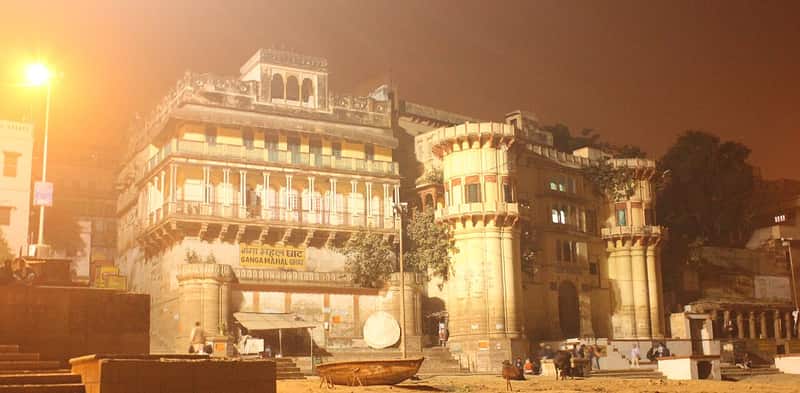
The Ganga Mahal is the palace of the Kashi Naresh, the Maharaja of Varanasi, and it is one of the few riverfront palaces of the city that still dominates its ghat from top to bottom. Built in the nineteenth century at the height of the dynasty's power, it was designed to be seen from the water, and every detail of its frontage — the long balconies, the rows of arched windows, the carved eaves and the broad parapet — faces the river like the bows of a great ship. The palace rises directly from the crest of the ghat, so that the stone steps of the bathing place appear to lead straight into the royal household. This seamless connection between palace and ghat was deliberate: for the Kashi Naresh, the river was not merely a boundary of the city but the sacred front garden of his own home.
The interior life of the palace is private and largely hidden from view, but its balconies tell an eloquent story. From these open galleries the Maharaja and his family watched the great processions of the river — the flotillas of boats at Kartik Purnima, the torchlight ceremonies, the endless daily pageant of bathers and pilgrims that has passed beneath their windows for nearly two centuries. Royal children were said to have learned to swim in the deep water off the ghat, and the ladies of the household, screened by latticed jharokhas, would watch the festivals without being seen themselves. The palace was thus both a residence and a viewing stand for the sacred theatre of Kashi, a position that gave the ruling family a daily intimacy with the religious life of their city. Few royal houses in India could claim such a relationship with their people's holiest river.
Today the palace remains a landmark of the southern riverfront, its facade carefully maintained so that its nineteenth-century grandeur still reads clearly from the water. Parts of the building continue to be associated with the royal family, while the ghat below has passed entirely into the daily life of the city. The palace no longer receives its king for ceremonial baths with the old frequency, yet the royal link is still honoured — on the occasion of the great festivals the descendants of the Kashi Naresh have been known to appear on the balconies, and the people of the neighbourhood still refer to the building with the old respect. For the visitor, the palace is best understood as a living monument: not a museum frozen in time, but a home that has simply continued, for generations, to look out on the same sacred river.
A Royal History on the Riverbank
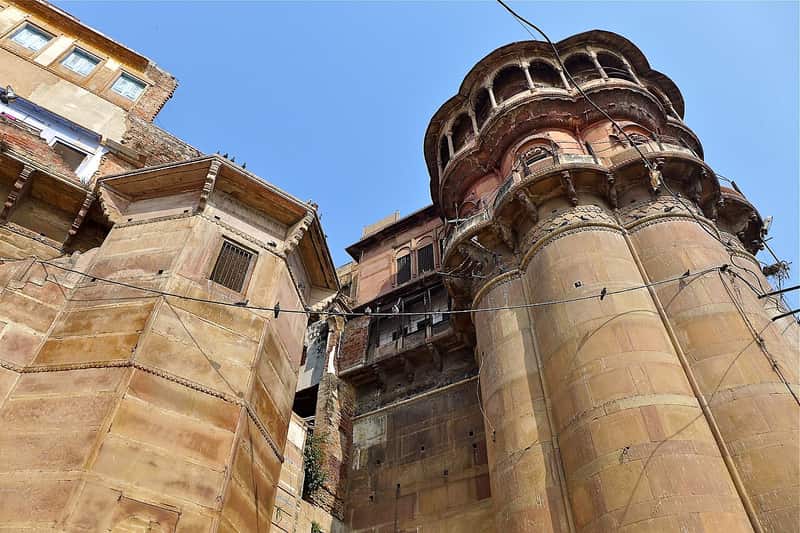
The history of Ganga Mahal Ghat is inseparable from the history of the Kashi Naresh, the ruling dynasty of Varanasi, whose ancestors governed the city for centuries under a succession of empires. When the family resolved in the nineteenth century to raise a permanent palace on the riverfront, they chose this spot on the southern curve of the Ganga, and with it came the construction of the ghat itself. The steps were laid in fine dressed stone, broad enough for royal processions and for the crowds of common bathers alike, and the palace above them was finished in the grand manner of the age, with balconies, arched windows and painted interiors meant to proclaim the dignity of the ruling house. For the people of the southern wards, the building of the palace ghat was a matter of pride, for it confirmed that their part of the city was worthy of the royal eye, and the lanes behind the ghat began to fill with the houses of courtiers, priests and officials who wished to live near the king's own doorway.
The Kashi Naresh was not merely a ceremonial figure; he was the hereditary guardian of the city's sacred order, and the riverfront was the stage on which that guardianship was displayed. It was the Maharaja's duty to receive the great processions, to bathe at the holy moments of the calendar, and to patronise the priests, the boatmen and the builders who kept the ghats alive. Ganga Mahal was the southern anchor of this royal presence, balancing the older palaces of the northern riverfront, and from its balconies the dynasty watched over the festivals, the floods and the slow evolution of the city for generations. When the fortunes of the family declined with the coming of Independence, the palace remained — a memory in stone of a century in which Varanasi was still, in a very real sense, a king's city.
Historians of Varanasi note that the ghats were almost always acts of royal patronage, for only rulers commanded the resources and the labour to build on such a scale along the river. Ganga Mahal stands in that long tradition, and it is one of the finest examples that survive. Its history is also the history of the neighbourhood, whose families have served the palace for generations — boatmen who ferried the royal household, priests who conducted the rites, gardeners who kept the terraces green. Though the age of the maharajas has passed, the ghat continues the older story of the riverfront: one of continuity, in which each generation adds its own chapter to a tale that began long before the palace was dreamed of, and will continue long after the present age has become history.
Facade, Arches and the Grand Staircase
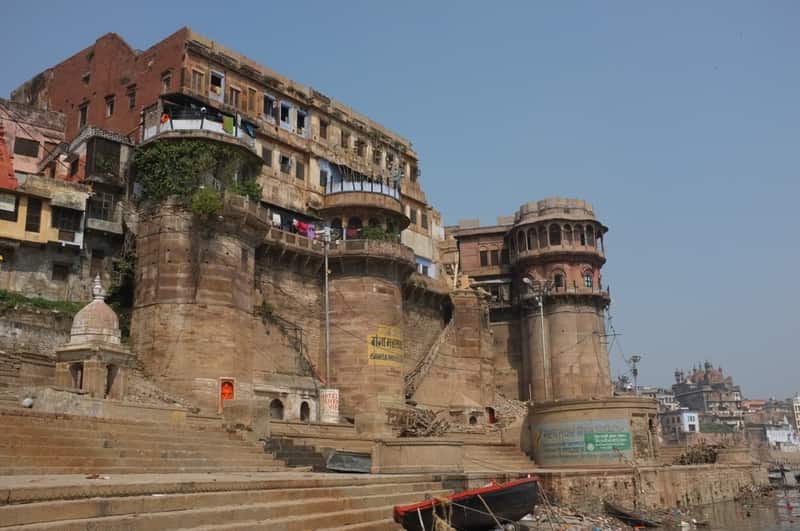
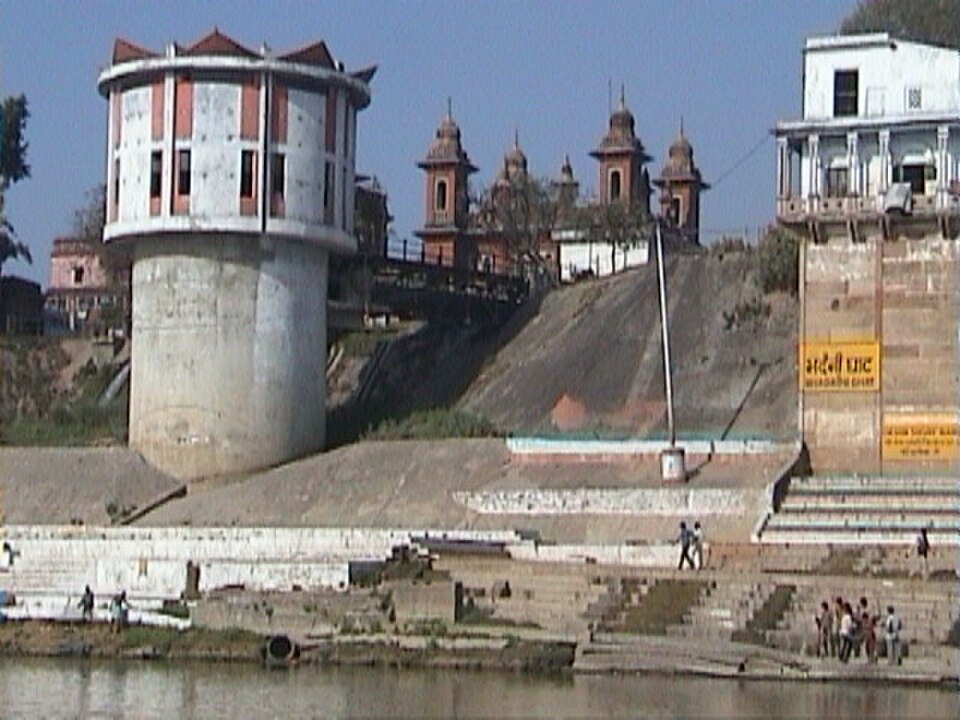
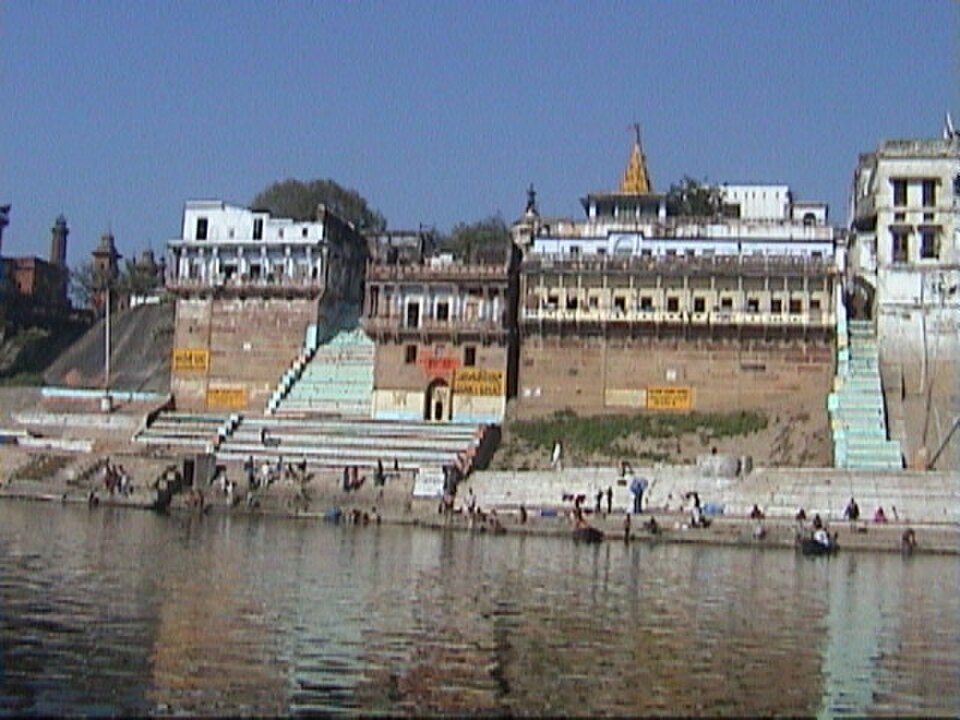
The architecture of Ganga Mahal Ghat is best read from the water, where the whole composition of palace and steps reveals itself at a glance. The facade stretches horizontally along the crest of the ghat, a long wall of pale plaster broken by rows of tall arched windows and framed by balconies that project over the street below. Each balcony is carried on carved brackets and finished with slender columns, giving the frontage a rhythm of light and shadow that changes through the day. The paint — cream, ochre and faded rose — softens the stone and gives the palace the appearance of a great stage set, an effect that was surely intended, for the river was the royal theatre and the palace its most important backdrop. The whole is crowned by a broad parapet with small cupolas at the corners, echoing the chhatris of older Rajput palaces and linking the building to the architectural language of the riverfront's other royal houses.
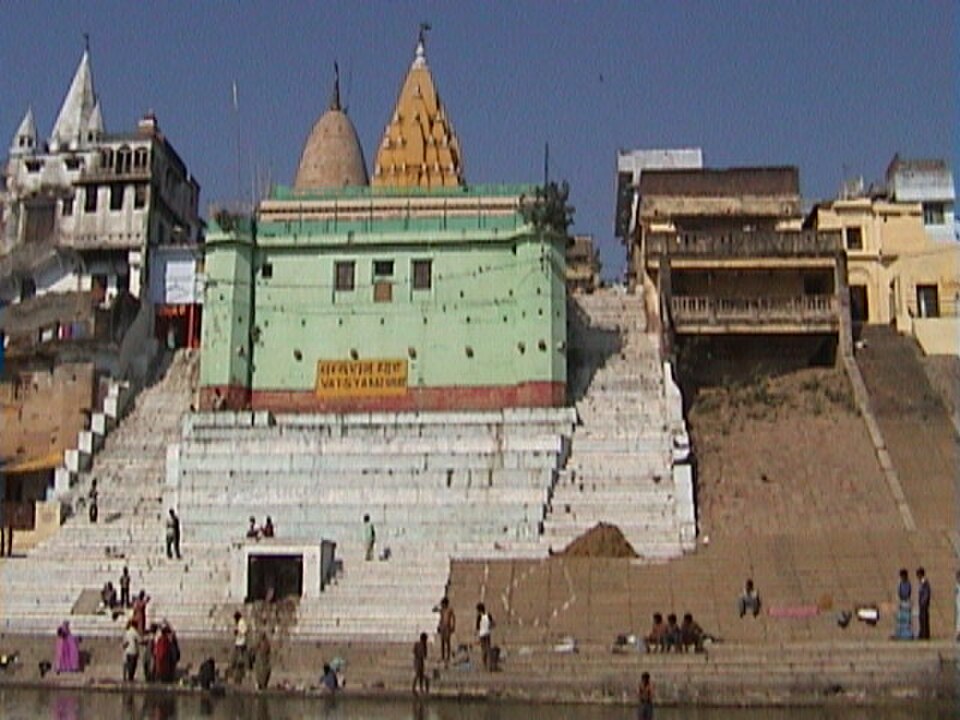
Below the palace the ghat unfolds in the form of a grand staircase, its wide stone steps descending in long straight flights to the water's edge. The steps are deeper and broader than those of many northern ghats, designed to accommodate the ceremonial bathing parties of the royal household as well as the everyday traffic of the city, and their generous proportions give the ghat its feeling of calm and space. Stone landings break the descent at intervals, and low walls with carved posts frame the edges, useful for resting and for mooring the long rowing boats that come alongside. The stairs are at their finest in the early morning, when the rising sun lays long shadows across the treads and the palace above turns a warm gold.
Detail rewards the patient eye. The arched windows of the facade are set in shallow recesses with keystones at their crowns, a fashion of the nineteenth century that blends Indian and European idioms in a way typical of the palace architecture of the age. Painted medallions and floral borders still linger on some sections of the plaster, faded but visible, remnants of a decorative scheme that once covered the whole frontage. Even the stone of the steps tells a story, for the blocks are dressed and fitted with a precision that speaks of royal funding and master masons. Restoration work over the decades has preserved these details without effacing them, so that a visitor standing on the ghat today sees essentially the same palace, and the same staircase, that the Kashi Naresh's architects completed in the nineteenth century.
Bathing and the Rhythm of the Morning
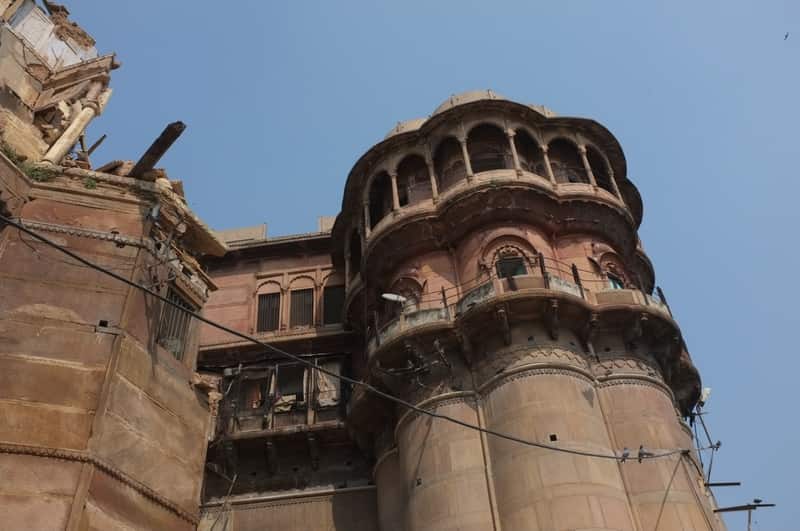
The daily life of Ganga Mahal Ghat begins in the grey hour before sunrise, when the first bathers come down the wide steps with their brass lotas, towels and small bundles of clean clothes. Unlike the crowded ghats of the north, where the morning bathing is a great communal event, the bathing here is a quieter, more intimate affair. Families bathe together, grandmothers and grandchildren, the women retreating to the more sheltered corners of the landing while the men plunge directly into the deep water off the steps. Many of these bathers have used this ghat for their entire lives, their families having bathed here for generations, and they are greeted by the same priests and the same boatmen who remember them as children. The water itself is considered especially pure on this stretch, and the deep channel close to the steps allows a full immersion that pilgrims value.
The priests of the ghat, a small and permanent brotherhood, begin their work at dawn, taking their places at the stone shrines above the waterline. Bathers who wish for a formal ritual make their sankalp — a solemn intention spoken under the guidance of a priest — before entering the water, and afterwards offer water to the rising sun, pour libations for the ancestors, and make small offerings of flowers and marigold garlands at the river's edge. On auspicious days the steps fill with rows of devotees facing the east, their hands cupped with water, their lips moving in the ancient mantras. The atmosphere is devout but unhurried, the sound of the mantras mingling with the slap of water, the cry of gulls and the first bells from the temples of the neighbourhood behind the palace.
By mid-morning the bathing is largely done, and the ghat passes into its working day. Laundry is beaten and rinsed on the lower steps, dhobi boats put out for the midstream washing, children splash in the shallows, and older men gather on the landings to read the newspapers and discuss the affairs of the city. The palace above keeps its watch, and the rhythm of the day flows on beneath it much as it has for generations. For the visitor, the morning bathing at Ganga Mahal is one of the most authentic experiences the riverfront can offer — not a performance staged for tourists, but the ordinary, sacred routine of Kashi, conducted with the dignity and calm that this royal ghat has always known. It is possible to sit on the upper steps for an hour and simply watch, and to feel that one has understood something true about the city that no guidebook could teach.
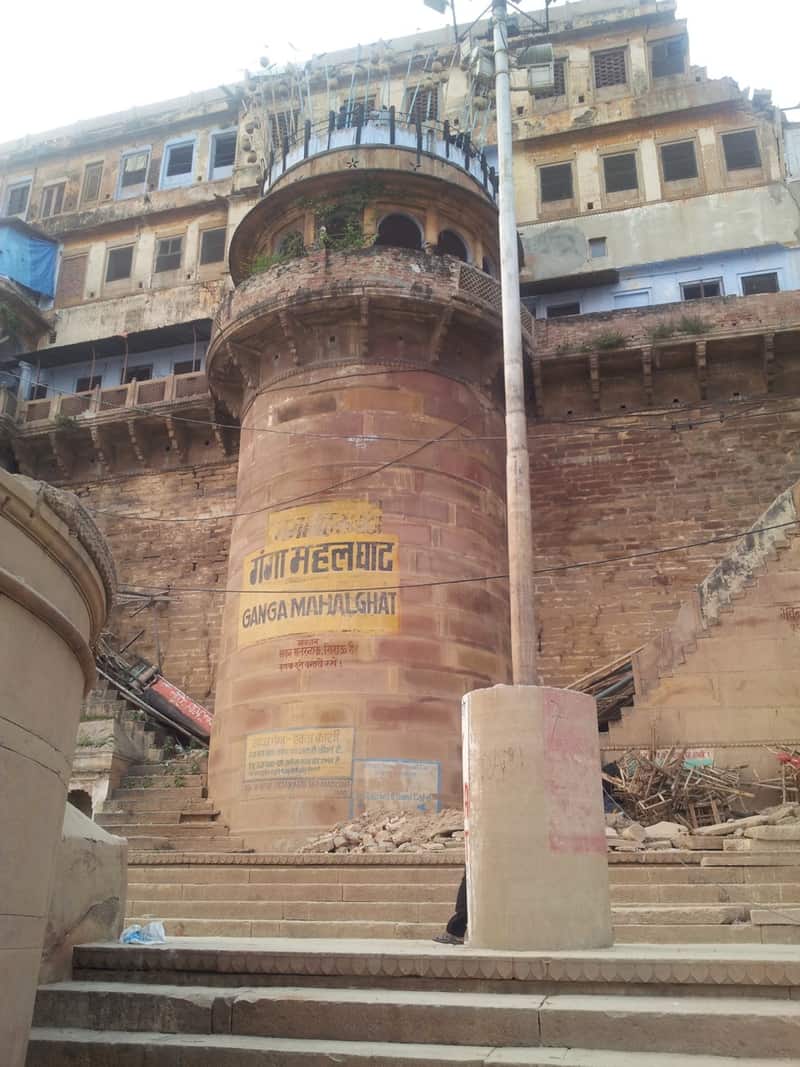
Boats, Moorings and the Deep Water
The water off Ganga Mahal Ghat is famously deep, for the river hugs the southern curve closely here, and this depth has shaped the life of the ghat in unexpected ways. Because the current runs strong and the bank shelves steeply, boats cannot beach themselves as they do at the shallower ghats; instead they moor against the stone steps themselves, their painted hulls rising and falling with the swell a few feet from where the bathers stand. The effect is intimate and practical at once, the long wooden boats of Varanasi — the patile and the larger bajra — lying alongside like waiting horses. Boatmen know this stretch of water intimately, the sandbars, the eddies and the places where the current turns, and they bring their craft in with the easy skill of a lifetime's practice.
The boatmen of Ganga Mahal belong to the oldest working community of the city, families that have ferried pilgrims and goods along the Ganga for generations. Their day begins before sunrise, when they take the first bathers to the deep channel for the morning dip and carry pilgrims south to the great ghat of Assi or north toward the crowded heart of the riverfront. Each boatman carries the geography of Varanasi in his head — the name and history of every ghat, the hours of the tides of faith, the moods of the river through the seasons — and a ride with an old boatman is a living lecture on the city. In the slack hours they mend nets, patch their boats' bottoms with tar and rope, and sleep curled in the stern, lulled by the water. Their work is seasonal as well as daily, swelling in the pilgrimage months and turning quiet in the rains, when the great river rises and the boats are hauled higher up the steps.
For the traveller, the boats are the best reason to pause at Ganga Mahal. From the water the palace reveals its full majesty, and a short cruise from here either south to Assi or north past the successive ghats is among the classic experiences of Varanasi. Sunrise is the finest hour, when the boats rock gently in the amber light and the palace facade glows above the mist. The boatmen will bargain cheerfully and fairly for an hour of rowing, and a modest fee buys a slow drift past some of the most beautiful riverfront in India. It is the oldest commerce of the city, conducted on these same waters since before the palace was built, and it continues today with the same unhurried rhythm.
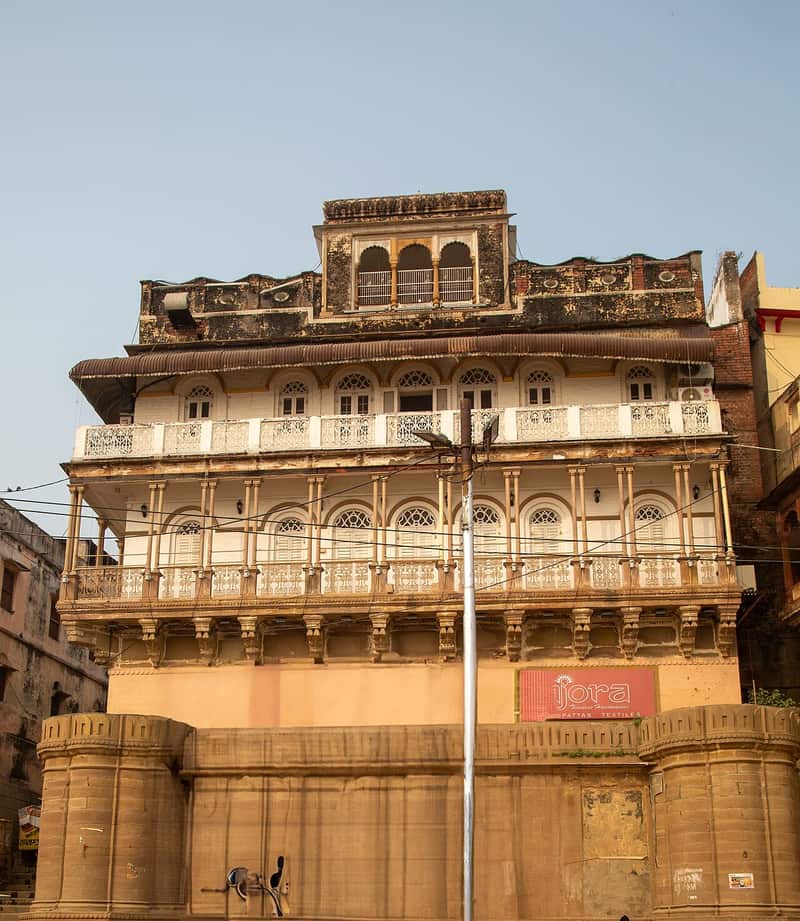
The Light of Sunrise at Ganga Mahal
Sunrise at Ganga Mahal Ghat is one of the quiet glories of Varanasi, an hour when the southern riverfront belongs to the light. The sun rises over the far eastern bank, beyond the low trees and the sandbanks of the far shore, and its first rays strike the water in a long lane of gold that runs from midstream all the way to the palace steps. The palace itself turns slowly from grey to rose to burning amber, each arch and balcony catching the light in turn, until the whole facade glows like a painted lantern. Because the ghat is off the main tourist route, this spectacle is witnessed by a handful of bathers, a few boatmen and perhaps a dozen visitors — an intimacy that the famous sunrise at Dashashwamedh, thronged with boats and crowds, can never offer.
The light changes the mood of the water as well. In the half-hour before the sun clears the horizon, the Ganga lies flat and silvery, streaked with pink and violet, and the deep channel off the ghat takes on the colour of polished steel. Then the first blade of sunlight touches it, and the surface breaks into a thousand shimmering scales. The bathers time their rituals to this moment, facing the rising sun with their palms raised in the arghya offering, and the air fills with the soft chant of the Gayatri mantra. Birds wheel over the water, gulls and cormorants and the occasional kingfisher, and the smoke of cooking fires begins to rise from the lanes behind the palace. Everything is slow, golden and hushed.
Photographers and painters have long been drawn to this light, and the ghat has a place in the visual memory of the city. From the upper steps one can frame the palace against the rising sun; from a boat, the same facade is reflected in the amber water. The best time is between six and seven in the winter months, when the sunrise is slow and dramatic, and a little earlier in summer. Those who come for the sunrise usually stay for the morning bathing and the slow breakfast of the ghat's lanes, turning a single hour of light into a whole morning by the river. In a city of magnificent dawns, the sunrise at Ganga Mahal remains the most serene, the least crowded and, for many, the most beautiful.
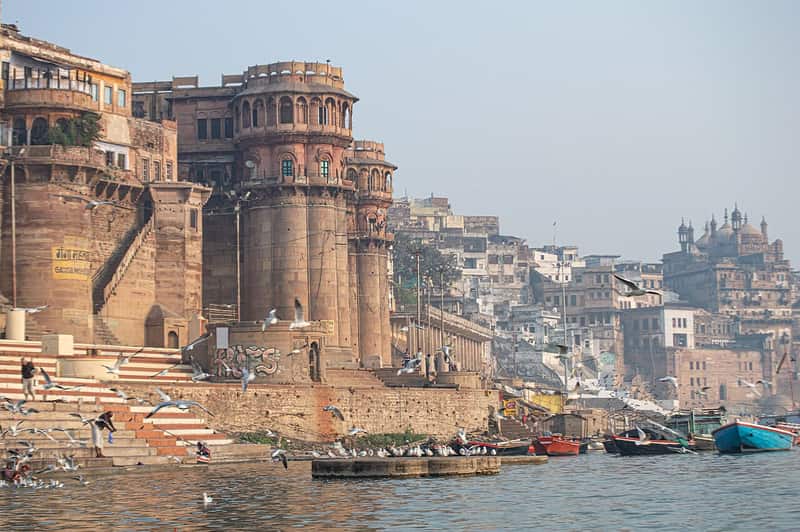
The Ghat From the River
The view of Ganga Mahal Ghat from the river is the view its builders intended, and it rewards every traveller who takes the trouble to look. From midstream the palace appears as a long, low crown set upon the crest of the steps, its horizontal facade balancing the vertical lines of the temples and the masts of the boats. The whole composition — steps, landings, palace, sky — holds together with the quiet assurance of a painting, and it changes character with every hour of the day. In the morning it reads as gold and white, at noon as pale ochre against the deep blue of the water, and at dusk as a dark silhouette pricked with lights. It is a landmark that boatmen point out with pride, one of the ghats that defines the southern riverfront.
From the same viewpoint the traveller can place Ganga Mahal in the larger geography of the river. To the south, a short distance along the curving bank, lies Assi Ghat with its trees and its broad ceremonial steps, the southernmost of the city's great ghats. To the north, the riverfront continues past the modest ghats of the southern stretch toward Nishadraj Ghat and, farther on, the crowded spectacle of the central ghats. Ganga Mahal sits between these two worlds — near enough to the calm of Assi to share its quiet, far enough from the clamour of Dashashwamedh to keep its own. Seen from the water, the ghat is also a lesson in the history of the riverfront, for the palace marks the point where the royal builders of the nineteenth century chose to make their grandest southern statement.
Boatmen cruising the southern stretch slow down as they pass the palace, and it is easy to understand why. The facade catches the afternoon light with particular brilliance, and on festival evenings strings of lamps along the steps turn the ghat into a glowing stairway that floats on the water. The reflections are the finest in the city, for the deep channel here holds the image of the palace steady, without the breaking and shattering that shallow water causes. Photographers in particular value a dawn or dusk passage past Ganga Mahal, and many of the best-known images of Varanasi's royal riverfront were taken from this stretch of the river. Whether in the full glare of midday or the soft haze of evening, the palace ghat seen from the water never fails to impress.
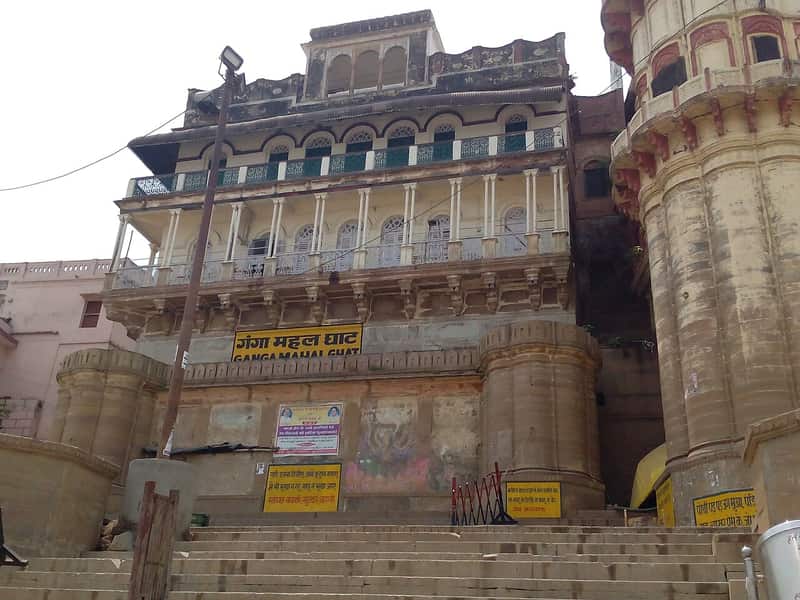
The Quiet Lanes Behind the Palace
Behind the palace, the city of the southern wards begins — a labyrinth of narrow lanes that climbs gently away from the river, lined with houses of an age that is hard to determine. The facades are plastered in faded yellows and pinks, with carved wooden doors, brass fittings and upper-storey balconies that lean toward one another across the lane. Many of these houses were built for the courtiers, priests and merchants who wished to live near the Kashi Naresh's palace, and their ornament suggests a prosperity that has quietly aged. The lanes are cool and shadowed even at midday, alive with the smells of cooking, incense and old wood, and with the sounds of radios, bells and the chatter of women drawing water.
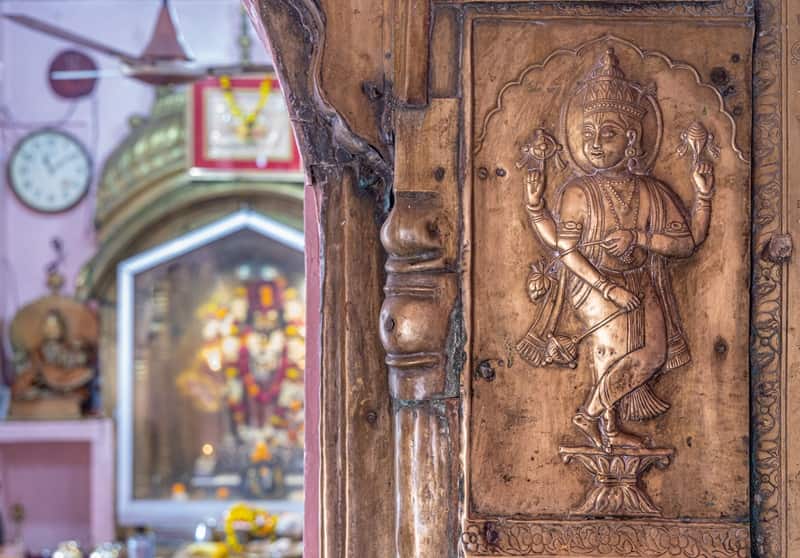
Temples punctuate the labyrinth at almost every turning. Some are substantial shrines with carved pillars and painted ceilings; others are tiny niches no larger than a cupboard, holding a single image garlanded with marigolds. The most important temples of the neighbourhood are associated with the palace itself, their festivals funded by the royal family for generations, and on auspicious days the lanes fill with the sound of conches and drums. Between the temples stand small shops selling puja materials, sweets, garlands and the brassware for which the lanes of Kashi are famous. The neighbourhood has a self-contained quality — a man could be born, married, served and cremated within a few hundred yards of the palace, and many families still live out their entire lives without leaving these lanes except for the great festivals.
The presence of the university, a short distance to the south, has added a newer layer to this old quarter. Students and teachers rent rooms in the old houses, small cafés have opened in the courtyards, and the lanes have acquired a mild bohemian air that sits easily with their antiquity. Yet the fundamental character of the neighbourhood remains unchanged: it is a community of families whose ancestors served the palace and the ghat, and who still measure their lives by the river and its seasons. Walking these lanes at dusk, when the shops light their lamps and the smell of evening meals fills the air, the visitor understands why the people of this quarter smile indulgently at the great tourist crowds of the northern ghats. They live beside the most beautiful palace ghat of Kashi, and they know it.
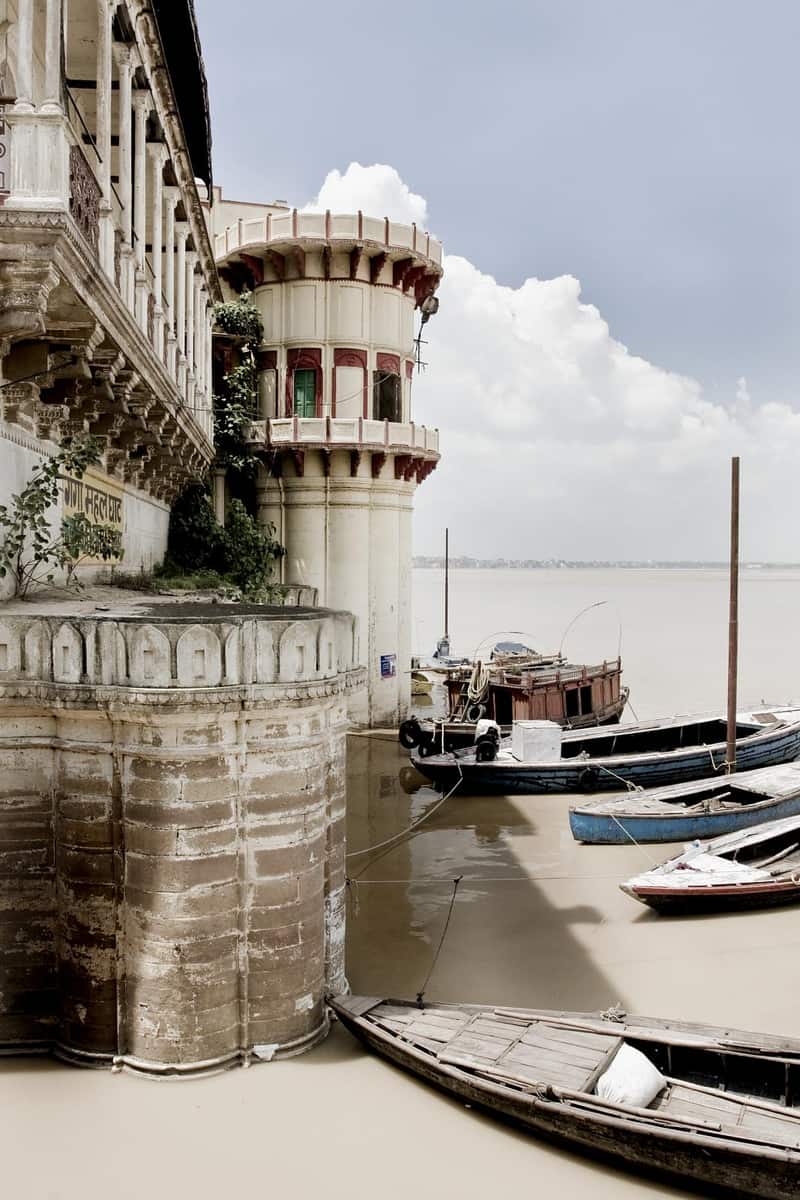
Festivals of the Royal Ghat
Ganga Mahal Ghat comes alive in a different way on the days of the great festivals, when its royal history and its sacred function combine in celebrations of remarkable beauty. Kartik Purnima, the full moon of the Kartik month, is the greatest of these occasions: on this day the ghat is thronged with pilgrims who bathe at the sacred hour and float lamps on the water, and the palace, lit from within, looks down on a river covered with points of light. The festival recalls the old royal ceremonies, when the Maharaja himself would descend the steps with his household, and the ghat retains a memory of those processions even today. For the visitor it is an unforgettable sight, and the southern ghats, being quieter, offer the best view of the spectacle without the crush of the central riverfront.
The other festivals of the year follow the rhythm of the sacred calendar. Makar Sankranti in January brings bathers for the winter solstice dip, when the water is cold and the steps are warm with the press of bodies. The month of Kartik itself, with its daily predawn bathing, gives the ghat a special quiet holiness, and Dev Deepawali, the festival of lights, is celebrated along this stretch of the riverfront with lamps, aarti and music. Local observances are even more frequent: the neighbourhood behind the palace celebrates its own temple festivals with processions that wind down to the water, and the anniversary of the Kashi Naresh's coronation has been marked on the ghat in living memory with ceremonial bathing and the distribution of prasad. Each festival writes a new layer onto the old stone.
The festivals of Ganga Mahal are also a living link between the palace and the people. When the royal family participates, the ancient relationship of the ghat is renewed; when they do not, the people of the neighbourhood carry the tradition themselves, as they have always done. The lamps, the chanting, the boats garlanded with flowers and the smells of incense and sweets are the same as those of a century ago, and the palace above looks on with the same lit windows. For travellers, timing a visit to one of these celebrations transforms the ghat from a beautiful place into an unforgettable one. The practical rule is simple: the great bathing festivals bring the largest crowds, the smaller local festivals bring the most intimate atmosphere, and both are among the finest experiences the southern riverfront has to offer.
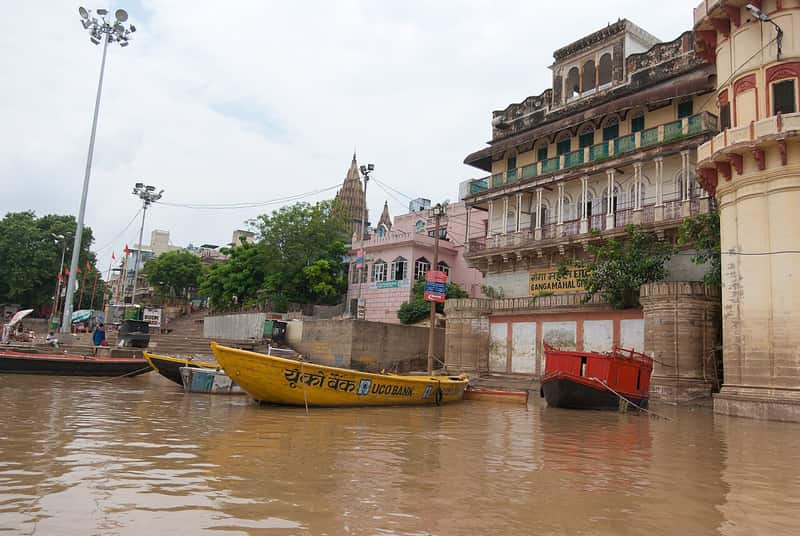
Etiquette for Visitors
Ganga Mahal is a working ghat, not a stage, and a little knowledge of local etiquette will make the visit both more respectful and more rewarding. Modest dress is expected in the old city, and visitors should cover shoulders and knees, particularly when approaching the shrines of the ghat. Shoes should be removed before stepping onto the stone platforms of the temples, and it is wise to ask before entering any shrine, since some are reserved for worship only. The bathing rituals of the morning are private acts of devotion; keep a courteous distance, do not walk between a bather and the water at the moment of immersion, and avoid loud conversation near the priests who are conducting rites. A quiet presence, a folded hand in the namaste, and patience are understood in every language.
Photography requires particular care on this ghat. The palace and the steps may be photographed freely from the river or the landings, but photographing people without permission is deeply resented in Kashi. Ask the bathers, the priests and the boatmen before raising a camera, and accept a refusal with good grace; many will agree, and some will smile and pose for a small offering. Do not photograph anyone at the moment of ritual immersion, and never use flash inside the shrines, where the light is sacred and the icons are sensitive. At festivals, photograph the lamps and the processions freely, but remember that every person in the frame is a participant in a ceremony, not a prop for a photograph. A little courtesy opens every door on the riverfront.
Finally, the ghat is free of touts compared with the northern riverfront, but the visitor should still be alert to the usual invitations: unofficial guides offering to show the palace, boatmen quoting inflated prices for a short cruise, and the occasional request for a donation to a temple that does not exist. The sensible course is to deal with the established boatmen, fix the price before boarding, and give any charity directly at a known temple. Valuables should be kept close, for the ghat is crowded at festival times and the steps are public. None of this should alarm the traveller — Ganga Mahal is a friendly, safe and dignified place — but a little care, the same courtesy one would show in any place of worship, ensures that the visit remains what it should be: peaceful, respectful and deeply memorable.
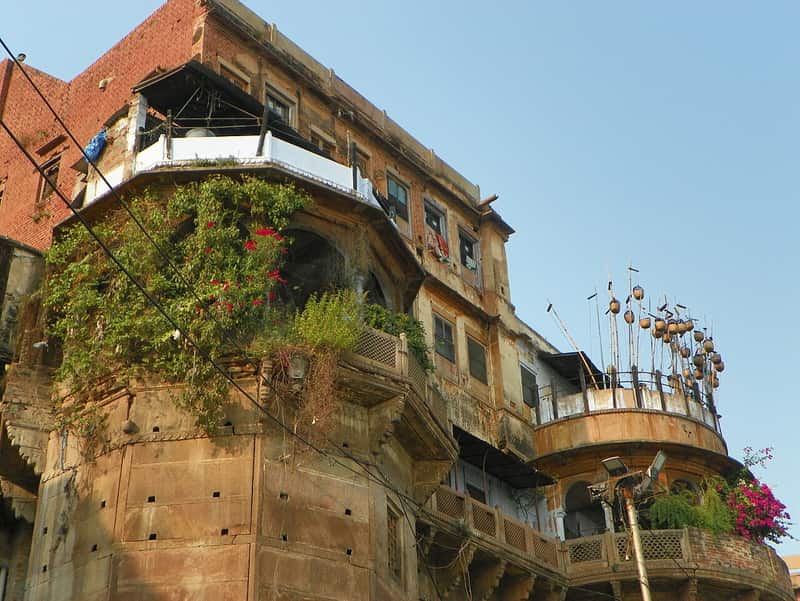
Practical Information and How to Reach
Reaching Ganga Mahal Ghat is easy, and the journey itself is part of the pleasure. The classic approach is by boat: a ride from Dashashwamedh Ghat southward along the river takes about forty minutes and delivers the visitor to the steps of the palace with the full facade ahead, or from Assi Ghat a short cruise of ten minutes brings the ghat into view around the curve of the bank. On foot, the ghat is a pleasant ten-minute walk from Assi Ghat along the riverfront lanes, and from the lanes of the old city an auto-rickshaw can drop the visitor at the head of the lanes behind the palace. The ghat is open to all, day and night, with no entry fee, and the palace itself is private; the visitor admires it from the steps and the river.
The best time to visit is the early morning, between five and eight, when the sunrise lights the palace, the bathers perform their rituals, and the ghat is at its calmest. The winter months from October to February offer the clearest skies and the most dramatic light, and the great festivals of the year bring their own extraordinary atmosphere. The summer mornings are earlier and shorter, but the ghat is cool and quiet before the heat builds. Visitors should carry water, wear comfortable shoes for the uneven stone, and remember that the steps of the ghat are always slightly wet and occasionally slick. There are no changing rooms or toilet facilities on the ghat itself, though the lanes behind the palace have shops, cafés and simple guesthouses. The ghat is also close to the cafés and lodgings of the Assi quarter, so combining a dawn visit with breakfast in the lanes is the classic way to begin a day in Varanasi.
Ganga Mahal is best enjoyed as part of a larger walk along the southern riverfront. Assi Ghat lies ten minutes to the south, Rewa Ghat and Tulsi Ghat a short distance north, and Nishadraj Ghat beyond them — all within a pleasant hour of walking along the water. The route is one of the most rewarding in Varanasi, passing temples, boatyards and palaces, with the river opening new views at every bend. Most visitors combine Ganga Mahal with the sunrise at Assi, a boat cruise past the palace, and a morning in the southern lanes; those with more time may walk the whole curve to the central ghats. Whatever the plan, the palace ghat rewards a slow approach, and the visitor who lingers on its steps will carry away the calm, dignified image of a royal riverfront that has scarcely changed in a century.
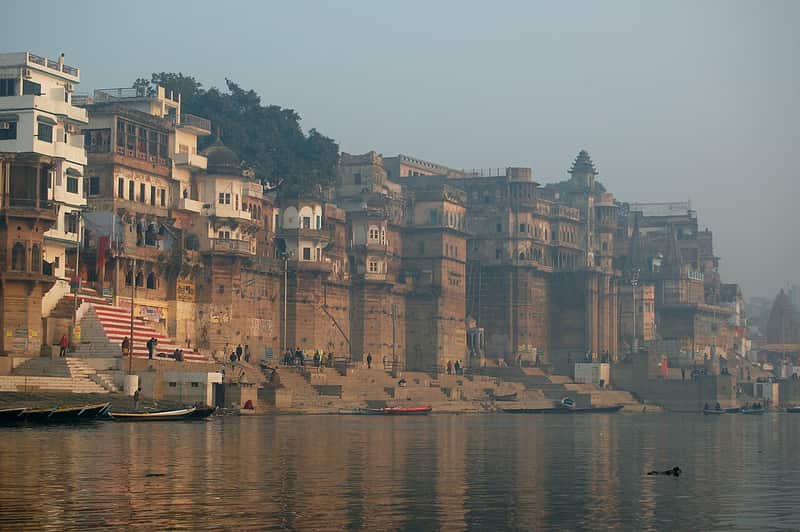
Ganga Mahal Ghat (I) — Gallery (12 Photos)
Image Credits
ganga-mahal-i-01.jpg · ganga-mahal-i-02.jpg · ganga-mahal-i-03.jpg · ganga-mahal-i-04.jpg · ganga-mahal-i-05.jpg · ganga-mahal-i-06.jpg · ganga-mahal-i-07.jpg · ganga-mahal-i-08.jpg · ganga-mahal-i-09.jpg · ganga-mahal-i-10.jpg · ganga-mahal-i-11.jpg · ganga-mahal-i-12.jpg — Wikimedia Commons, under free licenses.
Continue exploring
Similar Ghats Nearby
Book This Ghat — Get Notified
Download the app now and book a boat ride to Ganga Mahal Ghat (I)