

Adi Keshava Ghat
Heritage GhatThe northernmost tip of the ghat arc. The "Adi" (first) stop of Vishnu’s panch-tirtha.


Type
Heritage Ghat
Boat Fare
1.1x base fare
Best Time
5-9 AM (sunrise at the confluence)
History
The panch-tirtha pilgrimage begins here, with Vishnu honoured as Adi Keshav (the first). Close to the Varuna mouth, the ghat stays quieter even on bathing days.
Highlights
- Sacred Ganga-Varuna confluence
- Adi Keshav (Vishnu) temple
- Final ghat of the Kashi yatra
- Grand view of the confluence
Festivals & Events
How pricing works in the NaviX app
No haggling at the ghat — everything is fixed in the app first
- 1
Fixed price before you board
The fare is shown in the app upfront — no bargaining at the ghat
- 2
Sharing or private — your choice
Share with fellow travelers or take the whole boat for your group
- 3
Pay only after the ride
UPI, card or cash — with an instant receipt
6:00 AM
Morning aarti at the northernmost ghat of Kashi; dusk here stays quiet
Complete Guide
Adi Keshava Ghat — The Complete Guide
History, mythology, rites and practical details — everything in depth.
On this page
- 1.Adikeshav Ghat — An Introduction to the Northern Gate of Kashi
- 2.The Adi Keshava Temple — Vishnu at the Ghat's Head
- 3.Deep Antiquity — The Oldest Sacred Sites of Kashi
- 4.The Northern Limit of the Sacred Circuit
- 5.Morning Bathing at the Confluence
- 6.Bathers, Boatmen and Everyday River Life
- 7.The River and the View of the Confluence
- 8.The Lanes and the Northern Shore
- 9.Namo Ghat and the Northern Ghat Chain
- 10.Festivals and Celebrations of the Northern Shore
- 11.Respectful Conduct at a Sacred Ghat
- 12.Practical Guide — Reach, Best Time and Nearby Ghats
📅 Updated: 21 Aug 2026 · Author: NaviX Field Team (field research 2024-26) · 12 sections · 12 photos
Adikeshav Ghat — An Introduction to the Northern Gate of Kashi
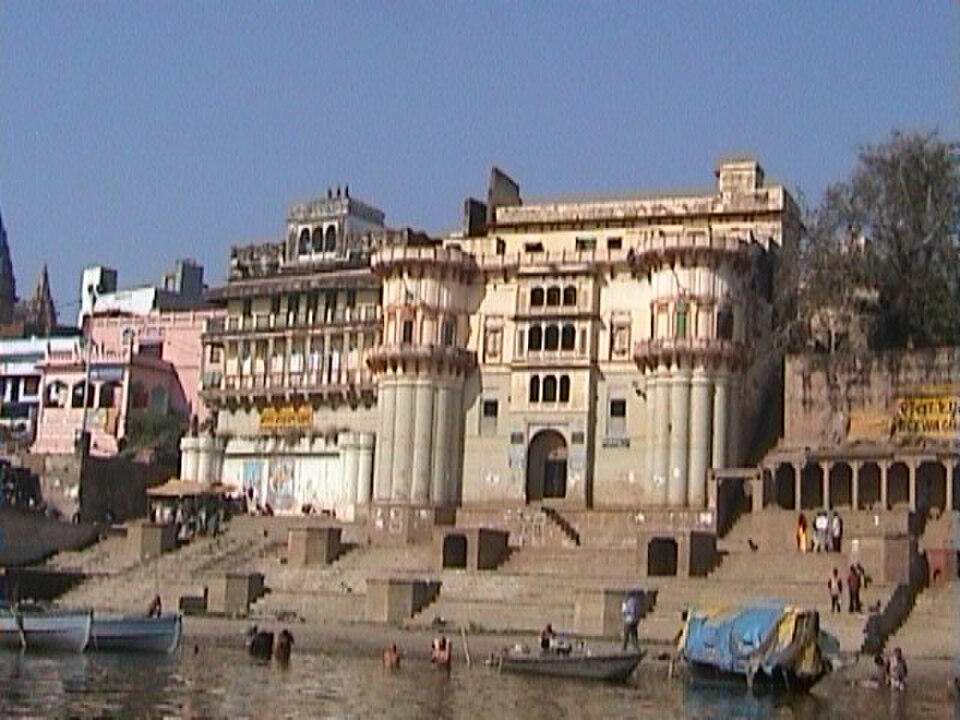
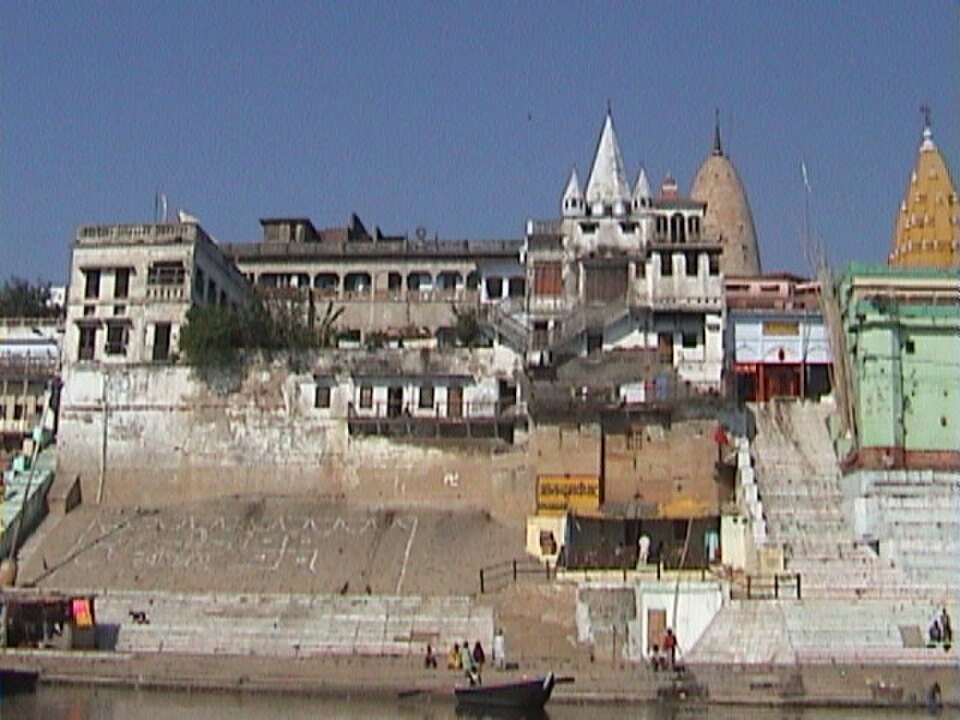
Adikeshav Ghat is the northernmost ghat of Varanasi, the eighty-fourth and last step of the great chain of river landings that lines the Ganga through the old city. Where Assi Ghat opens the sequence in the far south, Adikeshav closes it in the north, and between the two stretches the entire sacred geography of Kashi. The ghat itself makes no show. Its stone steps are simple and weathered, rising in an easy sweep from the water to a landing busy with boats, and above them stands the temple that gives the ghat its name — the Adi Keshava shrine, one of the oldest Vishnu temples of the city. This is the point where the Ganga meets the Varuna, and the waters of the two rivers mingle in a wide, calm confluence that the Puranas count among the holiest bathing places on earth.
For the pilgrim this quiet northern ghat carries an importance out of all proportion to its modest appearance. The great bathing circuit of Kashi, the ritual journey through the sacred points of the riverfront, is considered complete only here. A devotee may bathe at a hundred ghats, but the vow is sealed at Adikeshav, at the meeting of the two rivers, beneath the image of Adi Keshava, the original Keshava. Pilgrims come from villages and cities across India, many of them elderly and travel-worn, to take the final dip that closes their pilgrimage. For them the ghat is not the end of the city but its crown — the northern limit where the sacred circuit turns back upon itself and the blessing of Kashi becomes whole.
Visitors who expect the crowds and clamour of Dashashwamedh will find a different world here. Adikeshav belongs to the everyday river life of the northern shore — bathers at dawn, boatmen mending nets, dhobis beating clothes on the stones, children diving from moored boats. The ghat stands close to Namo Ghat, the great new steps opened in recent years, and to the span of the Raj Ghat bridge, yet it keeps the unhurried character of an older Varanasi. To begin or end a walk through the ghats here is to see the city's riverfront in its simplest and most ancient form: stone, water and faith, with no ornament between them. And because few visitors come this far north, the one who does often finds the ghat nearly to himself, with only the river, the temple and the long quiet of the confluence for company.
The Adi Keshava Temple — Vishnu at the Ghat's Head
At the head of the ghat, where the steps meet the street, stands the temple that gives Adikeshav its name and its sanctity — the shrine of Adi Keshava, dedicated to Vishnu in his aspect as the first Keshava. Keshava is one of the thousand names of Vishnu, the name of the god who slew the demon Keshi, and Adi Keshava is the original Keshava, the deity who was present at the beginning. According to the tradition of the ghat, an image of Vishnu was found here, in this form, at the meeting of the Ganga and the Varuna — revealed by the river itself, so the old story goes, when the confluence was first honoured. Around that discovery a shrine arose, and around the shrine a ghat, and the northern limit of Kashi acquired its guardian.
The temple today is a modest structure, rebuilt and renewed over the centuries, but its sanctity has never been doubted. Worshippers arrive through the day — local families, pilgrims who have completed their yatra, women carrying water and marigold for the offering. The inner sanctum holds the image of Adi Keshava, dark and ancient, decked in fresh garlands; priests conduct the daily services with the same rites their predecessors have performed for centuries; the bell rings out at the hours of worship and the scent of incense drifts down the steps toward the water. For devotees this is one of the foremost Vishnu seats of Kashi, the northern pillar of the city's sacred order, and many consider a darshan here essential to any complete pilgrimage of the city.
The temple and the ghat are inseparable, and their bond explains the meaning of the place. The whole northern circuit of Kashi is anchored by this shrine; the pilgrim who has bathed along the river from Assi to this point finds here the last and highest station of the journey. In the theology of the city the first and the last are one: Adi Keshava, the god of the beginning, receives the pilgrim at the end of the circuit, and the circle of Kashi closes at the feet of the deity who was there when it opened. It is a quiet teaching for so plain a building — that the oldest god of the riverfront still stands at the northern gate, keeping watch over the confluence and over the vows of every traveller who has come this far.
Deep Antiquity — The Oldest Sacred Sites of Kashi
Kashi is one of the oldest continuously inhabited cities in the world, and Adikeshav stands at the oldest gate of its riverfront. The name itself preserves an ancient memory: the title Adi Keshava, the first Keshava, implies a time when this confluence was the original Vishnu seat of the region, before the great temples of the city centre rose to fame. The Varuna, the second river of the city, is named in scriptures of great age, and the meeting of the two rivers is described in Puranic texts as a bathing place of supreme sanctity. For thousands of years pilgrims have come to this spot to bathe, to worship and to complete their vows, and the riverbank here bears the weight of that continuity. The earliest sacred geography of Kashi, before the city grew southward along the crescent of ghats, was anchored at this northern point where the two rivers embrace.
The ground beneath the ghat tells the same story. Excavations in the northern quarter of the city, near the old Raj Ghat mound, have uncovered layer upon layer of settlement — potsherds, coins and walls of many eras — showing that this shore was inhabited and venerated for more than two thousand years. The stone steps that exist today are not the first steps; beneath them lie older steps, and beneath those the natural bank where the first bathers of Kashi stood. Unlike the grand masonry ghats of the later kings, the ghats of the far north were rebuilt simply and often, by local hands, in the same modest stone — which is why they keep the honest, unornamented character of the oldest riverfront. A visitor standing here at dawn is therefore not merely sightseeing; he is standing in the accumulated time of one of humanity's oldest sacred places.
This deep antiquity is felt rather than seen. There is no palace and no great monument to announce it; the antiquity lies in the water line, in the worn steps, in the temple's simple sanctum, and in the ritual that has not changed in essentials for millennia. The Puranas name the confluence among the holiest of the five great bathing places of Kashi, and the city's oldest memories gather at this northern point, where the sacred geography of the region began. To stand at Adikeshav is to stand at the beginning of Varanasi — not the beginning of its buildings, but the beginning of its holiness, the point from which the great pilgrimage of the riverfront set out and to which, at the end, it returns.
The Northern Limit of the Sacred Circuit
The sacred geography of Kashi is not a collection of sights but a journey, and the journey ends at Adikeshav. The great bathing circuit of the city, the Kashi yatra of the riverfront, moves through the five most sacred points — Assi, Dashashwamedh, Manikarnika, Panchganga and Adi Keshava — and of these five, the last is here. Tradition is emphatic: however many ghats a pilgrim has bathed at, however many temples he has seen, the yatra is complete only when the final dip is taken at the confluence of the Ganga and the Varuna. Boats full of pilgrims make the long run from the southern ghats to this northern point; whole families walk the six kilometres of steps; and all of them arrive at the same moment of fulfilment.
What the pilgrim finds here is not a monument but a culmination. The rites of completion are simple and ancient: the bath in the mingled waters, the offering of water to the ancestors, the darshan of Adi Keshava, the final prayer facing the rising sun. Priests of the ghat sit on the upper steps with their almanacs, ready to fix the auspicious hour and to receive the offerings that seal the vow. Many pilgrims carry home a little water from the confluence, poured into brass vessels, to consecrate their own houses; some leave a coin or a thread as a token of the promise fulfilled. There is no ceremony, no crowd, no announcement — only the quiet satisfaction of a circle closed at the point where it must close.
The symbolism of the north is deliberate. In Hindu ritual the north is the direction of culmination, and in the sacred order of Kashi, Assi is the beginning and Adikeshav the end. The pilgrim who completes the circuit here understands that the holiest city of India is not a destination but a movement — from the mouth of the Assi stream to the meeting of the Ganga and the Varuna, from the first dip to the last, from the south of the city to its northern gate. To bathe at Adikeshav is therefore to seal every vow made on the way, and the ghat takes its place not as the last and least of the riverfront but as the final and most necessary of its stations.
Morning Bathing at the Confluence
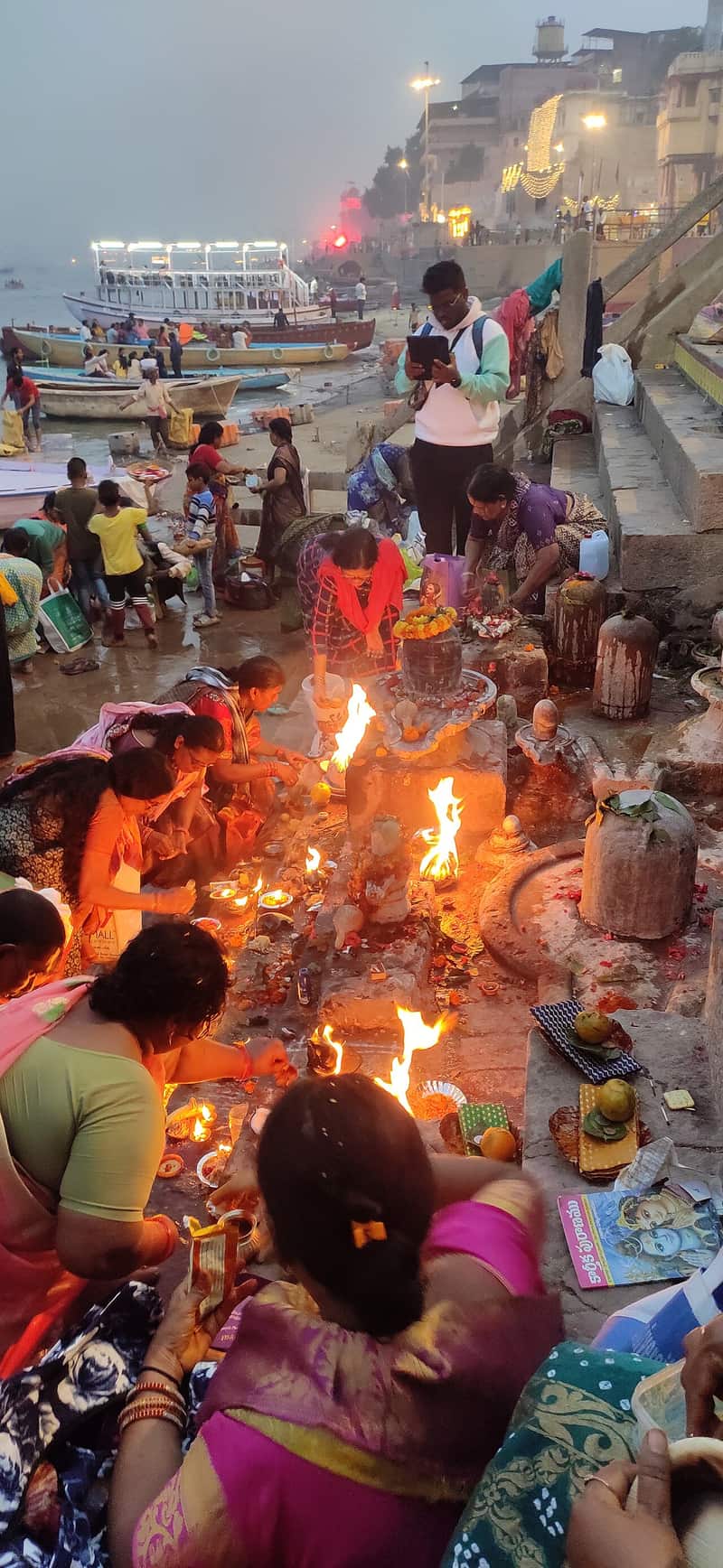
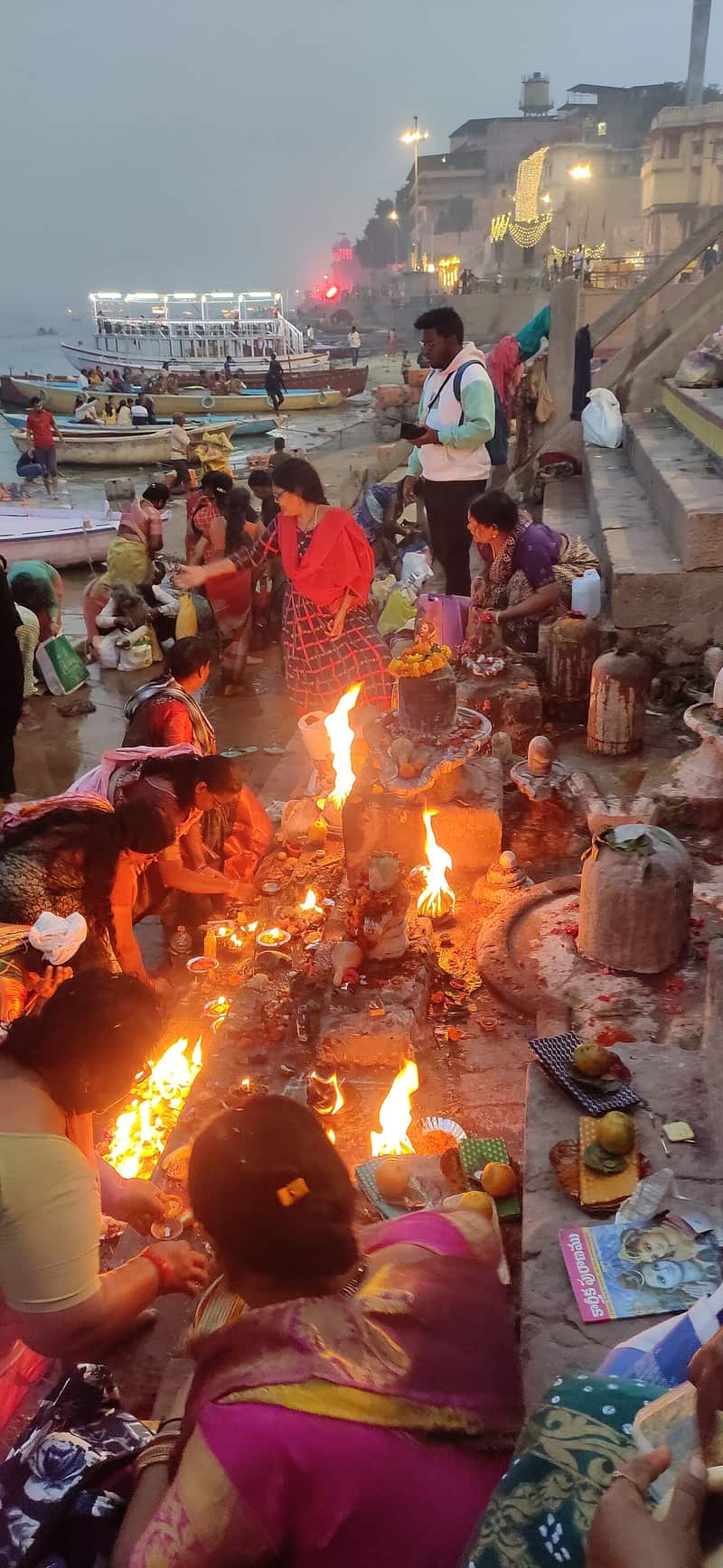
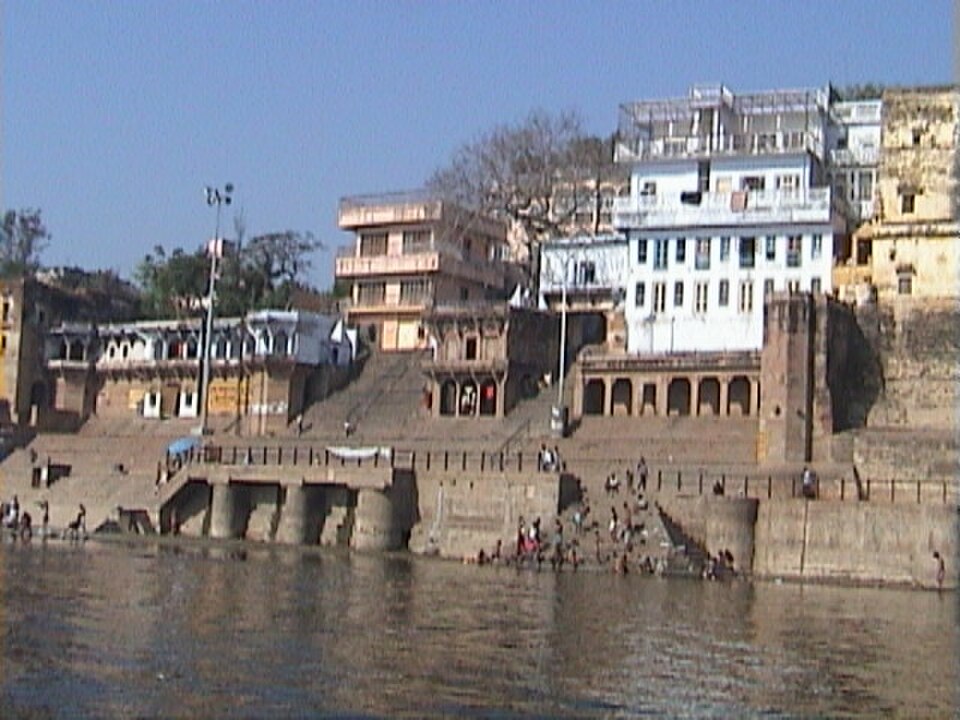
Adikeshav is, above all, a bathing ghat, and its day begins in the dark. Long before sunrise the first bathers of the northern shore are already on the steps — old men with brass lotas, women with copper vessels, children half asleep in their mothers' arms. The water at the confluence is cold and clean, freshened by the current of the Varuna, and the bathing is done with the gravity of a lifelong duty: the dip, the pouring of water over the head, the prayer to the rising sun. Because the ghat is far from the crowded centre, the bathing here has a privacy unknown at Dashashwamedh; the morning is shared with only a few dozen souls, and the murmur of the river fills the space that crowds fill elsewhere.
For the bathers of the panch-tirtha tradition, this is the most important of all morning dips — the final station of the five holy bathing points, taken on the great festival days when the confluence receives its crowds. But on ordinary mornings the ghat belongs to its own people: the washermen who begin their work at first light, the boatmen who wash their ropes and faces in the same water, the old women who pour water for the ancestors with names recited from memory. Priests sit at the waterline with their almanacs, fixing auspicious hours; sadhus, ash-smeared and silent, take their place apart; and a line of bathers, now hundreds strong, moves up and down the steps in the slow rhythm of devotion.
The water itself carries the sanctity. In Hindu thought a confluence is a place where the holy rivers meet and their virtues multiply, and the bather who stands where the Ganga and the Varuna mingle is understood to receive the blessing of both. Pilgrims fill small vessels with the mingled water to carry home; children are given their first ritual baths here; and the sick are brought to the edge in the hope that the confluence will heal them. For the visitor the scene asks to be observed with quietness: arrive early, keep a respectful distance, and take in the sight of a city washing itself at its oldest gate. No spectacle is performed for you — only the oldest habit of Kashi, carried on as it has been for centuries.
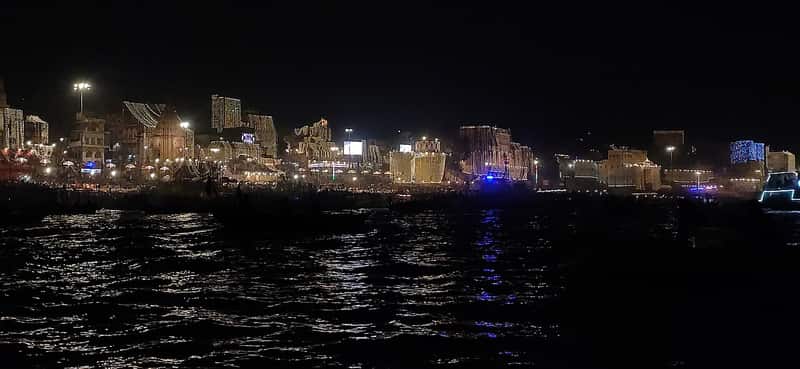
Bathers, Boatmen and Everyday River Life
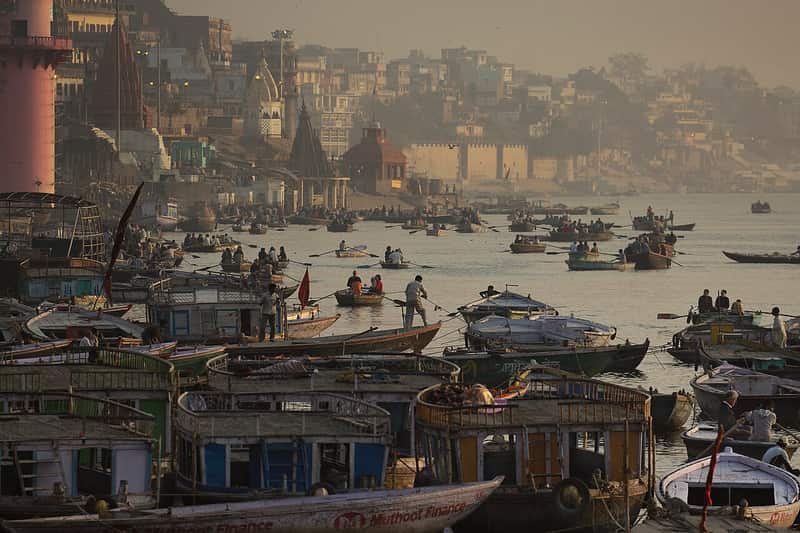
Beyond its sanctity, Adikeshav is a working ghat, and the life of the northern shore flows around the bathers like the river itself. The landing is busy from first light: boatmen hauling their wooden craft down the sand, fishermen mending nets and folding them into the boats, dhobis pounding laundry on the flat stones, women washing brassware in the shallows. Ferries cross to the far bank with market goods and schoolchildren; larger boats carry sand and building material; and everywhere small transactions of the water economy take place — a bundle handed over, a fare agreed, a rope thrown and caught. Nothing here is staged for visitors; this is the daily business of a riverfront that has worked the Ganga for centuries.
The people of the ghat give it its character. Many of the boatmen come from families that have worked this stretch of river for generations, reading the current and the sandbanks the way farmers read the sky; their children grow up on the boats, learning the oar before they learn to write. Behind the ghat, in the lanes of the northern quarter, live the families who serve the temple and the steps — priests, flower-sellers, the women who make the marigold garlands, the men who sell puja materials from small trays. Sadhus arrive at intervals and stay for a season; cows stand in the shade of the temple wall; and the ghat resounds with the unhurried noise of a community living beside holy water, neither hurried nor hushed.
The rhythm of the day here is gentle and exact. Morning belongs to the bathers and the boats; the middle of the day brings quiet, when the steps are given to laundry drying on the stones and children jumping from the moorings; afternoon brings the return of the ferries and the fishermen with their catch. There is no evening aarti on this ghat, no floodlights and no crowd — dusk falls over the confluence with only the lamps of the temple and the lights of the bridge reflected in the water. For the traveller this is the deepest pleasure of the northern ghats: the chance to see the sacred river lived with, not only worshipped, and to sit among people for whom the Ganga is both goddess and daily companion.
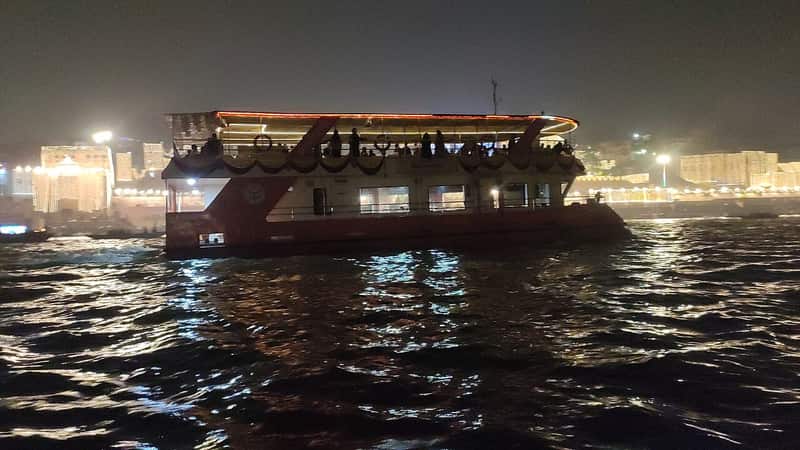
The River and the View of the Confluence
The Ganga at Adikeshav is the Ganga at the end of its journey through Varanasi — wide, slow and calm, gathering the whole city behind it before it turns east. Into this broad water flows the Varuna, the second river of Kashi, joining from the north in a meeting that the Puranas celebrate as one of the great confluences of the sacred land. Seen from the ghat, the two currents meet with almost no drama: the line where the waters mingle shifts with the season and the rain, marked by a subtle difference of colour and a long trail of drifting foam. Boats cross this invisible line all day, and the bather at the confluence stands in the mingled current of both rivers.
The view from the steps is among the finest on the northern riverfront. Southward the long crescent of ghats curves away toward the city, roofs and temple spires rising above the stone; northward the span of the Raj Ghat bridge crosses the river where the Varuna joins, carrying the road toward the far shore. At sunrise the light strikes the confluence first, turning the mingled waters to silver; at sunset the bridge and the western bank burn gold, and the boats return along the current like birds coming home. Herons stand at the waterline, kingfishers flash over the shallows, and the whole scene has the wide, unhurried composition of a classical landscape painting.
The river here wears the seasons openly. In the monsoon the brown flood rises over the lower steps, and the confluence swells into a small sea; in the winter mornings a mist lies on the water, and the bathers appear out of it one by one; in the hot months the river draws back, leaving wide sandbanks where the boats lie beached and the children play cricket. Each season changes the view and the sound — the roar of the flood, the silence of the mist, the hiss of the dry sand. To watch the confluence through the year is to understand why the meeting of rivers is sacred in India: it is the place where two waters become one, where the river of Kashi completes itself, and where the whole story of the city begins again.
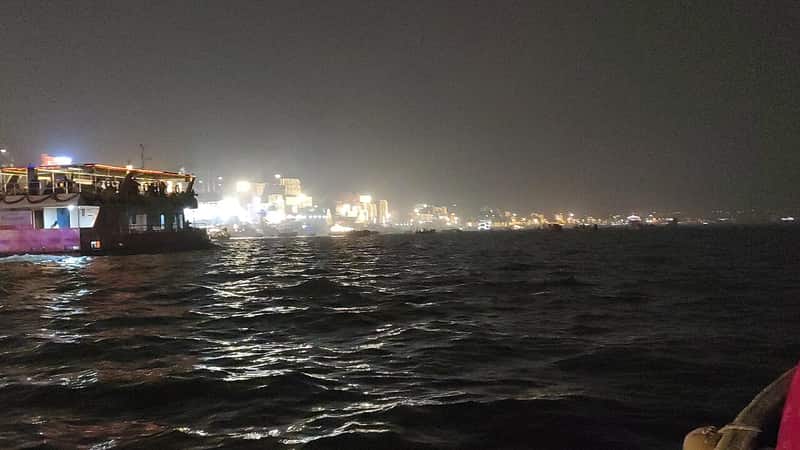
The Lanes and the Northern Shore
Behind Adikeshav the city is older, quieter and poorer in monuments but rich in life. The lanes climb from the ghat through a quarter of brick houses leaning toward each other, doors painted ochre and green, courtyards where buffalo are tethered and kites wheel overhead. There are small shrines at the turn of almost every lane — a Shiva lingam under a tree, a Hanuman image in a niche, a stone platform where the women of the quarter gather in the evenings. The shops are small and few: a chai stall, a vegetable cart, a shop selling puja materials and thread for the rituals of the ghat. Nothing here is made for tourists, and everything is made for living. It is the kind of neighborhood a visitor walks through slowly, aware that every doorway holds a family whose ancestors have lived beside this river for generations.
The northern shore has its own character and its own history. Toward the Varuna the old settlements thin out into fields and orchards, and the archaeological mound near the Raj Ghat bridge reminds the visitor of the layers of time beneath the everyday streets. This quarter has known many faiths: beside the Hindu shrines stand the tombs and mosques of an older, more mixed riverfront, and the memory of that plural past lingers in the names of lanes and the faces of the people. The handlooms of the northern city also have their presence here — looms working in upper rooms, yarn drying on roofs, the quiet clack of the shuttle heard through open windows. It is a shore that lives by the river and by its own slow trades.
To the visitor the neighborhood offers the most honest glimpse of everyday Kashi that the riverfront affords. There is no bazaar clamour and no ritual performance; there are only families, tea stalls, vegetable boats unloading at the ghat, and the long afternoon shadows of the temple towers. The people are used to pilgrims, though few of them are used to foreign visitors, and a greeting is returned with the courtesy that old cities teach. Stay long enough, and the quarter reveals its rhythm — the early noise of the ghat, the stillness of the afternoon, the lamps lit at dusk in every shrine. This is where the northern gate of Kashi lives its real life, between the river it worships and the lanes it has inhabited for centuries.
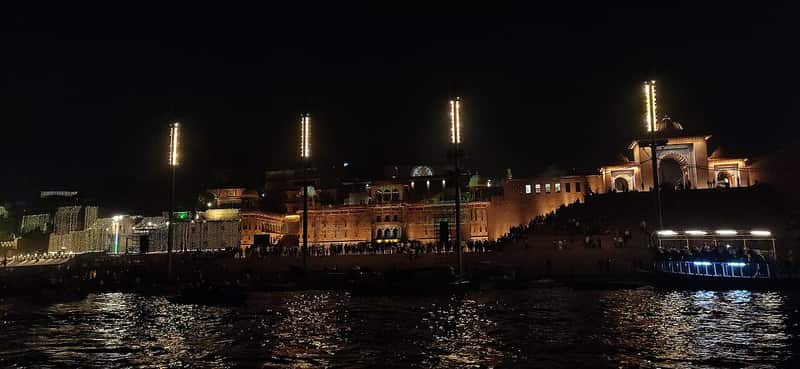
Namo Ghat and the Northern Ghat Chain
Just to the south of Adikeshav lies Namo Ghat, the grand new riverfront built in recent years as part of the Kashi Vishwanath corridor project and opened with great ceremony in 2021. Its broad, pale steps sweep down to the water in the monumental style of the modern ghats, with gardens, lights and viewing platforms above — a deliberate contrast to the plain old stones of its northern neighbour. Namo Ghat has become a favourite of residents and visitors alike for its evening promenade and its clear view along the river, yet for all its scale it feels unfinished in one respect: it has none of the deep history that Adikeshav wears so quietly. The two ghats stand together as the meeting of new Kashi and old.
Beyond Namo Ghat the numbered chain of the eighty-four ghats continues southward past the old quarter of Raj Ghat — the Raja Ghat of the official count, with its bridge overhead and its archaeological mound behind — through Prahlad Ghat and the smaller landings, until the riverfront becomes the crowded crescent of the city centre. A few unnumbered ghats also continue north of Adikeshav, past the meeting of the rivers: the Panchagni Akhara landing, Rani Ghat and Sant Ravidas Ghat, small and rough, used by the bathers and boatmen of the far shore. The whole northern stretch, from the bridge to the confluence, is the quietest and least visited section of the ghat chain — and, for that reason, the most atmospheric.
Together these ghats make one of the best walks in Varanasi. A traveller can begin at Adikeshav at sunrise, walk south through Namo Ghat and the Raj Ghat quarter, and be in the old city in under an hour; or take a boat from the centre and let the northern ghats rise out of the morning mist, one by one. The distances are short, the landings are connected by steps, and the pace of the walk is set by the river itself. For those who want the panorama, the upper deck of the Raj Ghat bridge gives a famous view across the confluence to the whole crescent of the city. The northern chain of Kashi, with Adikeshav at its head, rewards every visitor who leaves the crowds behind.
Festivals and Celebrations of the Northern Shore
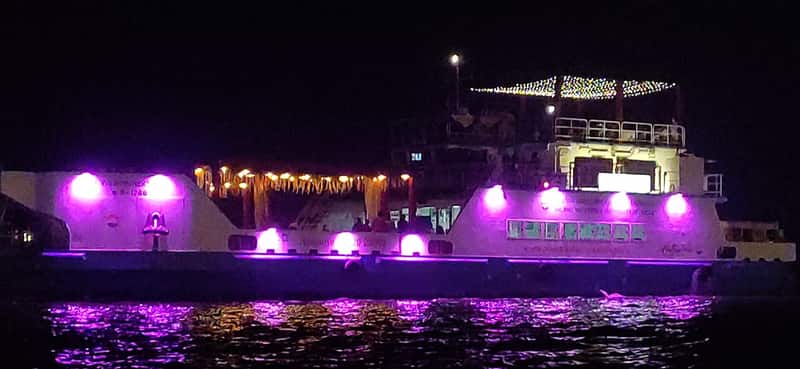
The festivals of the northern shore revolve around the water, and the greatest of them all is Kartik Purnima, the full moon that closes the sacred month of Kartik. On that night and the following morning the confluence of the Ganga and the Varuna becomes one of the great bathing points of India: pilgrims by the tens of thousands descend on the northern ghats, the steps disappear under a tide of devotees, and the bathing that completes the Kashi yatra is taken in the presence of the whole city. Lamps are set afloat on the river, small leaf-boats carrying their flames downstream through the dark, and the confluence glitters like a second sky of stars. For the people of the quarter, the day is the year's great celebration — a festival of fulfilment.
Makar Sankranti brings the other great confluence bath, when the sun turns north and the cold of winter is at its deepest. Thousands again gather at Adikeshav for the ritual dip, followed by the gifts and sweets of the day — til and jaggery, kheer and sesame ladoos, and the kites that fill the sky above the northern shore in a great riot of colour. Other holy days swell the ghat in smaller waves: the Ekadashi fasts, the Amavasya baths, the full moons of the Hindu calendar when families come for the rites of the ancestors. The temple of Adi Keshava holds its own quiet festivals through the year, and the priests of the ghat mark each one with garlands, lamps and the slow ringing of bells.
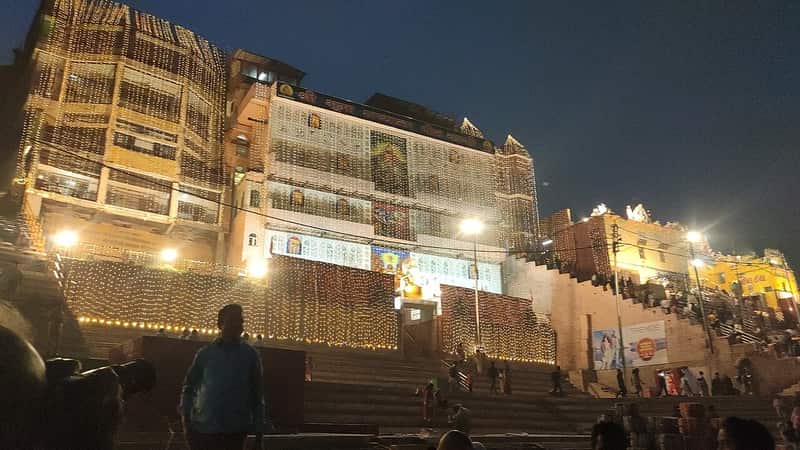
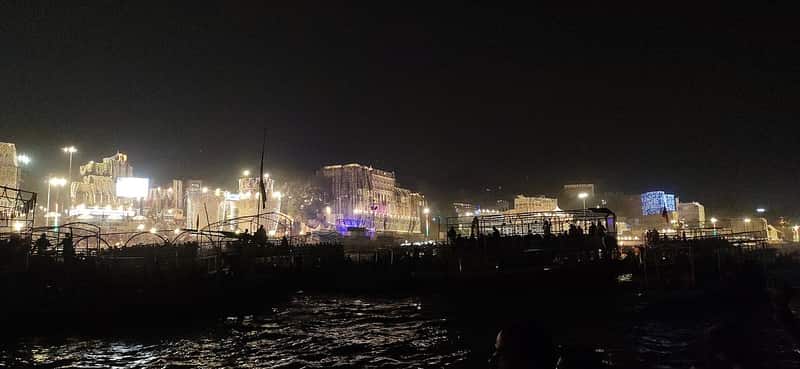
In recent years the northern shore has also been drawn into the great spectacle of Dev Deepawali, the festival of lights held on the full moon after Diwali, when the whole riverfront is lit with a million lamps. Though the grandest displays remain at the centre, the northern ghats now float their own strings of lamps, and the confluence glows softly beneath the bridge. The celebrations here, however, keep their local scale: no amplified music, no grand stands, only families, sweets, lamps and the river. For the visitor, the festivals of Adikeshav are best experienced from a boat, drifting in the darkness among the little flames — the oldest festival language of Kashi, spoken on the northern shore in its clearest accent.
Respectful Conduct at a Sacred Ghat
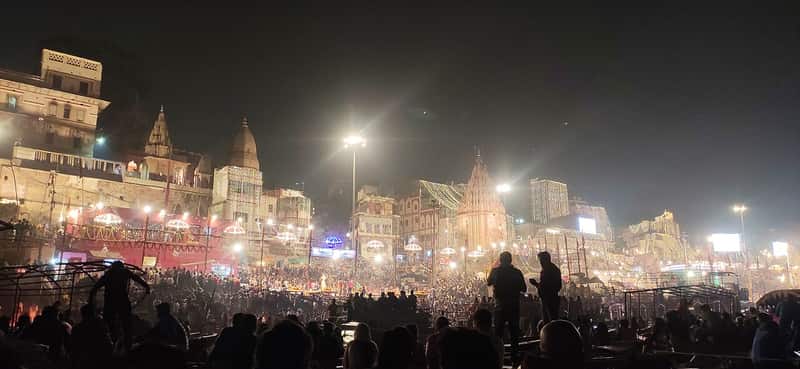
Adikeshav is a living place of worship, and the visitor's first duty is to remember that. Dress modestly — shoulders and knees covered, and for the temple, shoes removed at the threshold. When people are bathing, keep a respectful distance and never photograph them without asking; the morning dip is private devotion, not a spectacle, and the bathers of the northern shore are not accustomed to cameras. The temple of Adi Keshava asks the same reverence given to any sacred house: enter quietly, do not touch the images, accept prasad if it is offered and offer something in return if you can. A small donation, a coin in the box, a bow — the gestures of respect are understood in every language.
At the water's edge, behave as the bathers do: leave the river as you found it, throw nothing into it, and do not wash clothes or vessels in the steps that pilgrims use. If a priest invites you to take part in a ritual, accept politely or decline with equal courtesy; if a boatman offers a ride, agree on the fare beforehand and pay without haggling to the last rupee. The northern ghats have few touts, and the people who approach you are usually the genuine workers of the ghat — respect their honesty and their poverty alike. When in doubt, follow the example of the elders who sit on the steps; their conduct is the best guide to the place.
Above all, keep the quiet that the place asks for. The confluence is not a stage; prayers are being said within earshot, ancestors are being honoured, and vows are being completed that people have carried for years. Speak softly, move slowly, and resist the urge to fill every silence with talk. Photography is welcome for the river and the steps, but put the camera down when devotion is in progress, and never pose at the waterline in a way that blocks a bather's path or a priest's work. Leave nothing behind but the small footprints on the steps, and take nothing but the memory of the mingled waters — the visitor who does this is treated by the people of Adikeshav as what he is: a guest of the oldest gate of Kashi.
Practical Guide — Reach, Best Time and Nearby Ghats
Adikeshav is easy to reach and worth the extra distance. By road, an auto-rickshaw or taxi from the city centre takes twenty to thirty minutes, running past the Kashi Vishwanath corridor to the northern shore; the ghat is a short walk from the Raj Ghat bridge on the main road. By boat, it is a beautiful ride of forty minutes to an hour from Dashashwamedh, the northern ghats rising one after another along the way. By foot, the walk from the centre through the full chain of ghats takes about two hours and is one of the great riverfront promenades of India. However you arrive, ask for Adi Keshava Ghat or simply for the Varuna sangam, and any boatman will know the way.
The best time to visit is early morning, between five and nine, when the bathing is at its height, the light on the confluence is at its finest, and the ghat is cool and quiet. The ideal season runs from October to March, when the mornings are crisp and the great festival baths — Kartik Purnima, Makar Sankranti — fall within the window. Carry modest clothing and a wrap for the temple, footwear you can slip off easily, and water; there are few shops at the ghat itself. For the view, stand on the upper steps near the temple or cross to the bridge deck for the panorama. A boat ride at sunset, returning toward the lights of the city, is the classic way to end the visit.
Combine Adikeshav with the ghats around it to make a full morning. Southward, Namo Ghat, the Raj Ghat quarter and Prahlad Ghat are all within an easy walk; northward, the rough landings of Panchagni and Rani Ghat lie beyond the confluence for those who want the farthest shore. The Kashi Vishwanath temple and its corridor are a short ride away and pair naturally with a northern morning. A suggested plan: arrive at dawn by boat, bathe or watch the bathers at the confluence, visit the temple, walk south through Namo Ghat, and take breakfast in the old city. Half a day is ample — and the northern gate of Kashi will have shown you the oldest face of the sacred city.
Adi Keshava Ghat — Gallery (12 Photos)
Image Credits
adikeshav-01.jpg · adikeshav-02.jpg · adikeshav-03.jpg · adikeshav-04.jpg · adikeshav-05.jpg · adikeshav-06.jpg · adikeshav-07.jpg · adikeshav-08.jpg · adikeshav-09.jpg · adikeshav-10.jpg · adikeshav-11.jpg · adikeshav-12.jpg — Wikimedia Commons, under free licenses.
Continue exploring
Similar Ghats Nearby
Book This Ghat — Get Notified
Download the app now and book a boat ride to Adi Keshava Ghat