

Dashashwamedh Ghat
Major GhatThe busiest ghat of Kashi. Its evening aarti is the grandest on the river.


Type
Major Ghat
Boat Fare
1.5x base fare
Best Time
5:30-8 PM (Ganga Aarti) — 5-8 AM for sunrise
History
Brahma is said to have performed ten horse-sacrifices here to welcome Shiva back to Kashi. At 7 PM (6:30 in winter) five priests lead the multi-tier aarti amid a ring of boats.
Highlights
- Kashi’s grandest Ganga Aarti (every evening)
- Memory of Brahma’s 10 ashwamedh yagyas
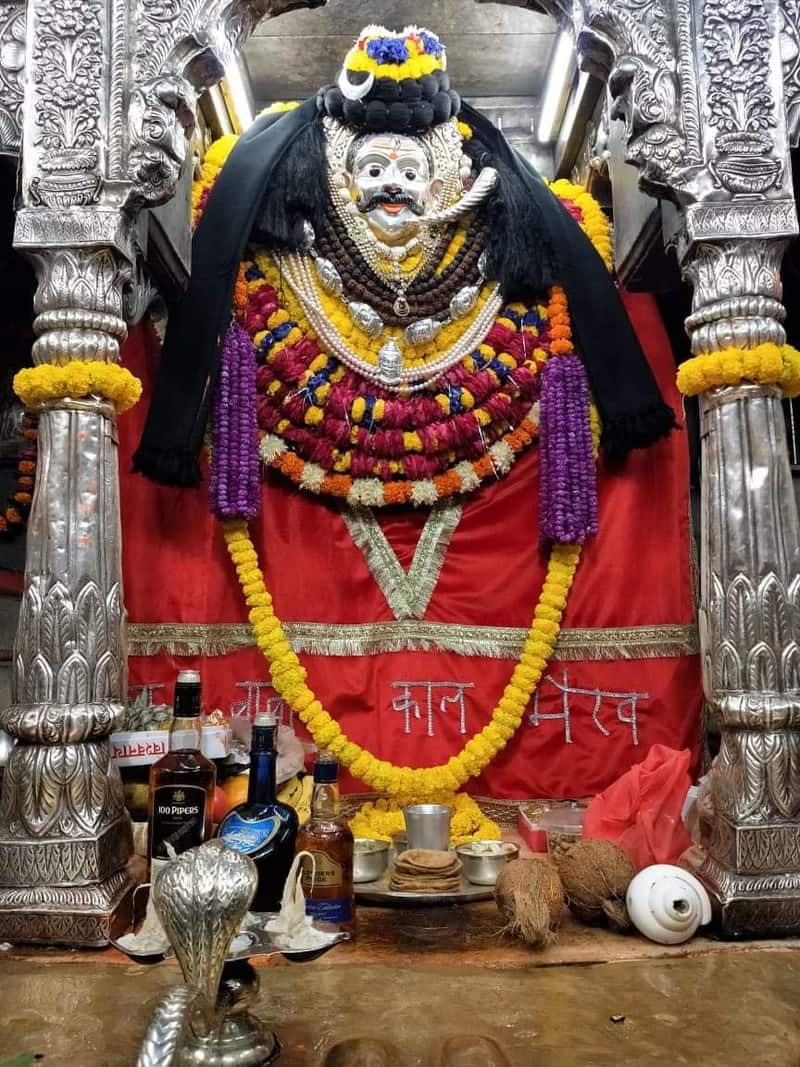
- Baba temple near Shivala-Shyamla kaal
- Kashi’s biggest markets and lanes nearby
- Main hub for boat rides
Festivals & Events
How pricing works in the NaviX app
No haggling at the ghat — everything is fixed in the app first
- 1
Fixed price before you board
The fare is shown in the app upfront — no bargaining at the ghat
- 2
Sharing or private — your choice
Share with fellow travelers or take the whole boat for your group
- 3
Pay only after the ride
UPI, card or cash — with an instant receipt
6:30 PM (Summer) / 7:00 PM (Winter)
The most spectacular evening ritual
5:00 AM
Morning aarti before sunrise
6:00 PM
Complete Guide
Dashashwamedh Ghat — The Complete Guide
History, mythology, rites and practical details — everything in depth.
On this page
- 1.Dashashwamedh Ghat — The Grandest Stage of the Ganga
- 2.The Legend of the Name — Ten Horse Sacrifices
- 3.A History of Pilgrims and Power — From the Peshwas to Today
- 4.The Great Ganga Aarti — An Evening of Fire and Faith
- 5.Lamps on the Water — The Diya Tradition
- 6.Dawn on the Water — Boat Rides from the Ghat
- 7.Festivals of Fire — Dev Deepawali and the Holy Days
- 8.Architecture of the Ghat — Stone, Palaces and Small Shrines
- 9.The Pilgrim's Hub — Rituals, Pind Daan and the Temple Roads
- 10.The Lane Above — Flowers, Silk and the Life of the Bazaar
- 11.How to Behave — Etiquette for the Sacred Steps
- 12.Practical Guide — How to Reach, When to Go, What to Pay
📅 Updated: 21 Aug 2026 · Author: NaviX Field Team (field research 2024-26) · 12 sections · 12 photos
Dashashwamedh Ghat — The Grandest Stage of the Ganga
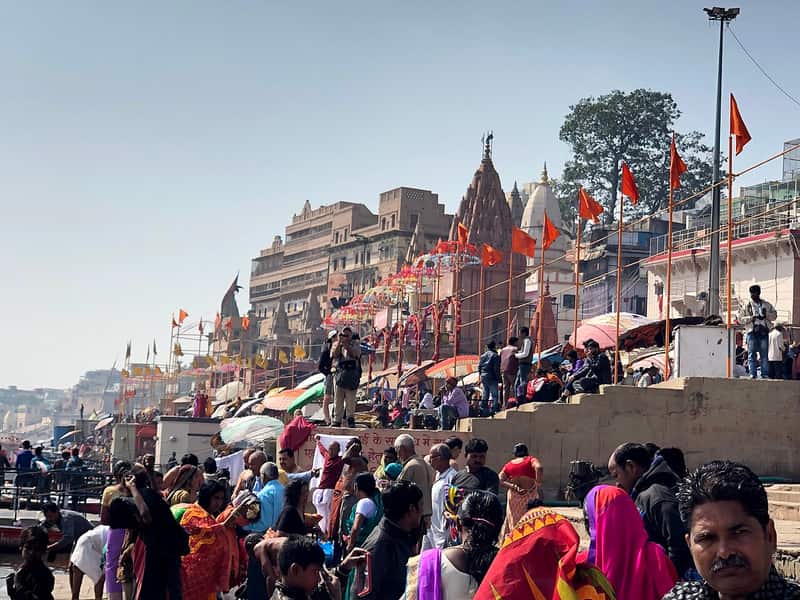
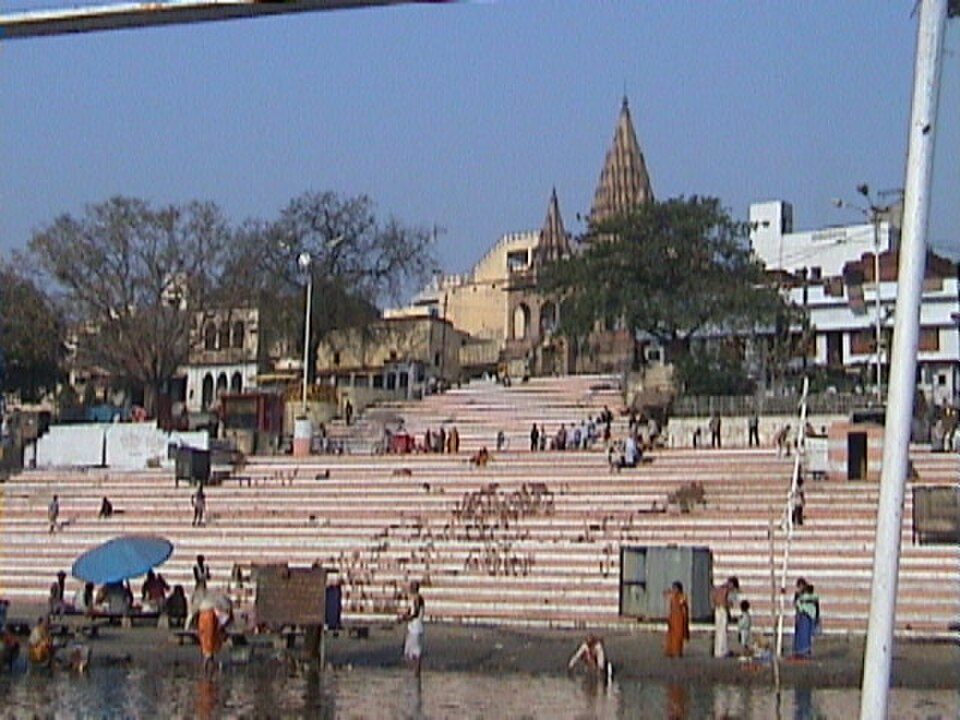
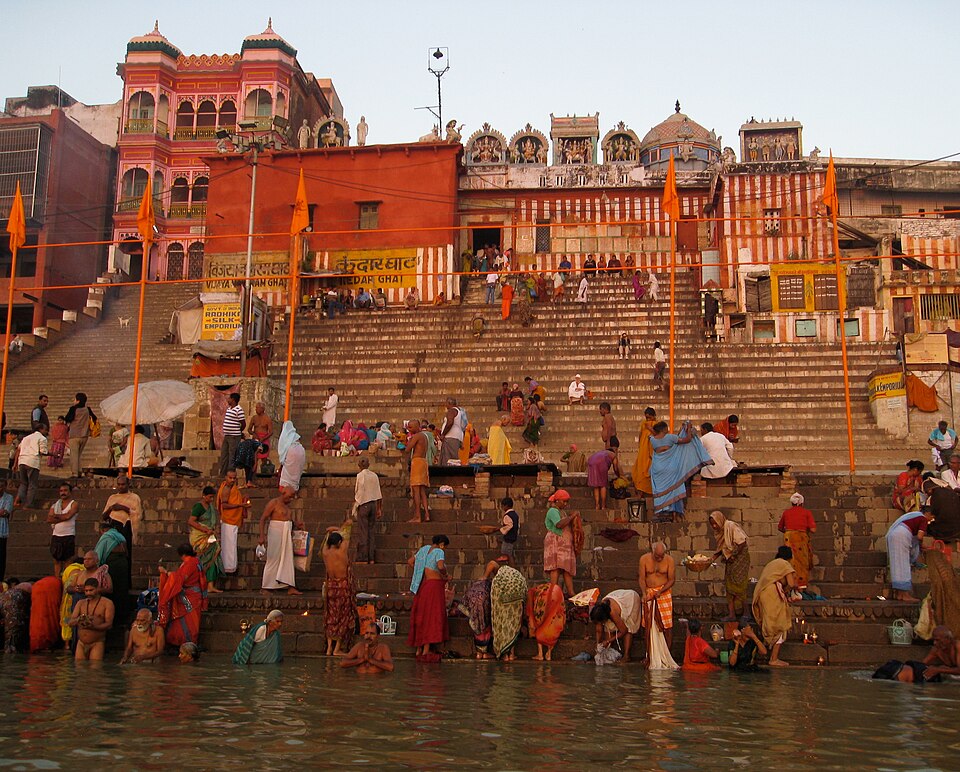
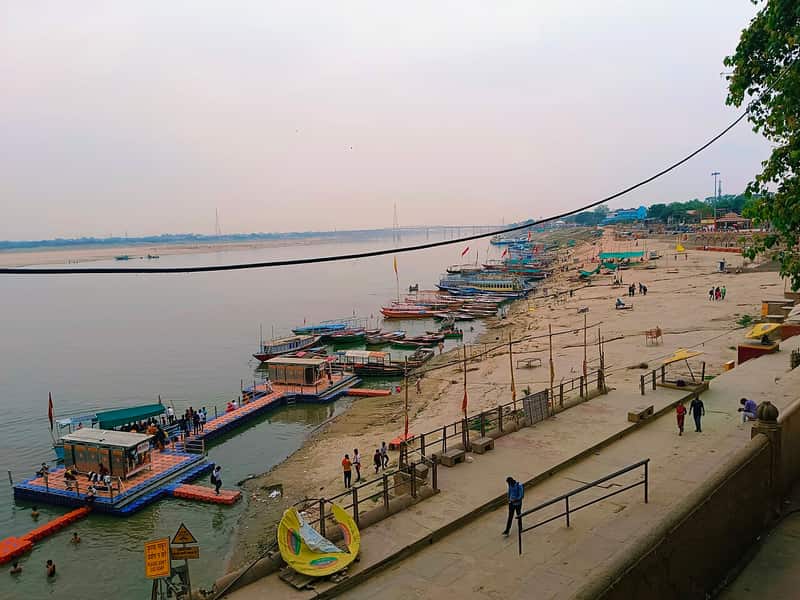
Dashashwamedh Ghat is the grandest and most famous ghat of Varanasi, the pulsing heart of the entire crescent of riverfront steps that make up the city of Kashi. Standing roughly at the centre of the great arc of ghats, it faces the Ganga at her widest and most magnificent point, and no other landing carries such a concentration of life, colour and devotion. By day the wide stone stairs are crowded with pilgrims bathing, priests performing rituals, boatmen shouting for fares, flower sellers and photographers; by night the same steps become a theatre for the most celebrated spectacle in all of northern India — the great Ganga Aarti, when the river itself seems to rise up and respond to the flame. For anyone arriving in Varanasi for the first time, Dashashwamedh is the natural beginning, the point where the holy city introduces itself in all its glory.
The name itself, repeated by every tour guide and painted on every sign, means the ghat of the ten horse sacrifices, and it carries the full weight of Hindu mythology. Every guidebook will tell you that Lord Brahma performed the Ashwamedha yajna here ten times, and that the goddess of power herself stood guard over the sacrifice. Beyond the legend lies a simpler truth that every visitor feels at once: this is the busiest, most alive ghat in the city, the one that never sleeps, the one where morning pujas blend seamlessly into evening aartis and where the old and the new, the devout and the curious, meet on the same worn stone steps. To stand here at sunrise, watching the boats and the bathers and the smoke of incense, is to witness the essence of Banaras itself.
The ghat is also the great meeting place of the city. From its steps a boat can carry you to any of the other ghats that stretch north and south along the river, and a short walk through the lanes above brings you to the golden spire of Kashi Vishwanath temple. Pilgrims use it as their base, tourists use it as their reference point, and locals use it as their living room. Whether you come for the aarti, for the dawn boat ride, or simply to sit and watch the eternal flow of the river and the people, Dashashwamedh rewards every kind of visitor, and it does so with a generosity of spectacle that no other ghat on the Ganga can match.
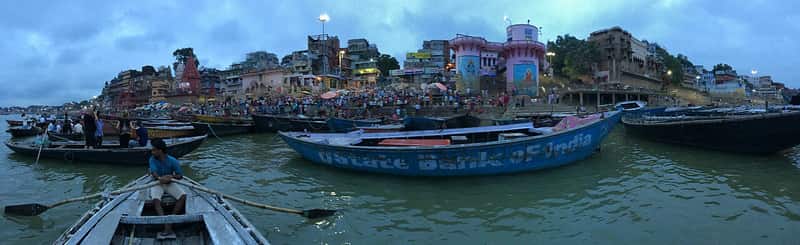
The Legend of the Name — Ten Horse Sacrifices
The name Dashashwamedh comes from two Sanskrit words: dash, meaning ten, and ashwamedha, the great horse sacrifice that was the most solemn royal ritual of ancient India. According to the legend that gives the ghat its name, Lord Brahma, the creator of the universe, performed the Ashwamedha yajna here not once but ten times, in order to welcome Lord Shiva and to make the spot worthy of his divine presence. Each sacrifice was carried out with full pomp, attended by gods, sages and kings, and the riverbank was consecrated again and again until it became one of the holiest ground in all of Bharatavarsha. The memory of those ten great rituals is preserved in the very name of the ghat, spoken by pilgrims for thousands of years.
The legends surrounding the name go deeper still. It is said that when Brahma performed his sacrifices, the gods were so delighted that they asked the goddess to stand guard over the sacred site, protecting the yajna from any disturbance. That protective presence is still honoured today in the small shrine known as the shakti temple, which stands close to the river near the northern end of the ghat. Pilgrims passing by pause to offer flowers and light a lamp, remembering the goddess who once watched over the greatest fire-sacrifices in history. Local tradition insists that the shrine marks the exact spot where the divine mother took her position, and the devotion shown there every day keeps the ancient story alive in the heart of the modern ghat.
Scholars point out that even if the ten sacrifices belong to mythology, the ghat's holiness is anchored in a very real history of ritual. Kashi has been a centre of Vedic sacrifice for more than two millennia, and the riverfront at this point has witnessed countless yajnas, snans and shraddhas performed by kings and commoners alike. Whether one reads the name as a literal record of Brahma's deeds or as a poetic symbol of the city's unbroken tradition of worship, the meaning is the same: this ground has been consecrated by fire and prayer since the earliest days of Hindu civilisation. To stand on these steps and speak the name Dashashwamedh is to utter a mantra of the city's ancient power.
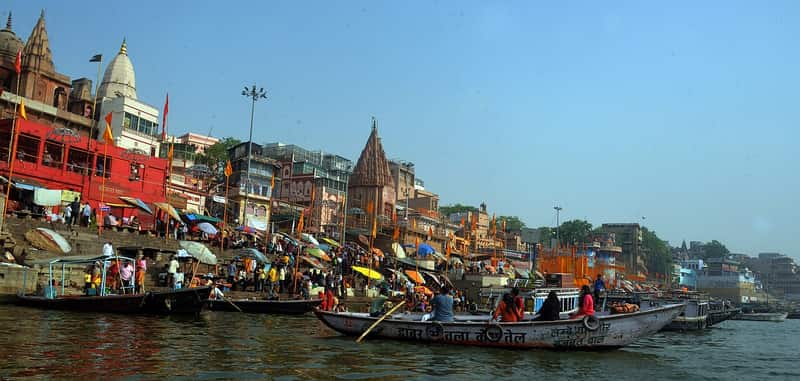
A History of Pilgrims and Power — From the Peshwas to Today
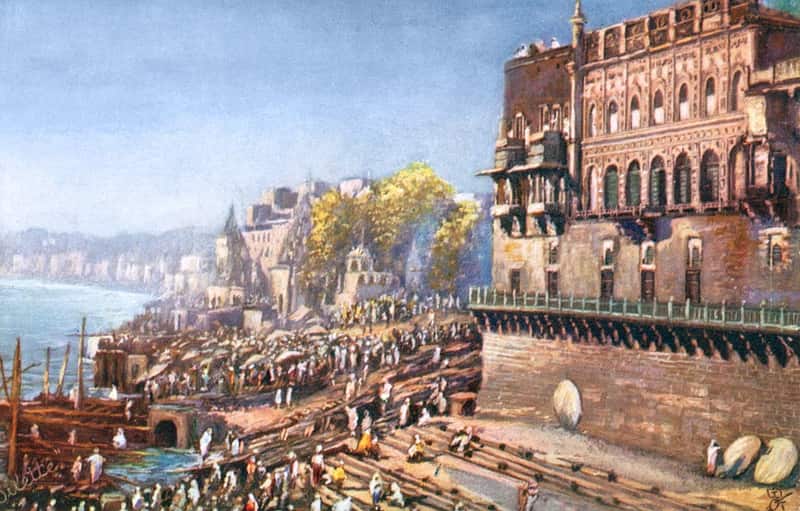
The history of Dashashwamedh Ghat as it appears today begins in the 1740s, when the great Maratha ruler Balaji Bajirao, the Peshwa of the expanding Maratha Empire, gave the ghat its solid stone form. The Marathas had made Kashi one of their most treasured dependencies, spending enormous wealth on restoring the temples and ghats destroyed or neglected under earlier rulers, and Dashashwamedh received a generous share of their patronage. Later in the same century, the legendary queen Ahilyabai Holkar of Indore, one of the greatest patrons of Kashi in all its history, renovated and extended the ghat further, adding the broad stone platform and the steps that give it its monumental character. Through these royal gifts, the ghat became a statement not only of faith but of Maratha power, a monument built where pilgrims had bathed for thousands of years.
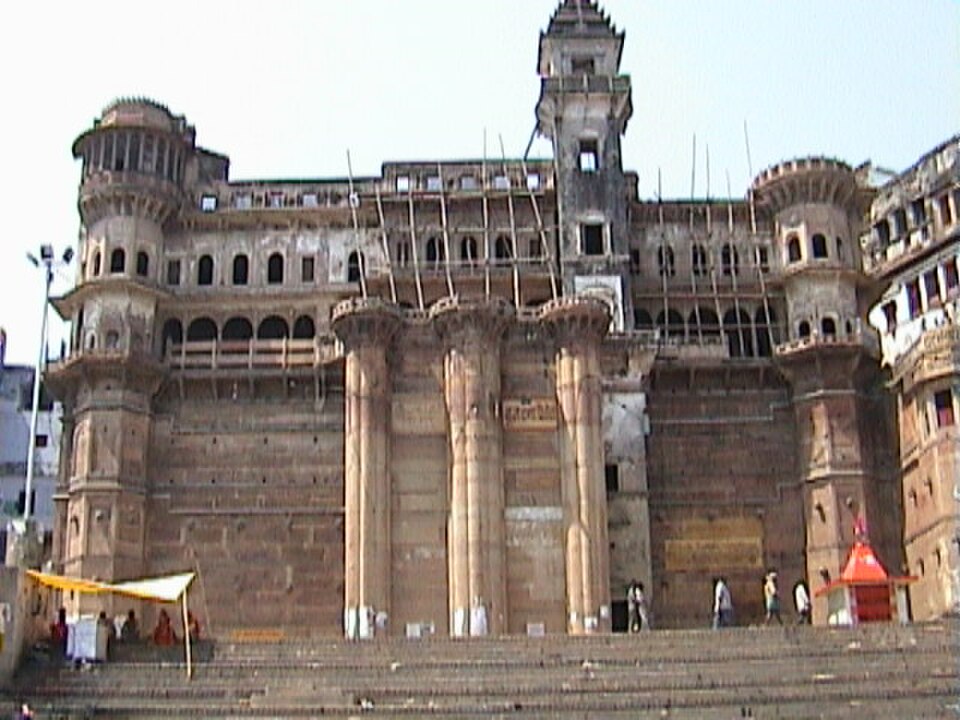
Among the most distinctive landmarks of the ghat is the palace of Balaji Raje Ghatge, a sandstone mansion built in 1886, which rises above the steps like a small fortress of the old aristocracy. Its fine balconies, arched windows and sculpted details speak of the age of the Rajput and Maratha nobility, who maintained grand houses on the ghats so that they could perform their annual pilgrimages in comfort and dignity. For the rulers of the old princely states, bathing at Dashashwamedh and praying at Kashi Vishwanath were acts of state and devotion combined, and the palace frontages along this stretch of river remain a living monument to that era, when the ghat was a place where pilgrims, priests and princes all came to the same water.
Yet for all its royal architecture, the deepest history of the ghat belongs to the common pilgrim. Long before the Peshwas, long before the Holkars, this stretch of the Ganga was already a place of tirtha, of crossing, where generations of the faithful descended to the water to wash away their sins. The royal donations only framed what faith had already created. Today the sandstone palace of the Ghatge family still stands, now shared between heritage and daily life, while the steps below it are crowded with a humanity as diverse as ever — a history that is not locked in a museum but lived every morning at the water's edge, where every splash of the Ganga renews a tradition that is many centuries older than any single dynasty.
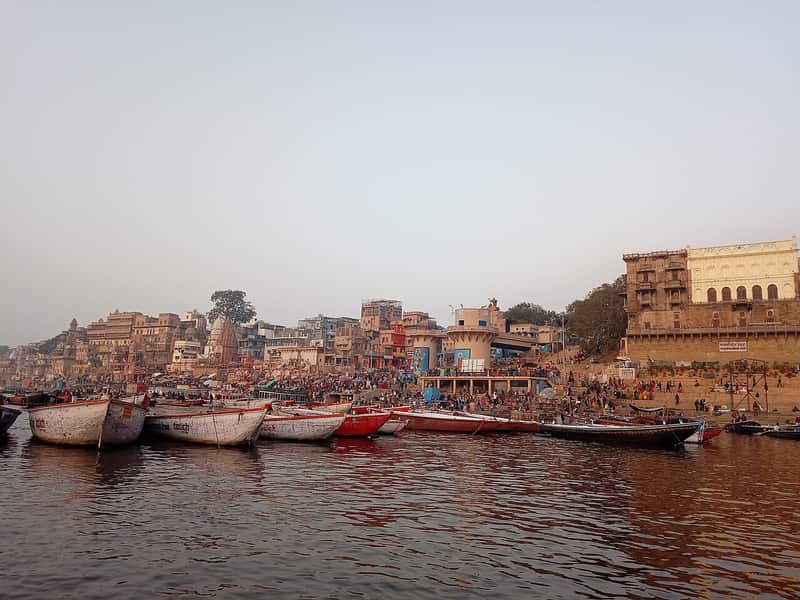
The Great Ganga Aarti — An Evening of Fire and Faith
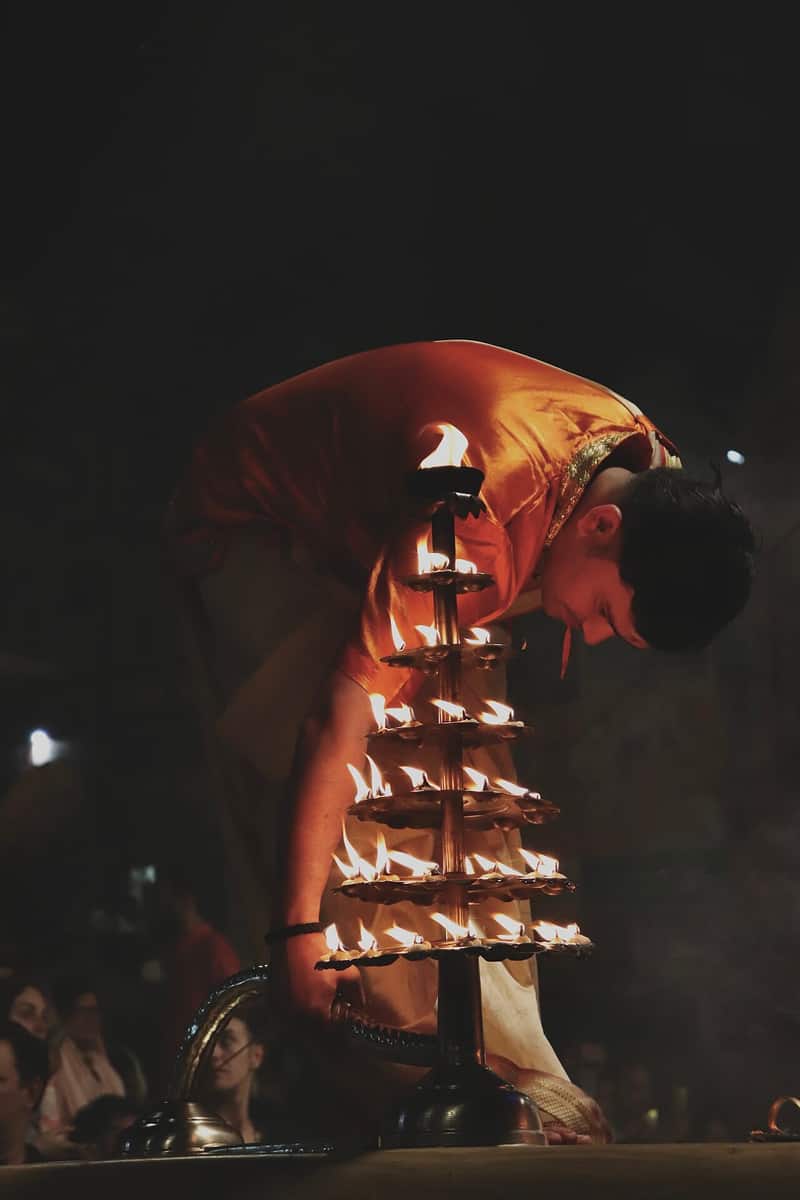
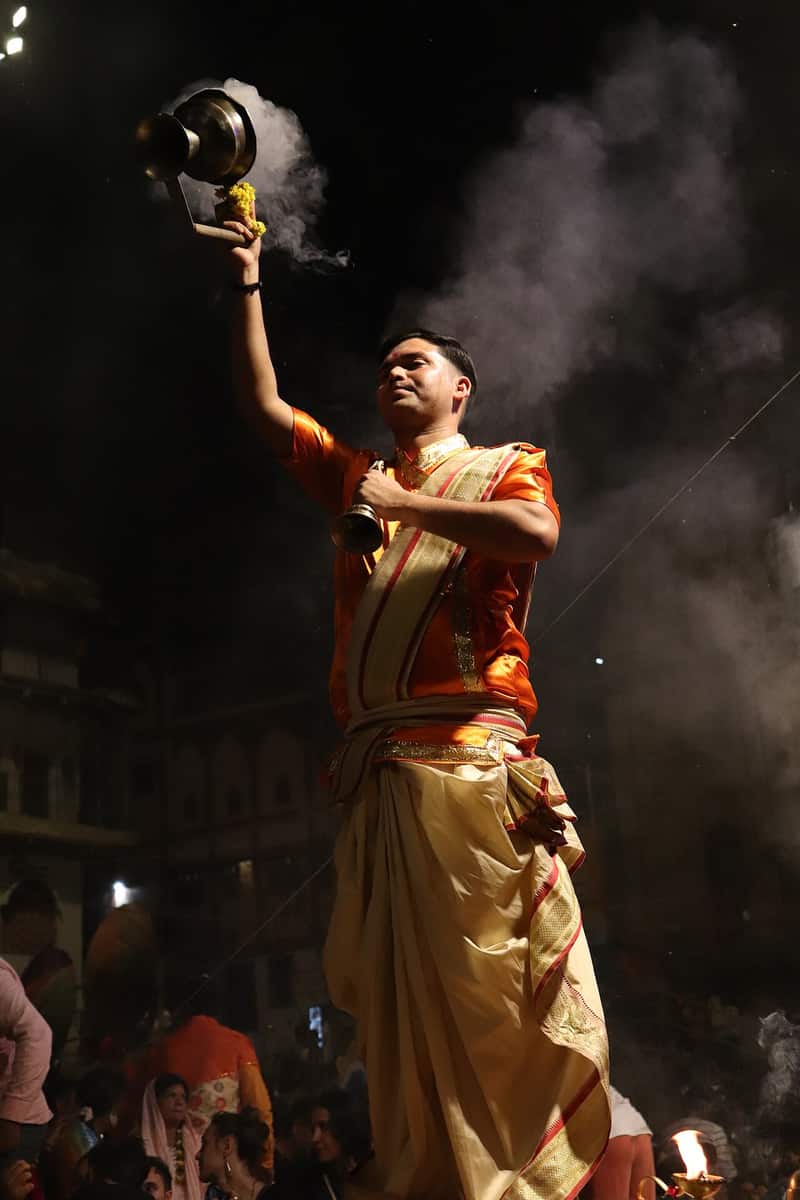
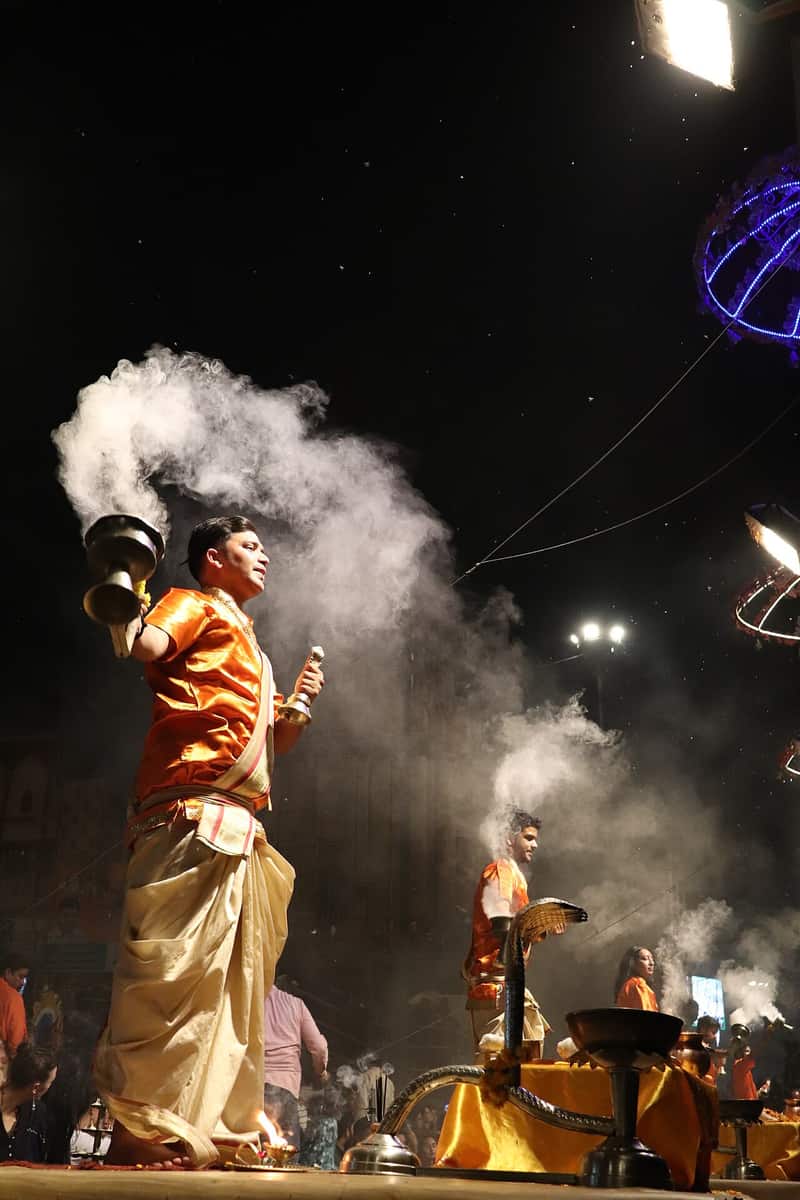
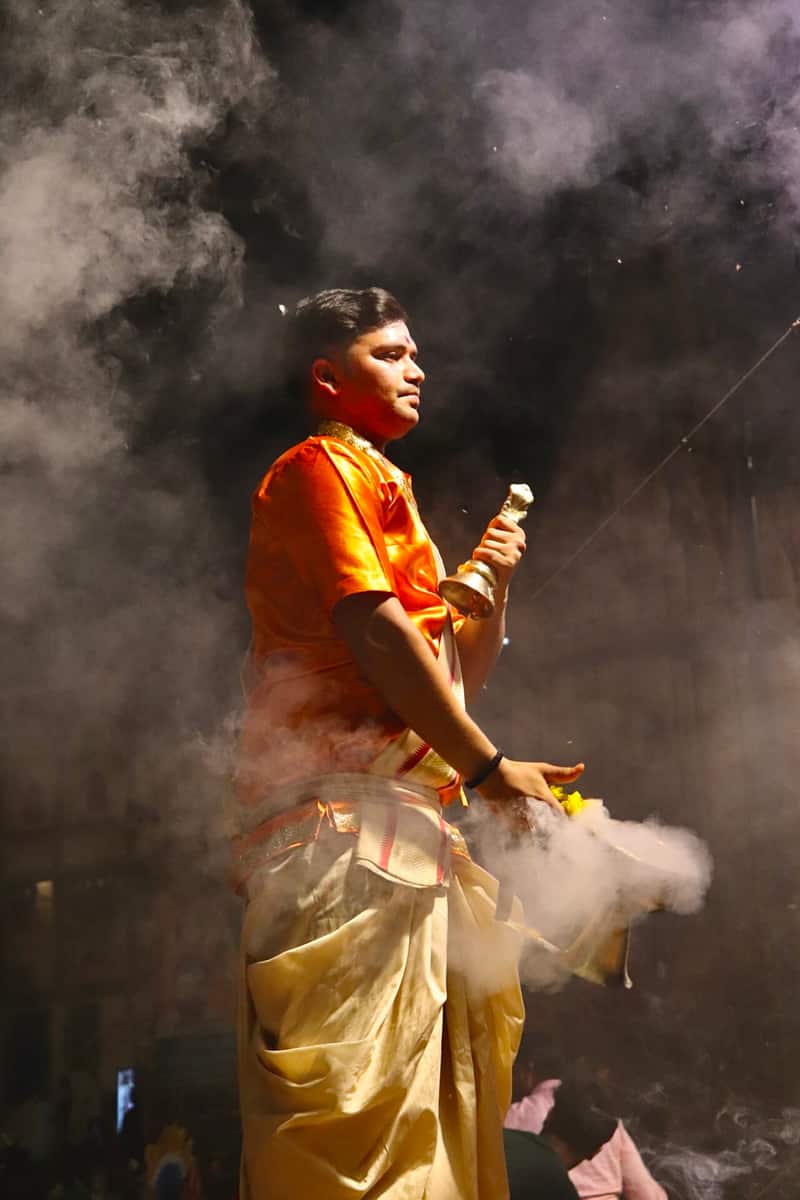
Every evening, as dusk settles over the Ganga, Dashashwamedh Ghat transforms into one of the most extraordinary religious spectacles in the world: the Ganga Aarti. Seven brahmin priests, dressed in matching saffron and white robes, stand on a raised platform at the water's edge, facing the river, and perform a synchronized choreography of worship that has become the signature image of Varanasi. Each priest holds a massive brass lamp, its tiers of flames rising several feet into the air, and swings it in slow, hypnotic arcs before the river while bells ring, conch shells are blown, and clouds of incense roll out across the water. The ritual is conducted with military precision yet deep devotion, as the priests rotate, bow and raise their lamps in perfect unison, their movements timed to the beat of drums and the chanting of mantras.
The ceremony takes place every day at sunset, with the timing shifting with the seasons; in winter the aarti begins around 5.30 in the evening, while in summer it may start as late as 7 PM, always precisely at dusk. In the high season the spectacle is accompanied by smaller versions of the same ritual on platforms around the main stage, creating a ring of fire and sound around the water. The crowds are enormous — thousands of pilgrims and tourists pack the steps, while a flotilla of boats, each lit with small lamps and lanterns, surrounds the platform from the river, their passengers craning to see the performance. The air fills with the fragrance of sandalwood and camphor, and for an hour the whole ghat seems to hold its breath, suspended between earth and sky.
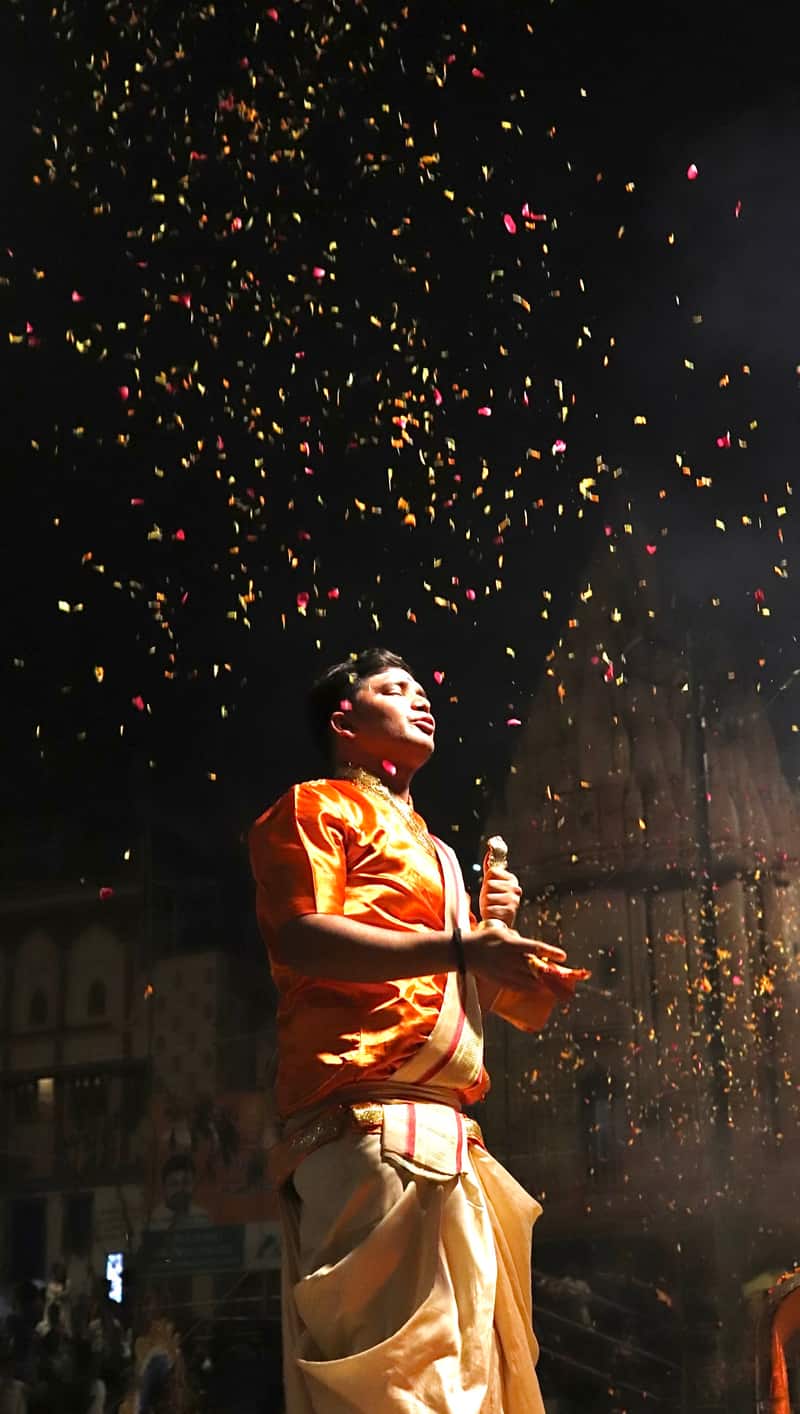
The aarti is not merely a performance but an act of worship, a gratitude offered to the river that has sustained Kashi for millennia. After the main ritual, the priests move through the crowd, carrying the flame to the devotees, who cup their hands over it and bring the warmth to their eyes and foreheads — a blessing from the fire and the river together. The ceremony ends with the singing of hymns and the casting of flower petals and marigold lamps onto the water, which drift away on the current like a thousand tiny wishes. For every visitor who has seen it, the memory of that evening — the fire, the bells, the chanting, the river glowing gold — becomes one of the most powerful images of India itself.
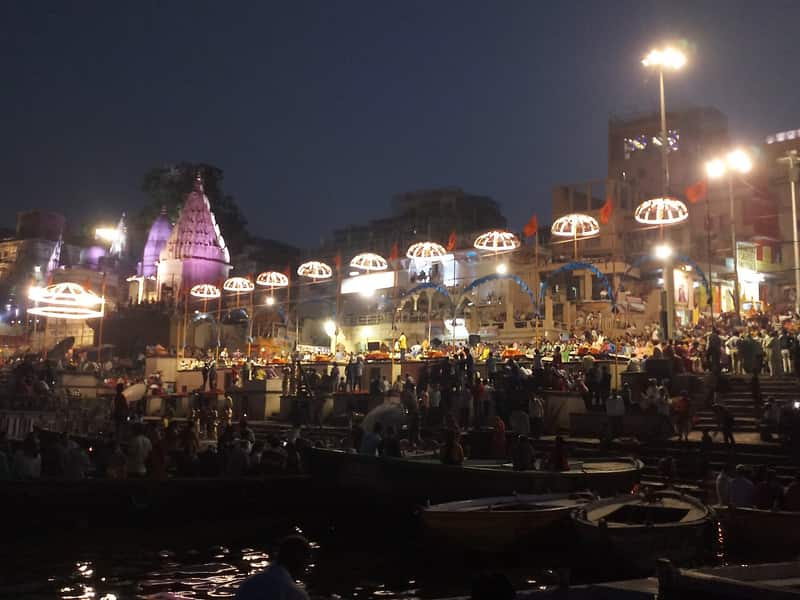
Lamps on the Water — The Diya Tradition
One of the most beloved traditions of Dashashwamedh Ghat is the setting afloat of diyas — small oil lamps made of clay or pressed onto leaf boats, carrying a flame, a flower and a prayer. Families and pilgrims buy them from the many vendors who line the steps, often with a plate of marigold petals, incense sticks and a small token offering, and then kneel at the water's edge to launch them onto the darkening river. Each diya is a message to the divine, a hope for health, prosperity or the peace of a departed soul, and as the little flames drift out on the current, the whole surface of the Ganga seems to catch fire with hundreds of tiny, trembling lights. For the people of Varanasi, floating a lamp is one of the simplest and most intimate acts of worship, a private conversation between the devotee and the river.
The tradition is particularly magical in the hour around sunset, when the sky fades from gold to indigo and the first lamps are lit. Photographers gather along the waterline, and the interplay of fire and reflection makes this one of the most photographed scenes in all of India. Many visitors choose to buy a diya themselves, and the vendors are happy to help, showing how to place the wick, pour the oil and set the lamp adrift with the right words. Some lamps are given an extra token — a coin, a few grains of rice, a pinch of vermilion — depending on the wish being made. The ritual takes only a moment, but it is a moment of profound stillness, watched silently by the whole family as the flame joins the great flotilla of lights already moving downstream.
Beneath the beauty lies a deep spiritual meaning. In Hindu tradition, the lamp is a symbol of the soul and its eternal light; to set a flame adrift on the holy river is to offer one's own inner light to God, trusting it to the current of destiny. When the lamp glows steadily until it disappears around a bend or fades into the distance, it is read as a good omen; when it capsizes early, devotees simply light another, knowing that persistence is itself a form of prayer. On festival nights like Dev Deepawali the same simple tradition swells into a river-wide blaze of a hundred thousand lamps, but even on an ordinary evening, the floating diyas of Dashashwamedh carry the quiet devotion of Kashi out to the sea, flame after flame, wish after wish.
Dawn on the Water — Boat Rides from the Ghat
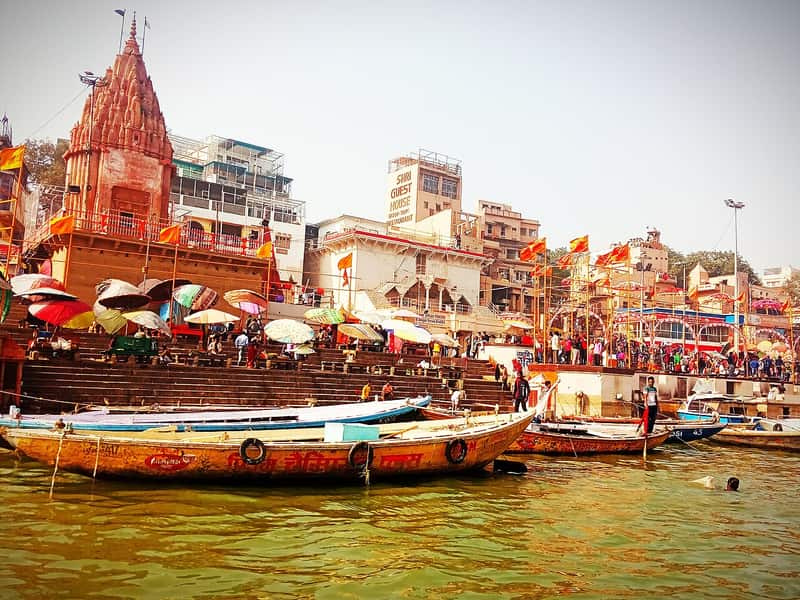
Perhaps the most magical experience in all of Varanasi is a boat ride on the Ganga at dawn, and the best place to begin that journey is Dashashwamedh Ghat. As the sky lightens from grey to rose, the boatmen of the ghat, lean men with deep knowledge of the river and its history, begin to gather passengers for the classic sunrise trip. The wooden rowing boats, painted in bright blues, reds and greens, are part of the romance of Banaras — handcrafted vessels with a single oarsman standing at the stern, guiding the boat through the current with a long, curved oar. From the water, the ghats unfold in a grand panorama that no view from the shore can match: temple towers, palace facades, smoke rising from the cremation fires, and the great sweep of steps descending into the river.
The standard morning ride takes the visitor south toward Assi Ghat, passing the famous burning ghat of Manikarnika and the long chain of historic landings in between, and it lasts anywhere from forty-five minutes to an hour. Many visitors choose to go north instead, gliding past Lalita and the Nepali palace toward the quieter reaches of the river. Either way, the boatman becomes a storyteller, pointing out the landmarks and recounting legends with the unhurried ease of a man who has told these tales a thousand times. The water at dawn is glassy and calm, broken only by the dip of the oar and the occasional splash of a bather, and the light on the river — pink, then gold, then dazzling white — is one of the great sights of the subcontinent.
The boats of Dashashwamedh are also a way to see the evening aarti from the best possible vantage point. As dusk approaches, the boatmen row their vessels out to the river and form a loose ring around the platform where the priests stand, so that passengers can watch the ceremony while floating gently on the water, their own lamps swaying with the swell. For the morning trip, the advice of every experienced traveller is the same: go early, dress warmly, carry a camera with a fast lens, and settle into the prow of the boat as the first light strikes the temples. Whether at dawn or at dusk, the boat ride from Dashashwamedh is not merely an excursion — it is the way the city is truly meant to be seen, from its own reflection on the holy river.
Festivals of Fire — Dev Deepawali and the Holy Days
No festival transforms Dashashwamedh Ghat like Dev Deepawali, the Festival of Lights of the Gods, celebrated on the full moon night of the Hindu month of Kartik, usually in November. On this single night the ghat becomes the most spectacular sight in India, as some two hundred thousand oil lamps are placed along its steps and balconies, arranged in intricate patterns, in spirals, waves and giant lotus shapes that climb the entire height of the stairway. As the lamps are lit, one by one, the whole ghat blooms into a mountain of golden flame reflected in the river, while crowds pack every available inch of space and boats fill the water. The night commemorates the descent of the goddess Ganga to earth, and the belief that the gods themselves come to bathe in the river on this sacred evening.
Maha Shivratri, the great night of Shiva, is the other great festival of the ghat, falling in the month of Phalgun, usually late February or March. Pilgrims throng Dashashwamedh throughout the day, many fasting until nightfall, and as the sun sets, processions of devotees carrying the palanquins of the god wind through the lanes above before descending to the river to bathe. The aarti on Shivratri night is especially grand, and the chanting of Shiva mantras continues until the early hours. Throughout the year the ghat also hosts the smaller rhythms of festival life — the parikramas of the sacred months, the processions of Janmashtami and Ram Navami, and the festive fairs that gather along the water during the Kartik snan season, when the days of ritual bathing are at their most intense.
During every festival the character of the ghat changes utterly. On ordinary evenings the steps belong to the bathers and the boatmen; on festival nights they belong to the processions, the musicians, the sadhus and the crowds, and the aarti takes on an almost theatrical grandeur. The colours are brighter, the bells ring longer, the incense is heavier, and the river itself seems to respond with a livelier shimmer. For the visitor, timing a trip to coincide with Dev Deepawali or Maha Shivratri is the single best decision that can be made about visiting Varanasi — to see Dashashwamedh at festival strength is to see the ancient city at the fullest expression of its faith, when two hundred thousand lamps turn a stone staircase into a stairway to heaven.
Architecture of the Ghat — Stone, Palaces and Small Shrines
Dashashwamedh Ghat is built as a great amphitheatre of sandstone, its broad steps descending to the river in a series of wide platforms, or tiers, that allow thousands of people to bathe, worship and watch in comfort. The stone, quarried in the warm honey tones that give Banaras its golden glow, is laid in long, shallow flights that break the descent into manageable stages, each tier framed by low parapets and punctuated by small shrines, niches and lamp stands. At the water's edge the steps widen into generous stone platforms where the priests perform their rituals and where boats are moored, while higher up, railings and verandas shelter the crowds who come to watch the aarti. The whole structure is a triumph of practical engineering married to sacred purpose, built to accommodate vast numbers of pilgrims while remaining an object of beauty in itself.
Above the steps rises the architectural drama of the ghat: the rows of palace-fronts and mansion facades that line the top of the bank. The most famous of these is the sandstone palace of Balaji Raje Ghatge, built in 1886, with its chhatris, balconies and elaborately carved brackets, but it is only the grandest of many. Long, whitewashed facades, some painted in ochre and faded pinks, stretch north and south along the river, their upper storeys still lived in by families whose ancestors were among the aristocracy of old Kashi. These buildings belong to an era of ghat architecture in which the wealthy built their residences directly over the water, so that every morning they could open their windows to the sunrise on the Ganga and watch the first pujas of the day from their own balconies.
Among and between the grand structures stand the small shrines that give the ghat its intimate, layered character. Tiny temples to Shiva, Hanuman, the shakti goddess and countless local deities are tucked into the platforms and alcoves of the steps, each with its own oil lamp, its own garland of marigolds, its own faithful. Priests sit beneath awnings with their sacred threads and their books, ready to perform a puja for any pilgrim who asks, and along the lane at the top of the ghat, clock-tower-era buildings of the late nineteenth and early twentieth century — with their red brick, pointed arches and iron balconies — record a later chapter of the city's architectural story. The result is a rich collage of eras and styles, layered one upon another, in which a thousand years of building meet at the edge of the holy river.
The Pilgrim's Hub — Rituals, Pind Daan and the Temple Roads
Dashashwamedh Ghat is the working hub of Hindu pilgrimage in Kashi, the point from which the city's sacred geography radiates in every direction. From the top of the ghat, a series of narrow, winding lanes climbs toward the most sacred destination in the city — the Kashi Vishwanath temple, the abode of Lord Shiva, whose golden spire rises above the rooftops a short walk away. Pilgrims who have bathed in the Ganga at Dashashwamedh follow these lanes still wet from their snan, their wet clothes replaced by fresh ones at the riverside, and complete their journey at the temple with the ringing of bells and the offering of milk and flowers to the deity. The ghat is thus the true gateway to the greatest shrine of the city, and every step of the route carries the memory of millions of pilgrims who have walked it before.
On the ghat itself, the priests perform a ceaseless round of rituals that constitute the essential business of pilgrimage. A pilgrim who wishes to mark a birth, a death, an anniversary or a vow will find the priests of Dashashwamedh ready to officiate, seated beneath their awnings with their brass vessels, ritual books and all the necessary materials. Among the most important of these rites is pind daan, the offering of rice balls made for the departed ancestors, performed at the water's edge in the belief that the offering reaches the souls of the forefathers and brings them peace. Alongside it goes tarpan, the ritual offering of water to the ancestors with sesame and sacred grass, and shraddha, the solemn ceremony of remembrance, all of which give the ghat its profound character as a place where the living and the dead are joined by ritual.
The layout of the ghat makes this work efficient and deeply traditional at the same time. The upper level is given to the priests, the shops and the crowds, while the water's edge is kept for the rites themselves, so that the sacred acts of snan, pind daan and tarpan are performed in the water, at the very point where the goddess Ganga is most present. The priests are hereditary, their families serving the ghat for generations, and their knowledge of the rituals is passed from father to son as it has been for centuries. For the pilgrim, the visit to Dashashwamedh is therefore more than a sightseeing stop; it is the completion of a sacred duty, the point where a bath becomes a ceremony and a ceremony becomes a blessing that will be carried home for a lifetime.
The Lane Above — Flowers, Silk and the Life of the Bazaar
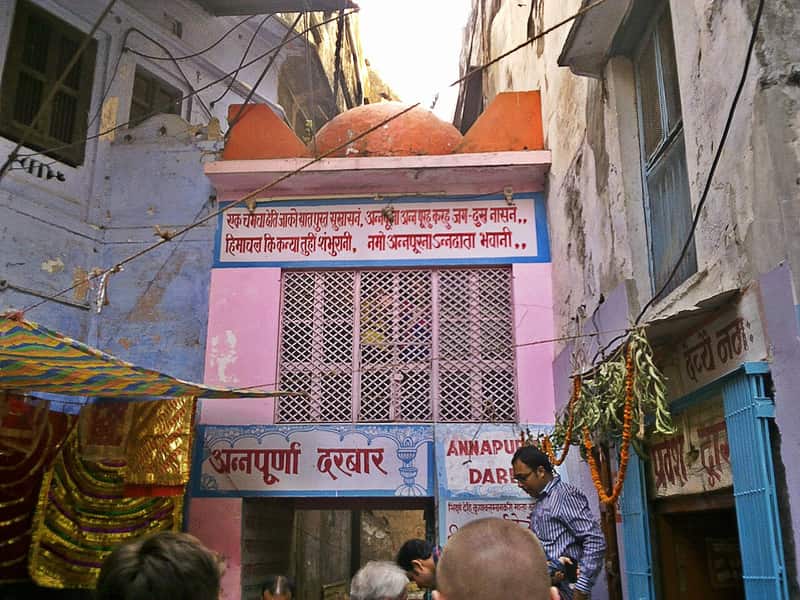
Climbing away from the river, the lane at the top of Dashashwamedh Ghat opens into one of the most vibrant market streets in all of Varanasi. Here the commerce of the ghat meets the commerce of the city in a narrow, fragrant, endlessly busy corridor where the very air is sweet with marigold, jasmine and incense. Flower sellers sit behind mountains of blossom, weaving garlands that pilgrims will carry to the temples; puja shops display brass bells, camphor, vermilion, sandalwood paste and every item required for a complete ritual, from the smallest lamp to the largest thali. Between them crowd the tea stalls with their hissing kettles and clay cups, the sweet shops glowing with trays of barfi and peda, and the small eateries where kachori, samosa and jalebi are fried fresh throughout the day.
Further along the same streets, the commerce shifts to the great trade of Banaras: silk and brass. The famous Banarasi silk weaves — the gold-threaded sarees that are a symbol of Indian wedding tradition — are sold in shops that line the lanes leading up from the ghat, and a walk through them is a journey into a craft that has made the city famous across the world for five hundred years. Alongside the silk sit the brassware shops, their shelves gleaming with the sacred vessels of Hindu worship, and the sellers of wooden toys, clay idols, saffron and turmeric, jasmine oil and rose water. The bazaar is dense, layered and ceaseless, a place where the sacred and the commercial have always coexisted, and where no visitor passes without being drawn into at least one conversation with a shopkeeper who has been doing business here for half a century.
Beyond the immediate bustle lies the wider context of the neighbourhood, an ancient quarter whose roots reach back to the earliest history of the city. The area around Dashashwamedh stands within what was once the heart of Bhelupur, one of the oldest settlements of Kashi, a region mentioned in the oldest scriptures and associated with the legendary foundations of the city itself. Today that ancient past lies beneath the pavement of the modern bazaar, but it surfaces in the old wells, the weathered temples, the courtyards and the carved doorways that appear among the shops like fragments of an older city. To wander the lanes above Dashashwamedh is to walk through layers of time — the Vedic age beneath, the medieval bazaar around, and the living, breathing commerce of today, all tangled together in the most fascinating quarter of the oldest living city on earth.
How to Behave — Etiquette for the Sacred Steps
Visiting Dashashwamedh Ghat is an experience of extraordinary intensity, and how you behave on its steps will determine how deeply you are welcomed into its life. The first rule is respect for the sacred. The ghat is not a theme park but a living place of worship, where pilgrims bathe, pray and perform the most solemn rituals of their lives, and the traveller should approach it with the same humility one would bring to any great holy place. Modest dress is expected; shoulders and knees should be covered, and while swimwear is not appropriate, many visitors bring a simple change of clothes to take a ritual dip. Shoes should be removed before entering the shrine areas and temples, and offerings made only when invited to participate by a priest.
The second rule concerns the persistent touts, guides and hawkers who crowd the steps. Many are harmless, and some are genuinely helpful, but the wise visitor has a simple strategy: a polite but firm namaste and a calm refusal, repeated as often as necessary, without anger or embarrassment. Agree on any price in advance — for a boat ride, for a puja, for a guide's services — and pay only what was agreed, remembering that a small tip to a boatman or priest who served you well is a matter of custom, not obligation. Photography, especially during the aarti, demands particular care; the ceremony is an act of devotion, and while photography is generally permitted, the flash should be off, the lens unobtrusive, and the photographer should remain seated and silent, never pushing between the priests and the crowd.
Finally, remember that Dashashwamedh is shared space, and courtesy there is the courtesy of the whole city. Give way to the elderly, allow families to pass, and never occupy a prime viewing spot for the entire aarti when others are waiting. When a devotee offers you prasad, accept it with both hands; when a stranger asks for a blessing, offer it freely. The ghat rewards those who treat it with respect — the same boatman who quoted a high price to a rushed tourist will remember the courteous visitor next morning, will row him further for no extra charge, will point out the hidden shrines, and will send him away with the genuine warmth of a man who has seen a thousand travellers but honours the ones who honoured his city. Etiquette at Dashashwamedh is not a burden; it is the key that opens every door on the ghat.
Practical Guide — How to Reach, When to Go, What to Pay
Reaching Dashashwamedh Ghat is easy, since the city has grown up around it. From the railway station, the ghat is about three kilometres away; a taxi or auto-rickshaw can reach the top of the ghat in fifteen minutes, from where a short walk down the lane brings you to the steps. Many visitors prefer to arrive by boat, taking a scenic ride up or down the river from another ghat and disembarking at the landing itself. For those who want the authentic local experience, an e-rickshaw can be hired from Godowlia, the great crossroads of the old city, and the last stretch is always on foot, through the flower and puja stalls. The ghat is best visited at two moments: at dawn, when the river and the steps are bathed in soft light and the crowds are thin, and in the early evening from about 6 to 7 PM, when the aarti transforms the ghat into a blaze of fire and song.
There is no entry fee at Dashashwamedh Ghat; it is a public place of worship, open to all, day and night. The costs are incidental and mostly optional: a sunrise boat ride for one or two people typically costs between three hundred and five hundred rupees depending on the season and the route, a ritual puja performed by a priest may cost a few hundred rupees with the materials included, and the famous items of the bazaar — a garland, a diya, a small brass lamp — are priced at a few tens of rupees. It is always wise to agree on the boat fare before boarding and to carry small notes, since many boatmen and shopkeepers do not have change for large denominations. Cash is king in the old city, and a modest wallet of rupees will carry a visitor through the entire experience.
The ghat also serves as the perfect base for exploring the wider riverfront. Walking north from Dashashwamedh, one reaches Man Mandir Ghat with its famous astronomical observatory, and beyond it the intense, powerful stretch of the cremation ghats around Manikarnika, with Lalita Ghat and its Nepali palace a little further on. To the south stretch the great ceremonial ghats that lead eventually to Assi, and the boatmen will be happy to design a route covering any of them. For the traveller who wants comfort, the practical details are simple: stay in one of the many hotels within walking distance, carry water, keep the camera charged, and above all keep the schedule flexible, because Dashashwamedh at dawn and Dashashwamedh at dusk are two different cities, and both are unmissable.
Dashashwamedh Ghat — Gallery (12 Photos)
Image Credits
dashashwamedh-01.jpg · dashashwamedh-02.jpg · dashashwamedh-03.jpg · dashashwamedh-04.jpg · dashashwamedh-05.jpg · dashashwamedh-06.jpg · dashashwamedh-07.jpg · dashashwamedh-08.jpg · dashashwamedh-09.jpg · dashashwamedh-10.jpg · dashashwamedh-11.jpg · dashashwamedh-12.jpg — Wikimedia Commons, under free licenses.
Continue exploring
Similar Ghats Nearby
Book This Ghat — Get Notified
Download the app now and book a boat ride to Dashashwamedh Ghat