

Mir Ghat
Neighbourhood GhatMeer Ghat is a famous ghat named after Mirabai. It has a famous Krishna temple.


Type
Neighbourhood Ghat
Boat Fare
1x base fare
Best Time
5-7 AM when morning light illuminates the temple.
History
Named after Mirabai. A famous Krishna temple is at the ghat center, known as a beautiful temple by locals.
Highlights
- Hidden ghat near Manikarnika
- Peaceful stop
- Local bathing tradition
Festivals & Events
How pricing works in the NaviX app
No haggling at the ghat — everything is fixed in the app first
- 1
Fixed price before you board
The fare is shown in the app upfront — no bargaining at the ghat
- 2
Sharing or private — your choice
Share with fellow travelers or take the whole boat for your group
- 3
Pay only after the ride
UPI, card or cash — with an instant receipt
🕉️
Aarti details not available for this ghat yet
Complete Guide
Mir Ghat — The Complete Guide
History, mythology, rites and practical details — everything in depth.
On this page
📅 Updated: 21 Aug 2026 · Author: NaviX Field Team (field research 2024-26) · 12 sections · 12 photos
Mir Ghat: An Introduction
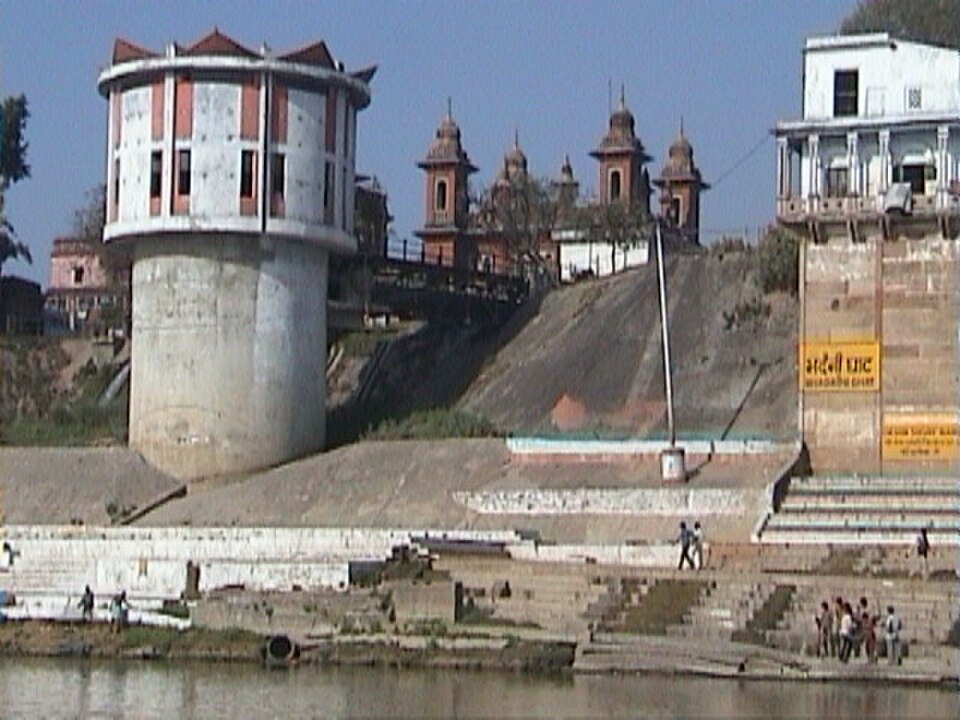
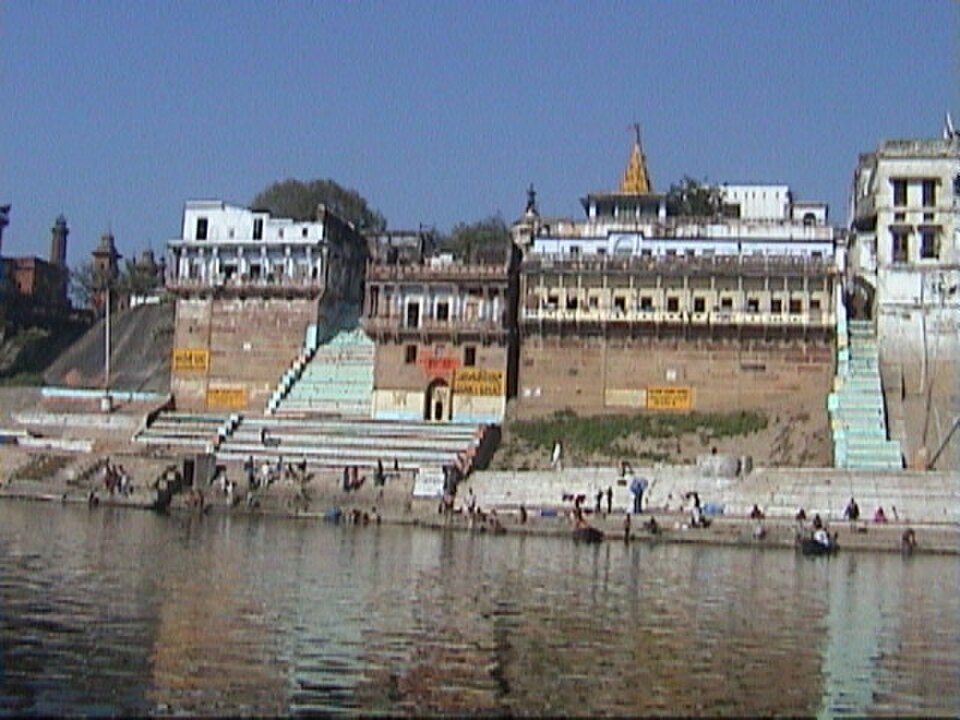
Mir Ghat is one of the smaller and quieter bathing places on the northern riverfront of Varanasi, tucked between the great ceremonial stairways that line the Ganga. It stands close to Manikarnika Ghat, the holiest of the city's cremation ghats, and yet it keeps a character entirely its own. The ghat presents itself as a modest flight of worn stone steps descending to the water, without grand temples or painted pavilions to announce its presence. What it offers instead is the plain dignity of an old stairway that has served bathers and boatmen for centuries. Travelers who pause here see the river up close, watch the boats coming in with wood for the pyres farther south, and hear the soft rhythm of the water against the stones. It is a place to sit, to watch, and to let the old city speak at its own pace.
The ghat belongs to the dense chain of bathing and landing places that run without interruption along this stretch of the Ganga, where the old city presses hard against the river. It is reached from the upper road by a short descent through an old gateway, after which the noise of traffic gives way to the sounds of water and prayer. On most days the steps are only lightly used, which is exactly the attraction for those who seek a moment of stillness before the day begins. Bathers arrive with the first light, boatmen untie their craft at dawn, and a steady trickle of pilgrims passes through on the way to Manikarnika and beyond. The ghat feels ancient without being theatrical, a place where function has always mattered more than display, and where the river is never far from the center of life.
For the visitor, Mir Ghat offers an honest glimpse of Varanasi as it has been lived for generations: stone, water, smoke from the distant pyres, and the unhurried business of everyday riverside life. Its history is not written in grand monuments but in the worn hollows of its steps and the memories of the families who have worked here for centuries. The name itself points to a Mughal-era nobleman, a small reminder that Kashi's story has many authors and many faiths. This guide moves through the ghat's identity, its past, its daily rhythms, its neighborhood, and the practical details of a visit, so that a traveler may approach it with understanding and respect. Taken together, these pages try to do justice to a small ghat with a long memory, one that asks little of the traveler and gives much in return.
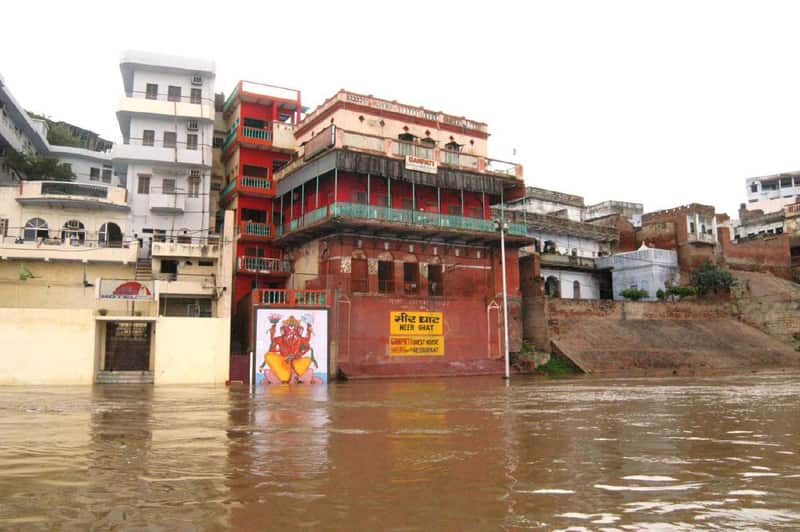
The Nobleman of the Name
The name Mir Ghat reaches back to the Mughal era, when a nobleman whose title began with the word Mir was associated with this stretch of the river. Mir is an old honorific of Persian origin, meaning chief or leader, widely used across northern India for men of rank. Records of the city's ghats are fragmentary, and the exact identity of this particular Mir has faded from memory, leaving a name without a face. What survives is the attachment of a titled gentleman to a plot of ghat steps, an arrangement common in Kashi, where kings, nobles, and merchants bought or built sections of the riverfront and left their names upon them. The custom turned the entire edge of the city into a long gallery of memory, and Mir Ghat is one of its quieter frames.
During the centuries when Mughal governors and their officers shaped the politics of the Gangetic plain, Varanasi remained a deeply Hindu city, yet its patrons came from many communities. The presence of a Muslim nobleman's name on a ghat is therefore no contradiction, but evidence of the layered and tolerant life of old Kashi. It is likely that the Mir in question built or repaired these steps, or simply used them as a private landing, and that later generations kept the name out of habit. As with many small ghats, oral tradition carries more weight than written record, and the true story sits somewhere between fact and legend. Visitors today encounter the name on painted signboards and in the chatter of boatmen who row past it every day. In the half-light of dawn, when the steps are nearly empty, the old name still carries a faint echo of that world.
The word Mir also echoes the wider Persian cultural influence that shaped Varanasi's administration, poetry, and music for centuries. This ghat is a quiet witness to that exchange, standing as it does among neighbors whose names tell other stories. The title of this section, the nobleman of the name, acknowledges that some histories survive only as traces. To stand on the steps and say the name aloud is to keep a small thread of connection with an era when a titled man once owned this patch of the Ganga's shore. The ghat remembers him even though his biography has dissolved into the river of time. Few visitors ask who he was, and fewer still will ever know, but the name has outlived every building and banner of his age. The silence of the ghat is generous enough to hold his story and ours together.
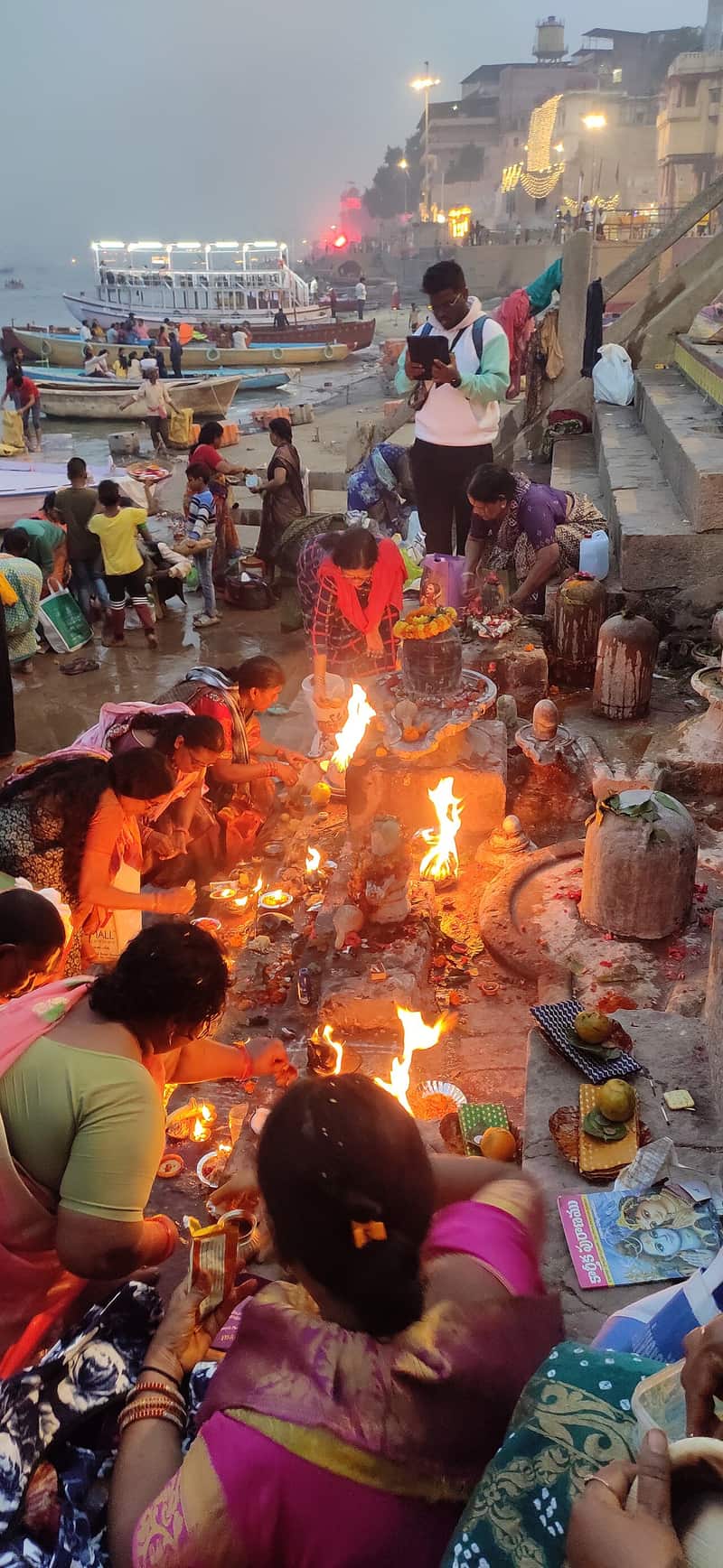
Layers of Old Kashi
The riverfront of Varanasi grew layer by layer over more than a millennium, with each century adding steps, shrines, and buildings upon the sand and silt of the bank. Mir Ghat belongs to this patient accumulation, its stones laid at some unknown moment and repaired countless times since. The earliest references to ghats along this bend of the Ganga appear in medieval accounts of pilgrims and rulers, and by the early modern period the whole stretch had become a dense chain of named landings. Behind each name lies a story of patronage, sometimes royal, sometimes mercantile, and the northern stretch near Manikarnika was always among the most venerated, because the river here receives both the dead and the living who come to purify themselves. Every landing, however small, is a page in that account, and Mir Ghat is one of its most legible lines.
Kashi's history is not a single narrative but many overlapping ones, and the ghats record them in stone. The area around Mir Ghat sits close to the cremation ground, a location that holy texts associate with liberation from the cycle of rebirth. For centuries the powerful and the pious sought to build their own small presence near this sacred ground, confident that proximity would ease their passage. The result is a jumble of modest structures, old wells, broken shrines, and stairways of different ages crowded together along the water. The Archaeological Survey of India has catalogued many of these ghats, and local histories written in Hindi preserve details that official records ignore, including the small dramas of the families who once owned the steps. These local accounts, passed from one generation of chroniclers to the next, keep the ghat's small history alive.
Fires have consumed parts of the old city, river floods have buried steps in silt, and restorations have reshaped the shore, yet the line of ghats endures as the city's oldest public architecture. Walking from Mir Ghat toward Manikarnika is like reading the city's history in reverse, from the relative quiet of a small landing to the terrible and sacred industry of the pyres. Every stone has been worn smooth by generations of feet, and every platform has its stories of births, deaths, marriages, and pilgrimages. The layers are not hidden; they are visible in the differing widths of the steps, the styles of the railings, and the age of the stone itself, and they reward any visitor willing to look slowly. Patience is the only price of admission, and the stones pay it back richly.
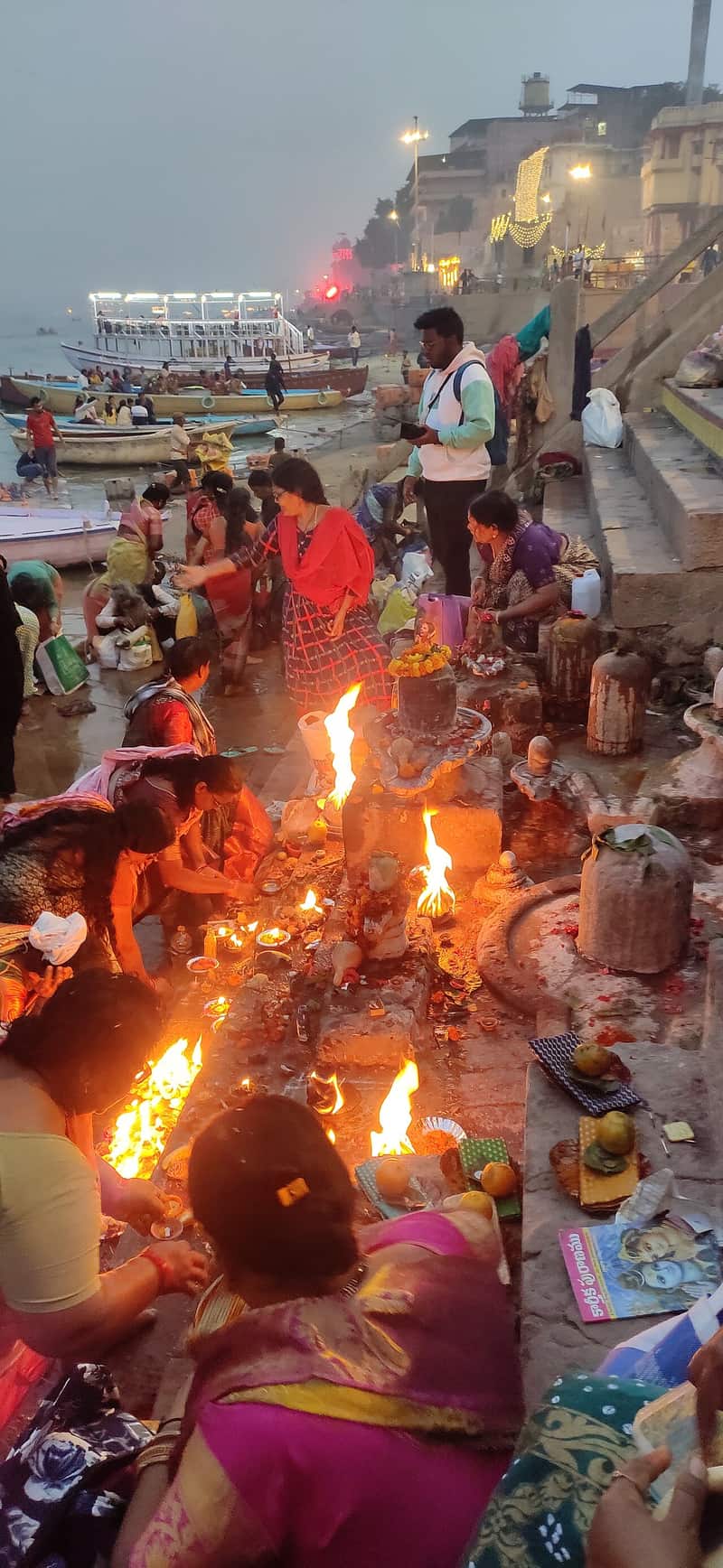
Morning Bathing
At dawn the steps of Mir Ghat come alive with the quiet ritual of bathing, the most intimate and essential activity of the Varanasi riverfront. Men and women, old and young, descend to the water with brass pots and prayer beads, chanting the names of the Ganga as they step in. The water here, as at every ghat, is considered a goddess, and a morning dip is believed to wash away the accumulated faults of the past. Bathing customs vary with the seasons; in winter bathers shiver through quick immersions, while in summer they linger in the cooler current. At certain hours the steps are crowded with bodies wrapped in wet cloth, drying in the first light of the sun over the far bank. The chant of the river, repeated in a hundred voices, gives the ghat its first music of the day, and the smell of wet stone and marigold rises with the mist.
The ritual is precise in its details. A bather cups water in the right palm, raises it toward the sun, and lets it fall back, offering worship to the rising god. Some float small lamps of leaf and flower, others fill pots to carry home, and many simply stand with eyes closed while the river moves past their waists. Boats drift near the steps and boatmen call out prices for a tour, but the bathers pay no attention. The act itself is older than any temple in the city, a continuous practice reaching back into antiquity, and it gives the ghat its living sanctity. Visitors who wish to join are welcome, though the water is not always as clean as the devotion that greets it. For many of them this is the third generation of the same offering, an unbroken chain of small gestures that no monument can match, and the river accepts each equally.
By mid-morning the intensity of the bathing hour fades. The steps empty, the dhobis take over stretches of the shore, and the ghat returns to the slower tempo of the day. Yet the water never quite empties, and the sight of a lone bather at noon, or of children splashing at the edge at dusk, shows that the ritual belongs to all hours. For those who cannot manage a full bath, a simple sprinkling of water on the head is enough to fulfill the obligation. The morning of Mir Ghat is the morning of all Kashi, repeated at a hundred ghats, yet each keeps its own quiet flavor of devotion, and this one keeps its stillness longer than most. The last bather of the day usually leaves with a pot of water for a household shrine, carrying a piece of the ghat into the evening lanes.
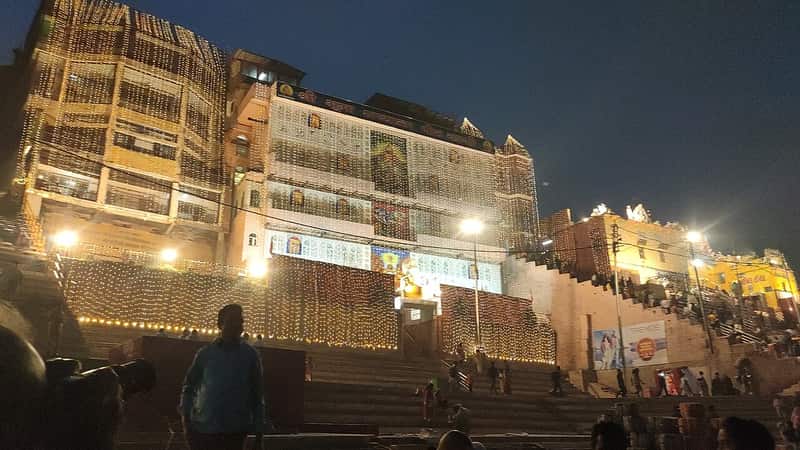
Bathers, Boatmen, and Locals
Daily life at Mir Ghat is carried on the shoulders of a few familiar figures. Boatmen gather at the waterline before sunrise, checking ropes and bailing water from their wooden skiffs, ready for the first fare of the day. Bathers arrive by foot from the lanes above, stepping down with the ease of long habit. Between them move the dhobis, beating clothes against flat stones, and the priests of small riverside shrines, who light incense and ring bells at appointed hours. It is a working ghat more than a showplace, and its rhythm follows the river, the sun, and the festivals rather than the schedules of tourists. The first boat of the day leaves before the sun tops the far bank, and the last returns long after the evening lamps are lit, and between those hours the ghat never quite sleeps.
The boatmen are the ghat's memory keepers. Many families have rowed these waters for generations, and a boatman can name every ghat along the bend, tell which king built which stairway, and recite the stories of gods that cling to each stone. A short boat ride from Mir Ghat toward the burning ghats reveals the full sweep of the riverfront, and boatmen tell these tales without being asked, their voices rising over the creak of the oars. They also serve as informal guides to the lanes, recommending sweet shops and warning against the touts who prey on newcomers. A good boatman is worth more than any guidebook. Over the years they have learned to read the water, the weather, and the moods of pilgrims with the same skill. Their knowledge is the ghat's oldest currency, passed down like the ropes on their boats.
The locals of the neighborhood use the ghat for everything the river provides. Clothes are washed at the water's edge, pots are cleaned, and in the dry season stretches of sand become playgrounds for children and grazing ground for goats. Elderly residents sit on the upper steps in the late afternoon, watching the light change and exchanging the slow gossip of a street where everyone knows everyone. A traveler who sits quietly among them will gradually be drawn into conversation, offered tea or questions, and learn that the small ghat, invisible in most guidebooks, is a complete world of its own, with its own weather, its own news, and its own unhurried clock. The ghat's population changes with the day, swelling at dawn and dusk and thinning to a few figures in the hot noon, yet someone is almost always there.
The River and the View
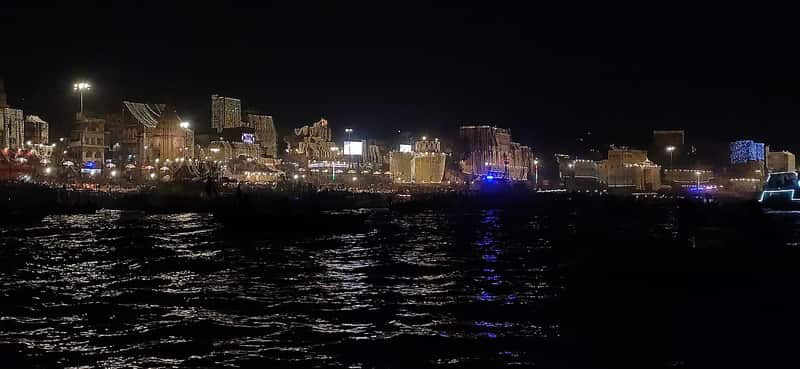
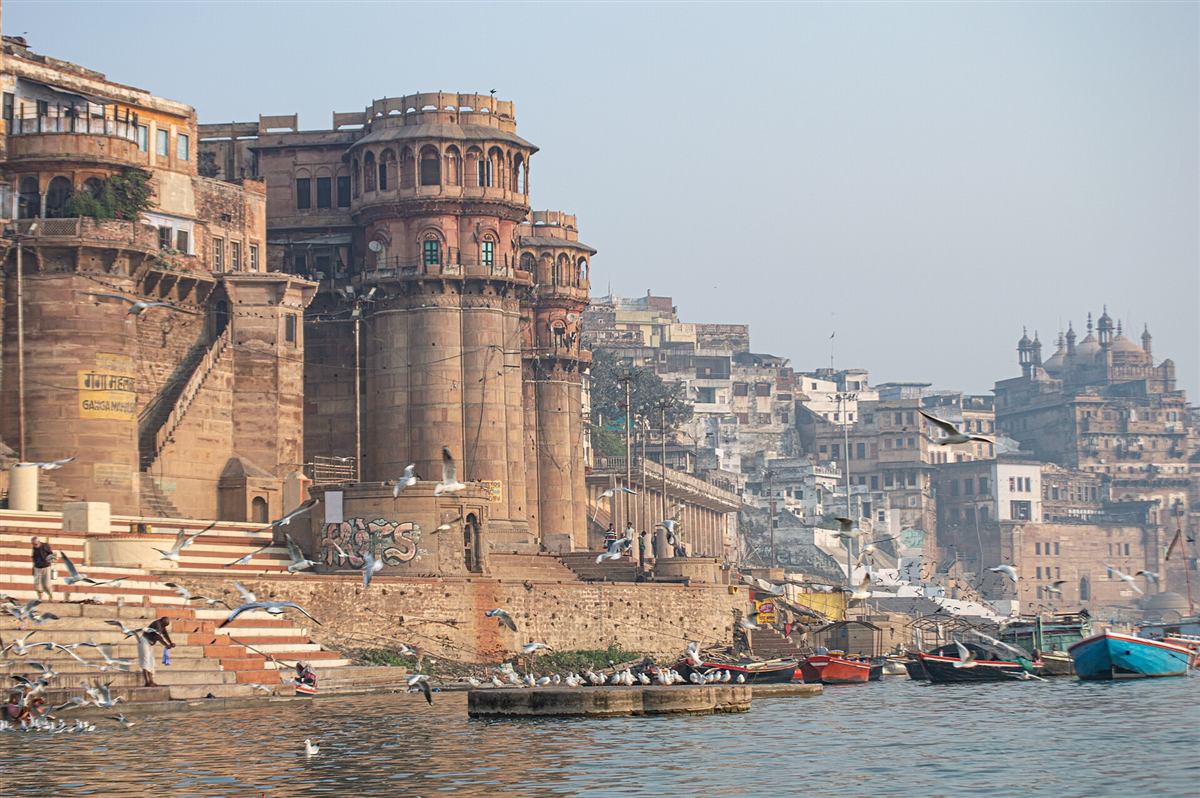
The Ganga at Mir Ghat flows broad and unhurried, curving gently as it passes the northern riverfront of Varanasi. From the steps the eye follows the current southward toward the towers of the Kashi Vishwanath corridor and the long line of ghats that crowd the bank, each named, each crowded with its own traffic of boats, bathers, and pilgrims. Northward the river widens, and the far shore appears as a low sandy line across the water. In the early morning a soft mist hangs over the surface, and the temple spires and rooftop shrines float above it like an old painting brought to life. The river at this bend is wide enough to humble a city and gentle enough to cradle a single lamp. It is a river that has shaped a civilization and still finds room for a single pilgrim's prayer.
The view from the water is even more striking than the view from the steps. A boat journey at dawn, moving slowly with the current, shows the ghats as they were meant to be seen, a continuous staircase of stone and story descending to the river. At that hour the eastern sky turns orange behind the far bank, and the whole city edge is silhouetted against the light. Boats gather near the larger ghats, but around Mir the river is comparatively open, giving a sense of space that is rare on this crowded bank. Cormorants dry their wings on posts, and occasionally a dolphin rolls in the deeper channel, reminders that the river is also a living wilderness. The ghats themselves seem to rise out of the water as the boat draws near, and the far towers of the city lean over the current like guardians; it is the hour photographers dream of and poets tire of describing.
The river is not merely scenery; it is the reason for the city's existence. For thousands of years the Ganga provided water, transport, and spiritual meaning to the settlements on its banks, and the ghats are the architecture of that relationship. At Mir Ghat the relationship is visible in the smallest details: the waterline marks on the stone, the ropes tied to iron rings, the boats painted with sacred symbols. Watching the current from these steps, one understands why the river is called mother, why its waters are carried home in pots, and why the whole city turns to face it at dawn and greets it again at dusk. In the evening the same current carries home the smoke of the pyres, the lamps of the aarti, and the last prayers of the day together, for everything that matters here travels by water.
Old City Lanes
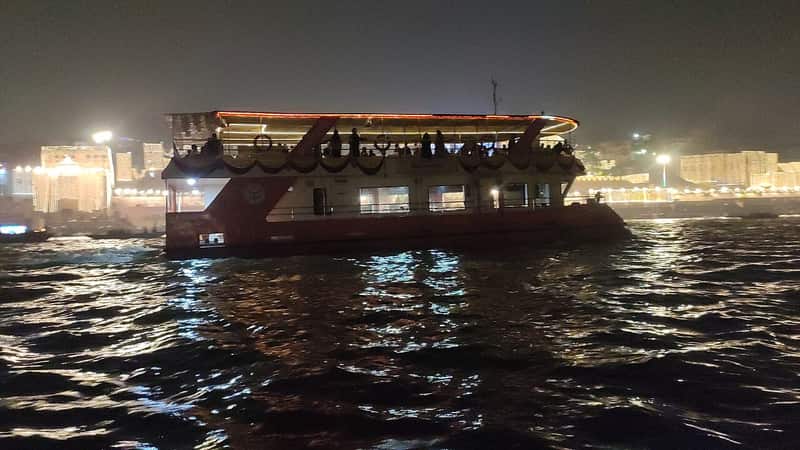
Behind Mir Ghat the old city rises in a labyrinth of narrow lanes, the classic Kashi galis that wind between houses so close that neighbors can shake hands across the roofs. The lanes here are quieter than those near the main temples, lined with small homes, tiny shops, and occasional shrines tucked into walls. Steps and ramps lead up from the ghat through archways into this interior world, where the sun reaches the ground only briefly at midday. Life in these lanes moves at the pace of foot traffic, because almost nothing else can pass through the passages, and the daily commerce of the neighborhood happens at doorways and in tiny courtyards. The thresholds are worn by bare feet and the walls carry the faded paint of a hundred small shops that have come and gone.
The neighborhood economy is modest but complete. There are small shops selling sweets and paan, tea stalls that serve the boatmen, and suppliers of the wood, cloth, and oil that feed the pyres at Manikarnika. In the lanes one may encounter families of artisans, brass workers, and weavers who have lived and worked here for generations. Cows move through the alleys like municipal authorities, bicycles lean against walls, and at festival times the lanes are hung with marigold garlands and strings of lights. The smells are intense, a mixture of incense, frying oil, dung, and river damp that changes with every turn. Every alley has its own sound, from the clang of brass to the song of a loom, and the air carries the business of the quarter in layers; to walk here is to hear the city at work.
The lanes also hold the neighborhood's sacred geography. Small shrines to Ganga, Shiva, and Hanuman stand at corners, and several old wells, some of them historic, serve the households. The closeness of Manikarnika gives the whole quarter a particular mood; death is present here not as tragedy but as a familiar neighbor, announced by processions that pass through the lanes carrying the dead to the pyres. These processions move quickly and quietly, and the lanes part for them as naturally as the river parts for a boat. For the traveler, a slow walk through these alleys is an education in how an ancient city actually lives, layer upon layer, home upon home, with the ghat as its front door to the sacred river. Each visit to the quarter is different, yet the lanes themselves never seem to change at all.
Manikarnika and Bhonsale Ghats
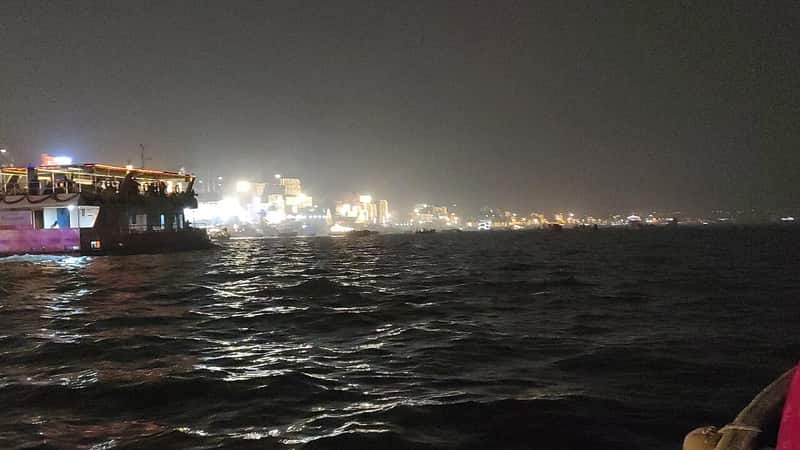
Mir Ghat sits at the edge of the most sacred and most intense stretch of the Varanasi riverfront, with Manikarnika Ghat immediately to the south and Bhonsale Ghat nearby. Manikarnika is the great burning ghat of Kashi, where funeral pyres burn day and night, tended by the Dom community, who hold hereditary rights to the cremation grounds. For Hindus, to be cremated here is considered a guarantee of liberation, and families bring the dead from great distances to complete this final rite. The smoke of its fires, visible from Mir Ghat's steps, hangs over the whole quarter as a constant reminder of the cycle of life and death. To stand between the two, one of which ends life and the other of which serves it, is to feel the whole span of existence in a single glance.
Despite its solemn purpose, Manikarnika is not a place of hushed grief but of intense, organized activity. Wood sellers stock stacks of logs, priests perform rites, and family members move through the rituals with the precision of long tradition. The great well of Manikarnika, connected by legend to the earring of Shiva's consort, sits within the complex, guarded by priests. Visitors may observe the cremations from a respectful distance, but photography is strictly forbidden, and the guides who offer their services expect a donation. The nearby Bhonsale Ghat, built by the Maratha rulers of Nagpur, is known for its painted pavilions and its statue of a horse, a striking contrast to the somber activity of its neighbor. Yet even this ghat, with its towers and its crowds, remains a place of families and faith rather than of spectacle.
Walking the short distance from Mir Ghat to these neighbors is an essential part of understanding the whole stretch. The riverfront here is a single continuous stage, where bathing, worship, commerce, and cremation proceed side by side without contradiction. For the traveler the lesson of these ghats is the city's supreme lesson: that life and death are not opposites but parts of one movement, and that the river accepts both without judgment. The quiet steps of Mir Ghat give the visitor the composure to approach the pyres with respect, and the pyres in turn give the quiet ghat its deepest meaning. Few stretches of the world carry so much meaning in so short a walk, and fewer still deliver it with such economy of effort; the river, as always, makes the connection complete.
A Quiet Historic Character
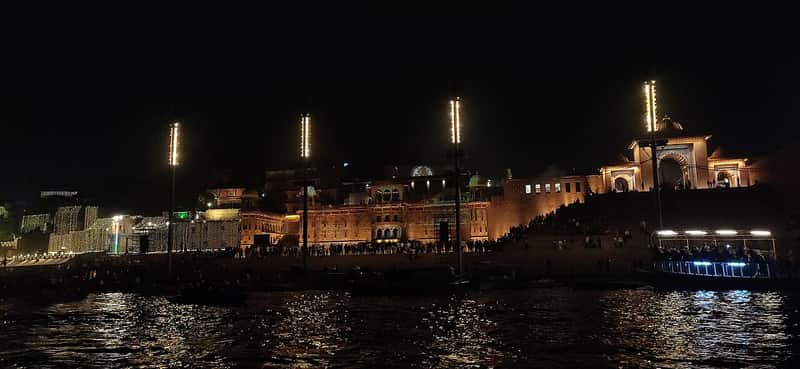
The atmosphere of Mir Ghat is its greatest gift, a quality of stillness that has become rare on the Varanasi riverfront. Where Dashashwamedh and Assi pulse with crowds, music, and commerce, Mir offers stone, water, and silence broken only by the sounds of ordinary life. The ghat's small scale is part of this mood; there is no grand staircase, no tourist bazaar, no performance stage, only the patient geometry of steps and the open sky over the river. Sitting on the upper stones in the afternoon, a visitor feels the weight of centuries settled into the place, the sense that this corner of the city has been exactly like this for a very long time. The city's clamor is near, yet the ghat sits apart from it, like an old man dozing at the edge of a wedding procession.
The quiet is not emptiness. The ghat has its own population of regulars, and a passerby will be greeted, questioned, and sometimes offered tea. Yet the exchanges are unhurried, without the aggressive commerce that marks the bigger ghats. Boatmen here wait rather than chase, and the priests of the small shrines speak softly. The smoke of Manikarnika drifts over the steps, giving the atmosphere a pensive quality, a reminder that this stretch of the river has seen more endings than most places on earth, and has grown gentle in the face of them. It is a courtesy that grows naturally out of long acquaintance, the manner of a place that has learned patience the hard way. The ghat has outlived empires, and it has no reason to hurry now; it waits, and those who wait with it are repaid.
Visitors who love Varanasi often carry away not the famous ceremonies but small moments like these: a sunset from an unnamed step, the face of an old man watching the water, the sound of a boatman's song crossing the river. Mir Ghat offers such moments freely. It asks nothing of the visitor except presence, and it rewards attention with a sense of having touched the real city beneath the tourist version. In the hierarchy of Varanasi's ghats it is a minor landmark, but in the memory of those who pause here, it can become the most vivid place of all. Even the boatmen row more slowly here, and the water seems to pass with a softer touch; quiet is the ghat's one luxury, and it is free. Like everything else in Kashi, the quiet rewards the patient.
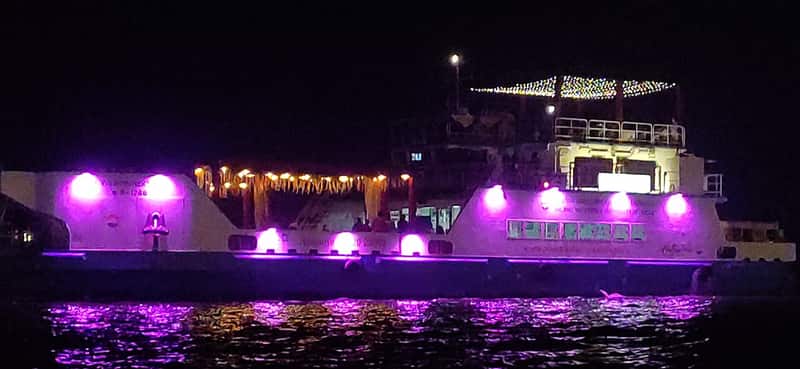
Local Celebrations
The festivals of Varanasi touch every ghat, and Mir Ghat is no exception, though its celebrations keep the local scale of the neighborhood. The greatest of all is Dev Deepawali, the festival of lights of the gods, celebrated on the full moon of Kartik, when the whole riverfront is lined with lamps and the city floats them on the water. From Mir Ghat the spectacle of the illuminated banks is magnificent, with thousands of flames reflecting on the current, while the larger ghats host the grand ceremonies and fireworks. Families of the neighborhood bring their own lamps, and the ghat glows with an intimate version of the city's great festival. The reflection of so many flames on the dark current has drawn painters and photographers from across the world, yet the ghat itself remains a family affair, where children carry the lamps and grandparents see them off.
Ganga Dussehra, marking the descent of the goddess to earth, fills the steps with worshippers on the tenth day of the bright fortnight of Jyeshtha, and the rituals of Kartik Purnima bring special bathing and prayers. During the month of Kartik, the winter bathing season, the ghat sees its most devoted crowds, and the lamps of the evening aarti at the bigger ghats are visible from the water. Local celebrations also include the anniversary processions of the neighborhood's small temples, when the deities are carried through the lanes on decorated palanquins with drumming and singing. In the cool of the Kartik mornings the steps are lined with pilgrims wrapped in shawls, and the river takes on the color of the saffron flags that flutter along the bank. For the locals these are the true festivals, older than any brochure.
Religious festivals are only part of the story; the ghat also hosts the secular celebrations of the quarter. Holi is celebrated with color along the steps, and during the days of the Ramlila season the lanes behind the ghat are alive with preparations. The bathers and boatmen mark these occasions with their own customs, decorating their boats and offering the river sweets and flowers. For the traveler, a festival visit to Mir Ghat offers a rare chance to see the celebration of the city at a human scale, without the crowds of the main stages, yet with all the devotion intact and the river as the only witness. The same people who row the boats all year become the audience, and the river that carries their boats carries their joy as well; it is the city's oldest stage, and it needs no other, no ticket, no lights, no announcement.
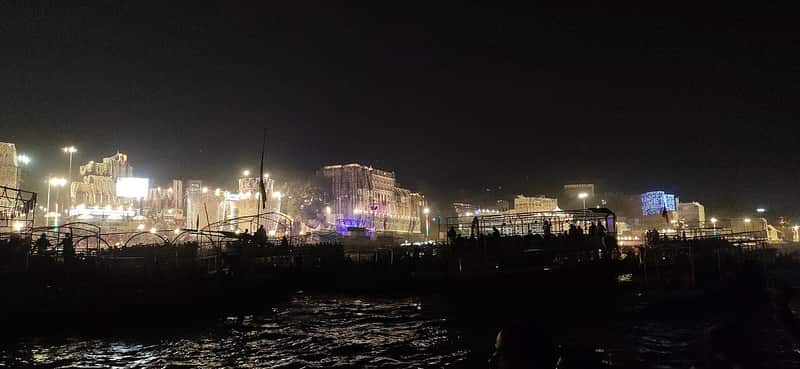
Respectful Conduct
A visit to Mir Ghat asks for the same respect that all of Varanasi's ghats require, beginning with the understanding that this is a living place of worship, work, and mourning. Modest dress is appreciated at all hours, and it is best to keep voices low near the water, where many people are engaged in prayer. Bathing is welcome, but visitors should follow local practice: the water is used with gratitude, never with disrespect, and offerings should be made only to the river itself. Shoes should be removed before approaching small shrines, and the rituals of bathers should be observed without intrusion. What moves the ghat is faith, not display, and any visitor who keeps that in view will find the place welcoming; the ghat, for all its silence, is generous to those who approach it gently.
The greatest care is needed in the direction of Manikarnika, where cremations are in progress at almost any hour. Photography of the pyres is absolutely forbidden, and even pointing or lingering near the fires can cause deep offense. If a guide offers to arrange a closer view or a photograph, it is wiser to decline. The smoke that drifts to Mir Ghat is part of the sacred business of the quarter, and questions about it should be asked softly, if at all. Donations to priests or to the families supporting the rites are customary only when one is actually participating in a rite. The quiet of the ghat is a courtesy extended in both directions, and it costs nothing to return it; a step back, a folded hand, a lowered gaze, these speak louder than any words.
Practical courtesy extends to the people of the ghat. Boatmen who are asked for prices should be paid the agreed amount without bargaining, since these are small sums that feed whole families. Touts and self-appointed guides may approach, and a polite refusal is all that is needed. Photographing the residents, especially women and children, requires asking first, and a smile usually brings consent. The golden rule of the ghat is simple: approach it as a guest of a place that is older than any nation, and leave nothing behind but the memory of its quiet dignity. The ghat will remember a kind traveler long after the traveler forgets the ghat, and that is the only souvenir worth carrying home. Respect, in the end, is the only language every ghat understands, and Mir Ghat speaks it fluently.
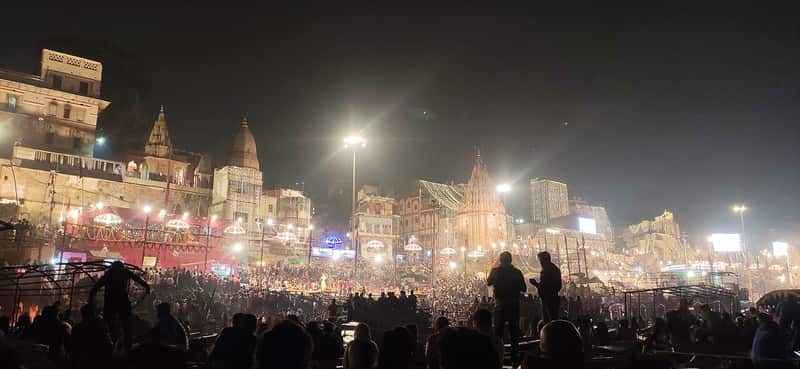
Reaching Mir Ghat
Mir Ghat is reached most easily on foot from the old city, since the lanes that approach it are too narrow for vehicles. From Dashashwamedh Ghat the walk along the riverfront takes about twenty minutes, passing the great stairs and the bazaar streets that climb from them. Taxis and cycle rickshaws can bring a visitor to the upper road, from where a short descent through the lanes reaches the steps. The ghat is also well served by the boats that ply the river, and a boat ride from almost any central ghat will put the traveler down at the waterline with the least effort. For those who enjoy the walk, the route along the riverfront passes some of the oldest and most beautiful architecture in the city, and the final descent to Mir Ghat comes as a release into quiet; allow at least an hour for the approach, and you will not regret it.
The best time to visit is the early morning, from sunrise until mid-morning, when the bathing rituals give the ghat its fullest life and the light is at its most beautiful. The evening hours are quieter and have their own charm, especially around sunset, when the smoke of Manikarnika rises pink against the sky. The winter months from October to March offer the most pleasant weather, while the monsoon months of July and August bring high water that covers the lower steps and sometimes suspends the use of the ghats entirely. The festive season of Kartik, in October and November, is the most vivid time of the whole year. Those who come only once may be forgiven for choosing these hours; those who return always know them by heart, for the ghat is generous with its light at every season.
The practical geography of the area completes the visit. Manikarnika Ghat lies a short walk to the south, and Bhonsale Ghat, with its painted pavilions, is just beyond it, so the three can be combined in a single unhurried circuit. The lanes behind the ghat contain tea stalls and small eateries for a simple meal, and the larger markets and temples of the old city are a short walk away. For those who arrive by boat, the return trip at dusk, with the city lights rising along the water, is one of the most memorable experiences that Varanasi can offer, and it begins and ends at steps like these. Even a single morning here, measured in steps and smoke and slow water, can hold the memory of a whole journey; come early, stay a while, and let the ghat set the pace.
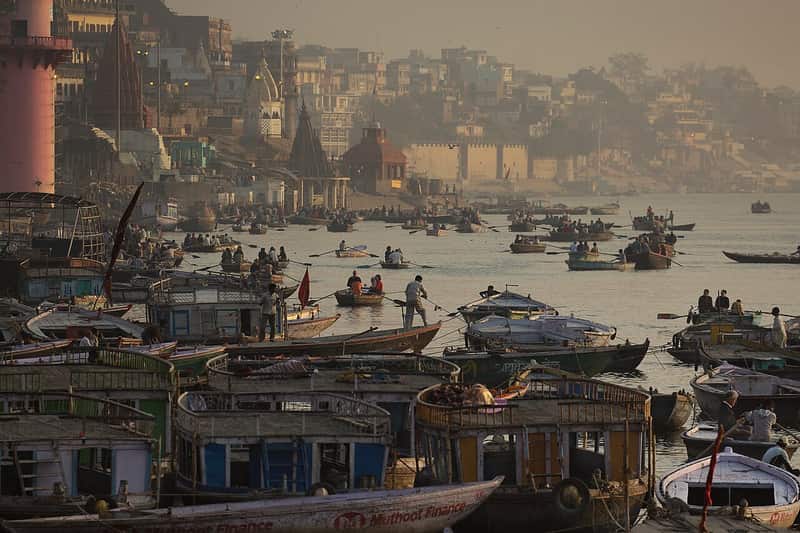
Mir Ghat — Gallery (12 Photos)
Image Credits
mir-01.jpg · mir-02.jpg · mir-03.jpg · mir-04.jpg · mir-05.jpg · mir-06.jpg · mir-07.jpg · mir-08.jpg · mir-09.jpg · mir-10.jpg · mir-11.jpg · mir-12.jpg — Wikimedia Commons, under free licenses.
Continue exploring
Similar Ghats Nearby
Book This Ghat — Get Notified
Download the app now and book a boat ride to Mir Ghat