

Lal Ghat
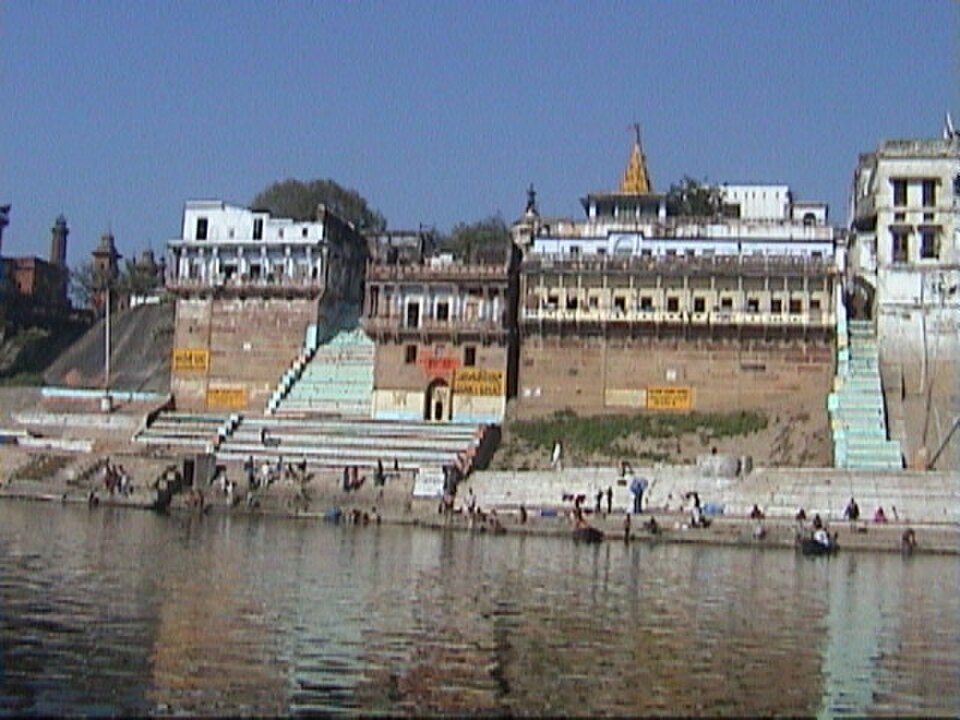
Neighbourhood GhatLal Ghat is a 12th-century historic ghat with a famous temple.


Type
Neighbourhood Ghat
Boat Fare
1x base fare
Best Time
5-8 AM
History
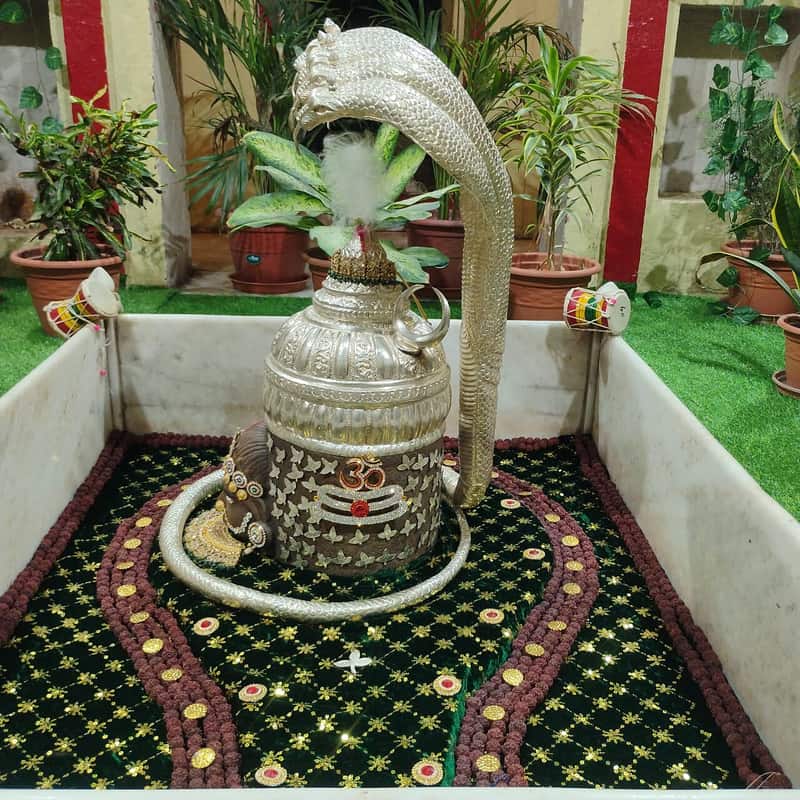
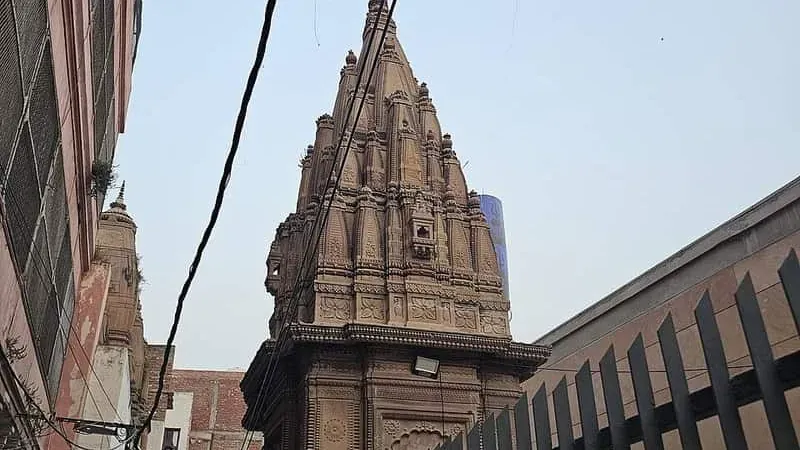
Built in the 12th century. A famous temple is at the ghat center, known as a beautiful temple by locals.
Highlights
- Small historic ghat
- Local bathing tradition
- Peaceful northern stop
Festivals & Events
How pricing works in the NaviX app
No haggling at the ghat — everything is fixed in the app first
- 1
Fixed price before you board
The fare is shown in the app upfront — no bargaining at the ghat
- 2
Sharing or private — your choice
Share with fellow travelers or take the whole boat for your group
- 3
Pay only after the ride
UPI, card or cash — with an instant receipt
🕉️
Aarti details not available for this ghat yet
Complete Guide
Lal Ghat — The Complete Guide
History, mythology, rites and practical details — everything in depth.
On this page
- 1.Overview: A Modest Step on the Northern Riverfront
- 2.The Red Name and Its Origins
- 3.Bathers, Boatmen and the Ordinary Rhythm
- 4.The Morning Scene of Bathing
- 5.The River Here and Its Moods
- 6.The Lanes and Mohalla Behind the Ghat
- 7.Gai Ghat and Badri Narayan Ghat Nearby
- 8.Modest and Friendly: The Ghat's Atmosphere
- 9.Everyday Piety at Lal Ghat
- 10.Respectful Conduct on the Ghat
- 11.How to Reach Lal Ghat and When to Visit
📅 Updated: 21 Aug 2026 · Author: NaviX Field Team (field research 2024-26) · 11 sections · 11 photos
Overview: A Modest Step on the Northern Riverfront
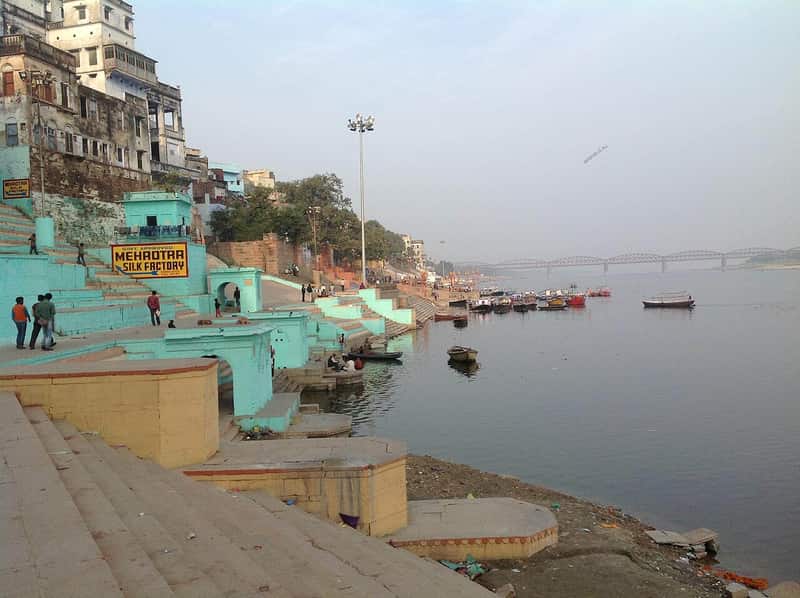
Most visitors to Varanasi hurry toward the famous ghats of Manikarnika and Harishchandra, drawn by the great fires of the cremation grounds, but the northern riverfront of the city tells a quieter and older story. Lal Ghat is one of those lesser-known landing places, a modest flight of stone steps tucked into the chain of small ghats that runs north toward the Rajghat plain and the railway bridge beyond. It has no towering temple spires, no vast palace facades, no crowds of pilgrims waving incense and ringing bells. What it offers instead is something rarer and, for many travellers, more valuable: the unvarnished daily rhythm of the river itself, shared with bathers, boatmen and a handful of shopkeepers who have known this stretch of water all their lives. To reach it you leave the loud bazaars of the centre and walk through a part of the city that still moves at its own unhurried pace, until the water suddenly opens wide before you.
The ghat is easy to miss even from the water. A passing boatman will name Gai Ghat or Badri Narayan Ghat with greater enthusiasm, yet Lal Ghat holds its own quiet place in the memory of the neighbourhood. Its name speaks of the colour red, and its history is bound up with the merchants and householders who once paid to have the steps built and repaired. Today the stone is worn smooth by generations of bare feet, the waterline shifts with every monsoon, and the whole scene carries the unhurried, friendly air of a village that happens to stand at the edge of a sacred river. There is no ticket, no gate, no ceremony to arrange, and no one asks anything of you; the ghat simply receives whoever comes, local or stranger, with the same patient courtesy.
For the visitor, Lal Ghat is a place to slow down and look closely. It rewards the patient traveller with morning light on wet stone, with boatmen mending their craft, with children splashing at the edge of the water and old men stretching in the dawn. It is a ghat of small moments rather than grand spectacles, and in a city that can sometimes feel overwhelming, that simplicity is precisely its gift. This guide follows the ghat through its name, its people and its practices, so that a traveller who arrives here with a little time can leave with a little more understanding of the ordinary Varanasi that lives quietly beside the holy river, far from the floodlights and the tour buses.
The Red Name and Its Origins
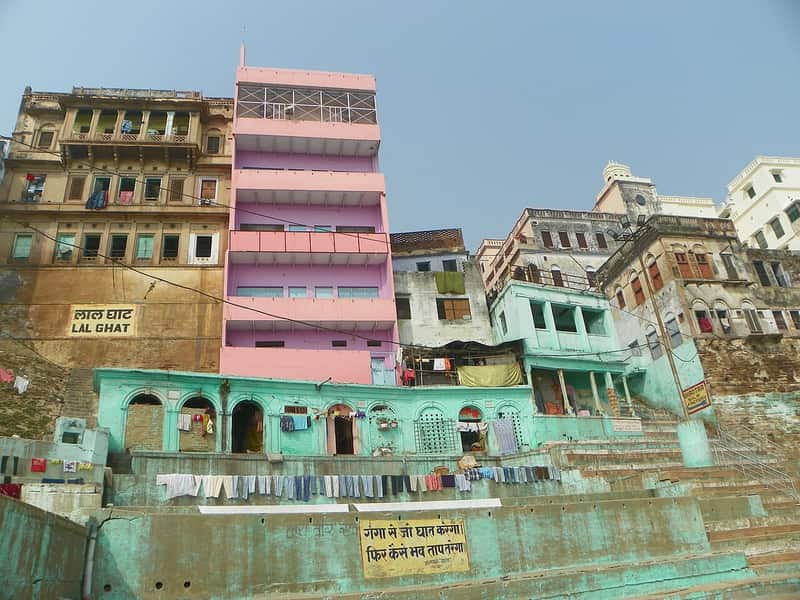
In Hindi the word lal means red, and the name of this ghat points straight to the colour that once dominated its skyline. Local memory holds that the buildings standing behind the steps were painted red, a vivid mark against pale stone and grey water, so that boatmen coming down the river could pick out the landing from a distance. Another tradition links the name to a prosperous merchant of the neighbourhood, known as Lal, whose family is said to have paid for the construction or repair of the ghat in an earlier century. The two stories may well be true at once, and both say the same thing: the ghat was named by the people who used it, not by a king and not by a scripture. It is a folk name in the truest sense, born of daily need rather than royal decree.
Red carries a particular weight in this city. It is the colour of vermilion smeared on temple idols, of the tilak on a devotee's forehead, of the flags that flutter over shrines, and of the ochre robes worn by renunciant sadhus. A ghat called Lal, then, does not merely describe paint; it connects the landing to the whole devotional colour code of Varanasi, where every tint carries its meaning. The name also sets this ghat apart from its neighbours, each of which carries its own signature: Gai Ghat takes its name from the cow, Badri Narayan Ghat from a form of the god Vishnu, while Lal Ghat borrows its identity from something as simple and human as the colour of a wall. In a city of sacred titles, it is a refreshingly plain name, and its plainness is part of its charm.
None of this appears in grand inscriptions. The ghat's story survives in the talk of elders, in scattered municipal records, and in the small habits of naming that still shape the city when a new landing is built. What matters today is that the name endures, spoken every morning by boatmen calling out their routes and by bathers telling visitors where they have been. A name, in this old city, is a kind of address that carries history inside it, and Lal Ghat wears its red name lightly, without ceremony, the way an old man wears a nickname he has long since stopped explaining. Ask anyone on the steps how the ghat got its name, and you will hear one of the two stories told with the easy confidence of people repeating a household tale for the hundredth time.
Bathers, Boatmen and the Ordinary Rhythm
Lal Ghat has no fixed timetable, and that is the secret of its charm. The day begins before sunrise, when the first bathers arrive with their brass lotas and wet towels, moving slowly down the steps while the sky over the eastern bank turns from black to grey to rose. By the time the sun clears the rooftops, the ghat is fully awake: boatmen untie their craft, hawkers spread their wares, and a priest or two settles into their usual spot under a worn umbrella. Nobody hurries, because there is nothing here to hurry for. The rhythm is set not by clocks but by the river, which rises and falls with the seasons and shapes every plan that begins with the word tomorrow, so that the whole morning unfolds in the same patient order it has followed for centuries.
Through the middle of the day the ghat settles into an easy lull. A few women wash clothes at the water's edge, beating the cotton against the stone in the old way; children skip school for an hour and wade in the shallows; cows wander down to drink, trailing behind them the sound of small bells. The boatmen lounge in the shade of their upturned craft, playing cards or arguing gently about the price of fuel, while the watermen who ferry pilgrims across the river doze between customers. An occasional bicycle rickshaw rattles down the lane above, and a tea stall sends up its whistle of steam. It is an ordinary scene, the kind that has played out on this stretch of shore for centuries with remarkably little change, and that continuity is exactly what makes it so rare to witness.
As evening falls, the ghat turns once more toward devotion and homecoming. Bathers return for the ritual dip, families settle on the steps to watch the sun sink over the rooftops of the west bank, and the lamps of the small shrine flicker to life behind the buildings. This is the hour when the whole neighbourhood comes down to the water simply to be near it, and the talk drifts between the weather, the price of vegetables and the health of relatives. To sit on Lal Ghat for a single full day is to watch an entire small world turn on its axis, gentle, unhurried and utterly self-possessed, the kind of quiet spectacle that gives Varanasi its enduring pull and that no guidebook can arrange for you.
The Morning Scene of Bathing
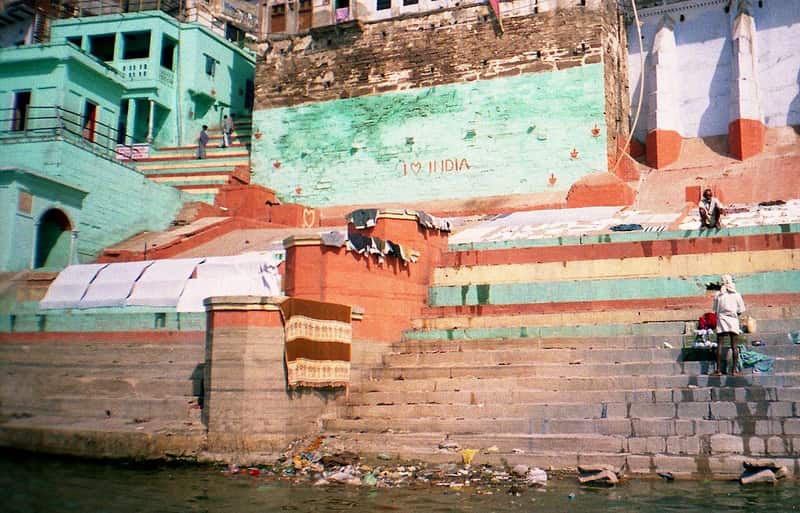
Bathing at Lal Ghat is a private ritual performed in public, and it draws its dignity from that contradiction. Before the first boat sets out, the bathers claim the waterline in twos and threes, men to one side and women to the other, each absorbed in a routine refined over a lifetime. The dip itself is quick, a measured immersion that sends ripples across the grey-green water, but what surrounds it is elaborate: the slow rinsing of the mouth, the offering of water to the rising sun, the murmured mantras that hang in the cold morning air, and finally the long, deliberate walk back up the wet steps. There is no showmanship in any of it, only the unhurried precision of people doing something they have done a thousand times and will do a thousand more.
The ghat keeps its own bathing calendar, more modest than the great festivals of the city. On ordinary mornings a score of people may come down; on Ekadashi and other auspicious days the number multiplies, and the bathers spill over into the neighbouring ghats. Elderly women arrive with grandchildren in tow, instructing them in the proper way to dip and to face the sun, while old men sit chest-deep in the water reciting the Gayatri mantra with their eyes closed. In winter the ritual grows longer, for the water stays warm against the cold air; in the hot months the bathers come in the deep dark before dawn. What strikes the visitor is not the piety of the crowd but its matter-of-factness: for these people, bathing in the Ganga is simply what a proper morning is.
By mid-morning the scene is over, and the waterline belongs once more to the boatmen. The steps dry slowly in the sun, and nothing remains of the crowd except a stray leaf or a sprig of marigold where the bathers stood. Yet the calm of the ritual lingers through the day, and the ghat seems to exhale. For those who wish to take part, there is no gatekeeping of any kind: any visitor may bathe, provided they approach the water with respect, a rule that the ghat applies to everyone, local or traveller, with the same quiet and unforced courtesy. The water is not fenced, the priests do not insist, and the only requirement is the one every bather carries in their own heart.
The River Here and Its Moods
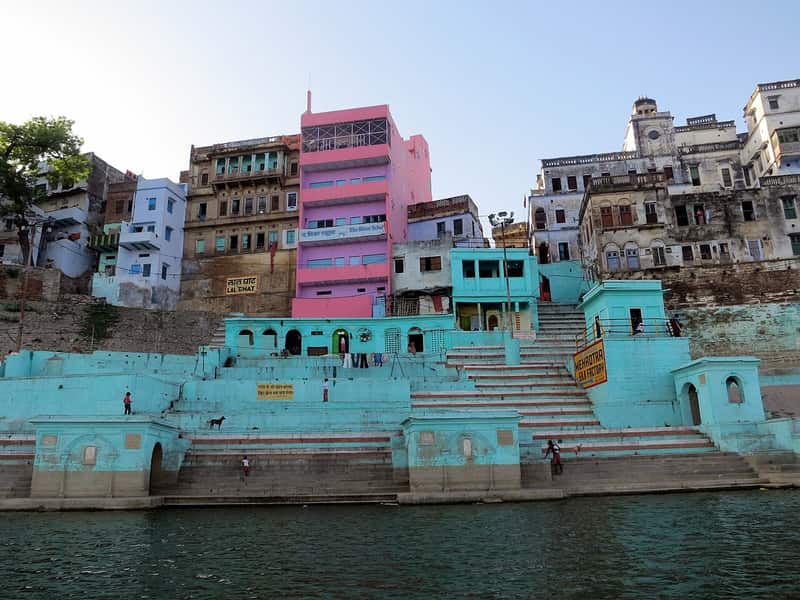
The Ganga at Lal Ghat is not the thundering river of legend but a broad, slow-moving body of water that seems to hold its breath between the ghats. The current runs a little faster in the middle of the stream, where the great barges and the occasional steamer pass, but close to the steps the water turns almost still, and the reflections of the buildings tremble gently on the surface. The river here is wide enough to make the far bank a soft blue line of trees and fields, and on clear mornings the smoke of the cremation fires drifts across from Manikarnika, a reminder that the same water carries death and devotion in equal measure. Pelicans and gulls work the shallows in winter, and the river gives the ghat its weather, its mood and its reason for existing.
The river changes with the year, and the ghat changes with it. In the monsoon the water climbs the lower steps, and the boatmen move their moorings higher; in winter the shore withdraws, leaving broad sandbanks where fishermen mend their nets and children play cricket. The shift between seasons is a matter of local conversation, since everything here, from the price of boat rides to the depth of the bathing water, depends on the river's mood. In the hottest weeks of summer the stream runs thin and quick, and the far sandbanks bake in the sun; in flood years the water has been known to reach the lane above, and the whole ghat disappears for a week at a time. The people of Lal Ghat read the water the way farmers read the sky.
Yet the river is never merely scenery. For the faithful it is Ganga Maiya, the mother goddess, a living presence to be greeted at dawn and honoured at dusk; for the boatmen she is a workplace, capricious and demanding; for the bathers she is a healer. The same stretch of water that receives a devotee's prayer also bears the cargo boats and carries away the ashes of the dead. To stand on Lal Ghat and watch the current slide past is to see all these meanings at once, layered like the sediment the river drops on its banks, and it is this depth, more than any monument, that holds the visitor's attention. The river gives the ghat its life, and the ghat gives the river its human face.
The Lanes and Mohalla Behind the Ghat
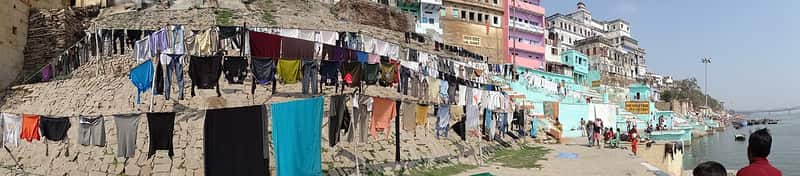
Behind Lal Ghat, the city gathers itself into the close, secret geography of a Varanasi mohalla. A warren of lanes, barely wide enough for two bicycles to pass, winds between tall houses whose walls lean toward one another like old friends; here and there a doorway opens onto a courtyard bright with washing and marigolds. The lanes have their own order, invisible to the outsider: the chai shop that wakes first, the corner where the milkman stops, the temple whose bell marks the hours. To walk these alleys is to leave the river's broad horizons and enter a world measured in footsteps and familiar voices, where every doorstep has its story and every window frames a life in progress.
The mohalla is home to the families whose working lives unfold on the ghat, and their presence gives Lal Ghat a domestic warmth that the grander landings lack. A bather here is often also a neighbour who has just come down from one of these houses; a boatman is a son or a brother of someone frying pakoras in the lane above. The interdependence is complete: the ghat feeds the mohalla with pilgrims and custom, and the mohalla feeds the ghat with people, gossip, and the small services that keep a landing alive, from repairing a broken step to lending an extra oar. This is how the old riverfront cities of India always worked, and this part of Varanasi has kept the arrangement intact.
For the visitor, the lanes behind Lal Ghat offer the most authentic glimpse of how this part of Varanasi actually lives, away from the festival crowds of the southern ghats. Here one can watch a tailor at his machine, hear schoolchildren chanting their lessons, buy a fresh jalebi that has just come out of the oil, and be greeted with the easy, unpractised courtesy that is the signature of this neighbourhood. The maze can be disorienting, but losing one's way is part of the charm; every lane eventually delivers the traveller back to the river, and the river always knows the way home. Carry a sense of direction and a smile, and the mohalla will do the rest.
Gai Ghat and Badri Narayan Ghat Nearby
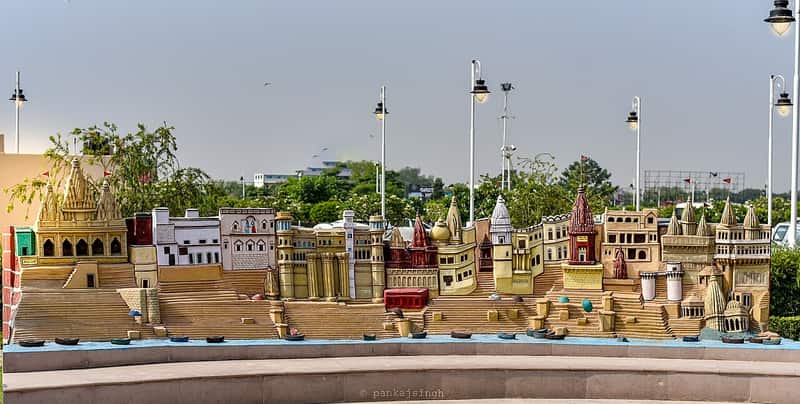
Lal Ghat belongs to a small family of ghats that cluster along this stretch of the northern riverfront, and a walk of a few minutes in either direction takes the visitor into its close relatives. To the south, Gai Ghat takes its name from the cow, and its steps are a favourite gathering place in the early morning, when the cattle of the neighbourhood come down to drink and the temple bells begin their first rounds. To the north, Badri Narayan Ghat is named for the form of Vishnu worshipped at the shrine behind it, and its slightly larger landing often serves as the practical centre of the group, where boats are hired and pilgrims are set on their way. Between them, Lal Ghat keeps its own quieter place.
The three ghats share so much that locals treat them as one continuous shore. A bather will walk from one to the next without thinking of the boundary; a boatman moored at Lal Ghat will take a fare to the steps of Badri Narayan as a matter of course. The differences are of degree rather than kind: Gai Ghat with its cattle and its gentle disorder, Badri Narayan with its temple and its small festival crowds, and Lal Ghat in between, the quiet middle sibling with the red-painted memory. Together they form a friendly, lived-in district of the river, each one reinforcing the character of the others, and no one who knows the neighbourhood thinks of visiting one without greeting the other two.
For the visitor, this clustering is a gift. A single walk from one end of the group to the other shows how a ghat's character is shaped by its temple, its patrons and its daily traffic, and how quickly the riverfront changes from one landing to the next. Better still, the cluster means that Lal Ghat is never isolated: help, tea, a boat or a guide are never more than a few steps away. The ambitious walker can continue further south toward the famous ghats of Assi and Dashashwamedh, but those who prefer the quieter river will find that this small chain of ghats has everything they came to see, and the return boat from Dashashwamedh will carry you past the whole parade before setting you down again at these gentle steps.
Modest and Friendly: The Ghat's Atmosphere
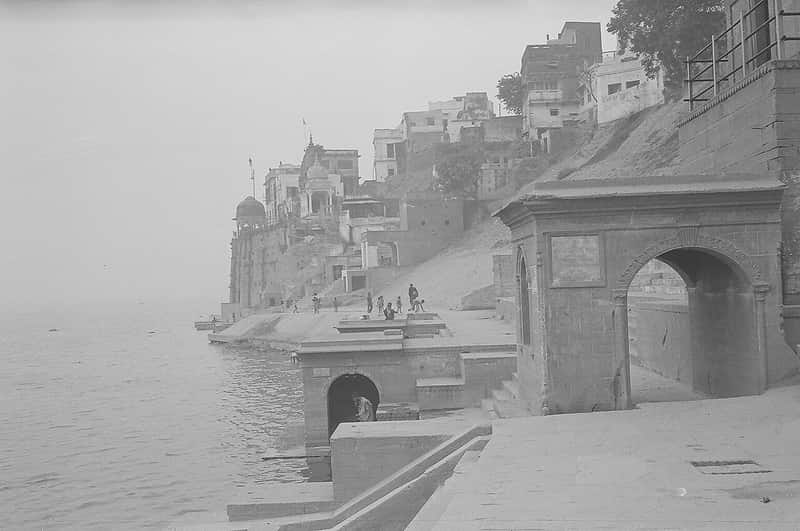
The word that comes most readily to mind at Lal Ghat is modest. The ghat makes no claims on the visitor's attention; it offers no spectacle, no ceremony, no architecture that demands a photograph. Instead it offers the quiet self-confidence of a place that has never needed to impress anyone. The steps are of plain stone, the buildings behind are plain too, and the people who use the ghat are going about their own business with a calm that is almost contagious. There is a peculiar peace in this lack of ambition, and visitors who arrive expecting the drama of the southern ghats often find themselves slowing down without quite knowing why, their shoulders dropping, their voices softening, their watches suddenly less important.
The friendliness of the ghat is equally unassuming. Boatmen here are more likely to nod than to call out; shopkeepers will chat about the weather before they quote a price; children will stare, giggle, and then ask where you are from. No one is trying to sell a story of authentic India, and no one is performing for a camera. The courtesy is instinctive rather than commercial, the product of a neighbourhood that has seen travellers come and go for centuries and has learned that kindness costs nothing and pays well. This is not the polished hospitality of a hotel; it is the warmth of a shared river, offered without ceremony and without expectation, and it leaves a deeper impression than any service could.
The atmosphere shifts gently with the hours. Dawn is solemn and workmanlike; midday is drowsy; the late afternoon brings fishermen and schoolchildren; the evening is quietly festive, with lamps and laughter carrying across the water. Through every change runs the same current of unselfconsciousness, a refusal to treat the river as a backdrop for anything but life itself. For travellers worn down by the noise of the city, Lal Ghat offers a rare commodity: a place where nothing is demanded of you, where you can sit on the stone, watch the water, and be simply, peacefully present. In a city of famous sights, that may be the truest sight of all.

Everyday Piety at Lal Ghat
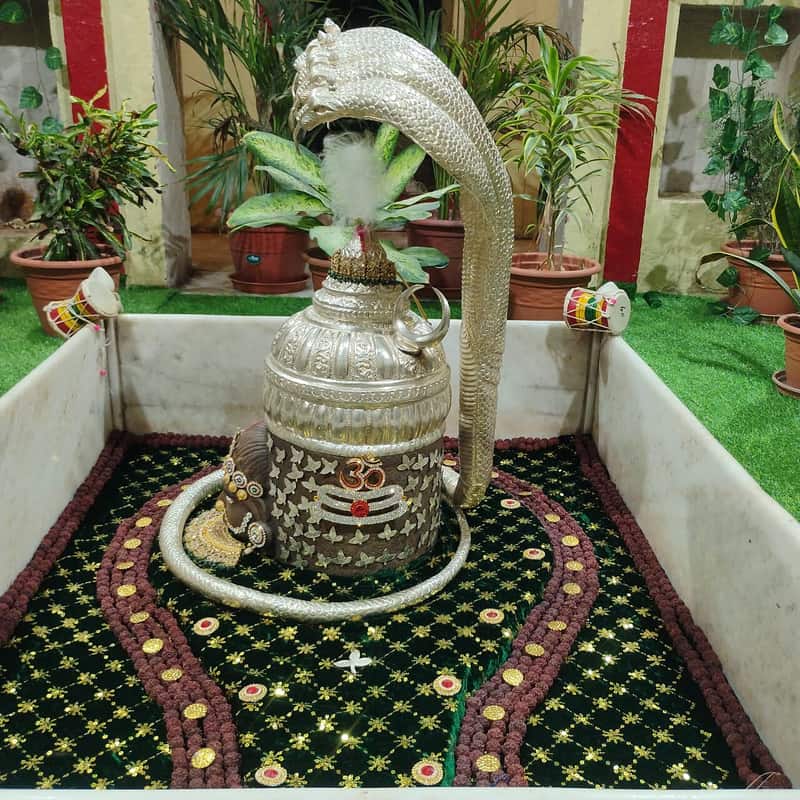
Devotion at Lal Ghat is not a festival phenomenon; it is a daily habit, worn as comfortably as old clothes. The small shrines that stand behind the ghat are visited before the day's work begins, a moment of folded hands and ringing bells that takes no longer than a cup of tea. Housewives bring offerings of marigold and sweets; boatmen touch the shrine on their way to the water; children stop to bow even when they are late for school. The piety here has no theatrical dimension, no loud bhajans and no frenzy, only the steady, unremarkable rhythm of people who have folded their faith into the ordinary schedule of their lives, so that worship and work are not two separate things but one continuous motion.
The river itself is the great object of this everyday worship. Each morning the bathers offer the sun a palmful of water, pour a little at the edge of the steps, and carry the sacred Ganga water home for the household shrine. On certain days the devotion takes more public forms: an Ekadashi fast, a Satyanarayan katha in a courtyard, a small procession that winds through the lanes to the water's edge. The scale is deliberately small, and that is the point. Here the divine is not summoned in grand assemblies; it is met in the everyday, in a lamp lit at dusk, a name whispered at the waterline, a garland left on a stone. Religion in this mohalla is woven into the fabric of the ordinary rather than laid over it.
Travellers sometimes ask whether such simple devotions still mean something in modern Varanasi, and the answer is written on every face that passes down these steps. The young engineer who dips before taking the boat to work, the grandmother who has bathed at the same spot for sixty years, the student who pauses to ring the shrine bell before his examination, they all share a quiet certainty that the sacred is not remote but nearby, not rare but habitual. To watch the people of Lal Ghat worship is to understand that religion here is less a matter of belief than of belonging, a thousand small acts that knit the neighbourhood to the river and the river to the divine, in a chain that has never once been broken.
Respectful Conduct on the Ghat
Lal Ghat is an easy place to behave well in, because its rules are few and its people are forgiving, but a few simple courtesies will smooth every encounter. Dress matters more than it does at a tourist monument: men should wear at least a shirt and a wrap or trousers, women should keep shoulders and knees covered, and anyone entering the water should bathe in clothing rather than swimwear. The ghat is a working and a worshiping place, and the old rule applies everywhere along the Ganga: treat the water as sacred, and never let anyone see you treating it casually. A clean mind and a quiet voice are as much a part of proper dress here as any garment.
Photography deserves particular thought. The bathers and boatmen of Lal Ghat are remarkably tolerant of cameras, but they appreciate being asked, and a smile and a folded-hand greeting will open more doors than a telephoto lens. Do not photograph anyone who seems uncomfortable, and never crowd a priest in the middle of a ritual. The same courtesy extends to offerings and to shrines: it is better to watch a puja from a respectful distance than to intrude upon it. The locals will often invite a curious visitor closer; the invitation, not the assumption, is the key. Remember also that the ghat is a home for many: respect the privacy of families bathing with small children, and do not linger where a family is in the middle of a personal rite.
A few small habits will make the visitor welcome. Remove your shoes before entering a shrine. Keep the steps clear for bathers coming up from the water. If you buy from a stall, bargain lightly and settle amiably; if you take a boat, agree on the fare before boarding. Finally, remember what the ghat is for: bathing, prayer, work and rest. The people of Lal Ghat will happily share their river with you, and they ask only that you share their respect for it. Do that, and you will be treated not as a tourist but as a guest, which in this neighbourhood is the highest compliment there is. Leave nothing behind but footprints, take nothing away but photographs and goodwill.
How to Reach Lal Ghat and When to Visit
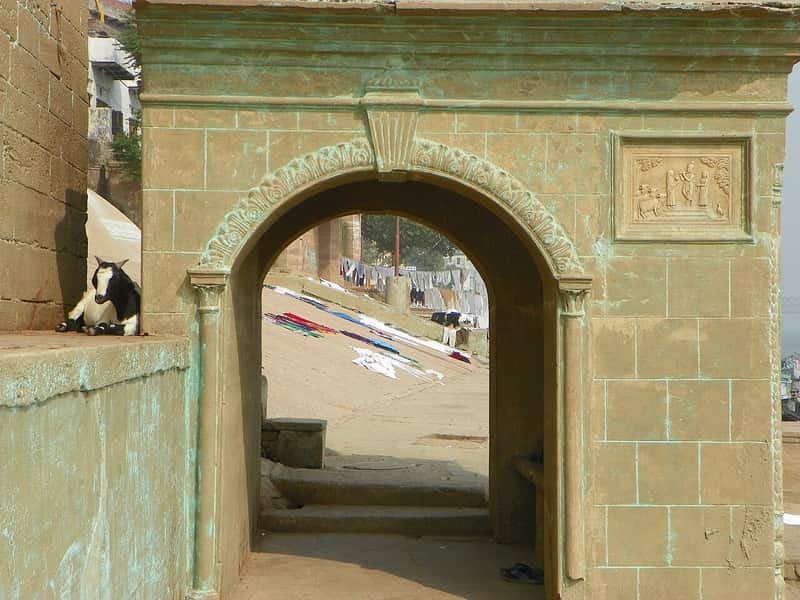
Lal Ghat lies on the northern stretch of the Varanasi riverfront, a little beyond the crowds of the central ghats, and reaching it is straightforward for a traveller who knows the city's two worlds. From the railway station or the old city, the most pleasant approach is by boat: a ride from Dashashwamedh Ghat upriver takes about half an hour and passes the whole gallery of famous ghats before landing at the quiet steps of Lal. By land, a rickshaw or an auto can reach the lane above the ghat from almost anywhere in the old city in twenty minutes, after which a short walk through the mohalla brings you down to the water. Ask for Lal Ghat or simply for Gai Ghat, since every boatman knows the chain by its better-known members.
The best time to visit is the first hour of daylight, when the bathers are at their work, the light is soft and golden, and the air is still cool. The late afternoon is almost as rewarding, when the fishermen come out and the western light sets the water glowing. The middle of the day is for patience, and the evening, particularly around the small shrines, has its own gentle magic. The ghat is at its most crowded on the auspicious days of the Hindu calendar, especially during the winter festival season; those who prefer solitude should choose an ordinary weekday, when the riverfront returns to its citizens. A winter morning is ideal; the monsoon, when the water climbs the steps, has a drama of its own.
Practical details are few. Drinking water, tea and small snacks are available from the stalls in the lanes above, and boatmen at the steps will arrange a trip downriver or across to the far bank. The nearest ghats of consequence are Gai Ghat to the south and Badri Narayan Ghat to the north, both a short walk away. For the faithful, the sequence can be combined into a single morning: a dip at Lal Ghat, a visit to the temple behind Badri Narayan, and a walk back along the shore. For everyone else, Lal Ghat is simply one of the best places in Varanasi to sit quietly, watch the water, and let the city's true rhythm find you.
Lal Ghat — Gallery (11 Photos)
Image Credits
lal-01.jpg · lal-02.jpg · lal-03.jpg · lal-04.jpg · lal-05.jpg · lal-06.jpg · lal-07.jpg · lal-08.jpg · lal-09.jpg · lal-10.jpg · lal-11.jpg — Wikimedia Commons, under free licenses.
Continue exploring
Similar Ghats Nearby
Book This Ghat — Get Notified
Download the app now and book a boat ride to Lal Ghat