
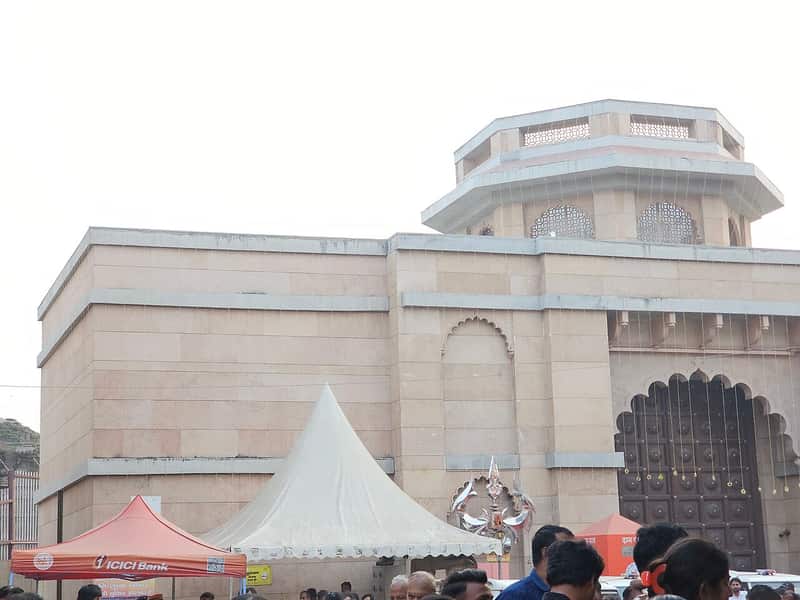
Kashi Vishwanath Temple is one of the twelve Jyotirlingas and the spiritual heart of Varanasi. Millions of devotees visit this sacred shrine every year to offer prayers to Lord Shiva, seeking moksha and liberation. The temple is not just a place of worship—it is the very soul of the city of Kashi.
Key Takeaways
- History and Legend
- Darshan Timings and Rituals
- Entry Passes and Fast-Track Darshan
- Inside the Temple Complex
History and Legend
The temple has a legendary history spanning over a thousand years. The original shrine is believed to have been destroyed and rebuilt multiple times. The current structure was built in 1780 by Maharani Ahilyabai Holkar of Indore, and the famous gold plating of the spire was donated by Maharaja Ranjit Singh in 1839.
Hindu mythology says that Lord Shiva himself resides here as Vishwanath, the Lord of the Universe. It is believed that dying in Kashi grants liberation from the cycle of birth and death, which is why this city holds such a special place in the hearts of devotees.
Darshan Timings and Rituals
The temple opens daily from 3:00 AM to 11:00 PM. The first darshan, known as Mangala Aarti, begins at 3:00 AM, followed by Bhog Aarti at 11:15 AM, Sandhya Aarti at 7:00 PM, and the grand Shringar Aarti at 9:00 PM. The special Sawan month, Mahashivratri, and Mondays attract the largest crowds.
Mangala Aarti
3:00 AM — serene early morning darshan
Bhog Aarti
11:15 AM — midday offering
Sandhya Aarti
7:00 PM — evening aarti with lamps
Shringar Aarti
9:00 PM — grand ceremonial aarti
Entry Passes and Fast-Track Darshan
General darshan is free but the queue can take 2-3 hours on peak days. A Sugam Darshan pass (₹300) and the premium Manokamna Express pass (₹2000) allow faster entry. Passes can be booked online through the official Shri Kashi Vishwanath Temple Trust website or at the counters near Gate 2.
Carry a valid photo ID, and note that phones and bags must be deposited in the free cloakroom before entering the temple complex.
Inside the Temple Complex
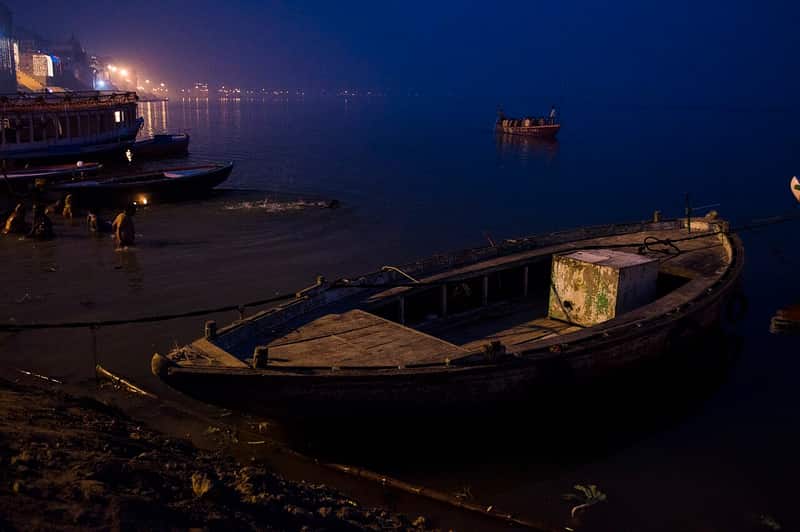
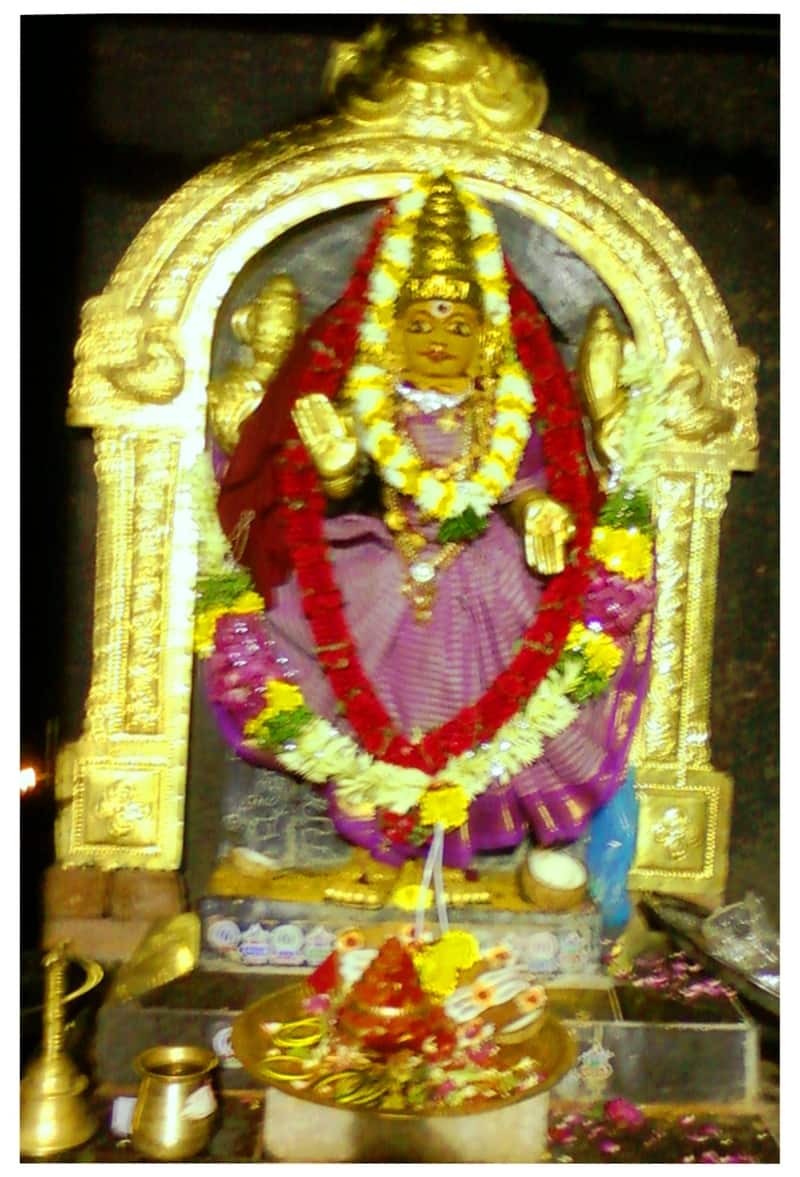
The temple complex houses the sanctum with the golden Jyotirlinga, along with shrines of Annapurna Devi, Vishwanath, and Vishalakshi. The Gyanvapi Mosque adjoins the complex, and the sacred Gyanvapi well is located nearby. In 2021, the Kashi Vishwanath Dham corridor was inaugurated, connecting the temple directly to the banks of the Ganga.
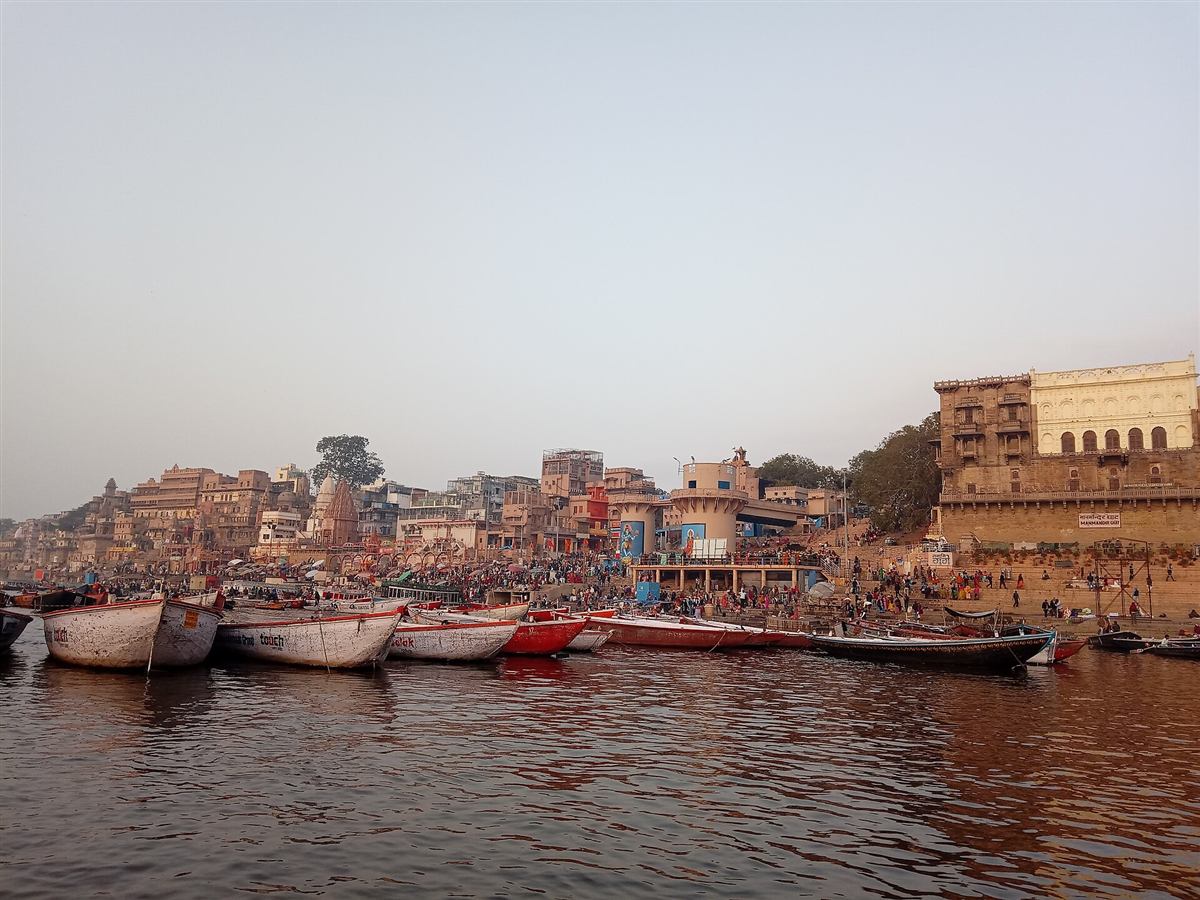
The corridor, also called Mandir Marg, is a beautiful paved walkway lined with 28 murals depicting the legends of Shiva and the city, leading directly to Lalita Ghat.
Temple Architecture & Design
The Kashi Vishwanath Temple showcases a blend of traditional Hindu temple architecture with significant Maratha and Sikh contributions. The most striking feature is the gold-plated spire (kalash) that rises majestically above the sanctum, donated by Maharaja Ranjit Singh in 1839. The spire is crafted from 1,025 kg of pure gold, covering the vimana and creating a breathtaking golden canopy that can be seen from various parts of the old city. The gold plating was applied in multiple layers using a traditional technique that has preserved its brilliance for nearly two centuries, making it one of the most recognizable religious landmarks in India.
Inside the temple, the corridors are lined with intricate stone carvings depicting scenes from the Shiva Purana and other sacred texts. The sanctum sanctorum houses the Jyotirlinga on a raised platform, surrounded by silver-plated doors and walls adorned with floral motifs. The new Kashi Vishwanath Dham corridor, inaugurated in December 2021, features a 200-meter-wide paved pathway with 28 beautifully painted murals telling the story of Kashi, connecting the temple directly to the Ganga at Lalita Ghat. The corridor also includes a museum, visitor facilitation center, and a food court with traditional Banarasi cuisine.
Gold Plating
1,025 kg of pure gold covers the spire and vimana
Dham Corridor
2021 corridor connecting the temple to the Ganga with 28 murals
Sanctum Doors
Silver-plated entrance with intricate floral carvings
Spiritual Practices & Rituals
The daily rituals at Kashi Vishwanath Temple follow an ancient schedule that has remained unchanged for centuries. The day begins with the Mangala Aarti at 3:00 AM, when the deity is awakened with the sound of conch shells and bells, and the sanctum is illuminated by oil lamps. Devotees who attend this early aarti describe it as a profoundly moving experience, with the cool pre-dawn air filled with the fragrance of sandalwood incense and the haunting sound of Vedic chanting echoing through the stone corridors.
Abhishekam, the ritual bathing of the Jyotirlinga, is performed three times daily using sacred water from the Ganga, milk, honey, curd, and ghee. Each abhishekam is accompanied by the chanting of specific mantras from the Rudrashtadhyayi. On Mondays, the temple witnesses special Rudrabhishek ceremonies that can last over two hours, with priests reciting the entire Sri Rudram eleven times. During Sawan month (July-August), Monday abhishekams attract thousands of devotees who bring their own offerings of Bel leaves, dhatura flowers, and gangajal.
The Shringar Aarti at 9:00 PM is the most elaborate ritual of the day, where the deity is adorned with fresh flowers, silk vastras, and precious ornaments. The aarti is performed with five lamps representing the five elements, accompanied by the rhythmic beating of drums and the melodious singing of bhajans. Devotees receive the prasad of sacred ash (vibhuti) and flowers after the aarti, which they consider extremely auspicious.
Mangala Aarti
3:00 AM — Pre-dawn awakening of the deity with conch and bells
Abhishekam
Performed 3 times daily with Ganga water, milk, honey and ghee
Shringar Aarti
9:00 PM — Grand evening aarti with five-element lamps
Photography Tips
Photography inside the main sanctum of Kashi Vishwanath Temple is strictly prohibited, but the exterior architecture and the Dham corridor offer excellent opportunities for capturing stunning images. The best time to photograph the golden spire is during the early morning hours (5:00-7:00 AM) when the first rays of sunlight illuminate the gold against a clear blue sky, creating a magical golden-hour effect. The newly constructed corridor with its painted murals and landscaped gardens provides multiple composition opportunities, especially the wide-angle shots of the corridor leading toward the temple.
For the best exterior shots of the temple, head to the rooftop restaurants along Vishwanath Gali, which offer elevated perspectives of the golden spire against the old city skyline. The evening aarti at 9:00 PM creates dramatic lighting with oil lamps and incense smoke, though you must capture these moments from outside the restricted zone. Carry a wide-angle lens for the corridor murals and a telephoto lens for capturing architectural details on the spire. Respect the signage and never attempt to photograph inside the sanctum even if other visitors are doing so.
Golden Hour
5:00-7:00 AM for the best spire photography with soft morning light
Rooftop Views
Vishwanath Gali rooftop restaurants offer elevated temple views
Equipment
Wide-angle for corridor, telephoto for spire details, no flash inside
Travel Tips
Visit early morning for a peaceful darshan, avoid Mondays and festival days if you want shorter queues, dress modestly, and keep your shoes with the attendants near the entrance. Combine your visit with the Ganga Aarti at Dashashwamedh Ghat in the evening for a complete spiritual experience.
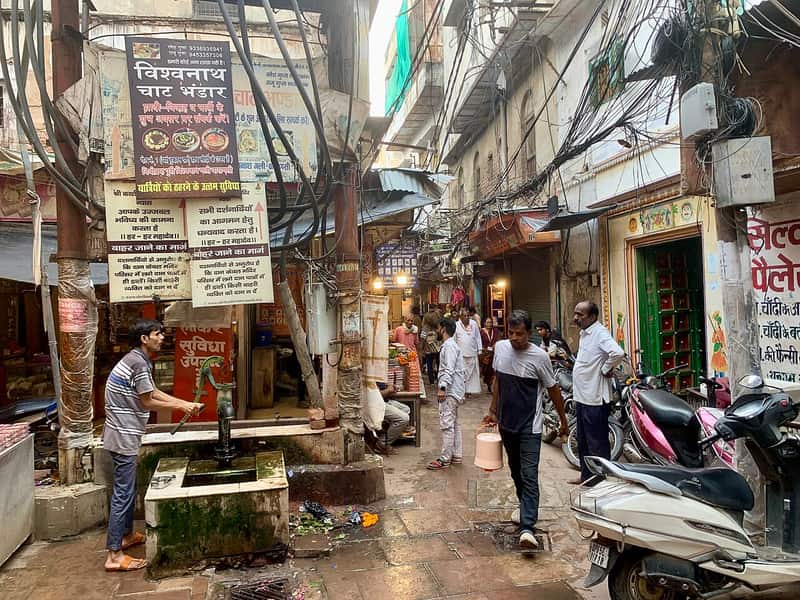
Temple Architecture in Pictures
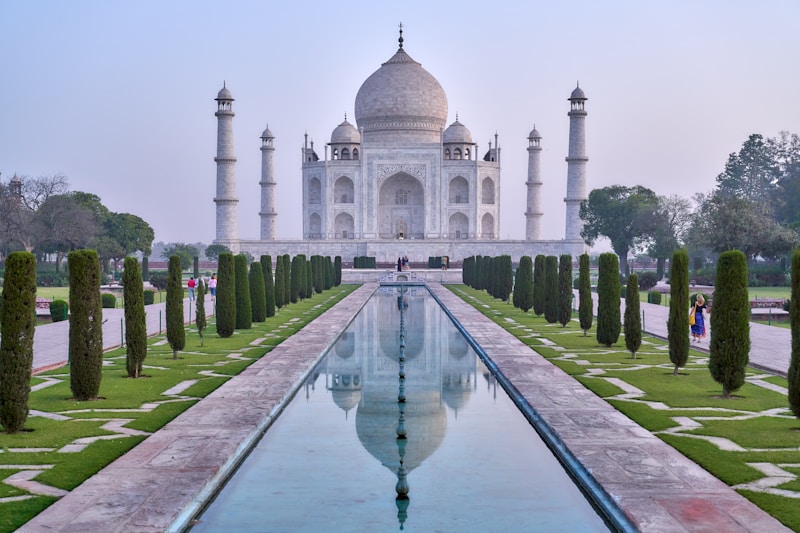
Quick Tips
Open daily 3:00 AM to 11:00 PM | General darshan free, Sugam pass ₹300 | Temple connected to Ganga via the new Dham Corridor
Frequently Asked Questions
Was this article helpful?
Your feedback helps us improve
Enjoyed this article?
Get the latest Varanasi travel tips delivered to your inbox.
Related Articles
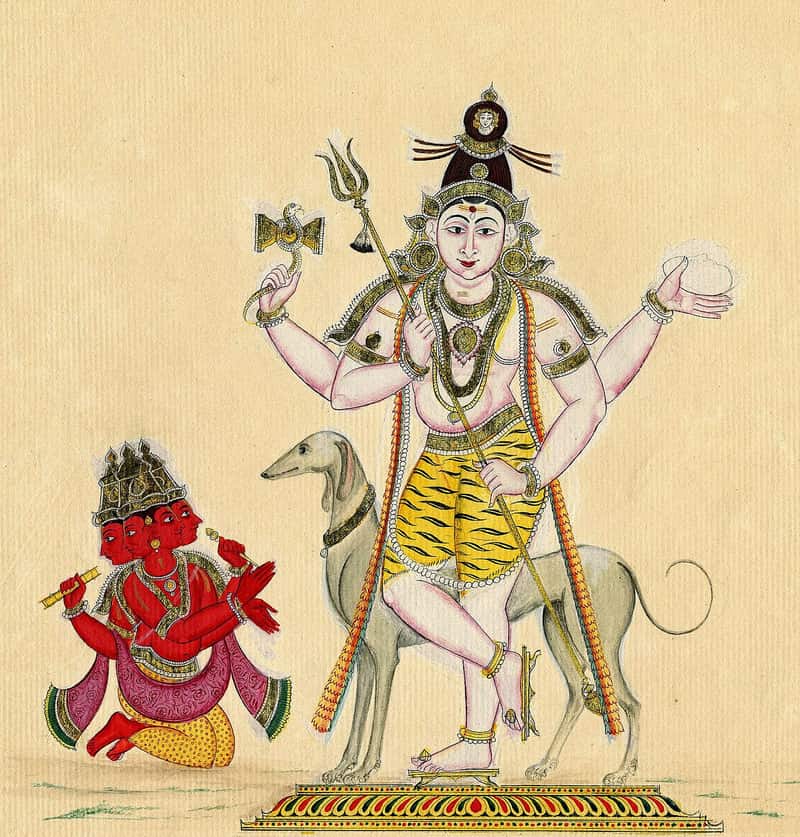 Temples
Kaal Bhairav Temple: The Fierce Guardian of Kashi
Legends, rituals, and travel tips for the temple where every Kashi yatra begins.
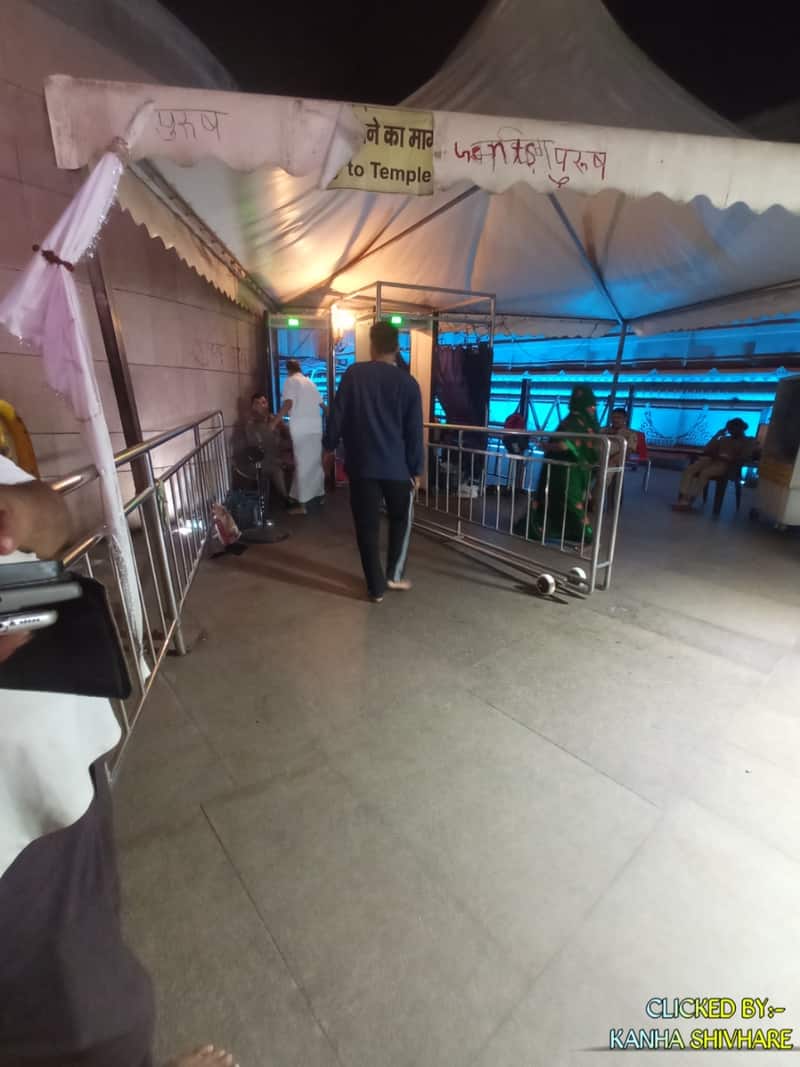 Temples
Annapurna Temple: The Goddess Who Feeds Kashi
From Shiva's begging bowl to the Annakoot festival of khichdi, a guide to Kashi's goddess of nourishment.
 Temples
Vishalakshi Temple: The Third Shakti Peeth of Kashi
The legends of Sati, the sacred kund, and the festivals of the goddess of the wide gaze.