
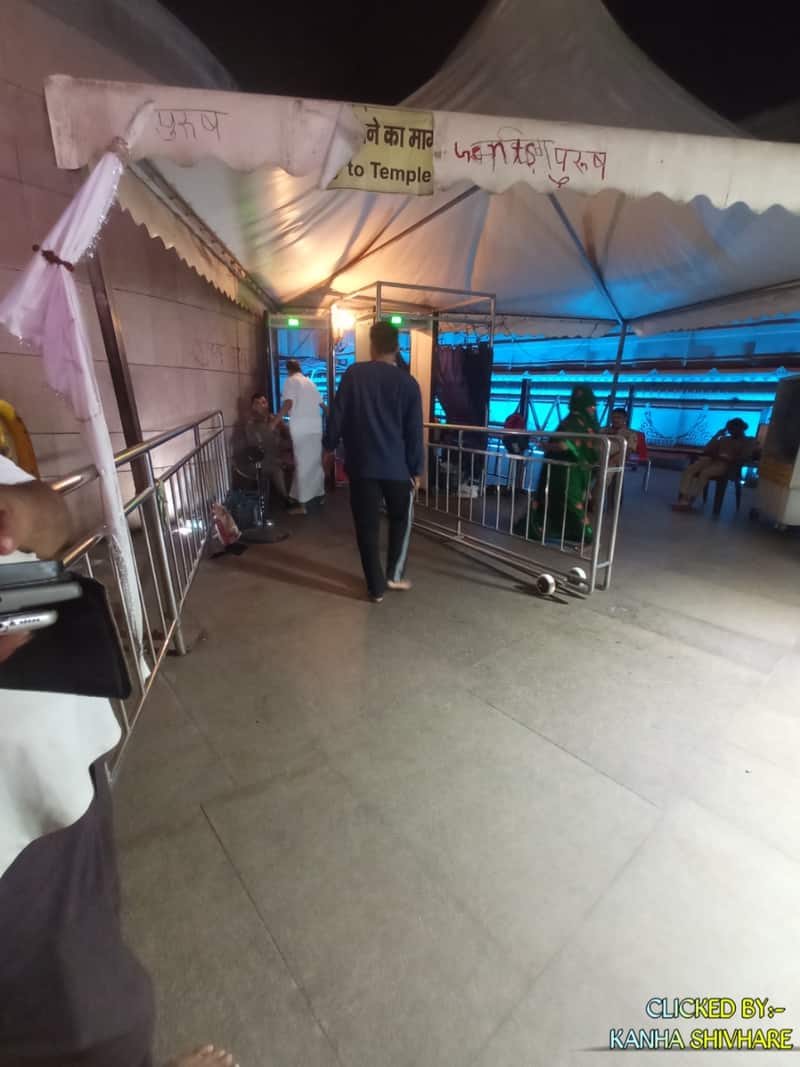
In the shadow of the golden spire of Kashi Vishwanath stands a goddess who holds a ladle in one hand and a bowl of rice in the other. Annapurna, the goddess of food, is worshipped here as the very source of nourishment, the divine mother who has promised that no one shall go hungry in Kashi. This guide explores the legends, the festivals, and the generous kitchens of one of Varanasi's most beloved temples.
Key Takeaways
- The Goddess of Food
- The Legend of the Alms Bowl
- The Temple Building
- Khichdi Prasad and Annakoot
The Goddess of Food
Annapurna, whose name literally means the one who is full of food, is the goddess of nourishment and abundance. She is Parvati herself, the consort of Shiva, in the form that sustains the world with grain, water, and fire. In Kashi, her worship carries an intimacy rarely found in grand temples — for the goddess here is not distant and abstract but a mother who personally oversees the kitchens of the city. Her temple, built beside the great Vishwanath shrine, reminds every visitor that before enlightenment, before liberation, the body must be fed. It is said that in the goddess's kitchen, the fire that cooks the world's food is the same fire that purifies the soul, and the steam that rises from her pots carries prayers to the heavens.
The image of Annapurna in the temple holds a golden ladle in one hand and a bowl brimming with rice in the other, while Shiva, as a humble beggar, stands before her with an alms bowl. This single image captures the theology of the goddess: creation itself is a kitchen, and the divine mother is its cook. Devotees who pray to Annapurna seek not only spiritual grace but the very practical blessings of food, employment, and family welfare. For thousands of pilgrims who arrive in Kashi hungry and tired, the goddess of food is the first and most reassuring presence they meet.
The devotion to Annapurna is visible in the eating habits of Varanasi itself. From the famed kachori-gobhi of the morning bazaars to the thandai and lassi of the afternoon, the city treats food as a sacred duty rather than mere sustenance. Visitors are pressed to eat, urged to taste, and warned never to leave a plate empty, for in Kashi hunger is considered an insult to the goddess. This culture of hospitality reaches its peak in the temple's own courtyard, where pilgrims from distant states share their simple meals with strangers, bound by the common faith that Annapurna will never let them lack for food. To eat in Kashi is to participate in the goddess's own miracle, and locals often say that even a single grain here is a blessing to carry home.
The Legend of the Alms Bowl
The most beloved legend of Annapurna takes place in Kashi itself, and it tells of a playful argument between Shiva and Parvati. One day, Parvati removed the linga from their home and told Shiva that the world, which he dismissed as an illusion, was in fact real and nourished by her. To prove the point, she declared that he must come to her, as a beggar comes to a donor, and receive food from her hands. The house disappeared, and Shiva, astonished, began to wander through Kashi seeking alms. He went from door to door, from ghat to ghat, but no hand filled his bowl, for the entire city knew that only one woman could feed the lord of the universe.
In the lanes of the city, Shiva finally encountered Annapurna — Parvati in her gracious form — who fed him with her own hands and returned the linga to him. Then she made a promise that defines Kashi to this day: as long as her temple stands in this city, no one who seeks food here shall ever go hungry. For the people of Varanasi, this is not myth but a living charter. When pilgrims see the image of Shiva with the begging bowl before Annapurna, they are reminded that even the lord of the universe comes to the goddess of food as a supplicant — and that hunger, the most universal of needs, is answered by the most universal of mothers.
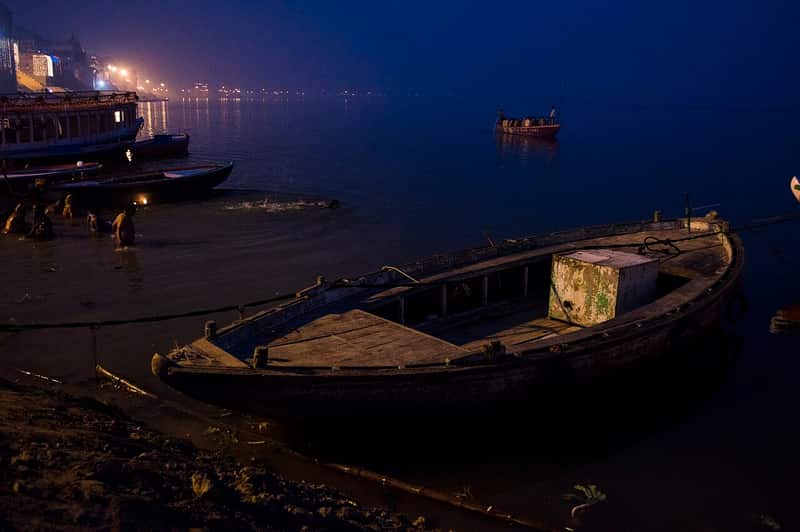
The Temple Building
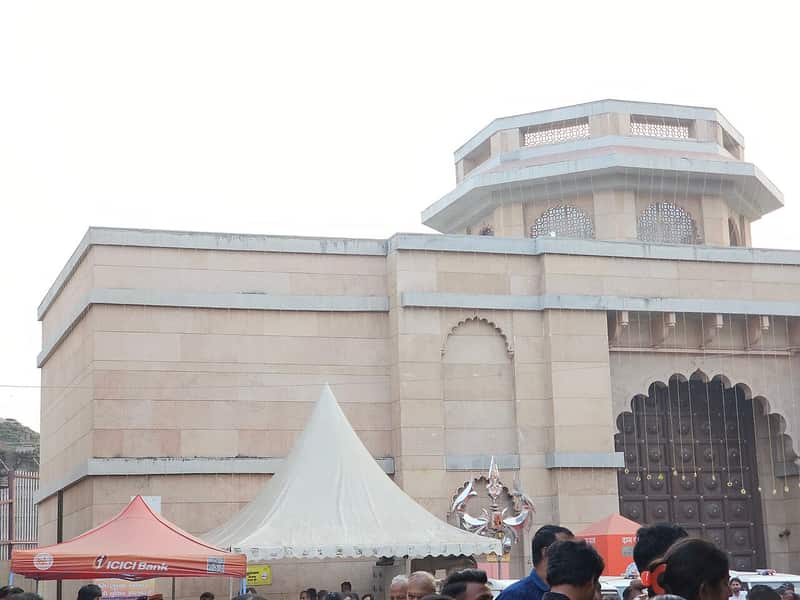
The present Annapurna temple is a relatively young building in a city of ancient shrines, and it owes its existence to the generosity of a remarkable woman. Rani Bhavani of Natore, a devout queen of the eighteenth century, built the temple in the style of the neighbouring Vishwanath complex, with a tower of carved stone that rises above the crowded rooftops of the old city. Her gift was not merely a building but an institution — a place where the worship of the goddess of food could be conducted daily with the resources the queen herself endowed. The queen's endowment also established the temple's kitchen, which has never stopped serving food since the day the first pot was set upon the fire.
Inside, the sanctum houses the golden image of Annapurna, radiant in the light of oil lamps and incense smoke. The goddess sits with her ladle and bowl, and beside her stands Shiva as the divine mendicant, his alms bowl extended. Priests serve the first portion of every offering to the image before it is distributed to devotees, a practice that mirrors the goddess's own promise. The temple has been renovated and adorned repeatedly over the centuries, but its purpose remains unchanged: to be the kitchen of Kashi, where the divine mother personally feeds her children.
Khichdi Prasad and Annakoot
Nowhere is the goddess's promise more visible than at Annakoot, the great festival of food celebrated in the temple shortly after Diwali. On this day, the temple courtyard becomes a mountain of grain — enormous quantities of khichdi, the humble lentil and rice dish of India, are cooked in vast vessels and offered to the goddess before being distributed to the waiting crowds. The prasad is not merely blessed; it is the very substance of the goddess's vow, proof that in Kashi the divine mother keeps her promise. Families begin arriving the night before, and by dawn the lanes around the temple smell of ghee, turmeric, and cumin, a fragrance that pilgrims remember for the rest of their lives.
For the people of Varanasi, Annakoot is a festival of solidarity with the hungry, a day when the distinctions of caste and class dissolve in the shared bowl of khichdi. Devotees bring their own vessels from home, and the temple's helpers ladle out the steaming prasad with the same gesture of abundance that the goddess herself makes in her image. The khichdi, simple and nourishing, is said to taste of the divine, and pilgrims carry it home to their families as a portable blessing. Through this festival, the ancient contract between Annapurna and Kashi is renewed every year, in steam, aroma, and shared bread.
The scale of the Annakoot preparations is hard to grasp until one sees the kitchen yards behind the temple. Dozens of enormous iron cauldrons are set upon wood fires, and teams of cooks stir the khichdi with long-handled paddles as the steam rises in clouds above the rooftops. On the morning of the festival, the goddess is offered the first portion with full Vedic ceremony, and only then does the distribution begin. For the pilgrims who line the lanes with their pots and plates, the wait is itself part of the worship — a quiet, patient vigil that ends in the shared joy of the divine meal. Children who have fasted since dawn receive the first ladlefuls, and the elderly are served seated, in a gesture of respect that mirrors the goddess's own care for the weak.
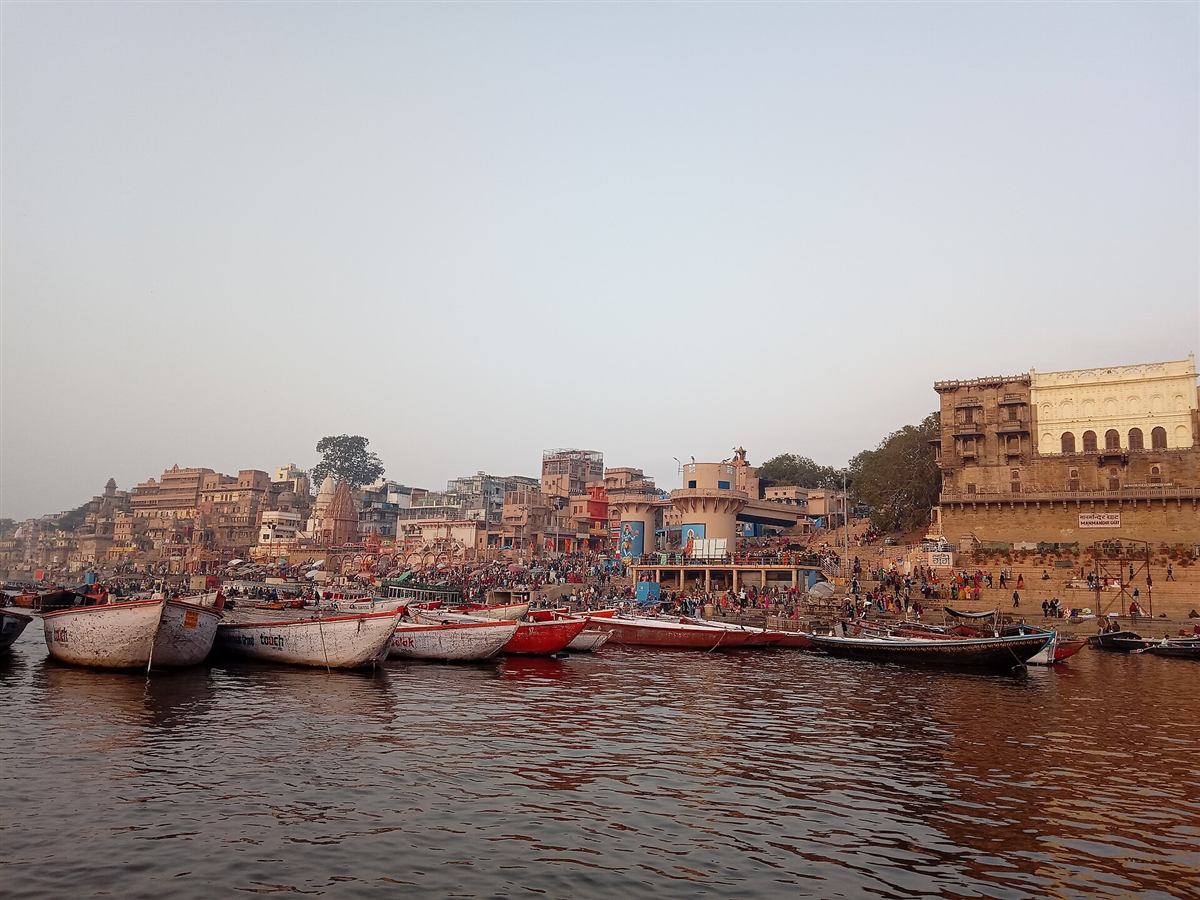
Annapurna Bhandar
The promise of Annapurna extends beyond festivals into the daily life of the temple, through the institution known as the Annapurna Bhandar. Throughout the year, this charitable kitchen prepares and distributes thousands of meals to the poor, the pilgrims, and the sadhus who live in and around the old city of Kashi. Every day, at a fixed hour, the Bhandar's gates open and the hungry of Varanasi gather to receive the goddess's gift — hot food served without question, without distinction, and without delay. Volunteers begin the cooking before dawn, and the scent of lentils and rice drifts through the lanes, drawing the city's hungry to the temple like a bell calling them to grace.
For many visitors, witnessing the Bhandar at work is the most moving experience of the Annapurna temple. Here, the theology of the goddess of food becomes visible: the ladle of Annapurna is in the hands of the volunteers, and the bowl is held out by every person who comes to the gate. The tradition is ancient, but it is sustained by modern generosity — donations from devotees, businesses, and the temple's own endowment. To feed someone in Kashi is to worship Annapurna; this is the quiet doctrine of the temple, and the Bhandar is its most eloquent expression.
Practical Guide
The Annapurna temple stands immediately beside Kashi Vishwanath in the dense heart of the old city, on a lane that is always crowded with pilgrims and vendors. The temple is open from early morning to late night, and the best hours for a peaceful darshan are before nine in the morning. Expect long queues during festivals, especially Annakoot, and carry your own vessel if you wish to bring prasad home.
Location
Beside Kashi Vishwanath temple, near Godowlia, in the main temple complex of the old city.
Timings
Open daily from around 5:00 AM to 10:00 PM; aarti at dawn and dusk.
Dress
Modest traditional clothing; the temple is inside the Vishwanath corridor with strict security.
Offering
Rice, grains, sweets, and donations to the Bhandar are the traditional gifts.
Photography
Cameras and phones are not allowed inside the inner sanctum.
Best time
Mornings before 9 AM are quiet; Annakoot after Diwali is the grand festival to witness.
Quick Tips
Go hungry and open-hearted — the Bhandar serves thousands of meals daily, and joining the Annakoot khichdi line is an unforgettable act of devotion.
Frequently Asked Questions
Was this article helpful?
Your feedback helps us improve
Enjoyed this article?
Get the latest Varanasi travel tips delivered to your inbox.
Related Articles
 Temples
 Kashi Vishwanath Temple: Complete Guide to Darshan, History & Timings
History, entry passes, darshan timings, rituals, nearby spots and travel tips
 Temples
 Kaal Bhairav Temple: The Fierce Guardian of Kashi
Legends, rituals, and travel tips for the temple where every Kashi yatra begins.
 Temples
 Vishalakshi Temple: The Third Shakti Peeth of Kashi
The legends of Sati, the sacred kund, and the festivals of the goddess of the wide gaze.