Thandai is not just a drink in Varanasi — it is a sacred tradition that connects every sip to the divine. This rich, creamy milk-based beverage is infused with a blend of almonds, fennel seeds, rose petals, cardamom, saffron, and poppy seeds, creating a flavor that is at once cooling, fragrant, and deeply satisfying. In Varanasi, thandai holds a special religious significance as it is one of the favorite offerings to Lord Shiva. During Mahashivratri, millions of devotees drink thandai as part of their spiritual celebration. But thandai is not restricted to festivals — in Varanasi, it is available year-round at dedicated shops that have been perfecting their recipes for generations. This guide explores every aspect of thandai, from its ancient origins to the best places to drink it, including the controversial bhang thandai tradition that makes Varanasi unique.
Key Takeaways
- The History and Mythology of Thandai
- Key Ingredients and Their Benefits
- Best Thandai Shops in Varanasi
- Bhang Thandai: The Controversial Tradition
The History and Mythology of Thandai
The origins of thandai are steeped in Hindu mythology. According to ancient texts, thandai was first prepared by the gods during the churning of the cosmic ocean (Samudra Manthan). The drink was created as an offering to Lord Shiva, who is believed to consume it on Mount Kailash. The word thandai comes from the Hindi word thanda meaning cold, reflecting its traditional role as a cooling summer drink. In Varanasi, the tradition of thandai dates back to at least the 12th century when temple priests began preparing it as prasad (sacred offering) during Mahashivratri celebrations.
The recipe has evolved over centuries but the core ingredients remain unchanged. The original thandai masala contains exactly 32 ingredients, though most modern preparations use 12-15 key components. The preparation is a ritual in itself — the nuts are soaked overnight, ground into a fine paste, mixed with chilled milk, and strained through muslin cloth. The entire process takes several hours, and the best thandai makers begin preparation at dawn.
Key Ingredients and Their Benefits
The essential ingredients of thandai are almonds (memory and brain health), fennel seeds (digestion and cooling), rose petals (skin health and fragrance), poppy seeds (sleep and relaxation), watermelon seeds (hydration), cardamom (metabolism and breath freshener), saffron (mood and complexion), black pepper (immunity), melon seeds (energy), and milk (calcium and protein). Each ingredient serves both a flavor purpose and a health purpose, making thandai not just delicious but genuinely beneficial. The combination of these ingredients creates a natural cooling effect that makes thandai the perfect summer drink.
The quality of thandai depends heavily on the quality of ingredients used. The best shops source their almonds from Kashmir, their saffron from Iran, and their rose petals from local gardens in Varanasi. The milk should be full-fat and chilled to the perfect temperature — not ice-cold, which dulls the flavors, but cool enough to be refreshing.
Best Thandai Shops in Varanasi
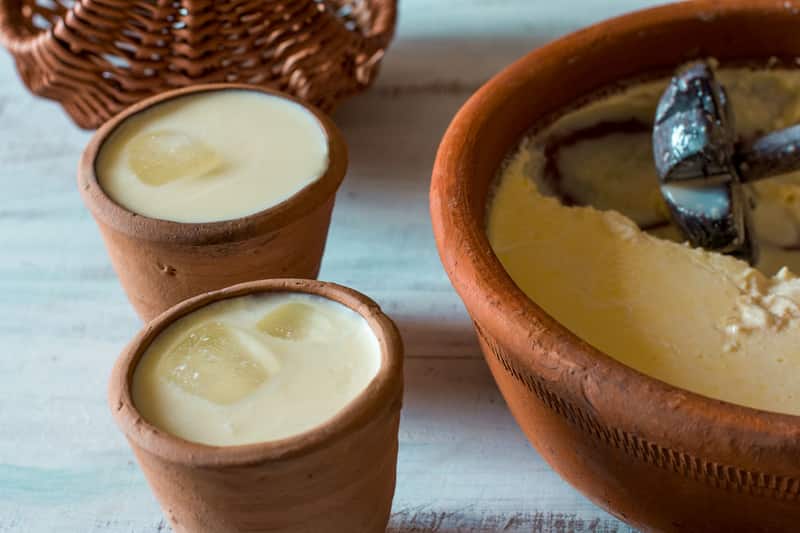
Thandai Wala near Dashashwamedh Ghat is the most famous thandai shop in Varanasi, operating for over 80 years. A glass costs ₹50-80. Their recipe includes 22 ingredients and the thandai is served in traditional kulhads (clay cups). Basavanand Thandai near Vishwanath Gali has been serving since 1945 and is known for its extra-saffron version at ₹60-100. Madhuram Thandai on Godowlia offers the most affordable thandai at ₹30-50. For a premium experience, visit Kashi Thandai House near Assi Ghat which offers flavored variations like kesar, badam, and rose at ₹80-120.
The best thandai is available between March and September when the heat makes it most appealing. During winter, shops add extra dry fruits and serve it warm. Most shops open at 8 AM and stay open until 10 PM. During Mahashivratri, all shops extend their hours and some stay open all night.
Bhang Thandai: The Controversial Tradition
Bhang thandai is a variant of traditional thandai that contains bhang (cannabis paste). In Varanasi, bhang thandai has deep religious significance — it is believed to be one of Lord Shiva's favorite consumables, and drinking it during Mahashivratri is considered auspicious. Government-licensed bhang shops operate in Varanasi, with the most famous ones located near Dashashwamedh Ghat. A glass of bhang thandai costs ₹50-100. However, tourists should exercise extreme caution — bhang is a potent substance and even a small amount can cause intense psychoactive effects lasting 4-6 hours.
If you choose to try bhang thandai, start with a very small sip and wait at least 30 minutes before having more. Do not combine it with alcohol or other substances. Stay in a safe, familiar environment and avoid operating vehicles or making important decisions while under its influence. First-time visitors should probably observe others trying it before deciding whether to participate. Many tourists prefer to stick with regular thandai, which is equally delicious without any psychoactive effects.
Quick Tips
Visit Thandai Wala near Dashashwamedh for the most authentic thandai (₹50-80). Try Basavanand for extra saffron. Bhang thandai is available at licensed shops but exercise extreme caution.
Frequently Asked Questions
Was this article helpful?
Your feedback helps us improve
Enjoyed this article?
Get the latest Varanasi travel tips delivered to your inbox.
Related Articles
 Food & Culture
 The Complete Banarasi Paan Guide: History, Shops, and How to Eat
From Keshav to Amrit: Every paan shop, every ingredient, every tradition
Food & Culture Malaiyo in Varanasi: The Magical Winter Foam That Disappears by Noon
When to find it, where to eat it, and why it is worth waking up at 5 AM
Food & Culture Varanasi Chai Culture: Masala Chai, Kulhad Chai, and Tea Stalls
Best tea stalls, masala chai recipes, kulhad chai experience, and hidden gems