
Banarasi paan is not just a digestive—it is the soul of Varanasi wrapped in a betel leaf. For centuries, the paanwalas of Kashi have practiced the art of folding areca nut, slaked lime, cardamom, clove, and dozens of secret ingredients into a neat parcel that explodes with flavor the moment you bite into it. This guide takes you through every famous paan shop, every ingredient, and every tradition that makes Banarasi paan the most iconic street food experience in India.
Key Takeaways
- History and Cultural Significance of Banarasi Paan
- Ingredients: What Goes Inside a Banarasi Paan
- Types of Paan: Meetha, Saada, and Special
- Famous Paan Shops: Where to Go
History and Cultural Significance of Banarasi Paan
The tradition of paan in Varanasi dates back over 2,000 years. Ancient texts mention the betel leaf as a symbol of hospitality and respect. In Banarasi culture, paan is offered at every celebration—weddings, festivals, religious ceremonies, and even business deals. The paanwala is considered a respected figure in the old city, and many paan shops have been operating from the same spot for five or six generations. The art of making paan is passed down from father to son, with each family guarding their secret masala blend closely.
During weddings, the groom's family visits the bride's home with a paan thali (a platter of decorated betel leaves). During Holi, special bhang paan is prepared with cannabis-infused thandai. During Mahashivratri, Lord Shiva is offered paan leaves along with bel leaves and bhang. The cultural significance of paan in Varanasi goes beyond mere consumption—it is an integral part of every ritual and celebration.
Ingredients: What Goes Inside a Banarasi Paan
A Banarasi paan starts with a fresh betel leaf (paan ka patta) sourced from farms in Jaunpur and Chandauli districts. Inside goes slaked lime (chuna) for calcium, areca nut (supari) for the chew, catechu (katha) for color and astringency, cardamom (elaichi) for fragrance, clove (laung) for a numbing sensation, and menthol (pudina) for freshness. Sweet varieties include gulkand (rose petal preserve), mishri (rock sugar), saffron, coconut shreds, and fennel seeds. Tobacco paan adds crushed tobacco leaves, while zarda paan uses sweetened tobacco. Modern additions include chocolate, dry fruits, and even gold leaf.

Types of Paan: Meetha, Saada, and Special
Meetha paan is the most popular—sweet, fragrant, and suitable for everyone. It contains gulkand, coconut, mishri, and fennel. Saada paan is the simple version with just lime, supari, katha, and clove—no sweeteners. Special paan is the premium offering with silver leaf (chandi ka warq), saffron, dry fruits, imported ingredients, and sometimes even chocolate or gold leaf. Prices range from ₹20 for a basic meetha paan to ₹200 for a special silver-leaf paan. Most visitors prefer meetha paan as a starting point before exploring the bolder varieties.
Famous Paan Shops: Where to Go
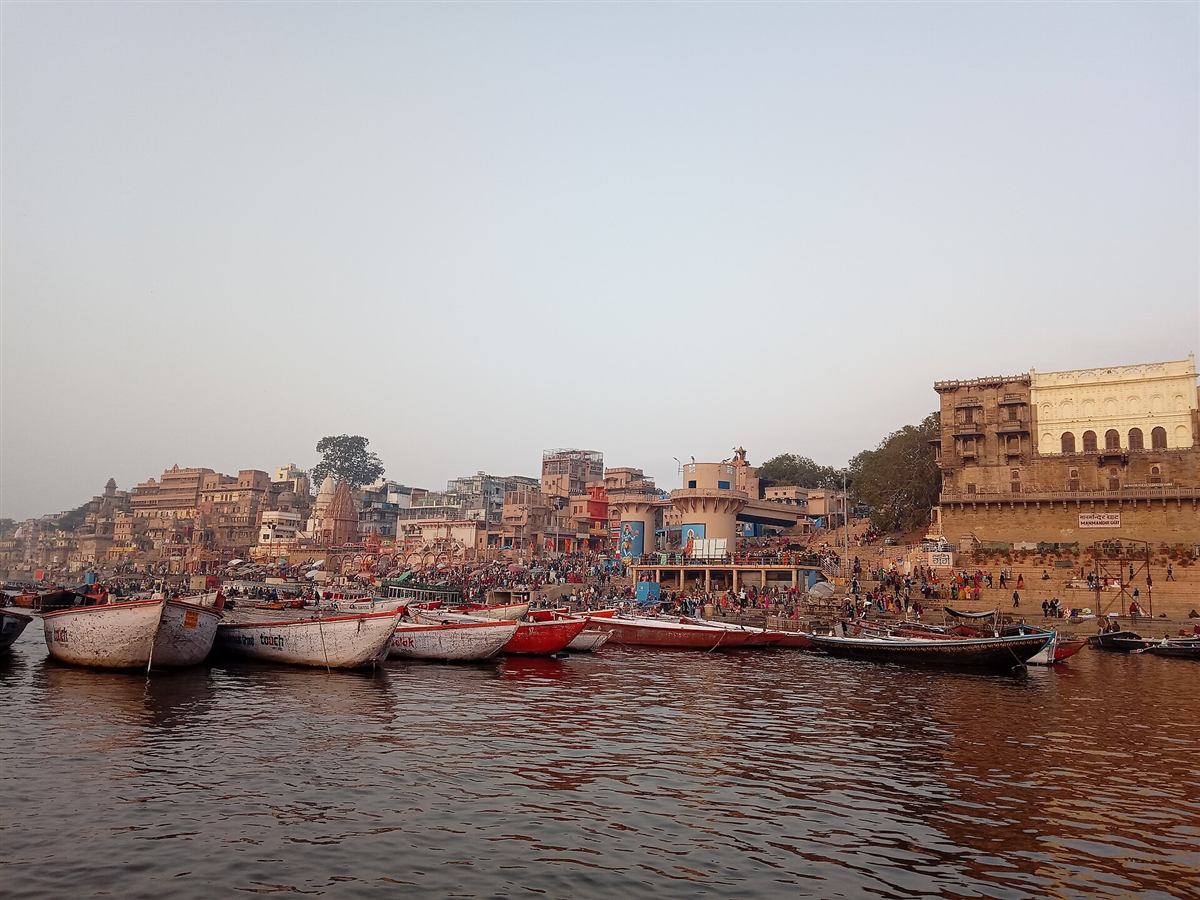
Keshav Paan Bhandar near Dashashwamedh Ghat is the most famous paan shop in Varanasi, operating for over 60 years. Their meetha paan costs ₹20-30 and the special paan with silver leaf costs up to ₹200. Deepak Paan Bhandar near Godowlia is known for their tobacco-free options and unique sweet paan varieties. Amrit Paan Bhandar near Vishwanath Ghi offers traditional recipes at ₹25-50 per paan. Most shops are open from 8 AM to 11 PM, with peak hours between 6 PM and 10 PM when the ghats come alive with tourists.
How to Eat Paan: The Proper Way
After the paanwala hands you the prepared paan, fold it into a neat triangle by pressing the sides together. Place the entire paan in your mouth—do not bite into it. Chew slowly and gently, allowing the flavors to release gradually. The initial burst is sweet from the gulkand, followed by the warmth of clove and the earthy notes of supari. After 5-7 minutes, you can either swallow the juices or, as many locals do, spit them out at designated spots. First-time visitors should start with meetha paan before trying the stronger varieties.
Practical Tips for Paan Lovers
Carry mints or mouth freshener after eating paan, as the flavor lingers for hours. Avoid paan on an empty stomach if you are not used to areca nut. Tobacco paan is strong—first-timers should skip it entirely. Most paan shops near the ghats are open until 11 PM, so plan your evening paan run accordingly. Do not eat more than 2-3 paans in a day, especially if you are trying them for the first time. The best approach is to share paans with friends and try different shops each evening.
Quick Tips
Start with Keshav Paan Bhandar near Dashashwamedh for meetha paan (₹20-30). Try Deepak Paan Bhandar near Godowlia for tobacco-free options. Go for a special silver-leaf paan (₹200) at least once. Visit between 6-10 PM when the ghats are lively.
Frequently Asked Questions
Was this article helpful?
Your feedback helps us improve
Enjoyed this article?
Get the latest Varanasi travel tips delivered to your inbox.
Related Articles
 Food & Culture
 Thandai in Varanasi: The Sacred Milk Drink of Lord Shiva
History, ingredients, best shops, prices, and the bhang thandai tradition
Food & Culture Malaiyo in Varanasi: The Magical Winter Foam That Disappears by Noon
When to find it, where to eat it, and why it is worth waking up at 5 AM
Food & Culture Varanasi Chai Culture: Masala Chai, Kulhad Chai, and Tea Stalls
Best tea stalls, masala chai recipes, kulhad chai experience, and hidden gems