
Malaiyo is one of the most unique food experiences in Varanasi — a delicate, saffron-flavored milk foam that appears only during the winter months from November to February. Created through an ancient process of whipping chilled overnight milk in the open winter air, malaiyo is light as a cloud, fragrant with saffron and cardamom, and so delicate that it begins to dissolve the moment it is served. This is not a dish you can find in restaurants or order at any time — malaiyo vendors set up before dawn near the ghats and by noon, when the winter sun grows warm, the entire stock has melted away. For food lovers, hunting for malaiyo at 5 AM in the cold Varanasi winter is a pilgrimage in itself.
Key Takeaways
- What is Malaiyo and How is it Made?
- Where to Find Malaiyo in Varanasi
- Tips for Chasing Malaiyo
What is Malaiyo and How is it Made?
Malaiyo is made from a process that has remained unchanged for centuries. Fresh milk is boiled and left to cool overnight in large open brass vessels (called taslas) placed on rooftops. During the cold winter nights, the temperature drops to 5-10 degrees Celsius, and the surface of the milk develops a thick layer of cream. Before dawn, the malaiyo maker uses a large wooden whisk to vigorously whip the cream layer, incorporating air into it until it becomes light, frothy, and foam-like. The foam is then flavored with saffron strands soaked in warm milk, ground cardamom, and sometimes pistachios. The entire process must be completed before sunrise because direct sunlight causes the foam to collapse.
The key to good malaiyo is the temperature — it must be cold enough for the cream to set but not so cold that it freezes. This is why malaiyo is only available in winter. The foam is extremely perishable and cannot be stored or transported — it must be eaten within minutes of preparation. This ephemeral nature is part of its charm and makes it one of the most sought-after seasonal delicacies in India.
Where to Find Malaiyo in Varanasi
The most famous malaiyo vendors operate near Dashashwamedh Ghat and Assi Ghat. Look for the vendors carrying large brass taslas on their heads between 5 AM and 9 AM. The vendor near Kashi Vishwanath Temple entrance is known for the creamiest malaiyo at ₹30-50 per bowl. The Assi Ghat malaiyo wallah has been selling for three generations and his version is slightly sweeter with extra saffron. Near Godowlia, you will find vendors near the tea stalls who serve malaiyo with hot puris.
The season typically runs from mid-November to late February. The peak availability is in December and January when temperatures are lowest. On foggy winter mornings, malaiyo is at its best — the cold mist helps create the perfect foam consistency. By early March, the season ends as temperatures rise above 20 degrees Celsius.
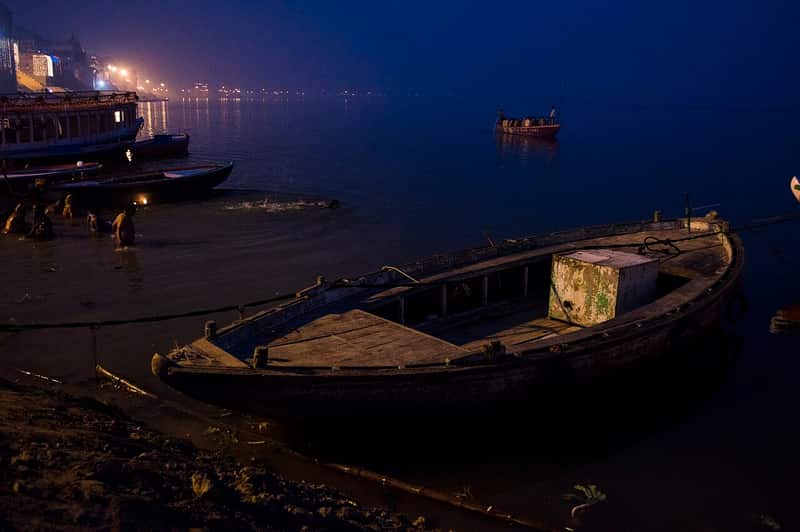
Tips for Chasing Malaiyo
Wake up early — malaiyo vendors are most active between 5 AM and 8 AM. Carry cash in small denominations (₹10, ₹20, ₹50) as vendors rarely have change. Wear warm clothes as you will be standing in the cold winter air. Go with an empty stomach because the portion is small but the experience is filling in a spiritual sense. Each vendor typically has enough for only 30-50 bowls, so when it is gone, it is gone. Do not ask vendors to save some for later — the foam cannot be stored.
The joy of malaiyo lies in the chase — waking up before dawn, walking through the misty lanes of Varanasi, finding the right vendor, and tasting that first spoonful of saffron-scented foam while watching the sun rise over the Ganga. It is an experience that no restaurant can replicate and no delivery app can offer. Many Varanasi locals consider their first malaiyo of the season to be an auspicious beginning to winter.
Quick Tips
Wake up at 5 AM and head to Dashashwamedh or Assi Ghat. Look for vendors with brass taslas. ₹30-50 per bowl. Only available Nov-Feb before 9 AM.
Frequently Asked Questions
Was this article helpful?
Your feedback helps us improve
Enjoyed this article?
Get the latest Varanasi travel tips delivered to your inbox.
Related Articles
 Food & Culture
 The Complete Banarasi Paan Guide: History, Shops, and How to Eat
From Keshav to Amrit: Every paan shop, every ingredient, every tradition
Food & Culture Thandai in Varanasi: The Sacred Milk Drink of Lord Shiva
History, ingredients, best shops, prices, and the bhang thandai tradition
Food & Culture Varanasi Chai Culture: Masala Chai, Kulhad Chai, and Tea Stalls
Best tea stalls, masala chai recipes, kulhad chai experience, and hidden gems