

Heritage & Art
Museums & Galleries in Varanasi
Ancient sculptures, royal artifacts, and contemporary art — the cultural repositories of Kashi preserved across centuries.
Overview of Museums in Varanasi
Varanasi, one of the oldest continuously inhabited cities in the world, is not only a spiritual hub but also a treasure trove of cultural and historical artifacts. The city's museums house collections that span over two millennia, offering visitors a window into the artistic, religious, and royal heritage of this ancient city. From the majestic Ramnagar Fort Museum perched on the banks of the Ganges to the serene Sarnath Archaeological Museum near the birthplace of Buddhism, each institution tells a unique story of the region's rich past.
The museums of Varanasi are managed by various organizations including the Archaeological Survey of India (ASI), Banaras Hindu University (BHU), and private trusts. Together, they preserve and display thousands of sculptures, manuscripts, paintings, textiles, and archaeological finds that chronicle the evolution of Indian civilization from the Mauryan period through the Mughal era to the present day. Whether you are a history enthusiast, an art lover, or a curious traveler, the museums of Varanasi offer something extraordinary at every turn.

Ramnagar Fort Museum

History & Architecture
Built in 1750 by Kashi Naresh Raja Balwant Singh, this magnificent Mughal-style fortress sits on the eastern bank of the Ganges opposite the main ghats. The fort has served as the ancestral home of the Benares royal family for over 270 years. Its sandstone walls, ornate balconies, and carved jharokha windows reflect a blend of Mughal and Rajput architectural traditions.
Collections & Key Exhibits
The museum houses vintage cars including a 1930s Rolls Royce, royal costumes adorned with zari work, ivory carvings, medieval weapons, Mughal miniature paintings, and an extraordinary collection of over 200 vintage clocks from around the world. The astronomical clock in the fort tower still functions accurately. The royal durbar hall showcases the opulence of the Benares court.
10 AM – 5 PM
Open Daily (No Weekly Holiday)
₹25 – ₹300
Indian / Foreign Entry Fee
5 km from Ghats
Boat or Auto-Rickshaw
How to Reach & Photography
Take a boat from Assi or Dashashwamedh Ghat (₹80–150 per person shared, ₹600–1,200 private, 20-minute scenic ride) for the best approach. Alternatively, auto-rickshaws take approximately 20 minutes from the city center. The fort is visible from the ghats and makes for excellent sunset photography. Photography inside the museum is allowed; camera charges of ₹25–50 may apply separately. The fort grounds offer stunning views of the Ganga and evening aarti from across the river.
Sarnath Archaeological Museum
About the Museum
Established in 1910 by the Archaeological Survey of India, this is one of the oldest and finest archaeological museums in India. Located near the ancient Buddhist site of Sarnath where Lord Buddha gave his first sermon, the museum houses over 6,000 sculptures and artifacts spanning from the 3rd century BCE to the 12th century CE. The building itself is a heritage structure with spacious galleries organized chronologically.
Key Exhibits
The crown jewel is the Lion Capital of Ashoka — India's national emblem. The Ashoka Pillar with its four lions standing back to back is one of the most recognizable symbols of Indian civilization. The museum also displays the famous standing Buddha image from Sarnath, exquisite Bodhisattva sculptures, rare Gandhara art pieces, ancient coins from the Mauryan and Kushan periods, and detailed terracotta figurines depicting daily life in ancient India.
Photography Rules
Photography is permitted inside with a separate camera ticket of ₹25. Video recording requires additional permission from the curator. Tripods are not permitted inside the galleries. Flash photography is strictly prohibited to preserve the ancient artifacts. The outdoor sculpture garden allows free photography.

9 AM – 5 PM
Closed on Fridays
₹20 – ₹300
Indian / Foreign Entry Fee
13 km from City
Bus / Auto / Taxi Available
Bharat Kala Bhawan (BHU Museum)

About the Museum
Located within the sprawling Banaras Hindu University campus, Bharat Kala Bhawan is one of India's premier art museums. Established in 1920 by Pandit Madan Mohan Malaviya, it houses over 100,000 artifacts including sculptures, paintings, manuscripts, and decorative arts. The museum is spread across multiple galleries and hosts visiting exhibitions throughout the year. The building itself is an example of colonial-era institutional architecture set amidst lush BHU gardens.
Key Collections
Hindu, Buddhist, and Jain sculptures from the 3rd century BCE onward. The Pahari and Rajasthani miniature painting collection is considered one of the finest in the country. Mughal and Bengal School paintings, rare manuscripts on palm leaf and birch bark, and the Saraswati Nandan Gallery featuring masterpieces of the Banaras School of Art. The Nidhi section houses valuable coins, seals, and inscriptions from across the Ganges valley.
10 AM – 4:30 PM
Closed on Sundays
Free Entry
Open to All Visitors
BHU Campus
Entry via Lanka Gate
Other Notable Museums & Galleries
Varanasi Glass Museum
A unique museum near Chauk showcasing the art of glass bangle making that Varanasi is famous for. Watch live demonstrations of glass artisans creating intricate bangles. Displays vintage glass artifacts, colorful bangles, and the traditional 'raakh ka khel' technique where molten glass is shaped into delicate patterns. A fascinating look at one of Banaras's most iconic crafts.
Varanasi Textile Museum
Dedicated to the legendary Banarasi silk sarees, this museum traces the evolution of Varanasi's textile art from the Mughal period to the present. Features handloom displays, traditional jacquard weaving techniques, and a collection of rare silk fabrics with intricate zari and brocade work. See how a single saree can take weeks or months to complete on traditional looms. Located near Bhelupur.
Kala Bhawan Gallery
The fine arts department of BHU showcases rotating exhibitions of painting, sculpture, and mixed media by students and faculty. Annual exhibitions during cultural festivals display contemporary works alongside traditional techniques. A window into the evolving art scene of Varanasi. Located within the BHU campus, it is free to visit and open to all art enthusiasts.
Ganesh Shankar Vidyarti Memorial
A memorial museum dedicated to the legendary freedom fighter and journalist who founded the weekly 'Pratap'. Houses rare photographs, personal belongings, handwritten letters, and documents from the Indian independence movement. The museum also hosts literary events, talks, and cultural programs throughout the year. An important stop for anyone interested in India's freedom struggle.
Museum Image Gallery


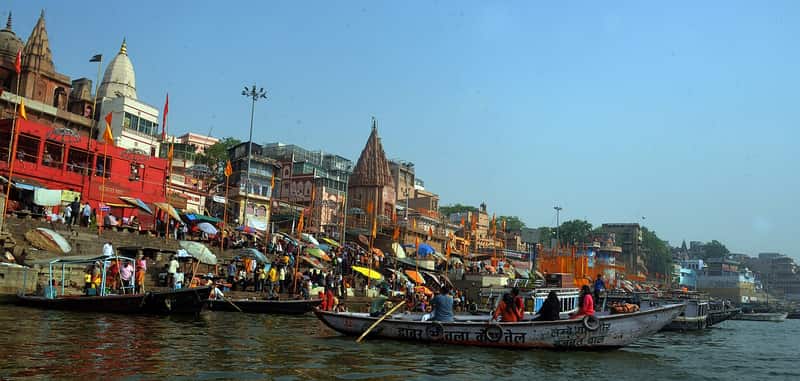


Optimal Museum Hopping Route
Follow this logical route to visit the maximum number of museums in a single day. Start early in the east and work your way west across the city to minimize travel time and maximize viewing hours.
9:00 AM — Sarnath Archaeological Museum
Start here before crowds arrive. The museum opens earliest at 9 AM. Spend 1.5–2 hours exploring the Buddhist galleries and the Lion Capital. The surrounding Dhamek Stupa and monastery ruins are free to walk around.
11:30 AM — Bharat Kala Bhawan (BHU)
Take an auto from Sarnath to BHU (20 min). Explore the sculpture galleries, Pahari painting collection, and the Saraswati Nandan Gallery. Allow 1–1.5 hours. Free entry makes this an unmissable stop.
1:00 PM — Lunch Break
Head to Lanka or Assi area for lunch. Try Blue Lassi Shop, Kashi Thali at Pehalwan, or the famous Kachori-Sabzi near Godowlia for an authentic Varanasi meal.
3:00 PM — Glass Museum & Textile Museum
Visit the Glass Museum near Chauk (live demonstrations) and the Textile Museum near Bhelupur (Banarasi silk heritage). Both are close to each other and take 45 minutes each.
5:00 PM — Ramnagar Fort Museum
Cross the Ganges by boat from Assi Ghat (20 min scenic ride). Explore the fort, vintage car collection, royal apartments, and the famous clock tower. Stay for sunset views over the Ganges — spectacular from the fort walls.
Essential Visitor Tips
Best Time to Visit Museums
October to March offers the most comfortable museum-going weather with pleasant temperatures. The monsoon season (July–September) can make travel to Sarnath difficult due to waterlogging on the access roads. Summer months (April–June) are extremely hot at 40°C+ but museums are air-conditioned and less crowded. Avoid visiting on Mondays — most museums are closed.
Photography Tips
Carry a wide-angle lens (24mm or wider) for sculpture galleries and architectural shots. Early morning visits offer the best natural light in outdoor exhibits at Sarnath. Always check for separate camera tickets at the entrance — carry small change. Avoid flash to preserve ancient artifacts. The outdoor sculpture garden at Sarnath is perfect for portrait-style shots with sculptures as backdrops.
Save Money on Tickets
Students with valid ID get free or discounted entry at most museums — always carry your student card and photocopies. The ASI annual monument pass (₹250) covers multiple ASI sites across India and can save significant money for museum enthusiasts. Senior citizens (60+) also receive discounts. Children under 15 are often free at ASI museums.
Combine with Sightseeing
Sarnath Museum pairs perfectly with a visit to the Dhamek Stupa, Chaukhandi Stupa, and the surrounding monastery ruins — allow a full morning. Ramnagar Fort works brilliantly with a sunset boat ride back to the ghats. BHU museum can be combined with a visit to the New Vishwanath Temple (tallest temple in India) just across the road. Plan your museum day around these natural pairings.
Frequently Asked Questions
What are the top museums in Varanasi?
Is Sarnath Museum worth visiting?
What are the museum timings in Varanasi?
What is the entry fee for Ramnagar Fort Museum?
Are there any art galleries in Varanasi?
Can I visit multiple museums in one day?
What is the best time to visit museums in Varanasi?


Download NaviX — Plan Museum Visits
Timings, tickets, and optimized routes to all museums and galleries in your pocket.
Download the App