
Where the Dharma Wheel First Turned
Sarnath Area Guide
The birthplace of Buddhism's teachings — ancient stupas, India's national emblem and monasteries from every Buddhist nation, just 10 km from Varanasi.
About the Area
The Cradle of Buddhism
Sarnath (ancient Mrgadava — Deer Park) is where Gautama Buddha, after enlightenment at Bodh Gaya, delivered his very first sermon — the Dhammachakkappavattana Sutta — to his five former companions in 528 BCE. That moment set the Wheel of Dharma in motion, and made Sarnath one of the four holiest Buddhist pilgrimage sites.
The township that grew around it became a thriving monastic university patronised by Ashoka and successive dynasties for over a millennium. After its destruction in the 12th century, the ruins lay buried until archaeologists rediscovered them in the 1790s and excavated them in the early 1900s.
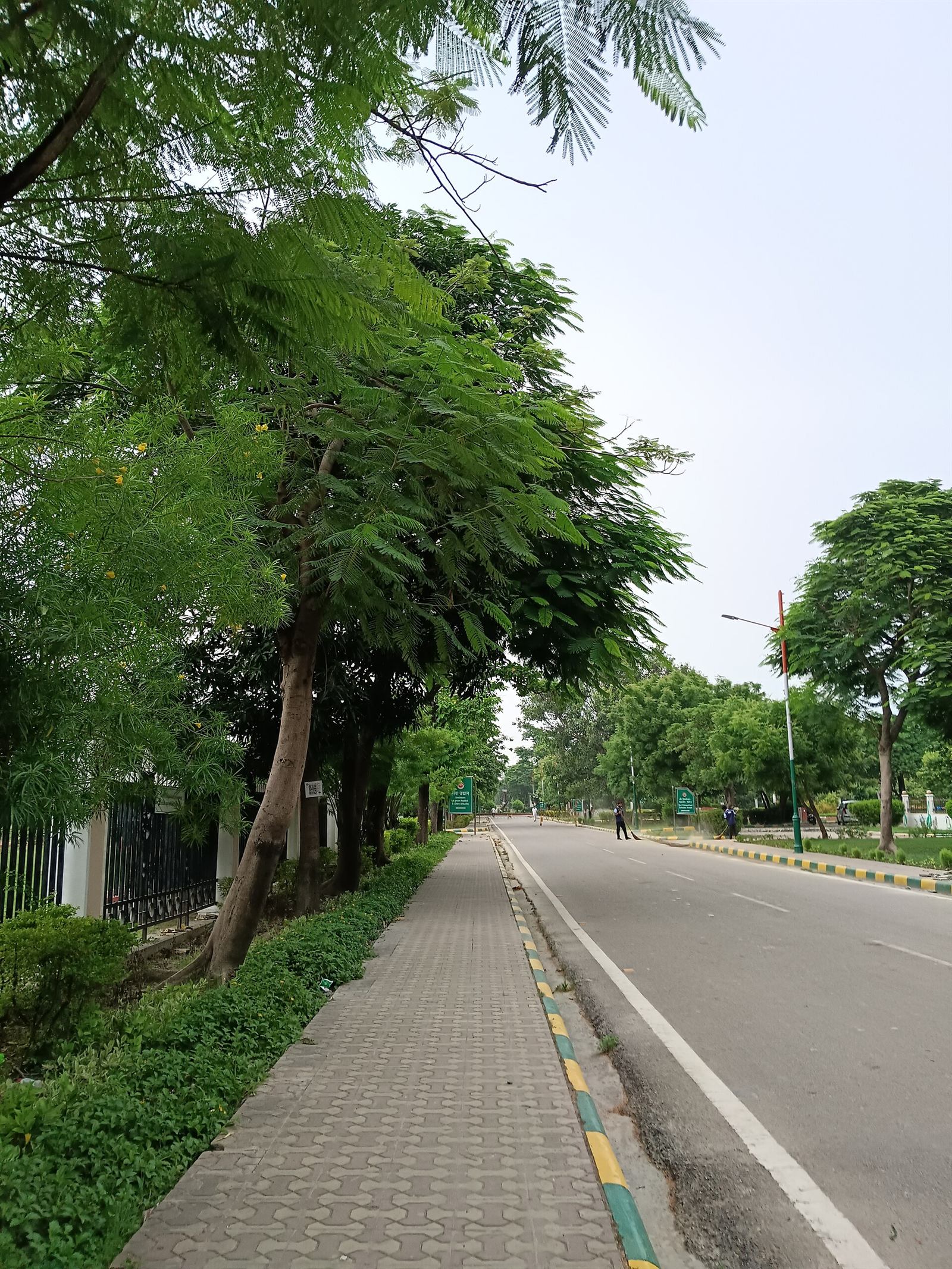
Today the Sarnath area is a living Buddhist centre — a serene, tree-lined town of ruins, museums, and monasteries built by Thailand, Japan, Myanmar, Tibet and other nations, where monks in saffron robes walk paths once trodden by the Buddha himself.
Gallery
Sarnath in Pictures
Must See
Landmarks of Sarnath
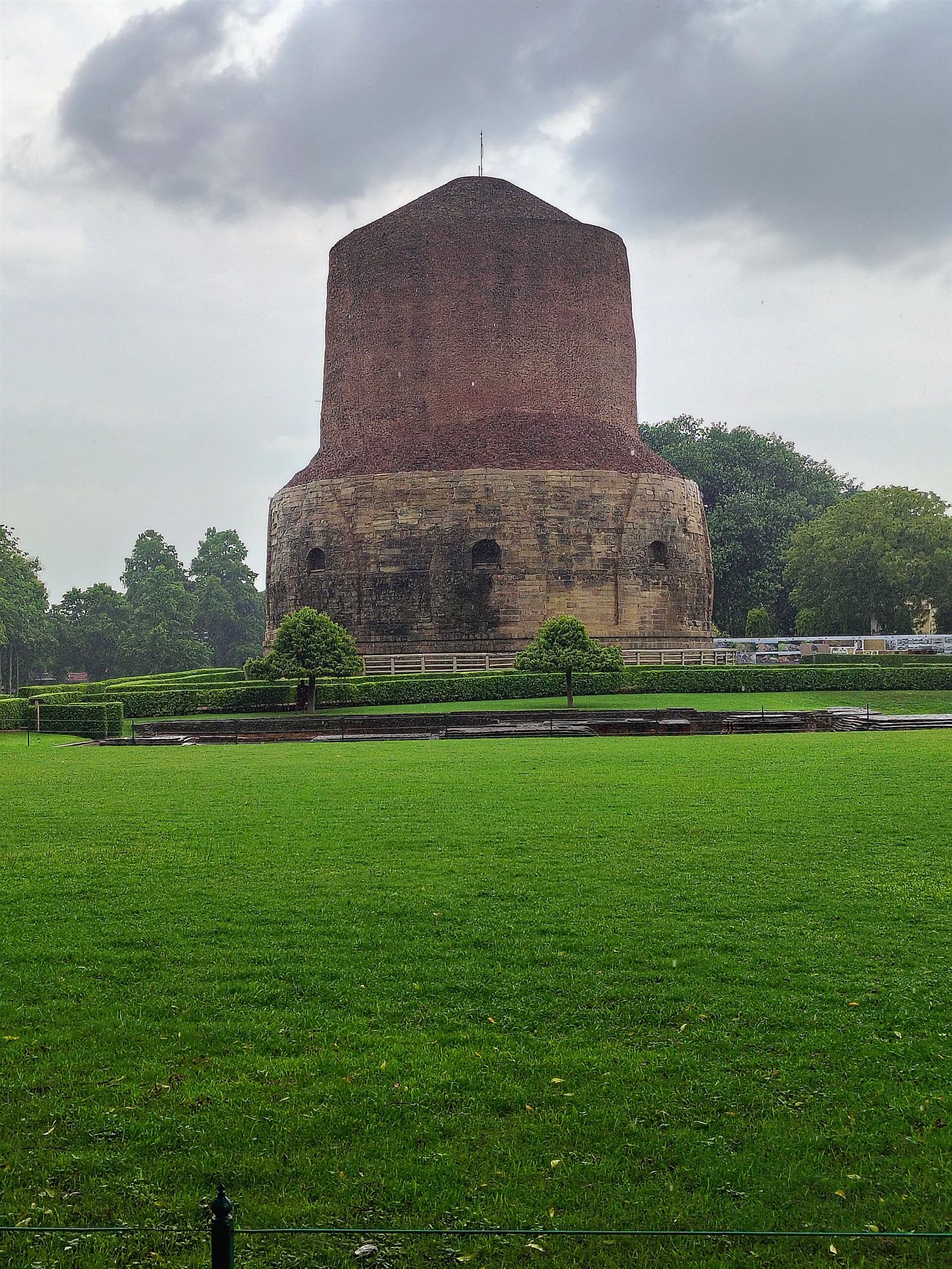
Dhamek Stupa
The colossal 43.6-metre stupa marking the exact spot of the first sermon. Built by Emperor Ashoka and enlarged over centuries, its carved stone rings are masterpieces of Gupta-era artistry.
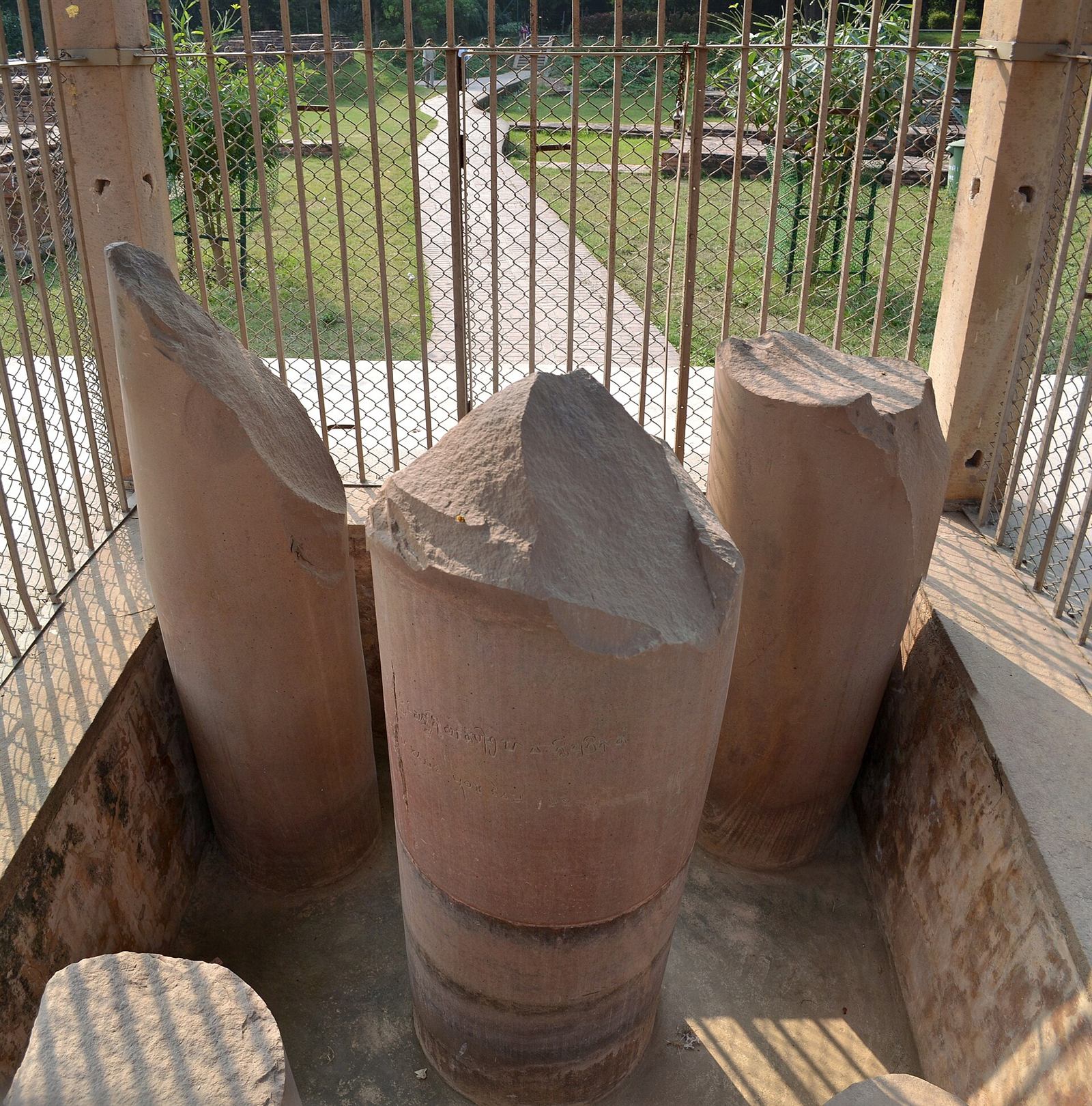
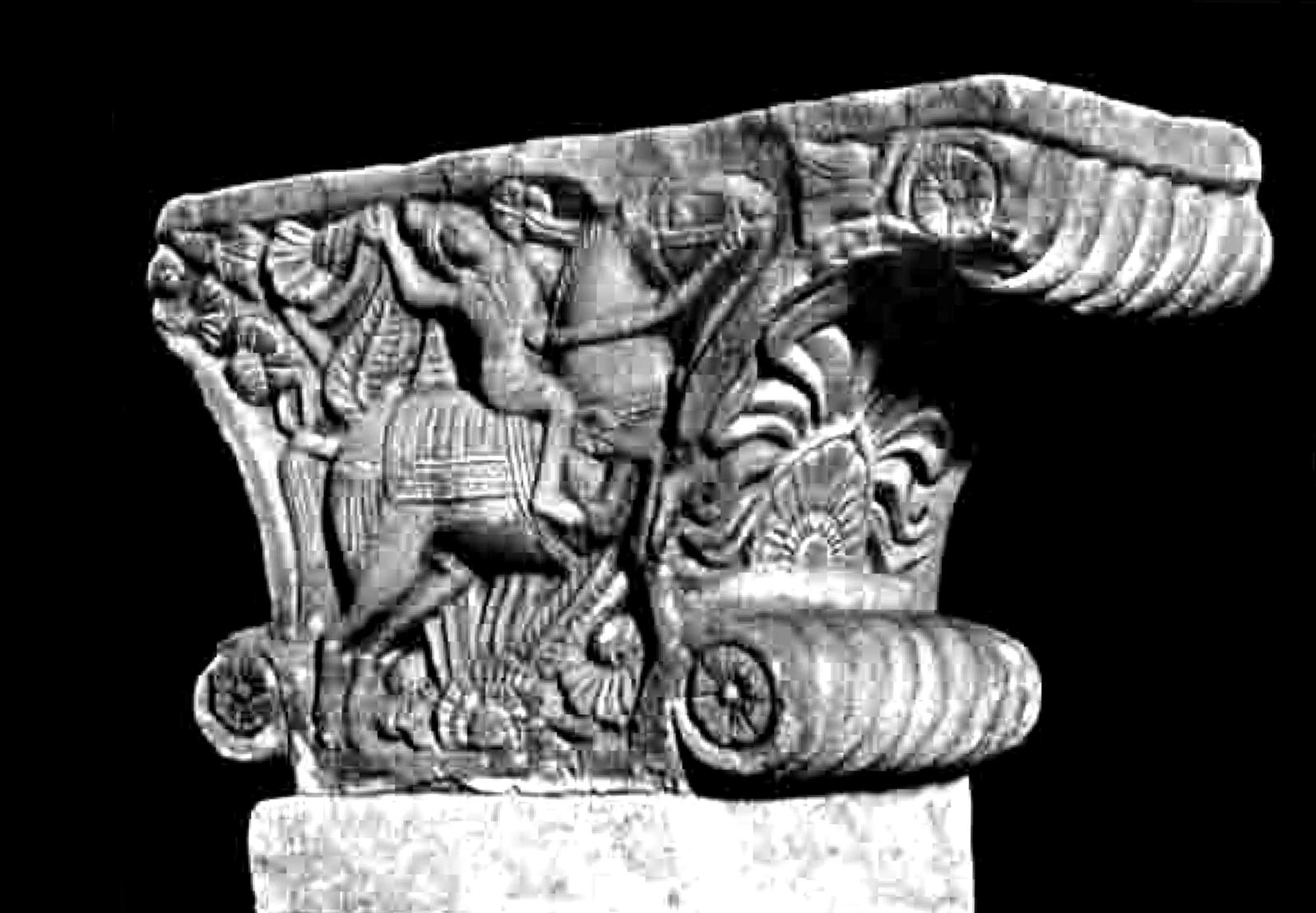
Ashoka Pillar & Capital
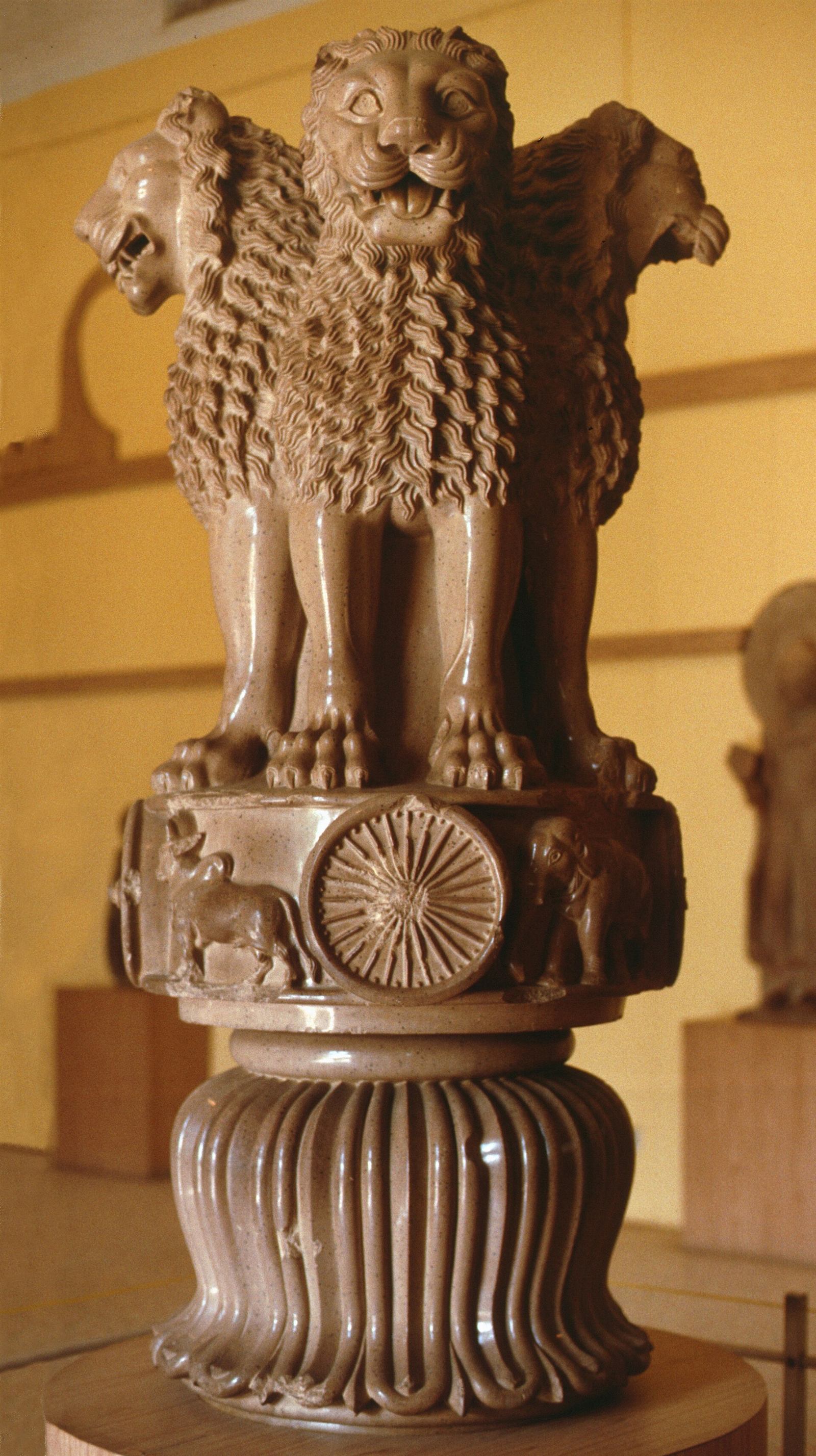
The broken 3rd-century BCE pillar once stood 15m high. Its four-lion capital — now in the museum — became the official State Emblem of India in 1950.
Archaeological Museum
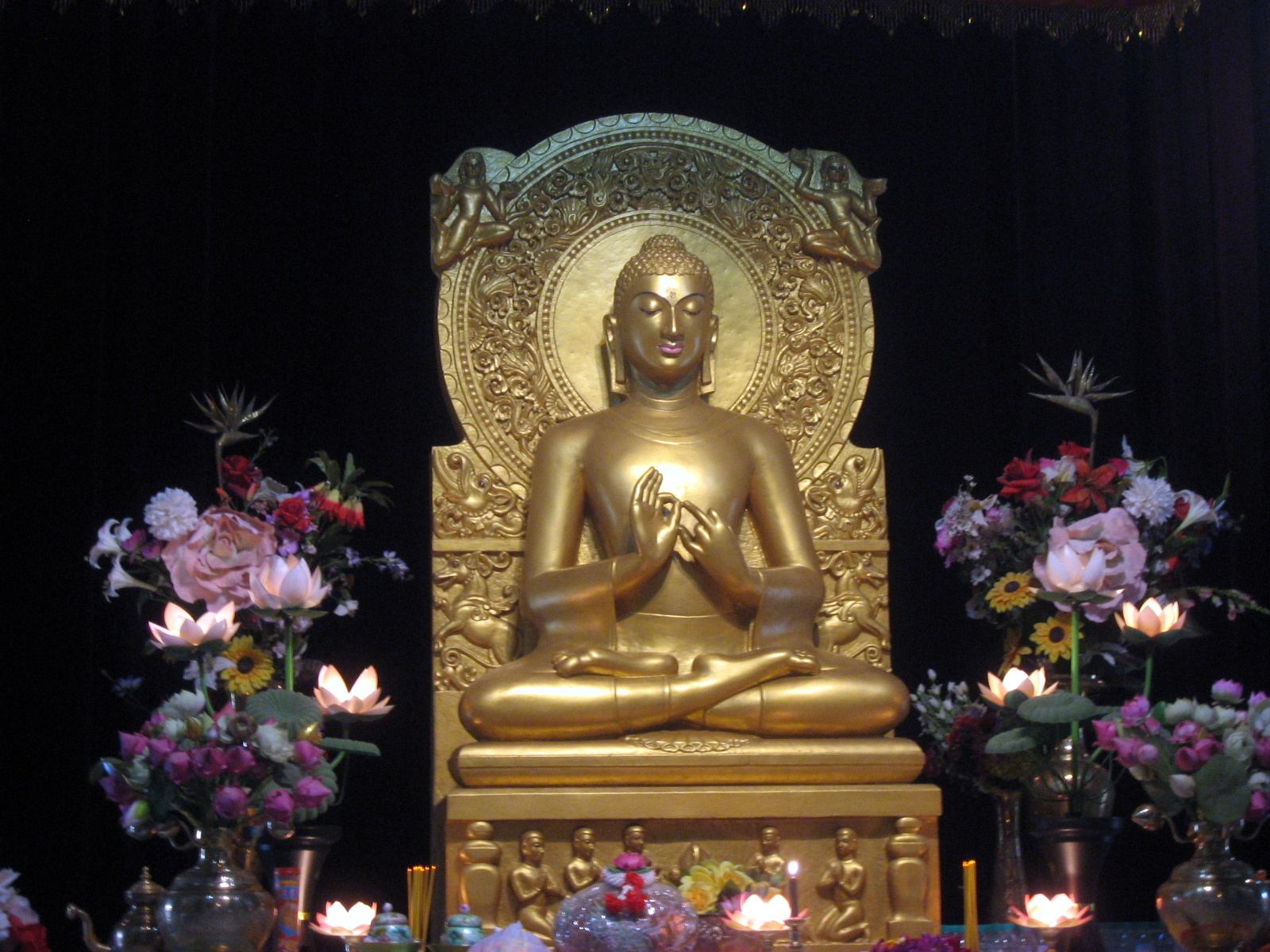
The oldest site museum in India (1910). Home to the original Lion Capital, the Bodhisattva statue and the famous seated Buddha — masterpieces spanning the Mauryan to medieval eras.
Chaukhandi Stupa
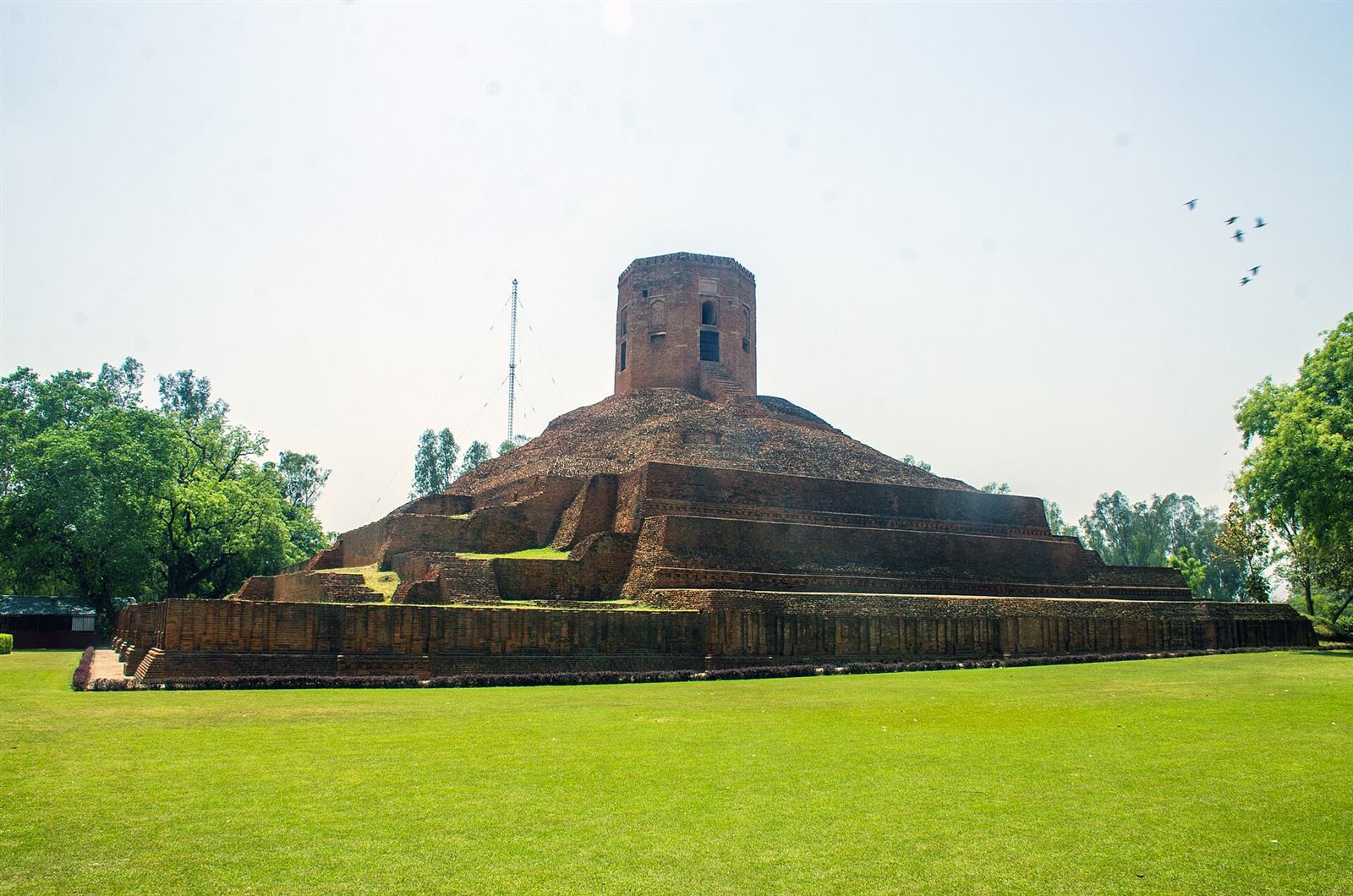
An octagonal 5th-century stupa on a high terrace, topped with a Mughal-era tower. Marks the spot where Buddha met his first five disciples on his way from Bodh Gaya.
Mulagandha Kuti Vihar
A 1931 temple with stunning frescoes by Kosetsu Nosu depicting Buddha's life, a golden statue of the Master, and a sapling of the original Bodhi Tree from Bodh Gaya.
Deer Park (Mrigadava)
The peaceful green expanse that gives the area its ancient name. Deer still roam here — the very setting of the Buddha's first discourse.
A World at One Place
International Temples
Wat Thai Sarnath
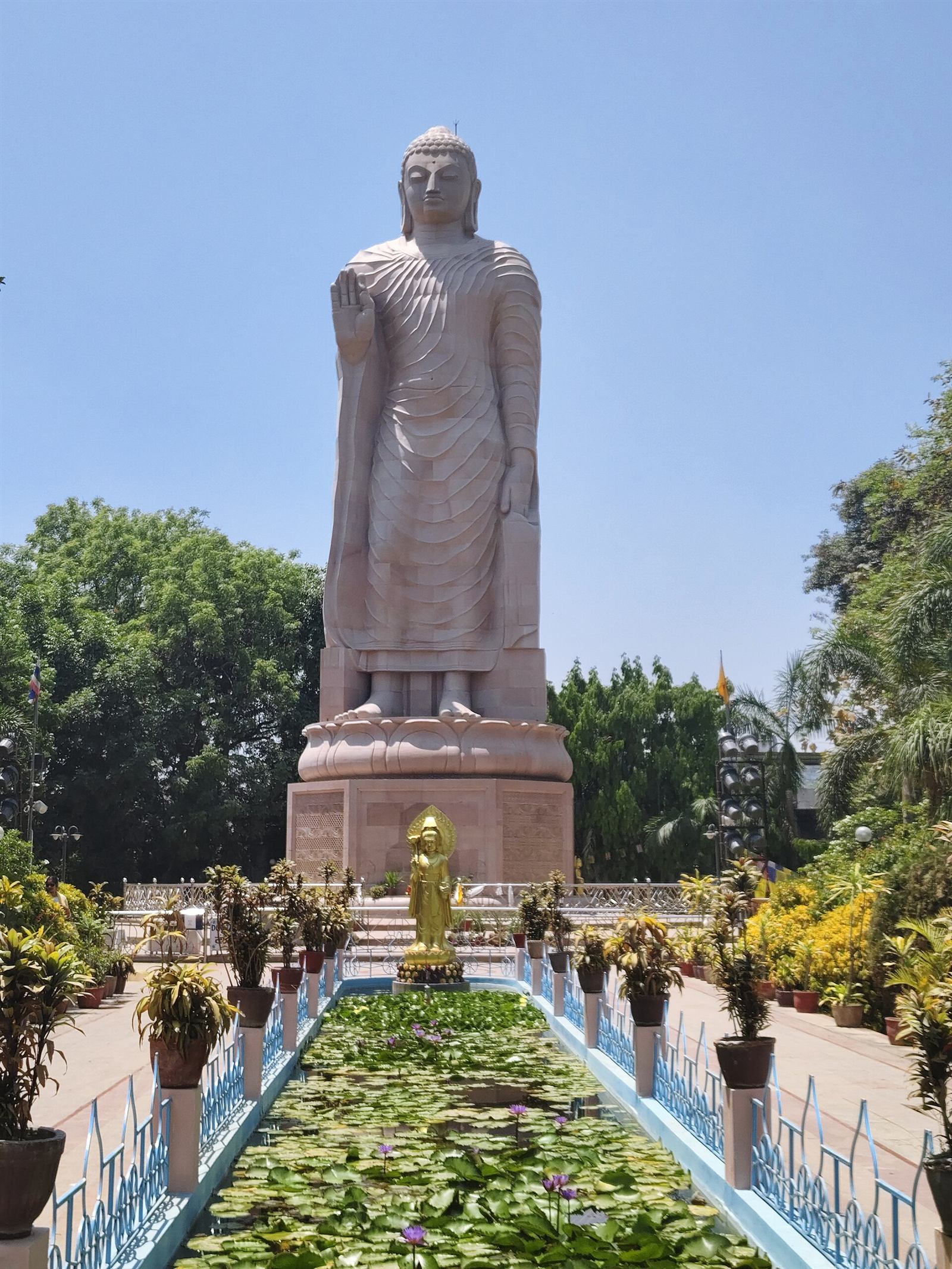
A beautiful Thai monastery with golden curved roofs and an active vihara, built in the traditional Thai style.
Japanese Temple
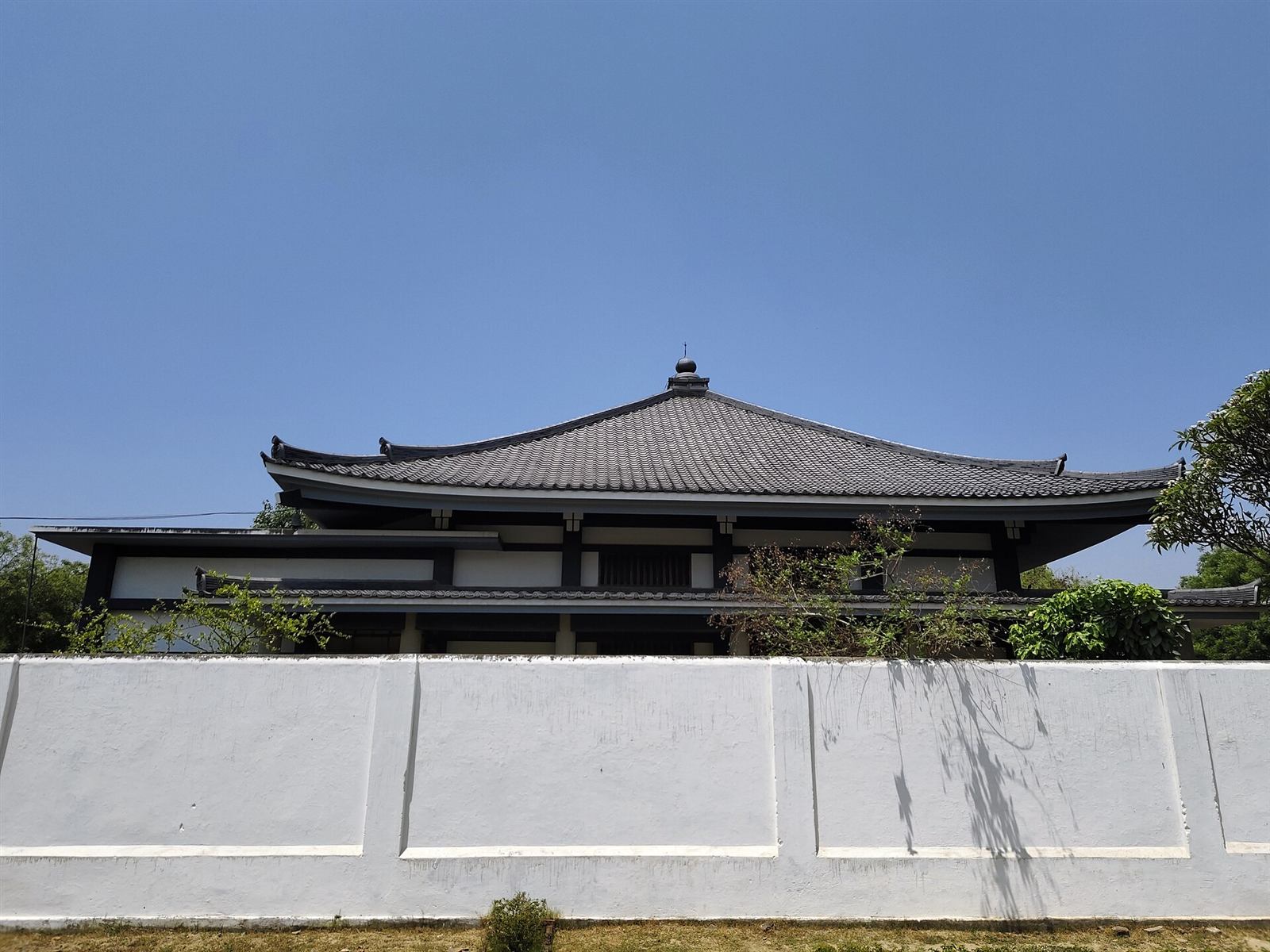
The Nipponzan Myohoji temple with its iconic white pagoda, one of the most photographed structures in Sarnath.
Sri Lankan Vihara
A simple, serene vihara built by the Sri Lankan Buddhist community.
Myanmar (Burmese) Temple
Traditional Burmese architecture with ornate gilded details.
Taiwanese Temple
A Chinese-style temple reflecting Taiwanese Buddhist traditions.
Korean Vihara
A modern Korean Buddhist centre with meditation facilities.
Chinese Temple
A Chinese Mahayana temple complex near the site.
Nepali Temple
A Himalayan-style shrine reflecting Nepali Buddhist heritage.
Getting There
How to Reach Sarnath
Auto-rickshaw
From Godowlia or Cantt: ₹150-250, 30-40 min. Agree on the fare before starting.
Most commonCity Bus
Varanasi Cantt and Godowlia to Sarnath. ₹10-15. The Sarnath junction stop is 5 min from the site.
CheapestTaxi / Cab
Uber/Ola from anywhere in the city. ₹300-500 one way. Round trips with waiting are easy to arrange.
ComfortableShared Rickshaw
Shared tempos from the Cantt railway station area — very cheap, a bit crowded.
BudgetHalf-Day Plan
Perfect Morning Itinerary
Start from Varanasi — auto or cab to Sarnath
Enter the archaeological site — explore Dhamek Stupa first
Ashoka Pillar and the ancient monastery ruins
Sarnath Archaeological Museum (opens 9 AM, closed Fridays)
Mulagandha Kuti Vihar — frescoes and golden Buddha
Walk through Deer Park, visit Japanese and Thai temples
Lunch at one of Sarnath's rooftop cafes
Return to Varanasi — catch the afternoon Aarti prep at Dashashwamedh
Tips for Visiting Sarnath
Start early — Sarnath is a 40-minute ride from the city centre
The site opens at sunrise (free entry till the ticket counter opens) — mornings are serene
Combine entry: site ticket ₹25, museum ₹25, camera charges extra
The museum is closed on Fridays — plan accordingly
Wear comfortable shoes — you will walk a lot among the ruins
Monks are meditating in the temples — keep your voice down
Hire a certified guide near the gate for ₹300-500 — history here is rich
Visit on Buddha Purnima (May) to see the area in full festival glory
Frequently Asked Questions
What is the Sarnath area?
What are the timings?
What is the entry fee?
How much time do I need?
Is there anything to eat in Sarnath?
Can I stay overnight in Sarnath?
Are there guides available?
What is the best time to visit?
Plan Your Sarnath Day Trip with NaviX
Book a cab, plan the route, explore all of Kashi — in one app.
Download the App