
Varanasi weaver community, numbering over 300,000 families, forms the backbone of India handloom industry. The Banarasi saree, with its intricate zari work and lustrous silk, has been a symbol of Indian bridal elegance for centuries. Behind every saree lies months of painstaking labor by artisans who inherited this craft from their forefathers.
Key Takeaways
- The Weaver Community
- The Weaving Process
- Visiting Weaver Clusters
- Challenges Facing Weavers
The Weaver Community
Most of Varanasi weavers belong to the Ansari community, descendants of craftsmen who migrated from Gujarat and Rajasthan in the 12th century. The craft is passed down patrilineally — sons learn from fathers and grandfathers, spending years mastering the complex jacquard patterns.
The weaving clusters are concentrated in areas like Chaukaghat, Bhelupur, and the old city narrow lanes. Walking through these neighborhoods, the rhythmic clatter of handlooms fills the air from dawn to dusk.
Population
Over 300,000 weaving families in the Varanasi region.
Key Areas
Chaukaghat, Bhelupur, Lohta, and the lanes around Vishwanath Temple.
The Weaving Process
A single Banarasi saree takes 15 to 45 days to complete, depending on the complexity of the design. The process involves multiple stages: design creation, thread preparation, dyeing, warping, and finally weaving on a pit loom.
The traditional pit loom requires the weaver to sit in a sunken pit with feet operating the pedals while hands work the shuttle and pattern. This physically demanding process is what makes handloom Banarasi sarees so special.
Time per Saree
Simple designs: 15-20 days. Complex zari work: 30-45 days. Bridal sarees: up to 60 days.
Price Range
From Rs 3,000 for basic silk to Rs 2,00,000+ for heavy zari bridal sarees.
Visiting Weaver Clusters
The best way to understand the weaving culture is to visit the actual workshops. Several tour operators offer guided walks through the weaving neighborhoods, where you can watch weavers at work and learn about their daily lives.
Many weavers are happy to demonstrate their technique and explain the symbolism behind different patterns. This is an intimate look at a craft that has survived despite modern industrialization.
Tour Options
Varanasi Weaver Walk: Rs 500-800 per person. Includes 2-3 hour guided tour.
Best Time to Visit
Morning hours (8-11 AM) when weavers are actively working and natural light fills the workshops.
Challenges Facing Weavers
The weaving community faces significant challenges from power loom imitations, rising raw material costs, and inconsistent demand. Many young weavers are leaving the profession for better-paying jobs in cities.
Government initiatives like the Geographical Indication (GI) tag for Banarasi sarees and the PM MITRA scheme aim to protect and promote handloom weaving, but grassroots support remains essential.
GI Tag
Banarasi sarees received GI status in 2009, protecting them from imitation.
Supporting Weavers
Buy directly from weaver cooperatives or visit their workshops. Avoid middlemen for fair pricing.
Quick Tips
Visit weaving clusters in Chaukaghat and Bhelupur. Weaver Walk tours cost Rs 500-800. A handloom saree takes 15-60 days to make. Prices range Rs 3,000-Rs 2,00,000. Buy directly from weavers to support the community.
Frequently Asked Questions
Was this article helpful?
Your feedback helps us improve
Enjoyed this article?
Get the latest Varanasi travel tips delivered to your inbox.
Related Articles
 Culture
 Classical Music in Varanasi: The City That Sings
Varanasi is the birthplace of the Benares Gharana and home to countless musicians. Explore the city deep connection with Hindustani classical music.
Culture The Benares School of Art: Painting Divine Beauty
Explore the rich tradition of the Benares School of Painting — a style that blends Mughal miniatures with Hindu iconography to create luminous works of art.
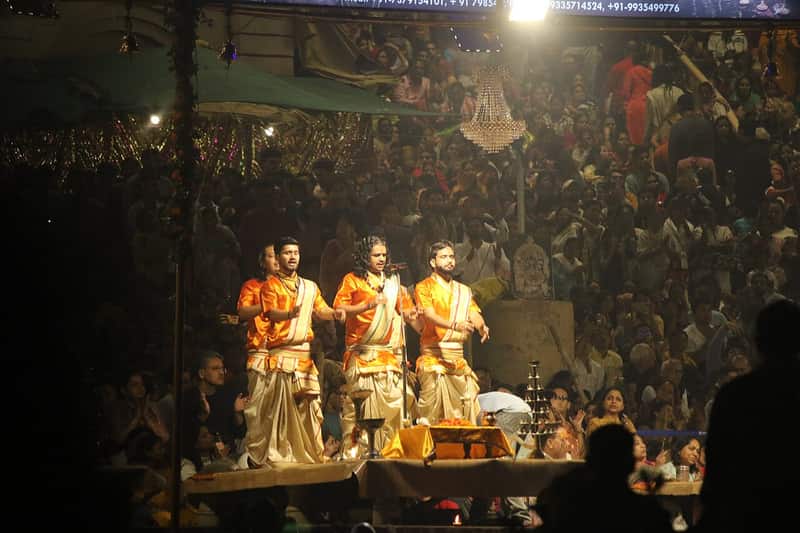
Culture The History and Meaning of Ganga Aarti in Varanasi
Dive deep into the origins, evolution, and spiritual significance of the Ganga Aarti — the daily fire ritual that has become Varanasi most iconic spectacle.