
Varanasi played a significant role in India's freedom struggle. The city's deep religious traditions provided a powerful backdrop for nationalist movements, and many of India's greatest leaders had connections to this ancient city.
Key Takeaways
- Early Nationalist Activities
- Gandhian Movement
- Freedom Fighters from Varanasi
Early Nationalist Activities
The Indian National Congress held its session in Varanasi in 1905. Annie Besant used the city as a platform to promote Indian self-rule and education.
The weavers community was particularly active. The Swadeshi movement encouraged locally made cloth, and Varanasi weavers became symbols of economic self-reliance.
Gandhian Movement
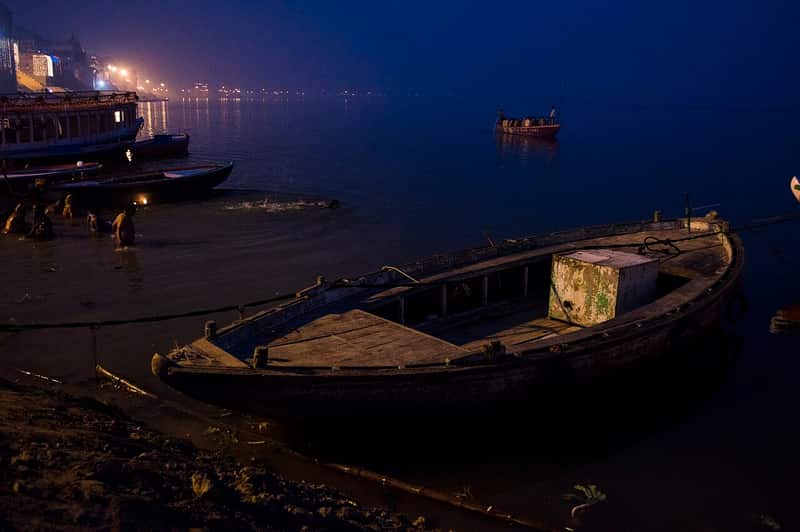
Mahatma Gandhi visited Varanasi multiple times and spun khadi on the banks of the Ganges. He encouraged people to take up the spinning wheel as resistance against British exploitation.
The Quit India Movement of 1942 saw massive participation from Varanasi. Students, weavers, and merchants joined the movement with great fervor.
Freedom Fighters from Varanasi
Munshi Premchand used his literature to highlight social injustice. His novel Godan depicted the struggles of Indian peasants under British rule.
The city labyrinthine old lanes provided cover for underground political activities, and temples served as meeting points for freedom fighters.
Quick Tips
Varanasi was a significant center of India's independence movement. Annie Besant promoted self-rule, Gandhi spun khadi on the Ganges banks, and weavers became Swadeshi symbols. The 1942 Quit India Movement saw massive participation.
Frequently Asked Questions
Was this article helpful?
Your feedback helps us improve
Enjoyed this article?
Get the latest Varanasi travel tips delivered to your inbox.
Related Articles
 history
 Varanasi: The Oldest Living City in World History
Exploring the 5,000-year-old city that has never been abandoned
history History of Kashi Vishwanath Temple
The epic journey of one of Hinduism's most sacred shrines
history Varanasi Through the Mughal Era
How the Mughal Empire shaped Varanasi culture over three centuries