
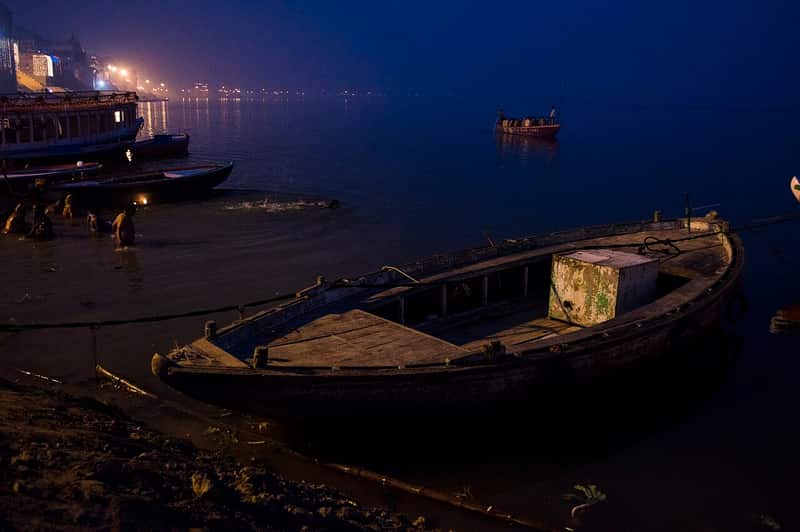
Varanasi cultural heritage spans over 5,000 years, encompassing religion, music, literature, arts, cuisine, and festivals. This living tradition has continuously evolved while maintaining its core spiritual identity.
Key Takeaways
- Religious Synthesis
- Performing Arts
- Culinary Heritage
Religious Synthesis
Varanasi is unique in housing major traditions of Hinduism, Buddhism, and Jainism. The city has been a place where different religious traditions coexist and influence each other.
The concept of Kashi as the city of light (where darkness cannot exist) has attracted seekers from all traditions for millennia.
Performing Arts
Varanasi has contributed significantly to Indian performing arts. The Benares Gharana of music, Kathak dance, and various forms of theater and folk performance have flourished here.
The Ram Lila performances at Ramnagar, dating back centuries, represent one of the oldest continuously performed theatrical traditions in the world.
Culinary Heritage
Varanasi cuisine reflects its diverse cultural influences. The city is famous for its chaat, kachori, lassi, and Banarasi paan, each with its own centuries-old preparation traditions.
The street food culture of Varanasi, particularly around the Vishwanath Gali area, represents a living museum of Indian culinary traditions.
Quick Tips
Varanasi cultural heritage encompasses 5,000 years of religious synthesis, performing arts, literature, cuisine, and festivals. The city hosts traditions of Hinduism, Buddhism, and Jainism. Its performing arts include the Benares Gharana, Kathak, and centuries-old Ram Lila performances.
Frequently Asked Questions
Was this article helpful?
Your feedback helps us improve
Enjoyed this article?
Get the latest Varanasi travel tips delivered to your inbox.
Related Articles
 history
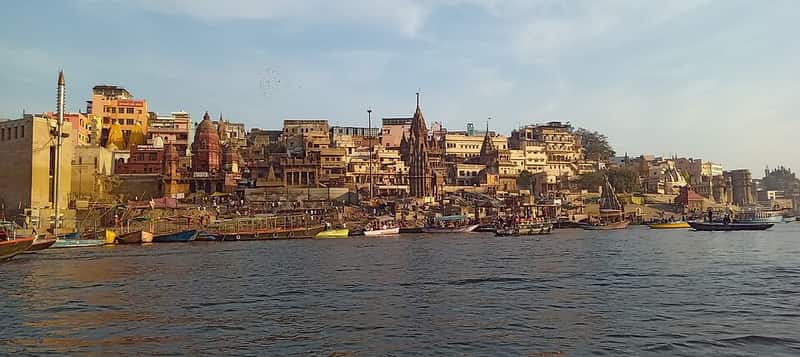
 Varanasi: The Oldest Living City in World History
Exploring the 5,000-year-old city that has never been abandoned
history History of Kashi Vishwanath Temple
The epic journey of one of Hinduism's most sacred shrines
history Varanasi Through the Mughal Era
How the Mughal Empire shaped Varanasi culture over three centuries