
Archaeological discoveries in and around Varanasi have revealed evidence of continuous habitation dating back to at least 800 BCE. These finds have helped scholars understand the city ancient origins and evolution.
Key Takeaways
- Early Excavations
- Buddhist and Jain Remains
- Modern Archaeological Research
Early Excavations
British-era archaeological surveys first documented ancient remains in Varanasi. The Archaeological Survey of India (ASI) has conducted extensive excavations revealing layers of habitation.
Excavations at Rajghat and other sites have uncovered painted grey ware and northern black polished ware pottery, dating to the 6th-4th centuries BCE.
Buddhist and Jain Remains
Archaeological findings near Sarnath include stupas, monasteries, and sculptures spanning several centuries. These remains confirm the textual accounts of Varanasi as a major Buddhist center.
Jain archaeological remains, including ancient temples and inscriptions, have also been discovered in the Varanasi region, confirming its importance in Jain history.
Modern Archaeological Research
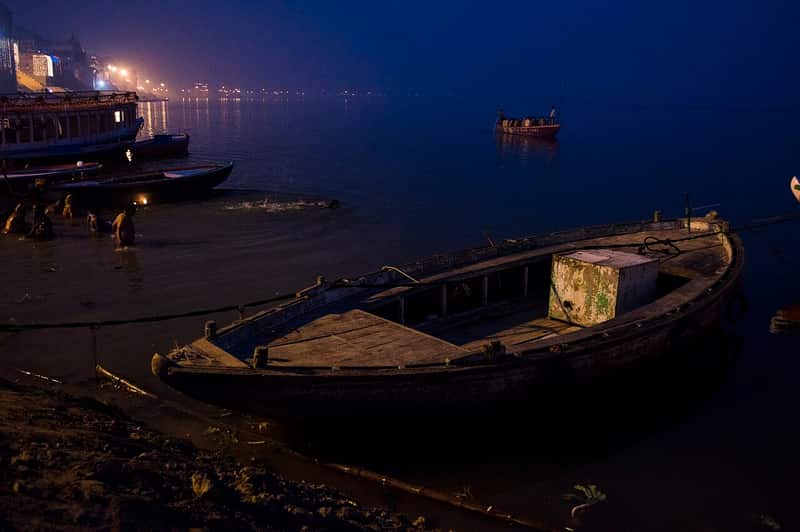
Recent archaeological work has focused on underwater surveys in the Ganges, revealing submerged structures that may date to ancient periods of the city history.
DNA analysis and carbon dating of artifacts are providing new insights into the origins and migrations of Varanasi ancient populations.
Quick Tips
Archaeological discoveries in Varanasi reveal continuous habitation since at least 800 BCE. British-era excavations and ASI work have uncovered painted grey ware pottery (6th-4th century BCE), Buddhist stupas near Sarnath, and Jain remains. Modern research includes underwater surveys in the Ganges.
Frequently Asked Questions
Was this article helpful?
Your feedback helps us improve
Enjoyed this article?
Get the latest Varanasi travel tips delivered to your inbox.
Related Articles
 history
 Varanasi: The Oldest Living City in World History
Exploring the 5,000-year-old city that has never been abandoned
history History of Kashi Vishwanath Temple
The epic journey of one of Hinduism's most sacred shrines
history Varanasi Through the Mughal Era
How the Mughal Empire shaped Varanasi culture over three centuries