
Varanasi is uniquely associated with death and liberation. Hindus believe that dying here grants moksha. The burning ghats are not places of sorrow but of profound spiritual hope.
Key Takeaways
- The Concept of Moksha
- Manikarnika Ghat
- Harishchandra Ghat
- Etiquette and Respect
The Concept of Moksha
Hindu scriptures state Lord Shiva whispers the Tarak Mantra into the ears of those who die in Varanasi, freeing their soul from reincarnation.
Manikarnika Ghat
The primary cremation ghat with an eternal flame said to be lit by Lord Shiva. Cremations happen around the clock every single day.
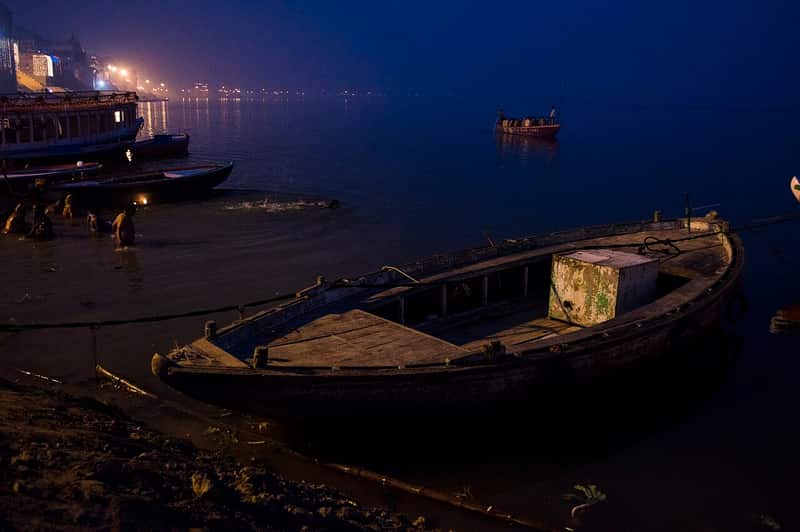
Harishchandra Ghat
Named after King Harishchandra, this ghat is older than Manikarnika and offers electric crematorium facilities alongside traditional pyres.
Etiquette and Respect
Photography is strictly prohibited. Remove shoes, dress modestly, maintain silence, and never point your feet towards the pyres or river.
Quick Tips
Manikarnika operates 24/7. Photography strictly prohibited. Show absolute respect. These are sacred rituals, not tourist attractions.
Frequently Asked Questions
Was this article helpful?
Your feedback helps us improve
Enjoyed this article?
Get the latest Varanasi travel tips delivered to your inbox.
Related Articles
 spiritual
 Kashi Vishwanath Jyotirlinga: Complete Pilgrim Guide
Everything you need to know about visiting the sacred Kashi Vishwanath Temple
spiritual Timings of All 21 Ghat Aartis in Varanasi
Complete schedule of Ganga aartis at every major ghat in Varanasi
spiritual Manikarnika Ghat: The Eternal Flame
Mythology, history, and spiritual practices at the most sacred cremation ground