
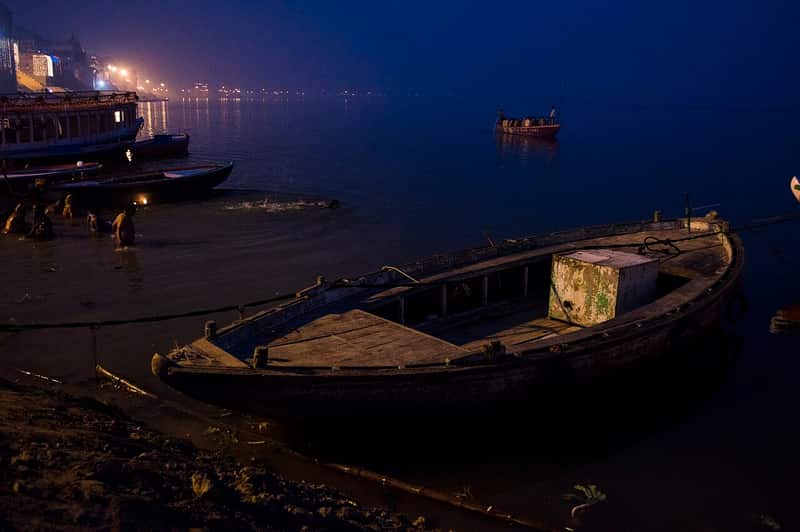
Ramnagar Fort stands majestically on the eastern bank of the Ganges, opposite the Varanasi ghats. Built in the 17th century by the Kashi Naresh, this sandstone fortress houses a museum of rare artifacts and manuscripts.
Key Takeaways
- Construction and Architecture
- The Fort Museum
- Cultural Events
Construction and Architecture
The fort was built in 1750 by Raja Balwant Singh. The structure blends Mughal and Rajput architectural styles, featuring high walls, ornate temples, and a grand Durbar Hall.
The fort houses several temples including a famous Nagareshwar Kali Temple and a Mughal-style garden known as the Chhota Mirza palace.
The Fort Museum
The museum houses vintage American cars, European clocks, a royal palanquin, and an extensive collection of Mughal miniature paintings documenting court life.
The museum also houses handwritten Hindu and Islamic manuscripts, including rare copies of the Ramayana. The clock tower features a functioning astronomical clock.
Cultural Events
Ramnagar Fort is the center of the famous Ram Lila performances during Dussehra. This month-long theatrical retelling of the Ramayana attracts thousands of spectators.
The Ganga Mahotsav, a cultural festival celebrating the river Ganges, is also held near the fort with classical music and boat races.
Quick Tips
Ramnagar Fort was built in 1750 by Raja Balwant Singh on the eastern bank of the Ganges. It houses a museum with vintage cars, Mughal paintings, and ancient manuscripts. The fort is also the venue for the famous Ram Lila performances during Dussehra.
Frequently Asked Questions
Was this article helpful?
Your feedback helps us improve
Enjoyed this article?
Get the latest Varanasi travel tips delivered to your inbox.
Related Articles
 history
 Varanasi: The Oldest Living City in World History
Exploring the 5,000-year-old city that has never been abandoned
history History of Kashi Vishwanath Temple
The epic journey of one of Hinduism's most sacred shrines
history Varanasi Through the Mughal Era
How the Mughal Empire shaped Varanasi culture over three centuries