
Dev Deepawali, celebrated fifteen days after Diwali, transforms Varanasi into a celestial city of light. The entire ghat stretch along the Ganga glows with millions of earthen lamps, welcoming the gods who descend to bathe in the sacred river.
Key Takeaways
- What is Dev Deepawali?
- How to Experience Dev Deepawali
- Rituals and Traditions
- Music & Arts of Varanasi
What is Dev Deepawali?
Dev Deepawali literally means the "Diwali of the Gods." It falls on Kartik Purnima, a full moon night when the gods are believed to visit Earth and bathe in the Ganga.
The tradition dates back centuries and is linked to the mythological belief that Lord Shiva slays the demon Tripurasura on this night, and the gods celebrate by lighting lamps.
Timing
Kartik Purnima, fifteen days after Diwali.
Duration
Main celebrations last one night, but festivities extend for two days.
Location
All 84 ghats of Varanasi along the Ganga riverfront.
How to Experience Dev Deepawali
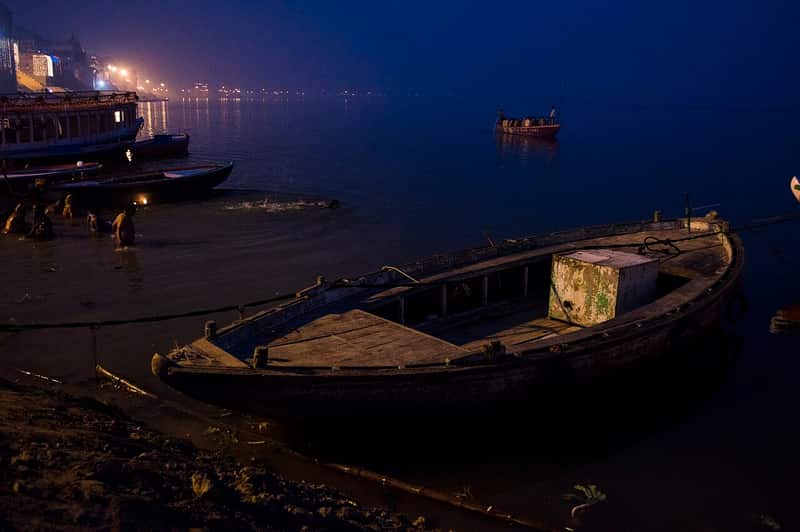
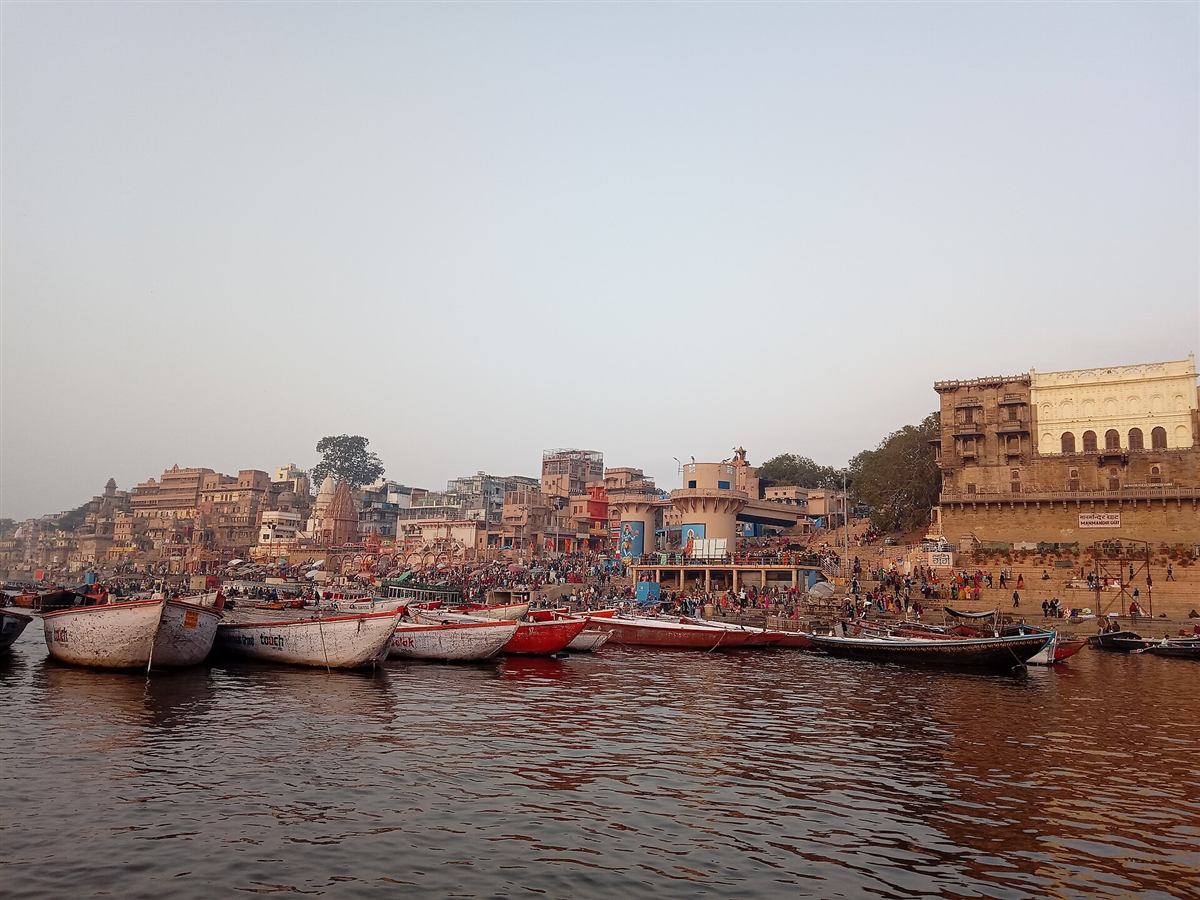
The best way to experience Dev Deepawali is by watching the lighting of the diyas from a boat on the Ganga. The reflection of countless lamps on the water creates a breathtaking spectacle.
Cultural programs including classical music and dance performances take place on several ghats. Dashashwamedh Ghat and Assi Ghat are popular viewing points.
Arrive Early
Ghats get crowded by evening. Reach by late afternoon for a good spot.
Book a Boat
Hire a boat for the best aerial view of the illuminated ghats.
Photography Tips
Carry a tripod for long exposure shots of the flickering diyas on water.
Rituals and Traditions
Devotees light earthen lamps on the ghats, offer prayers to Lord Shiva, and take a ritual dip in the Ganga. The evening Ganga Aarti is especially grand on this occasion.
Lighting Diyas
Visitors can light their own diyas on the steps of any ghat.
Special Prayers
Temples along the ghats hold special pujas throughout the night.
Floral Offerings
Flower petals are floated on the river as offerings to the Ganga.
Music & Arts of Varanasi
Varanasi is the birthplace of the Benares Gharana, one of the most prestigious schools of Hindustani classical music. The city has produced legendary musicians like Ustad Bismillah Khan, whose shehnai melodies still echo through the ghats, and Pandit Ravi Shankar, who introduced the world to the sitar. During Dev Deepawali, several ghats host classical music and dance performances as part of the cultural celebrations, creating an unforgettable atmosphere where ancient melodies blend with the sound of temple bells and the gentle flow of the Ganga.
The silk weaving tradition of Varanasi is equally renowned worldwide. Banarasi silk saris, with their intricate gold and silver brocade (zari) work, take weeks or even months to create on traditional handlooms. During festive nights like Dev Deepawali, the silk shops along Vishwanath Gali and Thatheri Bazaar are beautifully illuminated, offering visitors a chance to witness the timeless artistry of Banarasi weavers while shopping for exquisite textiles that have adorned Indian brides for centuries.
Benares Gharana
Legendary school of Hindustani classical music — shehnai, sitar, and tabla traditions
Live Performances
Classical concerts at multiple ghats during Dev Deepawali celebrations
Banarasi Silk
Handloom saris with gold zari work — visit illuminated shops in Vishwanath Gali
Festivals Calendar
Varanasi celebrates festivals throughout the year with unmatched enthusiasm. Dev Deepawali in November is the most spectacular, with millions of diyas illuminating all 84 ghats. Mahashivratri in February-March sees the city erupt in devotion as Lord Shiva is worshipped throughout the night. Holi in March turns the old city into a rainbow of colors, with Sankat Mochan Temple hosting the most famous celebration.
January - Makar Sankranti
Kite festival and sacred bathing at the ghats
February-March - Mahashivratri
Night-long Shiva worship, Rudrabhishek at Kashi Vishwanath
March - Holi
Week-long colors festival, Samrat Holi at Sankat Mochan
April-May - Sankat Mochan Festival
Annual classical music festival with legendary performances
July-August - Sawan Mondays
Special Shiva worship every Monday with kanwar yatras
October - Navratri/Dussehra
Nine nights of Goddess worship, Ram Leela performances
November - Dev Deepawali
Millions of diyas on all 84 ghats — the crown jewel
November - Diwali
Festival of lights with special celebrations at every temple
Local Customs & Etiquette
Understanding local customs will enrich your Dev Deepawali experience and show respect for the city's sacred traditions. Always remove your shoes before entering any temple or stepping onto the ghat platforms where diyas are lit. Dress modestly — cover your shoulders and knees at religious sites. The ghats are considered sacred ground, so avoid eating non-vegetarian food or consuming alcohol in the ghat area. Photography is generally welcome, but always ask before photographing people performing rituals or priests during ceremonies.
When attending the Ganga Aarti, maintain silence during the chanting portions and avoid blocking the view of other spectators. Do not litter — use the dustbins provided along the ghats, and never throw any offerings (flowers, diyas, or food) into the river from bridges or walkways. The correct way is to place diyas gently at the water's edge on the ghat steps. If you wish to offer flowers, float them gently on the surface rather than throwing them. These small acts of respect go a long way in preserving the sanctity of this extraordinary celebration.
Shoes Off
Always remove shoes before entering temples and ghat platforms
Dress Code
Cover shoulders and knees at religious sites, avoid revealing clothing
Diyas Etiquette
Place diyas gently at the water's edge, never throw them into the river
Photography
Ask permission before photographing people performing rituals or priests
Food Restrictions
Avoid non-veg and alcohol in the ghat area — it is sacred ground
Aarti Decorum
Maintain silence during chanting, don't block others' view
The City of Lamps, Lit for the Gods

Quick Tips
Dev Deepawali is held on Kartik Purnima. The ghats glow with millions of diyas. Book a boat for the best view. Reach early to secure a good spot. Dress warmly as nights can be cool.
Frequently Asked Questions
Was this article helpful?
Your feedback helps us improve
Enjoyed this article?
Get the latest Varanasi travel tips delivered to your inbox.
Related Articles
 Temples
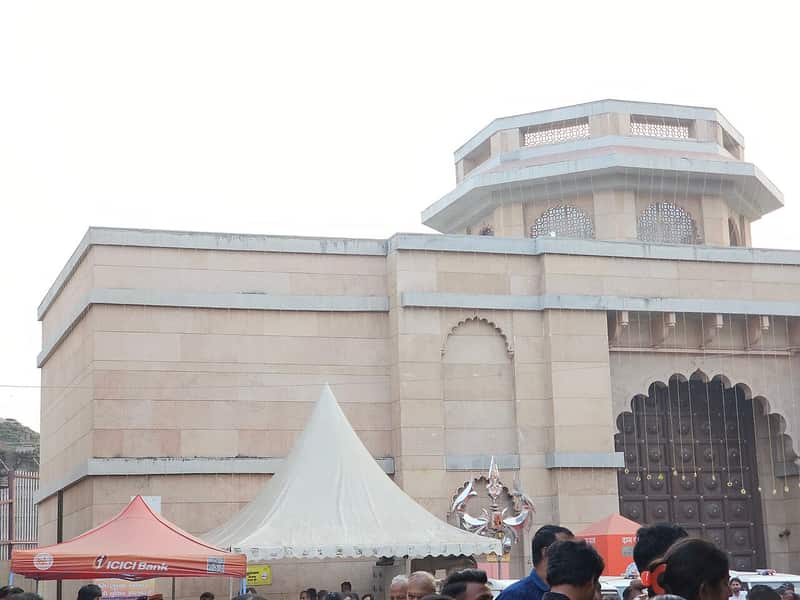
 Kashi Vishwanath Temple: Complete Guide to Darshan, History & Timings
History, entry passes, darshan timings, rituals, nearby spots and travel tips
 Ghats
Ghats Manikarnika Ghat: The Sacred Cremation Ground
Rules, etiquette, history, and spiritual significance of Manikarnika
Ghats Dashashwamedh Ghat: The Grand Evening Aarti
Timings, best spots, what happens during aarti, and how to get front-row seats