
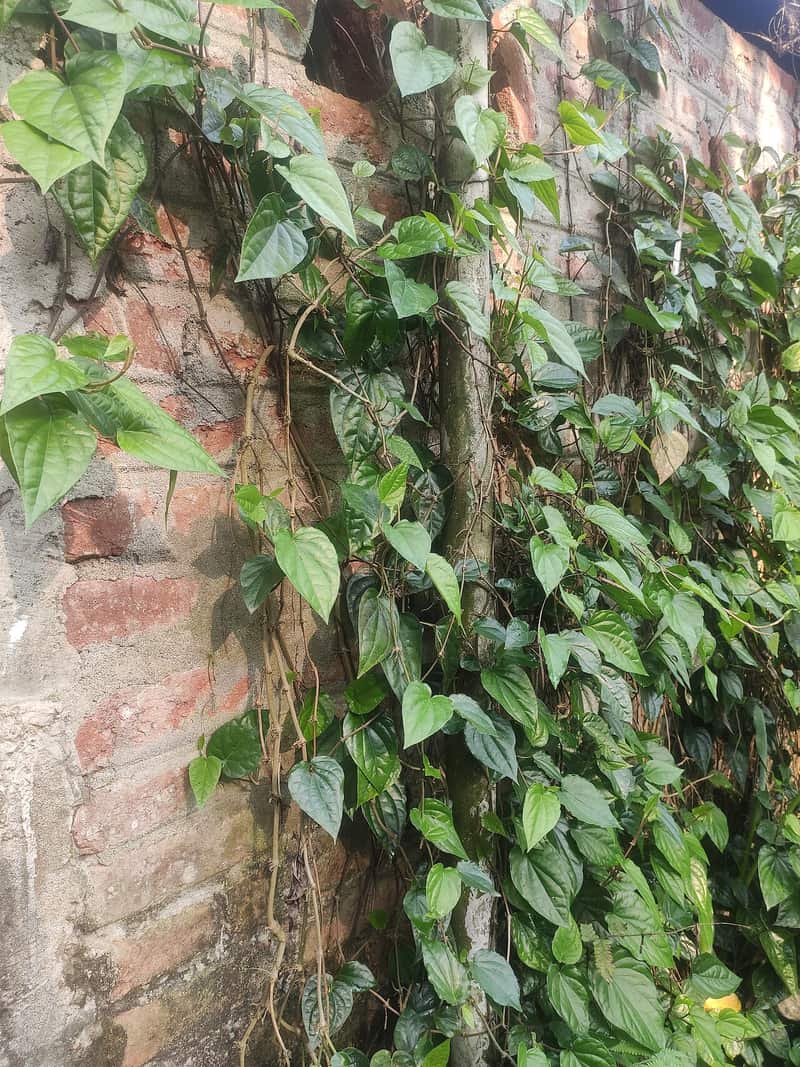
Ask any Banarasi what the city runs on, and after the Ganga and the lassi they will say paan. The betel leaf here is not a habit but an institution — wrapped around sweet rose-petal jam, spices and a dozen secret recipes, and pressed into your palm with the same hospitality that the city offers everyone. This is the story of Banarasi paan: the world's only paan with a GI tag, a 400-year-old craft, and the green heart of the city's famous adda.
Key Takeaways
- The Leaf of Banaras: What Makes It Different
- How a Banarasi Paan Is Made: Gulkand, Supari and the Fold
- Varieties: Meetha, Khilau and Saada
- Paan and the Banarasi Way of Life: Adda and Hospitality
The Leaf of Banaras: What Makes It Different
Paan has been chewed in India for centuries, but Banaras turned it into an art form. The paan culture of the city is more than 400 years old, and its betel leaves — grown in the fertile belt around Magadh and cultivated to a particular softness — are prized across the country. What elevates the Banarasi leaf is not just the leaf itself but the craft around it: the careful washing, the removal of the central vein, the measured layering of lime and catechu, and the final folded triangle, fresh and aromatic, never made in advance. No two shopkeepers use the same recipe, which is why every Banarasi swears their galla is the best.
The difference is also in the philosophy. In most of India paan is a stimulant, a digestive, an after-dinner courtesy. In Banaras it is a greeting, a marker of identity, and the official currency of conversation. A paan is offered when you arrive, when you leave, and at every emotional milestone in between — weddings, negotiations, reconciliations. In 2022 the Banarasi paan was granted Geographical Indication status, making it the first paan in the world to carry that label. It was, to the city, a kind of official recognition: the green leaf of Kashi is not merely eaten; it is heritage.
How a Banarasi Paan Is Made: Gulkand, Supari and the Fold
Watch a master paanwallah and you will understand why Banaras treats it as a craft. First the leaf — washed, dried, and stripped of its central vein with a single expert stroke. Then comes the sweet chuna paste brushed lightly across the upper face, a pinch of catechu, and the heart of the matter: gulkand, the rose-petal jam that is the soul of Banarasi meetha paan. Onto this go cardamom, fennel, shredded coconut, powdered rose, and a twist of supari — the areca nut — chopped fine. The whole construction is folded with two deft movements into a neat triangle, sometimes tied with a clove, and placed on a silver kadai for the customer to lift with reverence.
The order of ingredients is not casual — it is architecture. Lime and catechu are balanced so the mouth is neither burnt nor bitter; the gulkand is layered to release its rose flavour slowly; the spices are chosen by season, with fennel for coolness in summer and more ginger in winter. The best shops keep their ingredients in open brass and glass containers, letting you watch every pinch. A true Banarasi paan is made fresh, on the spot, in less than a minute, and the folding matters as much as the filling: a tightly folded paan holds its juices, a sloppy one leaks its first kiss of sweetness onto your fingers before you even bite.

Varieties: Meetha, Khilau and Saada
The first decision at any Banarasi paan shop is how sweet you want your afternoon to be. The khilau is the simple, traditional paan — lime, catechu and a little supari, folded tight, tasting of the leaf itself; connoisseurs say it is the only true test of a shop. The meetha is the star of Banaras: a generous layer of gulkand, rose, cardamom and sweetened chuna, sometimes with coconut and fennel, sometimes with a cherry on top. It is dessert and breath-freshener in one. The saada is the tobacco paan, a stronger, more serious affair that locals take for its kick and its digestive effect after a heavy meal.
Beyond the trinity there is a whole taxonomy. There are fire paans that are set alight at the table, silver-leaf (varq) paans for weddings and celebrations, chocolate paans for children and tourists, and the famous khaas versions that each shop keeps as a signature — one with an extra twist of rose, another with a dash of brandy or a sprinkle of exotic spice. Tell the wallah how much sweetness you want, whether you chew or swallow, and whether you want tobacco; he will adjust. And do not be shy to specify a mild start — the Banarasi sweet tooth is legendary, and beginners often find the full meetha almost too rich for a first date.
Paan and the Banarasi Way of Life: Adda and Hospitality
In Banaras, the paan shop is a living room with a pavement. Around every famous galla a permanent adda assembles — students, shopkeepers, retired professors and visiting pilgrims who stand in a loose circle, chewing slowly and discussing politics, cricket, poetry or the price of fish with the same intensity. The paan is the ticket to this conversation: nobody is a stranger once a leaf has changed hands. This is why Banarasis offer paan to guests the way other cultures offer coffee — it is the gesture that says you are welcome, you are family, stay a while and talk.
The ritual also carries the city's philosophy of slowness. A paan is not consumed; it is negotiated over time — the first bite releasing the lime's bite, then the rose of the gulkand, then the cool of fennel, until the whole flavour unfolds like a conversation. Banarasis will tell you that paan is why they argue so well: it gives you something to do with your hands and mouth while your mind gets to work. And after a wedding, a festival or a business deal, the box of sweets is followed by the leaf — the last, most personal offering of a host who wants you to leave with sweetness on your lips and in your memory.

The Famous Paan Shops: Where to Go
Naming the best paan shop in Banaras is a way to start a fight, but a few names are universally spoken with respect. Kedarnath Paan Bhandar, near the Dashashwamedh Ghat crossing, has been the city's most celebrated counter for generations — its meetha paan, made before your eyes from gleaming brass pots, is the gold standard that tourists cross half the world to taste. Deepak Paan Bhandar, in the lanes near the Kashi Vishwanath temple, is the temple-goer's ritual after darshan, famous for its balanced, old-school recipe. Sitaram Paan, near Godowlia, is another evergreen, loved by locals for its generous gulkand and consistent evening freshness.
Each shop has its personality, and part of the pleasure is choosing. Some counters are grand, with marble fronts and queues of regulars; others are tiny cubicles where a single craftsman has folded leaves for fifty years. Follow the smoke of the city's evenings: after sunset the most crowded paan gallas are almost always the best. A few shops near the ghats cater to tourists with sweetened, cherry-topped versions and printed menus; the locals' favourite is usually a small counter with no signboard and a line of autos parked outside. Ask a rickshaw-wallah where he buys his evening paan — he will never send you wrong.
A Beginner's Guide: How to Eat Paan and What to Expect
The first paan is a small performance, and the city enjoys watching. Take the leaf from the kadai with your right hand, place it whole in your mouth and bite gently — do not swallow it whole, do not hold it like a lozenge. Chew slowly, mixing the fillings with your tongue, and let the juice be absorbed rather than spat. Beginners are often surprised by the first rush: a slight tingle from the lime, then the rose, then warmth. If it is too strong, sip some water or sweet lassi — the shopkeeper will grin and tell you it gets easier, and it does, usually by the third leaf.
Hygiene is worth a glance before commitment. The best shops keep their ingredients covered, their hands clean, and their counters wiped — trust your eyes, and if a counter looks dirty, walk on; there is always another. Expect to pay a few tens of rupees for a good meetha paan, more for silver-leaf or fire versions. And decide your stance in advance: paan juice can stain teeth and pavements alike, so spit discreetly where locals do, or swallow if you prefer. Finally, remember the golden rule of Banaras — accept the offered paan with both hands and a smile. Refusing it politely is possible, but in Kashi, the leaf is a blessing, and blessings are taken.
How to eat
Take it in your right hand, bite gently, chew slowly and let the juice be absorbed; do not swallow it whole.
Start mild
Order a light meetha or khilau first; the full sweet version can be intense for new chewers.
Price
A good meetha paan costs only a few tens of rupees; silver-leaf and special versions cost more.
Hygiene
Pick a counter with covered ingredients and clean hands; if in doubt, walk on — there is another around every corner.
Aftercare
Drink water or lassi if the first rush is strong; brush well later, as paan stains teeth.
Where to go
Kedarnath Paan Bhandar, Deepak Paan and Sitaram Paan are the famous names; ask a rickshaw-wallah for his local favourite.
Quick Tips
Order a mild meetha paan at your first shop, chew it slowly, and do not judge Banaras by the first bite — the second paan is always the one that makes you a convert.
Frequently Asked Questions
Was this article helpful?
Your feedback helps us improve
Enjoyed this article?
Get the latest Varanasi travel tips delivered to your inbox.
Related Articles
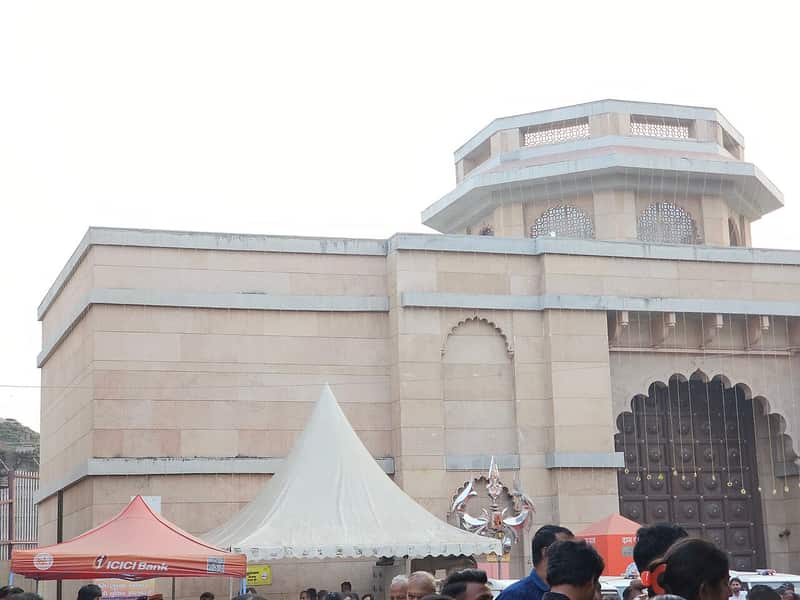 Temples
 Kashi Vishwanath Temple: Complete Guide to Darshan, History & Timings
History, entry passes, darshan timings, rituals, nearby spots and travel tips
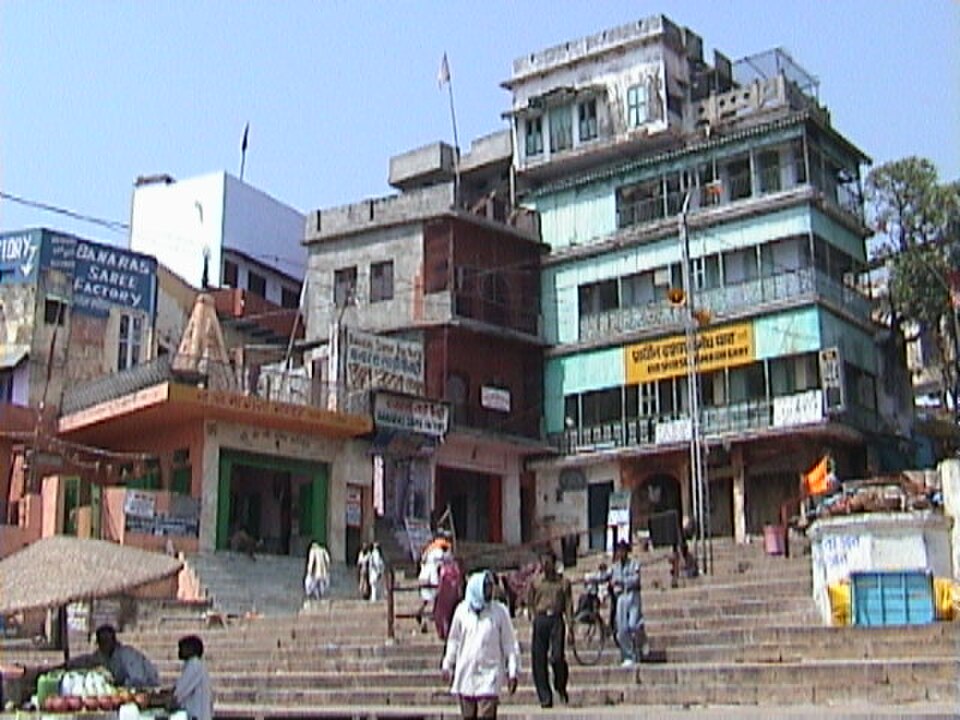 Ghats
Ghats Manikarnika Ghat: The Sacred Cremation Ground
Rules, etiquette, history, and spiritual significance of Manikarnika
Ghats Dashashwamedh Ghat: The Grand Evening Aarti
Timings, best spots, what happens during aarti, and how to get front-row seats