Fabric Traditions
Textile Industry of Varanasi
From the loom to the wardrobe — the silk legacy that adorns brides across India.
The Silk Legacy
Varanasi's textile industry dates back over 2,500 years. The city has been a major center for silk weaving since ancient times, with references in Greek and Chinese texts. The Mughal period saw the art reach its zenith, with intricate brocade and zari work becoming the hallmark of Banarasi textiles.
Today, over 500,000 families depend on the textile industry. The handloom sector coexists with powerloom operations, creating a unique ecosystem where tradition meets modernity. Banarasi sarees are considered essential in Indian weddings and are exported to over 80 countries.
Types of Banarasi Fabrics
Katan (Pure Silk)
100% pure silk twisted by hand. The most premium variety, known for its luster and durability. A single saree can take 2-6 months to weave on a traditional pit loom.
Zari Brocade
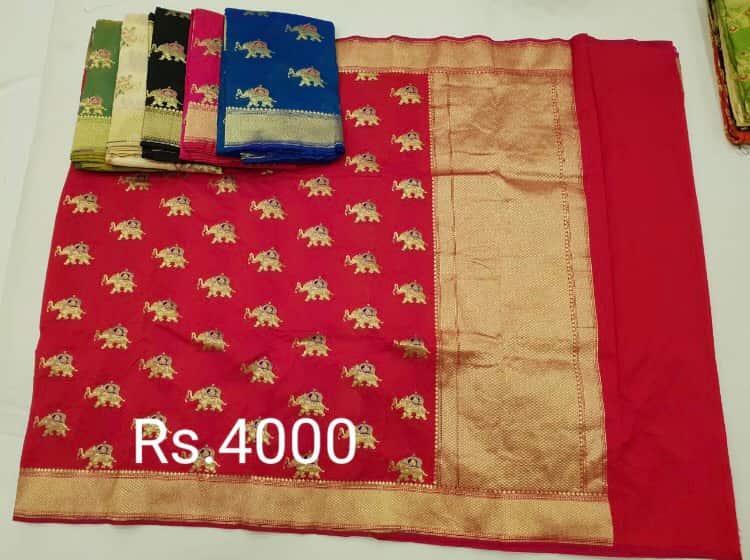
Silk fabric with gold or silver thread (zari) woven into intricate patterns. Traditional Mughal motifs like paisleys, flowers, and vine patterns are common.
Tissue & Organza
Lightweight, sheer fabrics with metallic threads. Popular for dupattas, scarves, and modern sarees. The "tissue" variety has a distinctive metallic sheen.
Weaving Centers & Cooperatives
Handloom Cooperatives
Government and private cooperatives support weavers with raw materials, marketing, and fair wages. Visit cooperative showrooms for authentic products.
Weaver Villages
Kabirchaura, Chaukaghat, and Chandpur are the main weaving neighborhoods. Visit to see pit looms and traditional weaving techniques.
Silk Mark Showrooms
Certified showrooms selling genuine Banarasi silk with Silk Mark labels. Best for tourists who want guaranteed authenticity.
Modern Mills
Powerloom units produce mass-market Banarasi silk at affordable prices. Located on the city outskirts.
Frequently Asked Questions
How big is Varanasi's textile industry?
What types of textiles are made in Varanasi?
How can I visit a weaving unit?
Is Banarasi silk available in different qualities?
Download NaviX — Visit Weaving Units
See silk being woven on traditional pit looms — book artisan visits.
Download the App