

Seasonal Travel Guide
Varanasi in Autumn: Festivals & Pleasant Weather
October and November bring perfect weather and spectacular festivals to the holy city — Navratri, Diwali, and the legendary Dev Deepawali
Why Autumn is the Most Magical Time to Visit Varanasi
Autumn in Varanasi is a season of transformation. The monsoon has retreated, leaving behind lush greenery along the Ganges banks and in the gardens of Sarnath. The oppressive humidity of summer has dissipated, replaced by crisp, comfortable air that hovers between 20°C and 30°C. The sky clears to a brilliant blue, and the golden light of the autumn sun casts the ancient ghats in a warm, ethereal glow that photographers dream about.
But what truly makes autumn magical is the festival calendar. In the span of just two months, Varanasi celebrates Navratri, Dussehra, Diwali, Dev Deepawali, and Chhath Puja. Each festival transforms the city — the ghats are decorated with marigold garlands and oil lamps, the narrow lanes echo with devotional music, and the entire city pulses with spiritual energy that is palpable even to first-time visitors.
The silk markets burst with new collections timed for the wedding season, the street food stalls推出 seasonal specialties like malaiyo and warm kachori-sabzi, and the boatmen on the Ganges offer special festival rides that include stops at decorated temples. For anyone seeking an authentic, immersive experience of North Indian culture and spirituality, there is simply no better time to be in Varanasi.


Month-by-Month Weather Breakdown
O October
Temperature: 22°C – 32°C
Humidity: Moderate (50-65%)
Rainfall: Minimal, occasional light showers in early October
Sunrise: ~5:50 AM | Sunset: ~5:30 PM
Highlights: Navratri begins (9 nights), Dussehra, Ram Lila performances across the city, silk market new arrivals
N November
Temperature: 15°C – 28°C
Humidity: Low (35-50%)
Rainfall: Almost zero
Sunrise: ~6:15 AM | Sunset: ~5:10 PM
Highlights: Diwali celebrations, Dev Deepawali (Kartik Purnima), Chhath Puja, morning mist on the Ganges begins
Temperature Trend Through Autumn
Average daytime high temperatures. Mornings and evenings are 5-8°C cooler. Best time for outdoor exploration: 7 AM – 10 AM and 4 PM – 6 PM.
Navratri: Nine Nights of Devotion and Dance
Navratri, meaning "nine nights," is one of the most significant Hindu festivals celebrating Goddess Durga in her nine forms. In Varanasi, Navratri takes on a special character — the ancient temples are decorated with thousands of marigold flowers, and the narrow lanes come alive with devotional music, garba nights, and dandiya raas performances that continue until the early hours of the morning.
Daily Navratri Schedule in Varanasi
4:00 AM – 6:00 AM
Brahma Muhurta prayers at Kashi Vishwanath and Durga temples. Special morning aarti with conch shells and bells.
6:00 AM – 9:00 AM
Temple decorations with flowers and rangoli. Priests perform daily puja rituals. Visitors can participate in aarti.
10:00 AM – 4:00 PM
Cultural programs, devotional music, and religious discourses at community halls. Temple prasad distribution.
6:00 PM – 12:00 AM
Garba and dandiya nights at public grounds. Evening aarti at ghats with special Navratri decorations.
The Nine Forms of Durga
Each of the nine nights is dedicated to a specific form of Goddess Durga. In Varanasi, the Durga Temple (Durga Kund) becomes the epicenter of celebrations, with special pujas performed each evening. The Shailputri temple near Assi Ghat, Brahmacharini temple in the old city, and Chandraghanta temple in Luxa area also see intense devotion. Local families perform Kalash Sthapana (pot installation) in their homes, and the entire city adopts a vegetarian diet during these nine days.
Garba and Dandiya Nights
The most spectacular aspect of Navratri in Varanasi is the garba and dandiya raas — traditional circle dances performed with decorative sticks. Public events are organized at Grounds near Assi, at the BHU campus, and at various community halls in Luxa and Nadesar areas. These events typically start at 8 PM and go until midnight, with professional musicians, colorful lighting, and traditional attire creating a festive atmosphere. Visitors are welcome to join — just wear comfortable shoes and follow the circular rhythm.

Dussehra: Victory of Good Over Evil
Dussehra, celebrated on the tenth day of Navratri, commemorates Lord Rama's victory over the demon king Ravana. In Varanasi, the celebrations are particularly grand, with the entire city participating in Ram Lila — a dramatic reenactment of the Ramayana that has been performed in Varanasi for centuries. The final day features the spectacular Ravan Dahan ceremony, where massive effigies of Ravana, Meghnad, and Kumbhakarna are set ablaze.
Ravan Dahan Events
The largest Ravan Dahan takes place at the Ram Leela grounds near Dashashwamedh Ghat. The effigy, sometimes 50-60 feet tall, is packed with firecrackers and set ablaze at sunset. Thousands gather to watch the spectacular display. Other major events happen at the Durga Kund ground and near the BHU gate. Arrive at least 2 hours early for a good viewing spot.
Ram Lila Processions
The Ram Lila procession on Dussehra day is a visual spectacle. Actors dressed as Lord Rama, Sita, Lakshmana, and Hanuman lead a decorated chariot procession through the old city. The route typically starts from the Ram Temple at Godowlia, passes through Vishwanath Gali, and ends at the Dashashwamedh Ghat. Drums, trumpets, and firecrackers accompany the procession.
Ram Lila Week (Days Before Dussehra)
The week leading up to Dussehra features daily Ram Lila performances at various locations across the city. These open-air theatrical performances depict scenes from the Ramayana, from Lord Rama's birth to the battle with Ravana. The performances at the Ram Leela grounds near Dashashwamedh are the most popular, with audiences of thousands. Local actors, many from families who have performed for generations, bring the epic to life with elaborate costumes, dialogues, and special effects including live fireworks during battle scenes.
Diwali in Varanasi: When the City Becomes a Sea of Light
Diwali, the festival of lights, is celebrated with unparalleled grandeur in Varanasi. As the birthplace of Lord Rama (according to some traditions) and one of the seven sacred cities of Hinduism, Varanasi transforms into a luminous wonderland during Diwali. Every ghat, temple, home, and shop is illuminated with thousands of oil lamps (diyas), creating a sight that stays with visitors for a lifetime.


Diwali Day-by-Day Guide
Day 1 — Dhanteras (13th day of Krishna Paksha, Kartik)
Shopping for gold, silver, and new utensils is traditional. The markets at Godowlia and Vishwanath Gali are packed with shoppers. Homes are cleaned and decorated. Special puja for Goddess Lakshmi is performed in the evening.
Day 2 — Naraka Chaturdashi / Chhoti Diwali
Early morning oil bath ritual. Small diyas are lit on every doorstep and ghat. The evening aarti at Dashashwamedh Ghat features special Diwali decorations with thousands of floating diyas on the Ganges.
Day 3 — Main Diwali (Amavasya — New Moon Night)
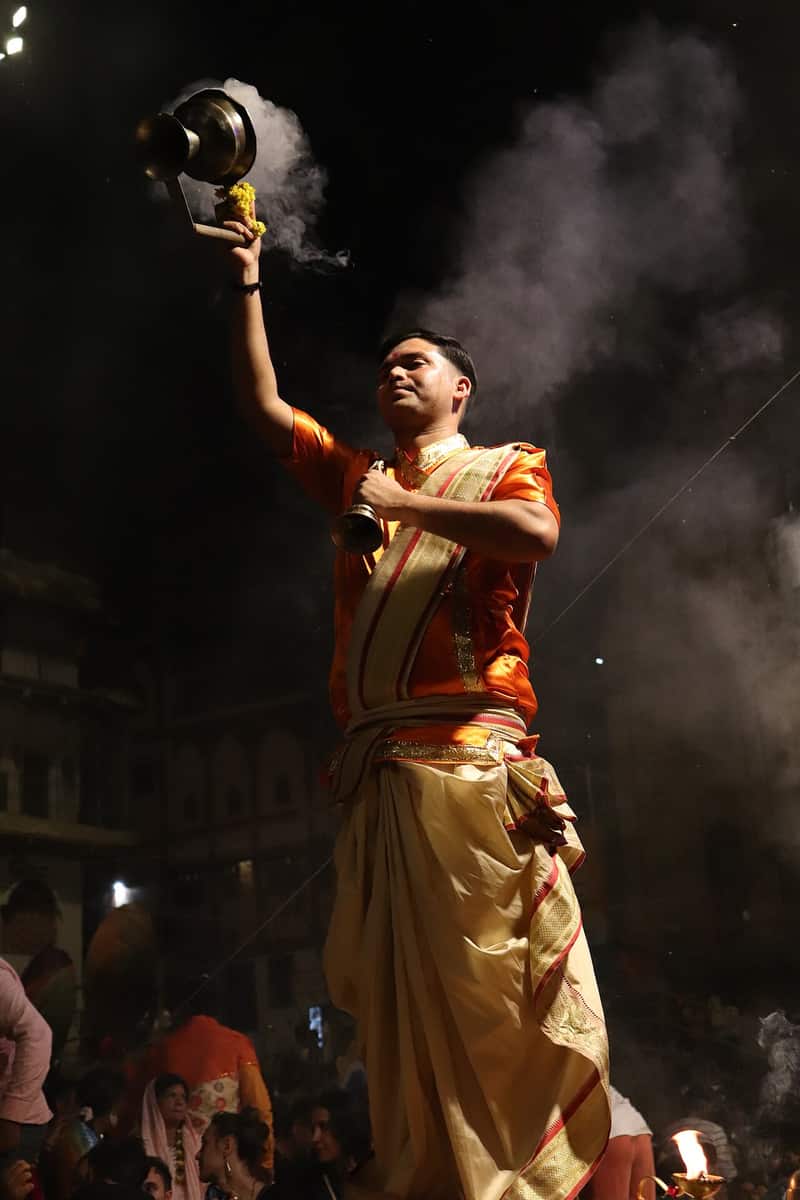
The grandest night. Every ghat, temple, and home is illuminated. The Ganga Aarti at Dashashwamedh is spectacular with fireworks. Families perform Lakshmi Puja. Street food stalls serve special Diwali sweets. The entire old city glows with thousands of diyas.
Day 4 — Govardhan Puja / Annakut
Temples prepare elaborate food offerings (annakut) of hundreds of dishes. Devotees visit temples to offer food to Lord Krishna. Special prasad distribution at all major temples.
Day 5 — Bhai Dooj
Sisters apply tilak on brothers' foreheads. Family gatherings and feasts. The markets remain busy with post-Diwali shopping.
Diwali Shopping Guide
Varanasi's markets are legendary during Diwali. Vishwanath Gali overflows with religious items, brass diyas, and silk accessories. Thatheri Bazaar offers traditional brass and copper utensils perfect for puja. The Thande Kuan area has wholesale markets for diyas, candles, and decorations. For silk shopping, Madanpura and the government emporiums near Godowlia have the finest Banarasi silk sarees — the traditional Diwali gift. Budget shoppers should explore the lanes behind Godowlia for competitive prices.
Dev Deepawali: The Festival of a Million Lamps
Dev Deepawali (also called Tripurotsav) is celebrated on Kartik Purnima — the full moon of the Hindu month of Kartik, exactly fifteen days after Diwali. This festival is unique to Varanasi and is considered even more spectacular than Diwali itself. On this day, it is believed that the gods descend to Earth to bathe in the Ganges, and all 84 ghats of Varanasi are illuminated with millions of earthen oil lamps.


What Makes Dev Deepawali Special
Scale: Over 10 lakh (1 million) diyas are lit across all 84 ghats, creating a continuous band of light along the 6.5 km riverfront. The sight of the entire Ganges bank glowing with oil lamps is unparalleled anywhere in the world.
Spiritual Significance: Dev Deepawali commemorates Lord Shiva's victory over the demon Tripurasura. It is believed that taking a holy dip in the Ganges on this day washes away all sins and grants moksha (liberation).
Ganga Aarti: The evening Ganga Aarti at Dashashwamedh Ghat during Dev Deepawali is the most spectacular of the year. Hundreds of priests perform synchronized aarti with massive multi-tiered brass lamps, while fireworks illuminate the sky above the Ganges.
Cultural Programs: Week-long cultural events, classical music concerts, and dance performances are organized at various ghats. The Swaran Bharatiya Kala Kendra festival coincides with Dev Deepawali.
Dev Deepawali Boat Rides
A boat ride on the Ganges during Dev Deepawali is a once-in-a-lifetime experience. As darkness falls, the ghats begin to light up one by one, and within minutes the entire riverfront transforms into a river of gold. The reflection of millions of diyas on the dark water of the Ganges creates a mirror effect that doubles the visual impact. Boats typically start from Dashashwamedh or Raj Ghat and travel past all illuminated ghats, ending at Assi Ghat. The ride takes 1.5-2 hours and costs ₹500-2000 per person depending on the boat type.
Pro tip: Book your boat through the official Varanasi Boat Association or through the NaviX app to avoid overcharging. The ride from Raj Ghat to Assi Ghat during the golden hour (5:30 PM – 6:30 PM) offers the best views as the diyas are being lit and the sky transitions from golden to deep blue.
Dev Deepawali Day Timeline
Temple bells ring across the city. Devotees take ritual baths in the Ganges before sunrise. The ghats are quiet but filled with prayer.
Morning aarti at all ghats. Special puja for Lord Shiva at Kashi Vishwanath. Prasad distribution begins at major temples.
Cultural programs begin at various ghats. Classical music and dance performances continue throughout the day.
Ghat preparation begins — volunteers and families start placing diyas on the steps of ghats. Thousands of oil lamps are arranged in rows and patterns.
Diyas are lit as the sun begins to set. The transformation of the ghats begins. Photography is best during this golden hour.
Grand Ganga Aarti at Dashashwamedh. Hundreds of priests perform synchronized aarti. Fireworks begin. The ghats are fully illuminated.
All ghats are fully lit. Boat rides begin in earnest. The reflection on the Ganges is at its most spectacular. Crowds reach peak density.
Some ghats begin winding down. The aarti at Assi Ghat concludes the evening. Late-night boat rides offer quieter, more reflective experiences.
Best Ghats to Visit During Autumn Festivals
Each ghat has its own character and offers a unique perspective on the autumn festivals. Here are the ghats that are particularly special during this season:
Dashashwamedh Ghat
The main ghat and epicenter of all festival celebrations. Ganga Aarti here during Diwali and Dev Deepawali is unmissable. Arrive by 4 PM for evening aarti during festivals. The shops along this ghat sell everything from diyas to prasad items.
Must VisitAssi Ghat
The southernmost ghat offers a more relaxed festival experience. The morning subah-e-banaras (musical morning aarti) is particularly beautiful during autumn. The cafes along Assi have rooftop views of festival decorations. Less crowded than Dashashwamedh.
Morning FestivalsManikarnika Ghat
The cremation ghat is active 24/7 and takes on a special spiritual significance during Dev Deepawali. The perpetual fire here is believed to grant moksha. Visiting during Diwali night with a knowledgeable guide offers deep insights into Hindu philosophy of life and death.
Spiritual DepthTulsi Ghat
Associated with the poet Tulsidas who wrote Ramcharitmanas here. During Dussehra, special Ram Lila readings are organized. The ghat is beautifully decorated and offers excellent views of the river. A quieter option for contemplative visitors.
Literary HeritageScindia Ghat
Famous for its leaning temple, this ghat offers unique photo opportunities during festivals. The partially submerged temple decorated with diyas during Dev Deepawali creates an otherworldly scene. Less crowded, making it ideal for photography.
PhotographyAhilyabai Ghat
Named after Queen Ahilyabai Holkar who rebuilt many ghats. The ghat offers beautiful architecture and a more local festival experience. The evening aarti here is intimate and less touristy. The boat ride from this ghat to Dashashwamedh during Diwali is magical.
Local ExperienceAutumn Food Guide: Festival Sweets & Seasonal Specialties
Autumn in Varanasi is a food lover's paradise. The festival season brings special sweets and dishes that are available only during this time. The street food scene reaches its peak, with vendors setting up temporary stalls near the ghats and temples to serve the millions of visitors.
Festival Sweets
- • Malaiyo: Airy, saffron-flavored cream dessert served in clay cups. Available from late October through February. Dashashwamedh area is the best spot.
- • Peda: Dense, cardamom-flavored milk sweet. Kashi Pedha near Godowlia has been making it for 80+ years.
- • Banarasi Gur: Jaggery sweets made from fresh sugarcane juice. Available at Thatheri Bazaar during the autumn sugarcane season.
- • Laddoo: Boondi laddoo and motichoor laddoo are distributed as prasad during Navratri and Diwali.
Warm Autumn Favorites
- • Kachori-Sabzi: Crispy deep-fried bread with spiced potato curry. Perfect for cool autumn mornings. Kachori Gali is the legendary spot.
- • Chaat: Aloo tikki, golgappa, papdi chaat, and dahi vada. The tangy flavors of Varanasi chaat are best enjoyed in the cooler weather.
- • Thandai: Cold milk drink with almonds, saffron, and spices. Available year-round but especially popular during Navratri.
- • Chai & Snacks: Hot cutting chai with samosas and pakoras as evenings get cooler. Godowlia tea stalls are open until 2 AM.
Festival Food Trail — Must-Try Stops
Kachori Gali (6:30 AM – 10:00 AM): Start with crispy kachoris at Ram Bhandar or Megh Cafe. The gali comes alive during Navratri mornings.
Blue Lassi Shop (10:00 AM – 6:00 PM): Try the mango or banana lassi with a thick layer of rabri on top. A Varanasi institution.
Keshav Paan (11:00 AM – 10:00 PM): The fire paan and meetha paan are legendary. Watch the art of paan-making in real time.
Thatheri Bazaar Sweets (12:00 PM – 8:00 PM): Traditional sweets like balushahi, gujiya, and petha. Perfect Diwali gift boxes available.
Dashashwamedh Evening Stalls (5:00 PM – 11:00 PM): Temporary festival food stalls with chaat, sweets, and hot snacks during Diwali and Dev Deepawali.
Photography Tips for Festival Season
Autumn offers some of the most photogenic moments in Varanasi. Here's how to capture them:
Best Times to Shoot
- Golden Hour (5:00 – 6:00 PM): Diya lighting during Dev Deepawali creates stunning warm tones against the blue twilight sky.
- Night (6:30 – 8:30 PM): Illuminated ghats with reflections on the Ganges. Use a tripod for long exposures.
- Morning (5:30 – 6:30 AM): Misty Ganges with empty ghats. Festival preparations and rangoli making.
- Midday (10:00 AM – 2:00 PM): Temple interiors, colorful processions, and close-up shots of diyas and decorations.
Gear Recommendations
- Camera: Any mirrorless or DSLR works. Smartphone cameras are also excellent for festival shots.
- Lens: 24-70mm for versatile shots, 50mm f/1.8 for portraits and night shots, wide-angle for ghats.
- Tripod: Essential for night photography and long exposures of illuminated ghats.
- Protection: Dust cover for your camera during processions. Waterproof bag during boat rides.
Composition Tips for Festival Photography
Leading Lines
Use the ghat steps as leading lines drawing the eye toward the illuminated temples or the Ganges. Diya rows create natural leading lines at night.
Reflections
Shoot from low angles near the water to capture diyas reflecting on the Ganges. The mirror effect doubles the visual impact of illuminated ghats.
Human Element
Include devotees performing aarti, children lighting diyas, and boatmen rowing past illuminated ghats. These candid moments tell the story of the festival.
Accommodation Booking & Budget Tips
Booking Timeline
3 Months Before (August)
Book premium hotels and rooftop properties with ghat views. Top picks: BrijRama Palace, Taj Nadesar, Hotel Ganges View. These sell out fast for Diwali/Dev Deepawali dates.
2 Months Before (September)
Book mid-range hotels and guesthouses near the ghats. Good options near Assi and Dashashwamedh. Also book boat rides for Dev Deepawali through official channels.
1 Month Before (October)
Book budget hotels, hostels, and dharamshalas. Last remaining spots fill up quickly. Consider staying in Sarnath or across the river for better availability.
Last Week
Only emergency bookings. Expect premium pricing. Street food and basic accommodations may still be available but quality varies.
Budget Breakdown (Per Person, Per Day)
Budget (₹1,500 – 2,500)
Dharamshala or budget hotel, street food meals, public transport, free ghat access. Temple visits and aarti are free. Festival experiences are largely free.
Mid-Range (₹3,000 – 6,000)
Guesthouse with AC, restaurant meals, auto-rickshaw transport, boat ride (₹500-1,000), silk shopping budget. Comfortable festival experience.
Premium (₹8,000 – 20,000+)
Heritage hotel, fine dining, private boat, guided tours, premium silk shopping, photography workshops. Luxury festival experience with VIP access.
Money-Saving Tips
Book through the NaviX app for discounted boat rides and curated festival packages at lower prices than walk-up rates.
Street food costs 30-50% less than restaurant meals. A full meal at Kachori Gali costs ₹80-120 versus ₹300+ at restaurants.
Free festival experiences: Ganga Aarti, temple visits, ghat decorations, walking through illuminated lanes, and temple prasad.
Travel from Varanasi to Sarnath by cycle-rickshaw (₹50-80) instead of auto (₹150-200). The ride through the city is scenic.
What to Wear & Pack for Autumn Festivals
Clothing
Daytime (25-32°C): Light cotton kurtas, breathable linen, loose-fitting clothing. Comfortable walking sandals or sneakers.
Evening (15-20°C): Light jacket, shawl, or sweater. Evenings near the Ganges can be surprisingly cool.
Temple Visits: Modest clothing covering shoulders and knees. Remove shoes before entering. Carry a scarf for head covering.
Festival Attire: Traditional Indian clothes (kurta-pajama, saree) are appreciated during festivals. Colorful attire matches the festive mood.
Essentials to Pack
Footwear: Comfortable walking shoes (you'll walk 10-15 km daily on ghats). Waterproof sandals for wet ghat areas.
Sun Protection: Sunscreen SPF 50+, sunglasses, hat. Autumn sun in Varanasi can be strong during midday.
Water Bottle: Reusable bottle. Stay hydrated, especially during crowded festival days. Street vendors sell fresh coconut water.
Camera Gear: Tripod for night photography, extra batteries, lens cloth for dust protection during processions.
Crowd Management Tips for Festival Season
Autumn festivals draw massive crowds to Varanasi. Here's how to navigate the chaos and enjoy the celebrations without stress:
Before You Go
- Check the festival calendar and plan dates around peak crowds. Dev Deepawali is the most crowded day of the year.
- Book accommodation well in advance — at least 2-3 months for Diwali/Dev Deepawali dates.
- Download offline maps of the old city. GPS can be unreliable in narrow lanes during festivals.
- Carry enough cash — ATMs run dry during peak festival days. Withdraw before arriving.
During Festivals
- Start ghat visits early (before 6 AM) when crowds are thin. The morning aarti is equally beautiful and far less crowded.
- Avoid carrying valuables. Keep phone and wallet in front pockets or a crossbody bag during crowded events.
- Stay hydrated — carry water. Festivals involve lots of walking and standing in sun.
- Follow local crowd flow — don't fight the current. If a ghat is too crowded, move to the next one.
Transport Tips
- Avoid auto-rickshaws near ghats during festivals — they get stuck in traffic for hours. Walk or take cycle-rickshaws.
- Park vehicles at designated parking areas outside the old city. Use shared e-rickshaws from parking to ghats.
- For Dev Deepawali, consider staying within walking distance of your target ghat. Roads are completely blocked.
Safety Reminders
- Keep emergency contacts saved: Police 100, Ambulance 108, Tourist Helpline 1364.
- Stay aware of your surroundings during firework displays. Keep a safe distance from crackers.
- Carry basic medicines — paracetamol, ORS, antacids. Medical facilities are stretched during festivals.
- Keep digital copies of all documents. Original documents should be locked in hotel safe.
Frequently Asked Questions
What festivals happen in Varanasi during autumn?
Is autumn a good time to visit Varanasi?
How crowded is Varanasi during Diwali?
What is Dev Deepawali and when is it celebrated?
What should I wear during autumn festivals in Varanasi?
Are boat rides available during Dev Deepawali?


Celebrate Autumn Festivals in Varanasi
Get festival schedules, boat bookings, and celebration guides on our app
Download the App