
Built Heritage
Architecture of Varanasi
Temples, ghats, and palaces — the architectural tapestry of a city built over 3,000 years.
Temple Architecture
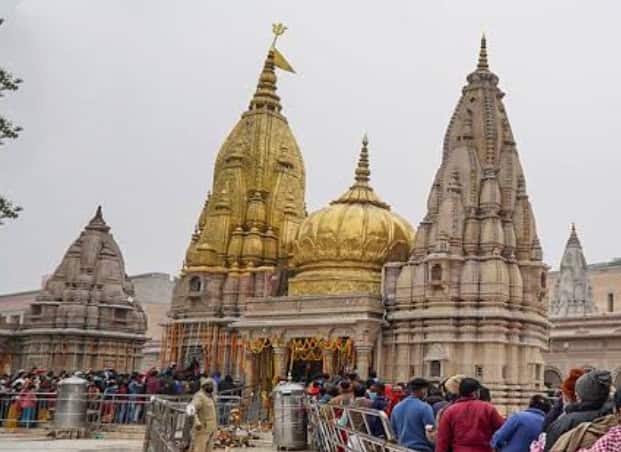
Varanasi's temples showcase the Nagara style of North Indian temple architecture, characterized by curvilinear towers (shikharas), pillared halls (mandapas), and elaborate stone carvings. The city has over 23,000 temples, from tiny street shrines to magnificent structures.
Architectural Elements
Shikhara (Tower)
The curvilinear tower above the sanctum, representing Mount Meru — the cosmic mountain.
Mandapa (Hall)
Pillared hall for devotees to gather, pray, and attend ceremonies.
Garbhagriha (Sanctum)
Innermost chamber housing the deity. Small, dark, and intimate.
Amalaka & Kalasha
Disc-like stone and pot finial at the top of the shikhara.
The Ghats — Unique Riverfront Architecture
The 88 ghats of Varanasi represent one of the most unique architectural achievements in the world. Each ghat is a series of stone steps leading to the Ganges, flanked by temples, rest houses, and platforms. The ghats serve as bathing areas, cremation grounds, prayer spaces, and social gathering points.
Dashashwamedh Ghat
The grandest ghat with multiple levels, temples, and the famous Ganga Aarti platform. Rebuilt by Maratha rulers in the 18th century.
Manikarnika Ghat
The cremation ghat with a different architectural character — functional platforms, perpetual fires, and a solemn atmosphere.
Assi Ghat
Southernmost ghat with a wide, open design. Popular for morning yoga and a more relaxed, modern atmosphere.
Panchganga Ghat
Where five rivers are believed to meet. Features a large platform and temples with Mughal-era architecture.
Colonial & Modern Architecture
Colonial Era Buildings
The British colonial period left its mark with Indo-Saracenic buildings, including the BHU main gate, District Collectorate, and various educational institutions. These blend European and Indian architectural elements.
Kashi Vishwanath Corridor
A massive recent project connecting the Kashi Vishwanath Temple to the Ganges. The corridor features modern architecture with traditional elements, creating a grand processional path.
Frequently Asked Questions
What architectural style is Varanasi known for?
How many temples are in Varanasi?
What is special about the ghats architecture?
Are there any modern buildings in Varanasi?
Download NaviX — Architectural Walking Tours
Explore 3,000 years of architecture — temple trails and ghat walks.
Download the App