
Festival Guide · Varanasi
Navratri in Varanasi 2026:
Nine Nights of Divine Celebration
Dance through sacred nights honoring Goddess Durga in India's oldest living city
What is Navratri?
Navratri, literally meaning "nine nights," is one of the most important Hindu festivals celebrated across India with immense devotion and grandeur. The festival spans nine nights and ten days, dedicated to the worship of Goddess Durga and her nine divine manifestations. In the ancient city of Varanasi, Navratri holds a special significance, blending Kashi's timeless spirituality with vibrant festive energy that transforms every ghat, temple, and lane into a celebration of the divine feminine.
The nine nights represent the victory of good over evil, symbolizing Goddess Durga's battle against the demon king Mahishasura. Each night, a different form of the Goddess is worshipped with specific rituals, offerings, and colors. Navratri is celebrated twice a year — Chaitra Navratri in spring (March-April) and Sharad Navratri in autumn (September-October). Both are equally significant, but Sharad Navratri is the more widely celebrated of the two.


Navratri 2026 Dates
Navratri follows the Hindu lunar calendar, so exact dates shift each year. Below are the expected dates for both Navratri periods in 2026 based on the Hindu panchang.
Chaitra Navratri (Spring)
March 26 – April 3, 2026
The first Navratri of the year, beginning the Hindu lunar new year. Chaitra Navratri concludes with Ram Navami, celebrating the birth of Lord Rama. In Varanasi, temples organize special bhajans and kirtans throughout the nine days.
Sharad Navratri (Autumn)
September 22 – September 30, 2026
The more grand and widely celebrated Navratri, culminating in Dussehra (Vijayadashami). This Navratri marks Lord Rama's victory over Ravana. Varanasi sees its biggest crowds during Sharad Navratri, with elaborate garba nights and cultural programs.
Day-by-Day Schedule: Nine Forms of Durga
Each day of Navratri is dedicated to a specific form of Goddess Durga. Devotees wear the prescribed color, prepare special offerings, and perform pujas honoring the day's deity. Here is the complete day-by-day guide:
Day 1 — Shailaputri
Color: Red · Offerings: Jaggery, flowers
Goddess Shailaputri, the daughter of mountains, is the embodiment of nature and strength. She carries a trident and rides a bull. On this first day, devotees offer red flowers and jaggery. The puja signifies the beginning of the spiritual journey, awakening the Muladhara chakra.
Day 2 — Brahmacharini
Color: Royal Blue · Offerings: Sugar, bananas
Brahmacharini represents the unmarried, ascetic form of Parvati. She embodies devotion, penance, and simplicity. On Day 2, offerings of sugar and bananas are made. This form teaches the importance of discipline and spiritual seeking on the path to enlightenment.
Day 3 — Chandraghanta
Color: Yellow · Offerings: Kheer, milk sweets
Chandraghanta, adorned with a bell-shaped moon on her forehead, radiates bravery and beauty. She rides a tiger and destroys evil forces. Devotees offer kheer and milk-based sweets on this day, seeking protection from suffering and evil. The yellow color represents joy and cheerfulness.
Day 4 — Kushmanda
Color: Green · Offerings: Malpua, coconut
Kushmanda is credited with creating the universe with her divine smile. She represents the cosmic egg from which creation emerged. Green symbolizes new beginnings and nature's bounty. Offer malpua and coconut to honor the creative energy of the universe.
Day 5 — Skandamata
Color: Grey · Offerings: Bananas, mangoes
Skandamata is the mother of Lord Kartikeya (Skanda), the commander of the divine army. She symbolizes a mother's unconditional love and fierce protection. Grey represents the balance between the material and spiritual worlds. Devotees offer fresh fruits and worship with devotion.
Day 6 — Katyayani
Color: Orange · Offerings: Honey, halwa
Katyayani is the fierce warrior goddess who destroyed the demon Mahishasura. She represents courage, strength, and the power to fight injustice. Orange symbolizes energy and enthusiasm. Offer honey and halwa to invoke her blessings for victory over obstacles in life.
Day 7 — Kalaratri
Color: White · Offerings: Sweets, coconut
Kalaratri is the fiercest form of Durga, destroyer of darkness and ignorance. Despite her terrifying appearance, she is the giver of divine blessings and destroys all negativity. White represents purity and peace. This is considered the most auspicious day for worship in many traditions.
Day 8 — Mahagauri
Color: Pink · Offerings: Kheer, flowers
Mahagauri, meaning "extremely fair," represents purity, serenity, and wisdom. She is the goddess of peace and abundance. Pink symbolizes love, affection, and grace. Devotees offer white flowers, kheer, and mishri. The Ashtami puja (8th day) is considered the most important of all Navratri pujas.
Day 9 — Siddhidatri
Color: Sky Blue · Offerings: Coconut, sweets
Siddhidatri is the bestower of all siddhis (supernatural powers) and divine blessings. She sits on a lotus and holds a discus, conch, mace, and lotus. Sky blue represents vastness and infinity. On the final day, devotees offer coconut and sweets, seeking completion of their spiritual journey. Kanya Puja (worshipping young girls) is performed on this day.

How Varanasi Celebrates Navratri
Varanasi's Navratri celebrations are a mesmerizing blend of ancient traditions and festive energy. The city's temples, ghats, and markets come alive with a unique spiritual fervor that can only be experienced in Kashi. Every ghat along the Ganges is adorned with earthen lamps, marigold garlands, and vibrant rangoli patterns that welcome devotees from across India.
The celebrations begin with Kalsthapana (lamp lighting ceremony) on Day 1, where sacred fire is kindled and the Goddess is invoked. Each evening, aartis at Dashashwamedh Ghat reach a crescendo with special Navratri hymns, creating a spiritual atmosphere that resonates across the Ganges. Cultural performances featuring classical music, Bharatanatyam, and Kathak dances are organized at various venues throughout the nine nights.


The Kashi Vishwanath Corridor, rebuilt with modern amenities while preserving ancient grandeur, becomes a focal point for Navratri celebrations. Thousands of devotees queue up for darshan each day, and the corridor is decorated with thousands of diyas, flowers, and silk drapes. Special prasad distribution and community meals (bhandara) are organized throughout the nine days.
Best Temples for Navratri in Varanasi
Varanasi's temples become the epicenter of Navratri celebrations, each offering a unique experience. Here are the must-visit temples during the nine nights:
🛕 Durga Kund Temple
The most famous Durga temple in Varanasi, this temple hosts the grandest Navratri celebrations. The ancient temple is decorated with millions of marigold flowers, fairy lights, and traditional rangoli. The temple trust organizes special pujas, cultural programs, and community feasts throughout Navratri.
📍 Near Durga Kund, BHU area
🛕 Sankat Mochan Temple
Famous for its Hanuman worship and classical music concerts (Sankat Mochan Sangeet Samaroh), this temple organizes special Navratri programs. Evening bhajans and kirtans create a deeply devotional atmosphere. The prasad (besan laddoo) here is legendary.
📍 Near BHU main gate, Assi area
🛕 Kashi Vishwanath Temple
The spiritual heart of Varanasi, the Kashi Vishwanath Corridor is adorned with spectacular decorations during Navratri. Special abhishek ceremonies and Rudra Pathak recitations are performed. The corridor's modern design combined with ancient sanctity creates a breathtaking experience.
📍 Old city, Vishwanath Gali
🛕 Kal Bhairav Temple
The guardian deity of Varanasi, Kal Bhairav is worshipped with special reverence during Navratri. Unique rituals include offering alcohol (a rare practice in Hindu temples) and elaborate tantric pujas. The temple's fierce energy during Navratri is a powerful spiritual experience.
📍 Near Dashashwamedh Ghat
Navratri Fasting Food Guide
Fasting during Navratri is not just about abstinence — it's a celebration of pure, sattvic food that nourishes the body and soul. Here is what you can eat and avoid during the nine nights:
✅ What to Eat (Vrat Ka Khana)
- • Sabudana Khichdi — Tapioca pearls with peanuts, cumin, and green chilies
- • Kuttu Ki Puri — Buckwheat flour pooris with potato curry
- • Singhare Ke Pakore — Water chestnut fritters, crispy and delicious
- • Aloo Jeera — Cumin potatoes with rock salt (sendha namak)
- • Sama Rice Pulao — Barnyard millet rice cooked with vegetables
- • Fruit Chaat & Fresh Fruits — Pomegranates, bananas, apples, grapes
- • Rajgira Paratha — Amaranth flour flatbreads with curd
- • Makhana Kheer — Fox nut pudding with cardamom and saffron
❌ What to Avoid
- • Regular salt — Use sendha namak (rock salt) instead
- • Wheat, rice, and pulses — Use buckwheat, water chestnut, amaranth flour
- • Onion and garlic — Strictly avoided during fasting
- • Non-vegetarian food — Complete abstinence from meat and eggs
- • Regular cooking oil — Use ghee or sendha namak for cooking
- • Coffee and tea — Some prefer only water, milk, and fruit juices

Garba and Dandiya Nights in Varanasi
While Varanasi is known for its spiritual celebrations, the city has embraced the energetic Gujarati tradition of garba and dandiya with open arms. These nights of circular dances and rhythmic stick performances bring together people from all communities in celebration.
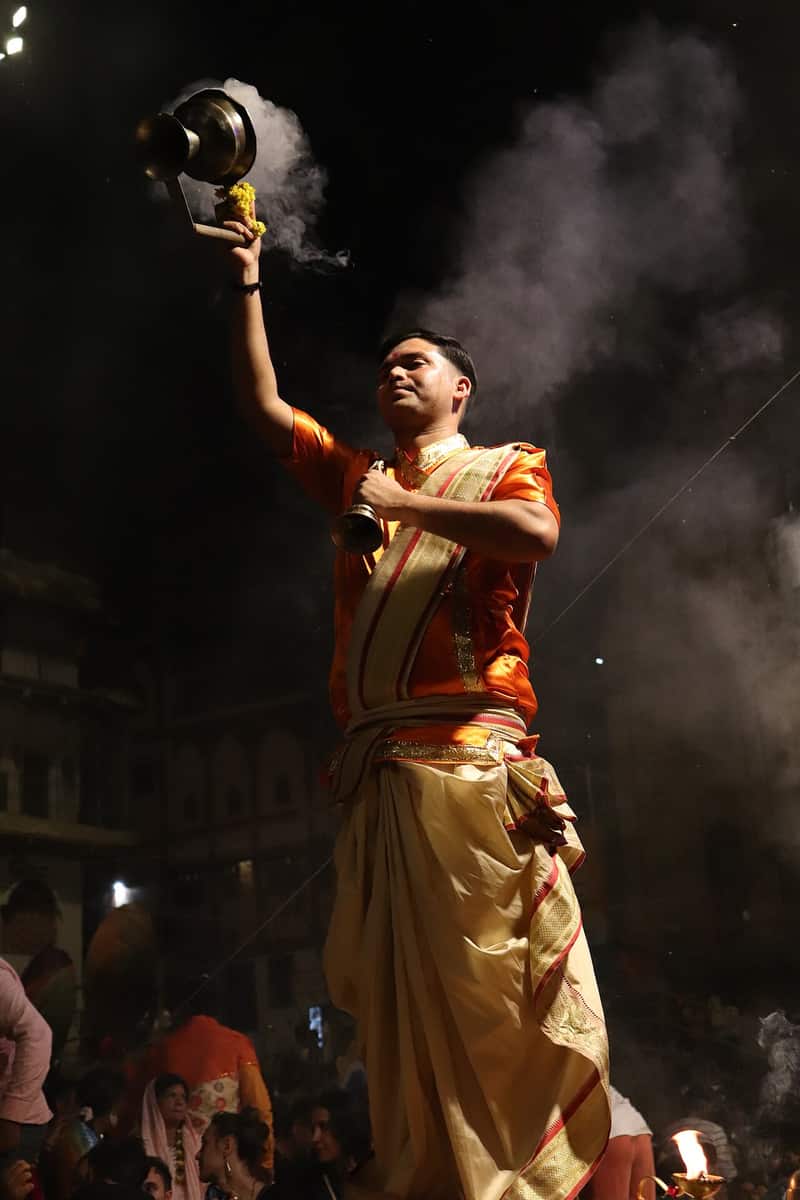
The garba nights typically start after 8 PM and continue until midnight or later. Professional DJs play a mix of traditional garba songs and modern remixes, while traditional folk musicians keep the authentic Rajasthani and Gujarati flavor alive. The dances begin slowly and gradually build up in speed and energy, creating a mesmerizing spectacle of swirling colors and synchronized movements.
50+
Garba events across Varanasi
5000+
Average participants per night
9
Nights of non-stop celebration
Navratri Shopping Guide
Navratri is the perfect time to update your wardrobe and shop for puja essentials. Varanasi's markets are famous for their silk, jewelry, and traditional accessories. Here's where to shop:
🛍️ Godowlia Market
The heart of Varanasi's shopping district, Godowlia offers everything from traditional sarees and lehengas to puja items and accessories. Perfect for buying Navratri outfits, bangles, bindis, and mehendi cones. Expect vibrant displays of red and orange traditional wear.
🛍️ Vishwanath Gali
Famous for religious items, brass puja thalis, and spiritual accessories. Buy beautiful Durga idols, incense, camphor, and ritual items for the nine-night pujas. The gali is especially decorated during Navratri with lights and flowers.
🛍️ Thatheri Bazaar
Known for brass and copper utensils, this market is ideal for purchasing traditional puja accessories like ghanti (bell), diya, and kalash. The brass items here are handcrafted and make excellent souvenirs.
🛍️ Banaras Silk Emporiums
For exquisite Banarasi silk sarees and dupattas, visit the silk emporiums on MG Road and Dashashwamedh Road. Navratri sees special collections in traditional colors — reds, oranges, and golds dominate the displays. Negotiate well for the best prices.
Cultural Programs and Events
Navratri in Varanasi is not just about religious observances — it's a cultural extravaganza that showcases the city's rich artistic heritage. Here's what to expect during the nine nights:
Classical Music Concerts
Sankat Mochan Sangeet Samaroh is one of the most prestigious classical music festivals held during Navratri. Renowned artists from across India perform bhajans, kirtans, and classical ragas at Sankat Mochan Temple and other venues.
Dance Performances
Bharatanatyam, Kathak, and Odissi performances are organized at various auditoriums and temple premises. These classical dance recitals depicting stories of Goddess Durga are a visual and spiritual treat.
Ramayana Recitations and Kathas
Daily recitations of the Ramayana and Durga Saptashati are organized at major temples. These sessions offer deep insights into the mythology and philosophy behind Navratri, enriching the spiritual experience.
Ramlila Performances
Traditional Ramlila — dramatic reenactments of Lord Rama's life — are staged across the city during Navratri, building up to Dussehra. The Ramnagar Fort Ramlila, a UNESCO-recognized tradition, is the most spectacular of all.
Safety Tips and Practical Advice
Navratri brings massive crowds to Varanasi, especially at temples and ghat areas. Here are essential tips to ensure a safe and enjoyable experience:
📱 Stay Connected
Keep your phone charged and share your location with family. Temple areas have poor connectivity due to crowd density. Download offline maps of Varanasi before visiting.
🎒 Carry Essentials
Keep minimal cash, wear comfortable footwear (you'll walk a lot), and carry water. Temple areas are crowded, so avoid expensive jewelry and unnecessary gadgets.
⏰ Timing Matters
Visit temples during early morning hours (5-8 AM) to avoid crowds. Evening aartis (6-8 PM) are crowded but worth the experience. Late-night garba events need advance booking.
📸 Photography Spots
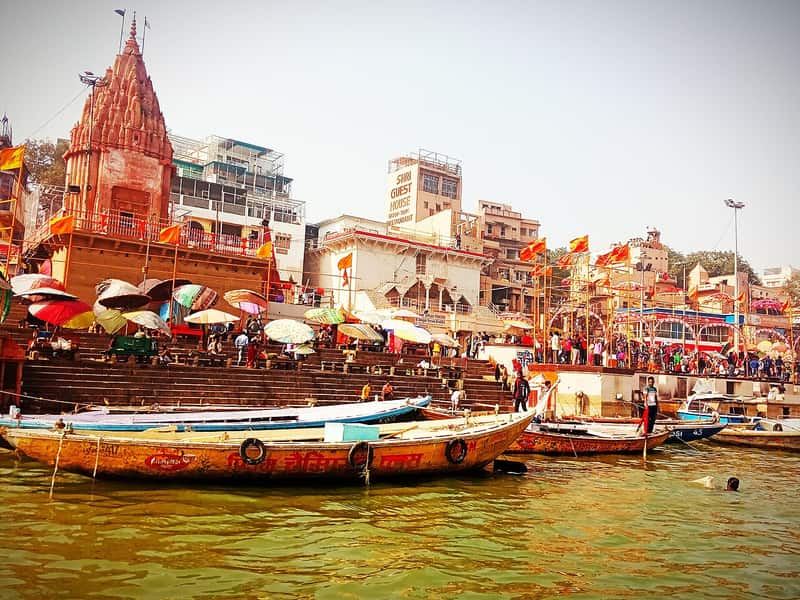
For the best photos: visit Durga Kund Temple during evening aarti, capture garba dancers at community events, photograph illuminated ghats at sunset, and shoot flower decorations in temple corridors. Always ask before photographing people.
Best Photography Spots for Navratri

Durga Kund Temple

Festival Decorations
Ganges at Sunset
Garba Night Scenes
Frequently Asked Questions
What is Navratri celebrated for?
When is Navratri 2026 in Varanasi?
What are the nine forms of Durga worshipped during Navratri?
Where are the best garba nights in Varanasi?
What is the fasting food during Navratri?
What should I wear during Navratri in Varanasi?
Are there special Varanasi experiences during Navratri?


Celebrate Navratri in Varanasi
Get real-time event schedules, garba night locations, and temple darshan timings on our app
Download the App