
Varanasi is one of the most photogenic cities on earth. Every corner reveals a new composition: sandalwood smoke curling through morning light, a washerman beating clothes against ancient stone, a boatman silhouetted against the rising sun. But photographing a sacred city comes with responsibilities. This guide covers camera settings, ethical practices, the best golden hour spots, and hidden lanes that most tourists never discover.
Key Takeaways
- Camera Settings for Varanasi
- Best Photography Locations
- Photography Ethics and Etiquette
- How to Prepare
Camera Settings for Varanasi
For daytime street photography, use Aperture Priority at f/4-f/5.6 with ISO 200-800 to keep shutter speed above 1/250s for sharp candid shots. A 35mm or 50mm prime lens is ideal — they are lightweight for walking and produce beautiful bokeh in the narrow lanes. Smartphone photographers: tap to focus on faces, use portrait mode for street portraits, and shoot in ProRAW or DNG format for maximum editing flexibility.
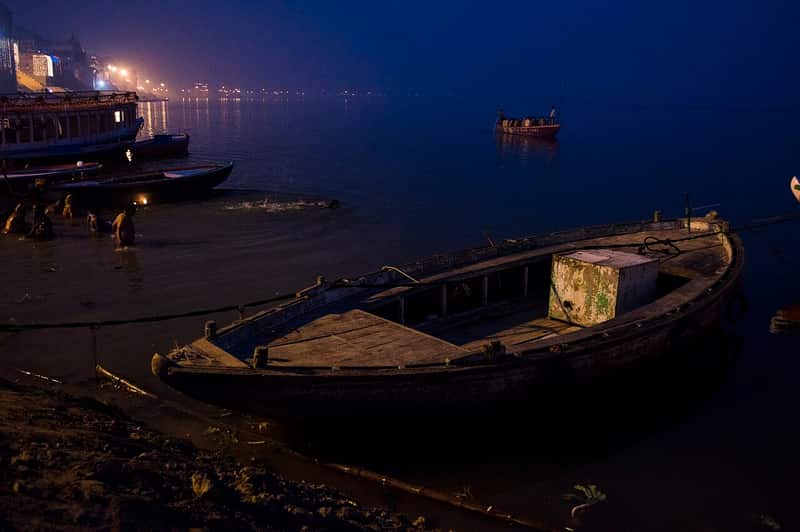
Golden hour timing in Varanasi: sunrise at approximately 5:45-6:30 AM (best for Assi and Dashashwamedh ghats) and sunset at 5:30-6:15 PM (best for Manikarnika and Harishchandra ghats). For evening aarti photography, bump ISO to 1600-3200 with a fast lens (f/1.8 or f/2.8). Night photography at the ghats requires a tripod — use ISO 800, f/4, and 5-30 second exposures to capture glowing temples reflected in the Ganga.
Best Photography Locations
Assi Ghat at dawn (5:30-7:00 AM) is the single best photography spot. Morning rituals, flower vendors, and yoga practitioners create endless compositions. The flower market near Dashashwamedh (6:00-8:00 AM) explodes with marigold garlands and lotus bundles. Silk weaving clusters near BHU offer intimate portraits of artisans at work. The evening aarti at Dashashwamedh (6:30-7:30 PM) offers dramatic fire-lit compositions with hundreds of worshippers.
The narrow lanes between Vishwanath Gali and Dashashwamedh are perfect for candid portraits of daily life — a chai wallah pouring tea, a paan maker at work, children playing cricket in ancient alleys. The back lanes behind Manikarnika offer raw, unfiltered views of Varanasi life. The morning flower market, spice grinders, and brass workers provide authentic daily life scenes that tell the story of a living, breathing city.
Assi Ghat Dawn
5:30-7:00 AM, morning rituals, yoga practitioners, golden light on the Ganga
Flower Market
6:00-8:00 AM near Dashashwamedh, vibrant marigolds and lotus bundles
Evening Aarti
6:30-7:30 PM, dramatic fire photography, hundreds of worshippers
Photography Ethics and Etiquette
Always ask permission before photographing people. A simple gesture — pointing to your camera and raising your eyebrows — communicates across languages. Most Varanasi residents are happy to be photographed if you ask respectfully. Never photograph cremations at Manikarnika from close range. This is sacred and deeply private. A respectful long-lens shot from a boat is acceptable.
At religious ceremonies, ask the priest before shooting. Respect refusals gracefully — not everyone wants to be captured. Avoid photographing children without parental consent. The most powerful Varanasi photographs tell human stories, not just scenic ones. Spend time observing before shooting. Learn a few Hindi words: "photo le sakta hoon?" (may I take a photo?) opens doors.
How to Prepare
Bring at least two batteries — Varanasi heat drains them faster than expected. Carry a microfiber cloth for the dust. A compact tripod or Gorillapod is essential for night and temple photography. Wear dark, non-flashy clothing to blend in. Bring a 32GB+ memory card; you will shoot more than you expect.
Spend three full days: Day 1 for scouting locations and getting oriented. Day 2 for golden hour shots at the ghats. Day 3 for detailed shots of weavers, flower sellers, and the evening aarti. Return to favorite spots at different times of day — the same ghat at 6 AM and 6 PM are two completely different worlds.
Quick Tips
Golden hours: 5:45-6:30 AM and 5:30-6:15 PM. Best lens: 35mm or 50mm prime. Always ask permission. Never photograph cremations close-up. Spend 3 days minimum.
Frequently Asked Questions
Was this article helpful?
Your feedback helps us improve
Enjoyed this article?
Get the latest Varanasi travel tips delivered to your inbox.
Related Articles
 Photography
 Night Photography at Varanasi Ghats: A Complete Guide
Camera settings, best spots, long exposure tips, and safety for night photography
Photography Photography Walk Through Old Varanasi: Capture the Soul of Kashi
Camera settings, best times, hidden spots, and etiquette for street photography
Photography Photography Tips for Ghats
The ghats offer endless photographic possibilities. Learn how to capture the morning rituals, evening aarti, and the timeless beauty of these sacred riverfront steps.