
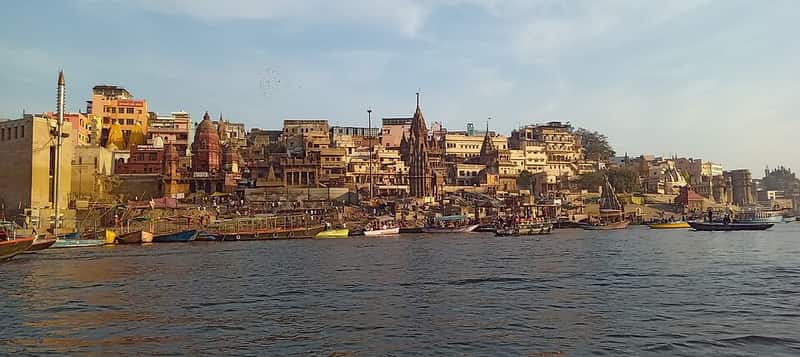
Varanasi is one of the oldest continuously inhabited cities in the world, with a history spanning over 5,000 years. From its origins as a cluster of villages to its current status as a spiritual capital, the city has witnessed the rise and fall of empires.
Key Takeaways
- Historical Timeline
Historical Timeline
Vedic period origins. Maurya Empire connections. Gupta golden age. Mughal influence. British colonial era. Post-independence development. Each era left its mark.
Quick Tips
• Best time: Early morning • Duration: 1-2 hours • Entry: Most are free
Frequently Asked Questions
Was this article helpful?
Your feedback helps us improve
Enjoyed this article?
Get the latest Varanasi travel tips delivered to your inbox.
Related Articles
 History
 Ancient History of Varanasi
Varanasi is one of the oldest continuously inhabited cities in the world. Archaeological evidence suggests settlement here since at least 1100 BCE, with the city mentioned in ancient Vedic texts.
History Varanasi Under the Mughals
The Mughal period significantly shaped Varanasi's architecture and cultural landscape. Despite religious tensions, the era produced remarkable syncretic art and architecture.
History Ramnagar Fort: The Royal Legacy
Ramnagar Fort, built in the 18th century by the Maharaja of Banaras, stands opposite the ghats on the eastern bank of the Ganges. The fort houses a museum with rare artifacts.