
बनारसी सिल्क की कीमत सच्चाई से तय होती है: सूती साड़ी ₹2,000-8,000, शुद्ध सिल्क ₹8,000 से ऊपर, टिस्यू ₹40,000 के पार, और विरासती टॉप एंड ₹2,00,000 के आसपास। कीमत की यह सीढ़ी असली है और जीआई टैग जांचा जा सकता है, लेकिन गलियों में ऐसे दलाल भी हैं जो सिल्क को तीन से पांच गुना महंगा बेच सकते हैं। बुनावट के नाम, अग्नि परीक्षण और 40 प्रतिशत से शुरू होने वाला मोल-भाव सीख लें तो बाजार अपने आप सच बोलने लगता है।
सच्ची कीमत की सीढ़ी
| सूती साड़ी | ₹2,000-8,000 — बनारसी बुनाई में आसान शुरुआत। |
| शुद्ध सिल्क | ₹8,000 से ऊपर; कटान और ब्रोकेड का इलाका। |
| टिस्यू | ₹40,000 से ऊपर; ऊपर की शेल्फ की पारदर्शी चमक। |
| विरासती टॉप एंड | सबसे उम्दा कढ़वा और भारी जरी के लिए करीब ₹2,00,000 तक। |
| एक डिजाइन, अलग बुनावट | एक ही रूप की जंगुला से कढ़वा काफी महंगी होती है। |
बुनावट के परिवार
कढ़वा
हर बूट अलग से बुना जाता है; घना, टिकाऊ और सबसे महंगा।
जंगुला
बारीक वेल-बेल के नक्शे, जेब पर हल्के।
कटान
शुद्ध रेशमी आधार, मटमैला और छूने में ठंडा।
टिस्यू
रोशनी के साथ बदलती पारदर्शी चमक।
ब्रोकेड
जरी के काम वाला बनारसी परंपरा का क्लासिक।
जॉर्जेट
रोजमर्रा के पहनावे के लिए मुलायम, बहता सिल्क।
कटान, आर्ट सिल्क, मशीन
| शुद्ध कटान | मटमैली, मुलायम और ठंडी; बालों की तरह जलकर राख हो जाती है। |
| आर्ट सिल्क | चमकदार, प्लास्टिक जैसा अहसास; जलने पर पिघलती है और रासायनिक गंध देती है। |
| मशीनी बुनावट | एक जैसी आवृत्ति, पतला अहसास, उल्टी तरफ खिंचाव के निशान। |
असली की पहचान
जरी
असली ब्रोकेड धागा चांदी-सोने का, ठंडा और भारी होता है; नकली चमकीली, हल्की और भड़कीली।
उल्टा पहलू
हथकरघे की कढ़वा का उल्टा पहलू साफ और सधा होता है; मशीनी खिंचाव उल्टी तरफ दिखता है।
बूट की आवृत्ति
बूट जो बहुत परफेक्ट दोहराते हैं, मशीनी करघे की निशानी हैं।
अग्नि परीक्षण
रेशम बालों की तरह जलकर राख बनता है; नायलॉन पिघलता है और प्लास्टिक की गंध देता है।
कागजात
जीआई टैग, जीएसटी नंबर वाली रसीद और बुनकर सहकारी का लेबल मांगें।
जीआई टैग और कागजात
कहां से खरीदें
| थठेरी बाजार | सिल्क की क्लासिक गलियां; सही मोल-भाव, देर तक चहल-पहल। |
| विश्वनाथ गली | मंदिर और गोदौलिया के बीच छोटी दुकानें — जल्दी वाली और भीड़ भरी। |
| गोदौलिया | गलियों और इम्पोरियम का मिश्रण, पहली तुलना के लिए अच्छा। |
| चौक | पुरानी पारिवारिक दुकानें, धीरज वाले मालिक। |
| UP हैंडलूम इम्पोरियम | छपी हुई कीमत, कोई जोखिम नहीं — सही संदर्भ कीमत। |
| KSV साड़ी घर | प्रमाणित बुनकर स्टॉक, लिखी कीमत पर। |
बुनाई के गांव
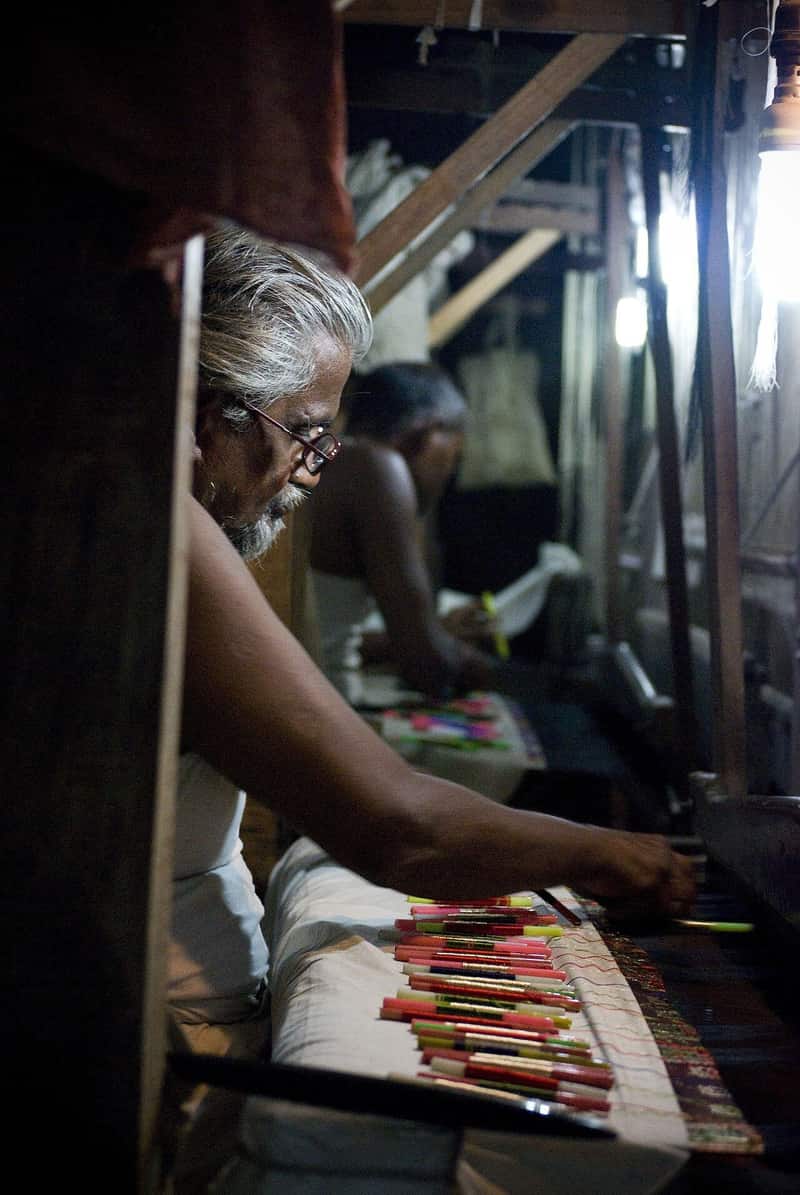
मदनपुरा, पीली कोठी और लल्लापुरा में पुराने शहर से थोड़ी ऑटो दूरी पर सैकड़ों चलते करघे हैं। वहां कोई शोरूम या साइनबोर्ड नहीं, सिर्फ दरवाजे हैं — और कीमत गलियों से कम रहती है क्योंकि बीच की कड़ी नहीं होती। ऐसा ड्राइवर ले जाएं जो किसी करघे वाले को जानता हो।
आधा दिन और ईमानदार बजट रखें। यहां तैयार स्टॉक खरीदना ही सही रहता है; कस्टम ऑर्डर करघे पर हफ्तों रुकता है, और ज्यादातर दुकानें घर तक पहुंचा देती हैं।
नकली माल और दलाल
मोल-भाव और भुगतान
गलियों में मोल-भाव पहली कीमत के 40 प्रतिशत से शुरू होता है और वहीं सुलझता है जहां दोनों पक्षों की सांस खुल जाए। इम्पोरियम और सहकारी में लिखी कीमत ही कीमत है — उसे मानें तो आप ठगे नहीं जा रहे।
लगभग हर जगह यूपीआई चलता है, फिर भी नकद सबसे अच्छे सौदे कराता है, और रसीद ही आपके भुगतान का इकलौता सबूत है। सिर्फ नकद मांगने वाली दुकान में आमतौर पर कीमत में और जगह होती है।
सिल्क से आगे: पूरा बाजार
पीतल और तांबा
थठेरी बाजार — यूनेस्को सूचीबद्ध जीवित हस्तकला।
लकड़ी के खिलौने
चौक और विश्वनाथ गली में करीब ₹50 से।
रुद्राक्ष
केवीटी कॉरिडोर के पास, हमेशा सर्टिफिकेट के साथ।
सितार और तबला
बीएचयू और अस्सी के पास के वाद्य गलियां।
पटचित्र और थांगका
₹300 से ₹30,000 तक की चित्रित पट्टियां।
फूलों का बाजार
दशाश्वमेध, सुबह 4-6 बजे, आरती वाले दिन की शुरुआत से पहले।
मिट्टी के बर्तन
राज घाट की मिट्टी की चीजें।
समय और कस्टम ऑर्डर
| सुबह 10 से 1 बजे | ताजा स्टॉक, पूरी रेंज, शांत गलियां। |
| शाम 4 से 8 बजे | गलियां रोशन होती हैं और मोल-भाव गरम होता है। |
| दोपहर का विराम | दोपहर 1 से 4 बजे का शांत समय बिना जल्दबाजी देखने के लिए। |
| कस्टम ऑर्डर | करघे पर हफ्तों लगते हैं; ज्यादातर दुकानें घर तक डिलीवरी करती हैं। |
दिन के उजाले में देखें
तह, पैकिंग और देखभाल
तह
लंबाई में ढीले रोल ताकि जरी की लकीरें सीधी रहें।
पैकिंग
दुकान की मलमल में लपेटें; लंबे भंडारण में प्लास्टिक कभी नहीं।
टांगना
भारी जरी कभी न टांगें; वजन से बॉर्डर खिंच जाता है।
सफाई
साल में दो बार छांव में हवा दें; सिर्फ ड्राई क्लीन, कभी न धोएं।
एक दिन की शॉपिंग योजना
| सुबह 4-6 बजे | दशाश्वमेध का फूल बाजार। |
| सुबह 10 से 1 बजे | सिल्क की गलियां, दिन के उजाले में जांच के साथ। |
| दोपहर के बाद | परिचित ड्राइवर के साथ मदनपुरा या पीली कोठी। |
| शाम 4 से 8 बजे | थठेरी का पीतल, लकड़ी के खिलौने और शाम का मोल-भाव। |
रसीद का नियम
एक नज़र में
- ✓ सूती ₹2,000-8,000; सिल्क ₹8,000+; टिस्यू ₹40,000+।
- ✓ पहली कीमत के 40% से मोल-भाव शुरू करें।
- ✓ अग्नि परीक्षण: रेशम राख बनता है, नायलॉन पिघलता है।
- ✓ गांव: मदनपुरा, पीली कोठी, लल्लापुरा।
तुरंत जवाब
असली बनारसी सिल्क कैसे पहचानें?
अहसास देखें — शुद्ध कटान मटमैली और मुलायम होती है; जरी देखें — असली ब्रोकेड धागा चांदी-सोने का, ठंडा और भारी; बुनावट का उल्टा पहलू देखें; और दुकान से ढीला धागा जलवाकर देखें: रेशम बालों की तरह जलकर राख, नायलॉन पिघलकर प्लास्टिक।
साड़ी की कीमत क्या होनी चाहिए?
शुरुआती सूती ₹2,000-8,000 चलती है, शुद्ध सिल्क ₹8,000 से ऊपर, टिस्यू ₹40,000 के पार, और विरासती कढ़वा ₹2,00,000 के आसपास जा सकती है। मदनपुरा और पीली कोठी के करघे गलियों से कम पर मिलते हैं।
क्या दुकानों में अग्नि परीक्षण होता है?
ज्यादातर भरोसेमंद दुकानें रोल से ढीले धागे पर परीक्षण करने देती हैं। अगर कोई दुकान मना करे तो समझ लीजिए, वह मना करना ही एक जवाब है।
क्या बुनाई के गांव जाना फायदेमंद है?
हां, ऐसे ड्राइवर के साथ जो करघों को जानता हो। क्योंकि बीच की कड़ी नहीं होती, इसलिए कीमत भी कम रहती है, लेकिन वहां साइनबोर्ड नहीं होते — परिचित वाले ड्राइवर के साथ जाएं और नकद रखें।
क्या दुकानें घर तक भेजती हैं?
ज्यादातर गलियों की दुकानें रसीद के साथ कूरियर से डिलीवरी करा देती हैं। यूपीआई या कार्ड से भुगतान करें ताकि रिकॉर्ड रहे, और जीएसटी रसीद संभाल कर रखें — वही आपकी खरीदारी का इकलौता सबूत है।
कितना मोल-भाव करना चाहिए?
गलियों में बताई कीमत के 40 प्रतिशत से शुरू करें और करीब दो-तिहाई से तीन-चौथाई में सुलझाएं। फिक्स-प्राइस इम्पोरियम और सहकारी में लिखी कीमत ही अंतिम है — और वहीं से खरीदने का यही फायदा है।
दलालों और बढ़ी कीमतों से कैसे बचें?
दलाल आपकी तय कीमत से कमिशन काटते हैं, और पर्यटकों को दिखाई सिल्क असली दर से तीन से पांच गुना बढ़ा दी जा सकती है। किसी दलाल को अपनी दुकान न चुनने दें — अभिवादन को बगल से निकल जाएं, अपनी तीन दुकानें चुनें और बुनावटों की तुलना करें।
गलियों में और क्या खरीद सकते हैं?
थठेरी से पीतल-तांबा, चौक से 50 रुपये के लकड़ी के खिलौने, केवीटी कॉरिडोर के पास सर्टिफिकेट वाले रुद्राक्ष, बीएचयू-अस्सी के किनारे सितार-तबला, राज घाट की मिट्टी की चीजें और ₹300-30,000 की पटचित्र-थांगका पेंटिंग।