
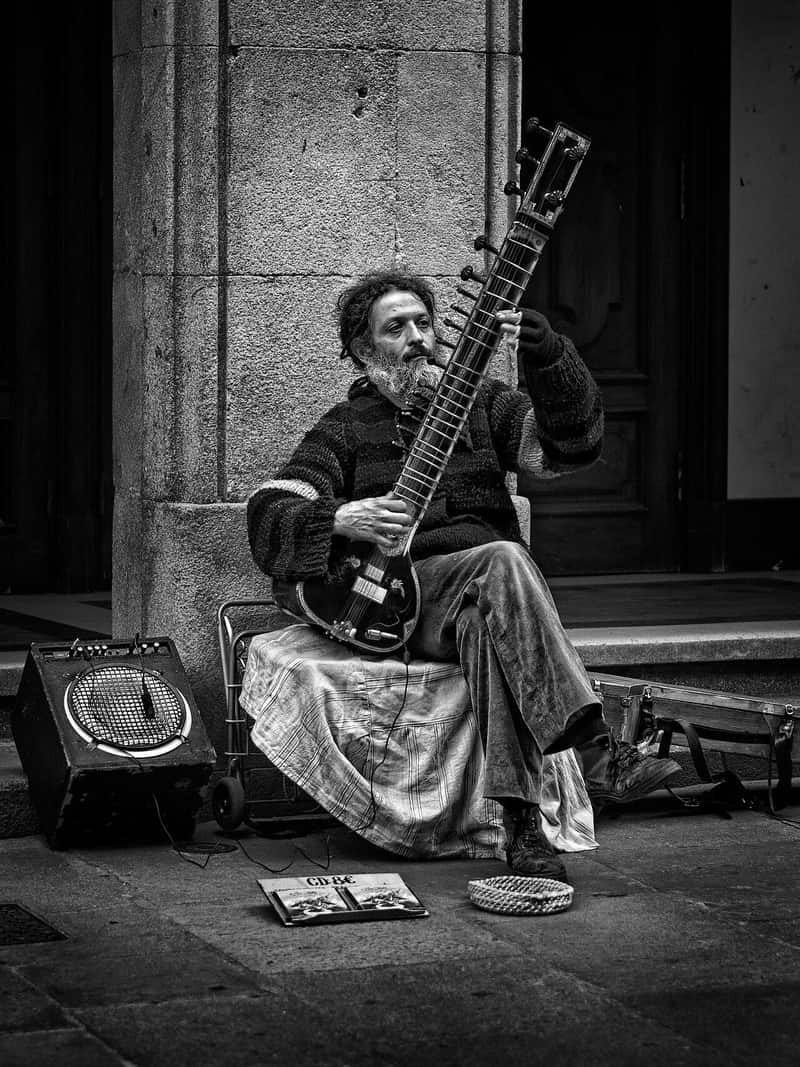
काशी भारत का इकलौता शहर है जो जागने से पहले गाना शुरू कर देता है। पहली बस से पहले, चाय के ठेलों से भी पहले, ध्रुपद घरानों के कलाकार घाटों पर आकर सर्द सुबह में अपनी आवाज गर्म करते हैं। यहां संगीत टिकट लेकर सुना जाने वाला नाटक नहीं है — यह शहर की सांस है। अस्सी घाट के मुफ्त भोर संगीत से लेकर बारातों की शहनाई और पुराने मंदिरों के रात भर चलने वाले कीर्तन तक, पूरा दिन राग, लय और भक्ति पर चलता है।
भोर में गाने वाला शहर
काशी की सबसे पुरानी संगीत परंपरा ध्रुपद है — वह धीमा, ध्यानमग्न रूप जिसे बड़े घरानों ने पीढ़ियों से जिंदा रखा है। सूर्योदय से बहुत पहले ही घाटों के पास उनका रियाज़ पानी पर तैरता हुआ सुनाई देता है — धीमी गूंज जो रोशनी फैलते ही पूरे गले के अलाप में बदल जाती है। स्थानीय लोग इसे काशी के जागने की आवाज कहते हैं।
आपको न्योता नहीं चाहिए। सर्दियों में सुबह 5 बजे या गर्मियों में 4:30 बजे किसी शांत घाट पर उतर जाइए और संगीत खुद आपके पास आएगा — बिल्कुल मुफ्त, किसी स्टेज से बेहतर।
अस्सी घाट पर सुबह-ए-बनारस
हर सुबह शहर अस्सी घाट पर सुबह-ए-बनारस नाम का मुफ्त भोर संगीत सजाता है — नौजवान और बुजुर्ग शास्त्रीय गायक, सूर्योदय में राग गाते हुए। यह गर्मियों में करीब 5 बजे और सर्दियों में 5:30 बजे शुरू होता है और करीब 7 बजे तक चलता है। कोई टिकट नहीं, कोई गेट नहीं; बस चाय वालों और साधुओं के बीच सीढ़ियों पर बैठ जाइए।
सबसे पहला राग उसकी सबसे शांत अवस्था में सुनने के लिए थोड़ा जल्दी पहुंचें। आखिरी बीस मिनट, जब सूरज दूसरे किनारे से सचमुच निकलता है, वही हैं जिन्हें लोग सालों याद रखते हैं।
लाइव संगीत कहां सुनें
अस्सी घाट
रोज़ सुबह सुबह-ए-बनारस — मुफ्त, खुला, जादुई। भारत का सबसे अच्छा मुफ्त कार्यक्रम।
संकटमोचन मंदिर
साल भर शाम का कीर्तन, और अप्रैल का विशाल संगीत समारोह जहां देश का हर बड़ा कलाकार आता है।
दशाश्वमेध की आरती मंडली
शाम की आरती के गायक पेशेवर हैं; इनके पीछे खड़े हो जाइए और ज्योति जलने से पहले पूरा संगीत कार्यक्रम सुनने को मिलेगा।
हवेलियां और छोटे हॉल
सीजन में धरोहर हवेलियों और निजी सैलून में शास्त्रीय शामें होती हैं; हफ्ते की सूची के लिए अपने गेस्टहाउस से पूछें।
रात की गलियां
सुबह 3-4 बजे काशी विश्वनाथ की मंगला आरती का कीर्तन और छोटे मंदिरों की भजन मंडलियां पुराने शहर को खुला कॉन्सर्ट हॉल बना देती हैं।
संकटमोचन संगीत समारोह
हर अप्रैल में संकटमोचन मंदिर में होने वाला यह सप्ताह भर का आयोजन काशी की शास्त्रीय संगीत का ताज है। ध्रुपद, ख्याल, ठुमरी, संतूर और तबले की सात रातें, राष्ट्रीय ख्याति के कलाकारों के साथ — और पूरी तरह मुफ्त। आप रेत या घास पर बैठकर आधी रात तक सुनते रहते हैं।
उस हफ्ते शहर संगीतकारों से भर जाता है। अगर तारीखें लचीली हैं, तो अप्रैल के मध्य के आसपास यात्रा रखिए — सात दिनों में उतना संगीत सुनेंगे जितना कहीं और पूरे साल में नहीं।
शहनाई की कहानी
शहनाई से बड़ी कोई आवाज वाराणसी की पहचान नहीं, और बिस्मिल्ला खान से बड़ा कोई नाम नहीं — जिन्होंने बालाजी घाट पर सालों रियाज किया और भोर में घाटों पर बजाया। उनका घर आज भी धरोहर के रूप में खड़ा है। बारातें, मंदिरों के उद्घाटन और आरती चौक के आसपास की गलियों में इस वाद्य को जिंदा रखते हैं।
बिस्मिल्ला खान का घर आज एक तरह का संग्रहालय है और शहर उनकी याद को बड़ी मुस्तैदी से संभालता है। शहनाई सुनने का अच्छा समय शादी के सीजन की शामें हैं, या देव दीपावली, जब जुलूस रात भर बजाते हैं।
वाद्य खरीदना और सीखना
वाद्य बाजार
अस्सी घाट के पीछे और BHU के आसपास की गलियों में सितार, तबला, बांसुरी और सारंगी मिलती हैं — खुद कारीगरों से पूछिए, वे अक्सर आपके लिए एक स्वर बजा देते हैं।
क्लासें
निजी संगीत क्लासें आसानी से मिलती हैं; गेस्टहाउस और वाद्य की दुकानें घराना गुरुओं का ईमानदार पता देती हैं।
शुरुआती कीमत
स्टूडेंट सितार या तबला कुछ हज़ार रुपये में मिलता है; पेशेवर वाद्य बहुत महंगे होते हैं, इसलिए मोलभाव से पहले अपना स्तर तय करें।
संगीत की शिष्टता
संगीत का त्योहारी कैलेंडर
| फरवरी-मार्च | बाबा कला महोत्सव और विश्वविद्यालय की शास्त्रीय शामें — शुरुआती सीजन। |
| अप्रैल मध्य | संकटमोचन संगीत समारोह — शहर का सबसे बड़ा मुफ्त शास्त्रीय महोत्सव। |
| अक्टूबर-नवंबर | नवरात्रि भजन, रामनगर रामलीला का संगीत और रविदास घाट पर गंगा महोत्सव के मंच। |
| देव दीपावली | घाटों पर जुलूस, शहनाई और आतिशबाजी देर रात तक — साल की सबसे जोरदार रात। |
छोटे नुस्खे
जल्दी पहुंचें
किसी भी घाट संगीत की सबसे अच्छी सीटें आगे की सीढ़ियां हैं, जो शुरू होने से 20 मिनट पहले भर जाती हैं।
जमीन के हिसाब से तैयारी
अस्सी और संकटमोचन के कार्यक्रम रेत और पत्थर पर होते हैं; नीचे चटाई या शॉल पूरी शाम बदल देती है।
मल्लाहों से पूछिए
उन्हें पता रहता है कि किस घाट पर निजी रियाज़ चल रहा है या बारात की शहनाई — शहर की सबसे अच्छी लिस्टिंग उन्हीं के पास है।
एक नज़र में
- ✓ अस्सी घाट पर सुबह-ए-बनारस, मुफ्त, सुबह 5-5:30 से।
- ✓ अप्रैल में संकटमोचन संगीत समारोह, सात मुफ्त रातें।
- ✓ शांत घाटों के पास ध्रुपद घरानों का भोर रियाज़।
- ✓ चौक के आसपास शहनाई गलियां और बारातें।
तुरंत जवाब
क्या सुबह-ए-बनारस सच में मुफ्त है?
हां, पूरी तरह मुफ्त — रोज़ सुबह अस्सी घाट पर, गर्मियों में करीब 5 बजे, सर्दियों में 5:30 बजे, करीब 7 बजे तक। स्वैच्छिक दान का स्वागत है पर कभी नहीं मांगा जाता।
संकटमोचन महोत्सव कब होता है?
हर अप्रैल में, करीब सात रातों के लिए। तारीखें हिंदू कैलेंडर के साथ साल-दर-साल बदलती हैं, इसलिए बुकिंग से पहले चालू साल का शेड्यूल ऑनलाइन देख लें।
क्या संगीतकारों की फोटो ले सकते हैं?
घाट के कलाकार शांत फोटो पर शायद ही आपत्ति करते हैं। औपचारिक कार्यक्रमों में कैमरा नीचे रखें, फ्लैश छोड़ें, और फोटो गानों के बीच लें।
वाराणसी में संगीत कहां सीखूं?
घराना गुरु का पता अपने गेस्टहाउस से लीजिए, या अस्सी घाट के पीछे वाद्य की दुकानों से। कई गुरु एक हफ्ते या महीने के अल्पकालिक विद्यार्थी लेते हैं।
संगीत के लिए साल का सबसे अच्छा समय?
बड़े समारोह के लिए अप्रैल, और कुल मिलाकर अक्टूबर से मार्च — शामें ठंडी होती हैं, संगीत कार्यक्रम बार-बार होते हैं और देव दीपावली में जुलूस व शहनाई होती है।
मंदिर के कार्यक्रमों के लिए टिकट चाहिए?
नहीं। मंदिर प्रांगण और घाट के कार्यक्रम सबके लिए खुले हैं। केवल निजी हवेली आयोजनों में ही पैसे लगते हैं।